Gardening Techniques for Hydroponic Beginners
For hydroponic beginners, start with a single Kratky jar or a simple deep-water culture bucket. Both use few parts and teach the basics fast. Pick the one that fits your space and how often you will check it. The wrong setup can waste seedlings, nutrient mix, time, and money before harvest. This guide helps you choose a simple system, gather the basic equipment, care for it through the first 30 days, and avoid the most common early mistakes.
How hydroponics works
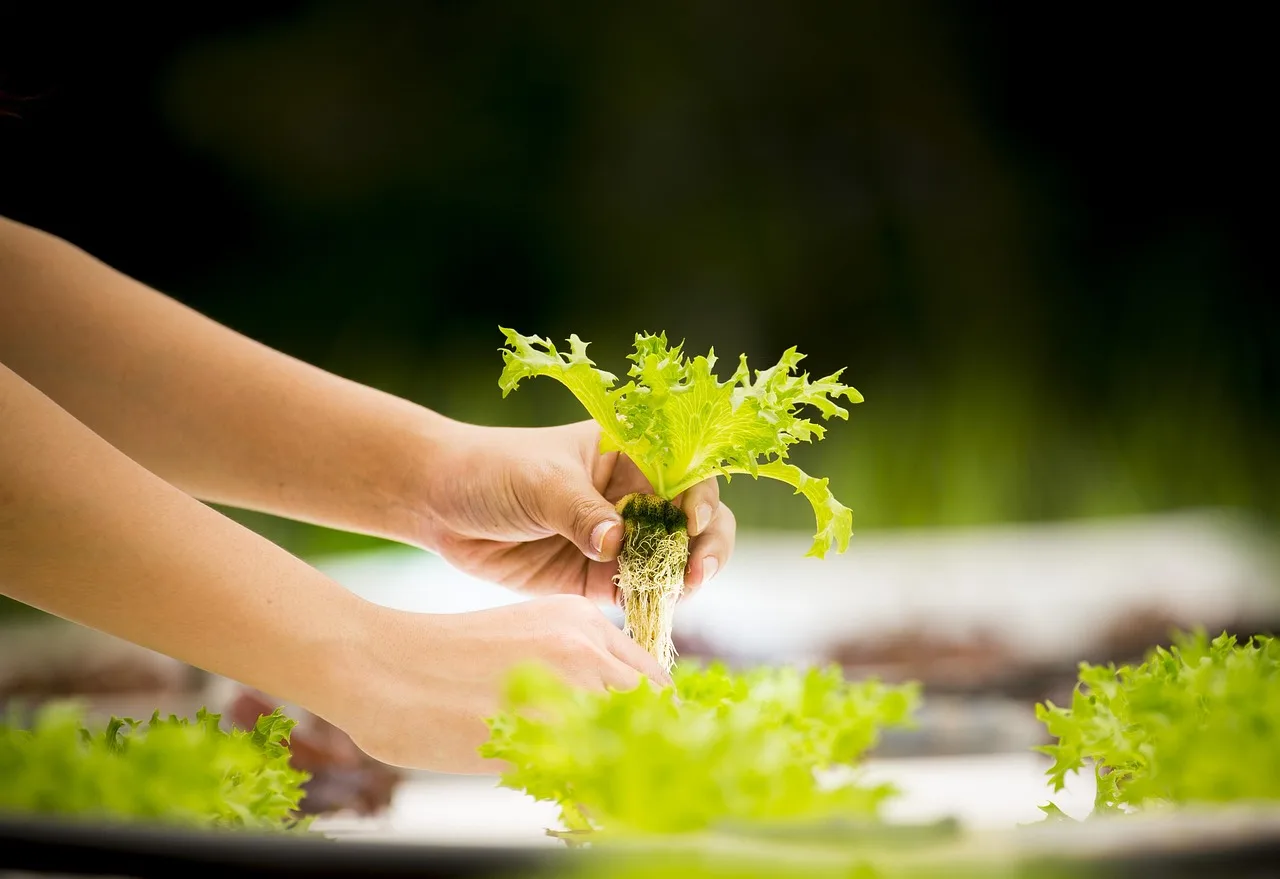

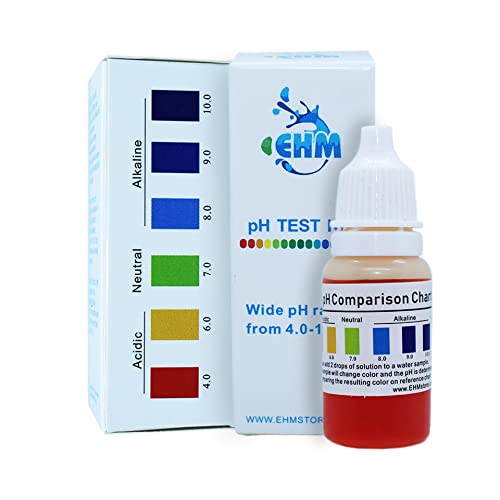

Hydroponics grows plants without soil. Roots sit in water with dissolved minerals the plant can absorb directly, so the nutrient solution does the job potting mix usually would. That shifts the beginner’s focus from soil quality to water level, pH, light, and oxygen.
What changes when plants grow without soil
In a soil pot, the mix buffers some mistakes. In hydroponics, the solution and the root zone are more exposed, so small errors show up faster. If pH drifts too far, nutrient uptake slips. If roots lose oxygen, growth slows and tissue can soften.
Why nutrient solution matters more than potting mix
The nutrient solution contains the minerals plants need and it must match crop needs. It also needs regular monitoring and adjustment because plants remove water and minerals at different rates. A digital pH meter is a useful early tool because it gives a fast reading and helps keep most hydroponic plants in about the 5.5-6.5 range.
Where beginners usually go wrong first
Most first-timers choose a system that needs more attention than they expected, then skip basic checks. The usual misses are low light, weak oxygenation, and letting the reservoir run low. A setup that looks simple on paper can still fail if you ignore the root zone for several days.
Which beginner system fits your space?
The easiest system is the one you can keep stable. If you want the fewest moving parts, Kratky is the simplest. If you want active oxygenation and a little more control, DWC is the usual next step. Wick, NFT, ebb and flow, and drip all work, but they ask for different levels of space, budget, and attention.
Kratky for the simplest passive setup
Kratky is passive and has no pump. That makes it a strong match for a windowsill, shelf, or small corner where you want minimal maintenance. It suits leafy greens and some herbs better than thirsty or large plants, because the water level changes as the plant grows and the root zone must stay manageable.
DWC for a small active setup with an air pump
Deep water culture uses an air pump and an air stone to oxygenate roots. It is still beginner-friendly, but it adds electricity and one more part that can fail. DWC works well when you can keep a reservoir steady and want a more forgiving option than a passive jar for a small indoor grow.
Wick, NFT, ebb and flow, and drip at a glance
Wick systems draw solution up with a fabric wick, so they stay simple but move liquid slowly. NFT uses a thin film of solution through channels, which makes it efficient but more dependent on good flow. Ebb and flow floods on a timer and then drains. Drip systems feed plants through small lines, which gives flexibility but more parts to manage.
Hydroponic beginner decision matrix
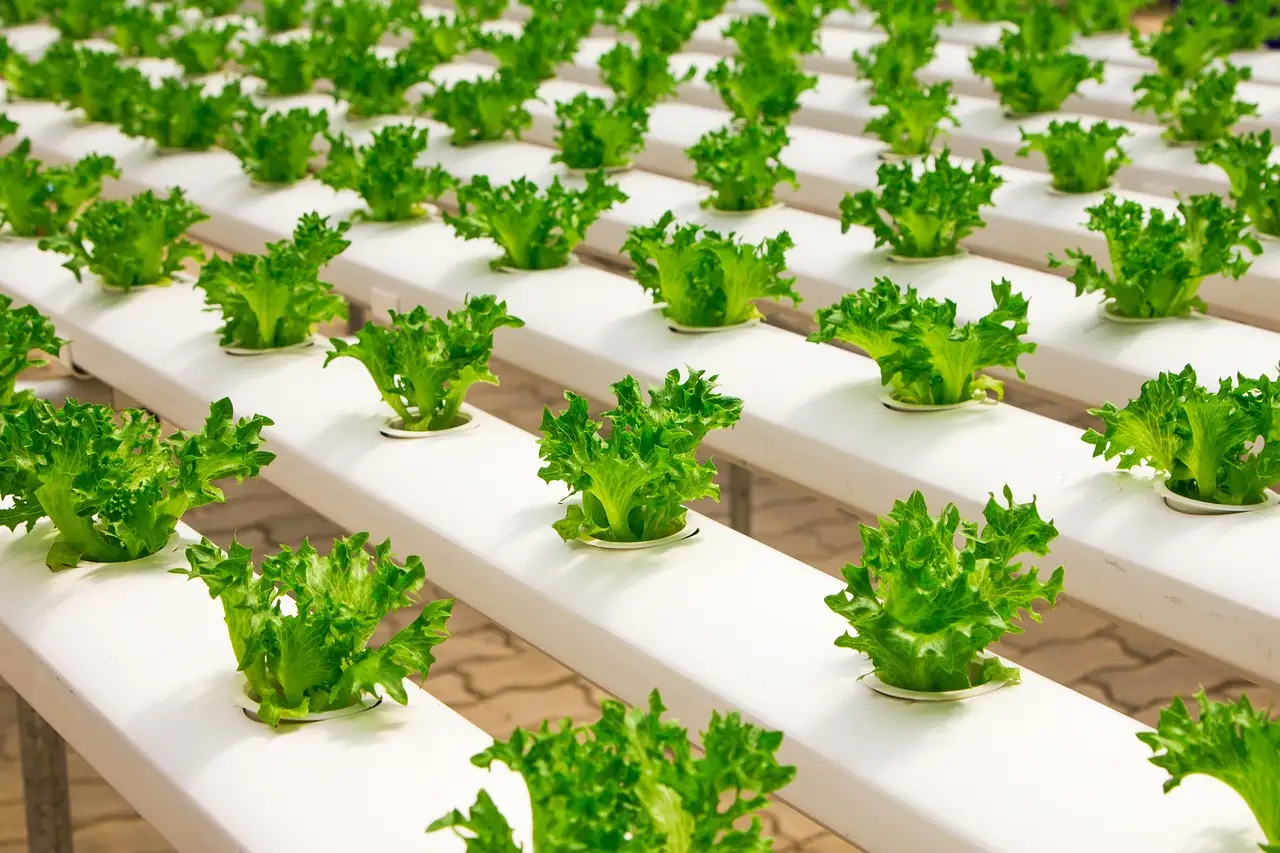
This table is the quickest way to match a first setup to your space, budget, upkeep tolerance, and crop choice. Use it before buying anything. If more than one row fits, start with the lower-maintenance option.
| System | Space fit | Budget fit | Upkeep tolerance | Best crop match |
|---|---|---|---|---|
| Kratky | Countertop, shelf, small window area | Lowest | Low attention; few parts | Lettuce, spinach, kale, basil |
| DWC | Small indoor floor space or sturdy tabletop | Low to moderate | Moderate; needs pump checks | Leafy greens, basil, mint |
| Wick | Very small indoor space | Lowest | Low, but slower growth | Small herbs, light-feeding greens |
| NFT | Longer shelf or rack with level support | Moderate | Higher; flow must stay steady | Leafy greens, some herbs |
| Ebb and flow | Bench or tray with room for plumbing | Moderate | Higher; timer and drain cycle matter | Greens, herbs, some starter transplants |
| Drip | Flexible, from shelf to larger indoor space | Moderate to higher | Higher; lines and emitters need checks | Multiple plants, mixed small crops |
For an apartment or a small kitchen, Kratky or a countertop hydroponic growing system is usually the least complicated path. For a low-light room, plan on grow lights from the start. For a low-budget start, wick or Kratky keeps the parts list short. For low-attention growing, avoid systems with timers, pumps, or narrow channels until you know you will check them often.
Say your only free spot is a kitchen shelf and you want lettuce for salads. A Kratky jar fits that space and keeps the setup simple. Say you have a spare table but can check equipment every day. DWC gives you oxygenation and a little more control, but only if you are willing to watch the reservoir and pump.
What equipment do you need first?
Start with the parts that keep water stable and roots supported. The core list is a reservoir, net cups or another support container, nutrient solution, and a way to measure pH. Add lights only when natural light is not enough, and add an air pump only when the system needs active oxygenation.
Reservoir, net cups, and support media
The reservoir stores nutrient solution and feeds the system in active setups. Net cups hold the plant in place while roots reach the water or channel. Support media such as clay pebbles or similar inert material can help anchor seedlings, but the exact choice matters less than keeping roots supported without packing them tightly.
Nutrient solution and measuring tools
Hydroponic nutrient solution should be chosen for the crop you want to grow. Fast leafy crops do not need the same mix as heavier feeders. A digital pH meter is worth buying early because it gives a fast reading, and pH should stay between 5.5 and 6.5 for most hydroponic plants.
pH meter, lights, and air pump basics
Grow lights are needed when natural light is insufficient, which is common in indoor hydroponic setups. In DWC, the air pump and air stone oxygenate the roots and help prevent low-oxygen stress. If you choose Kratky, you can skip the pump, but you still need to keep the solution level and pH in range.
What plants grow best in hydroponics for beginners?
Leafy greens and herbs are common first crops. They grow faster, stay compact, and are easier to manage than many fruiting crops. Root vegetables are not all suitable for hydroponics, and some are a poor fit for beginners because they need more room, more stability, or a longer timeline.
Leafy greens: lettuce, spinach, and kale
Lettuce, spinach, and kale are the safest place to start. They do well in simple systems, handle indoor light better than demanding crops, and let you learn pH and nutrient control without a long wait. They also make it easier to spot early problems because leaf color changes quickly when conditions drift.
Herbs: basil, mint, and cilantro
Basil, mint, and cilantro adapt well to hydroponics and fit small systems. Basil is a common first crop because it grows quickly and stays manageable. Mint can be vigorous, so give it its own space if possible. Cilantro is useful for learning because it shows stress when light or temperature is off.
Why most root vegetables are harder for beginners
Not all root vegetables are suitable for hydroponics. Some need deeper containers, stricter temperature control, or more root volume than a beginner setup can give. They are better left for later, after you can keep water, oxygen, and pH stable through a full grow cycle.
Hydroponic starter checklist
This checklist covers the opening few weeks without mixing in later troubleshooting. Use it as a buy-now, do-next guide. Get the core gear first, then add extras only if your crop and system demand them.
| Stage | What to do | What to watch |
|---|---|---|
| Day 1 setup | Fill reservoir, mix nutrient solution, place seedlings, set light height | Leaks, poor support, weak light coverage |
| Days 2-7 | Check pH, inspect water level, confirm roots stay wet but not crowded | Leaf droop, pale growth, cloudy solution |
| Days 8-14 | Top up nutrient solution as needed, repeat pH check, confirm lights run consistently | Slow growth, burnt leaf tips, root discoloration |
| Days 15-21 | Inspect reservoir level more often, clean any film from surfaces, adjust light if stretching appears | Long stems, weak color, foul smell |
| Days 22-30 | Refresh nutrient solution if it has drifted or become unstable, keep pH in range, review root health | Brown roots, slimy texture, wilting |
- Set the reservoir on a stable surface.
- Mix nutrient solution according to the crop label or kit guide.
- Check pH with a digital meter before planting.
- Place seedlings in net cups or another support.
- Set lights close enough for strong growth, but not so close that leaves heat up.
- Inspect the water level daily at first.
- Top up with fresh solution or water as your system requires.
- Watch roots for color, smell, and texture changes.
A common first-timer mistake is waiting until a plant looks bad before checking the reservoir. By then, a low level or pH drift may have been in place for several days. A better routine is a short daily glance and a full pH check on a regular schedule during the first month.
How do you avoid the most common failures?
Preventing failure starts with oxygen, stable water, and a backup plan for interruptions. Root rot usually begins when roots sit in stale, low-oxygen solution for too long. Pump failure and power outages matter most in active systems, where water movement and oxygenation depend on electricity.
Root rot and low-oxygen stress
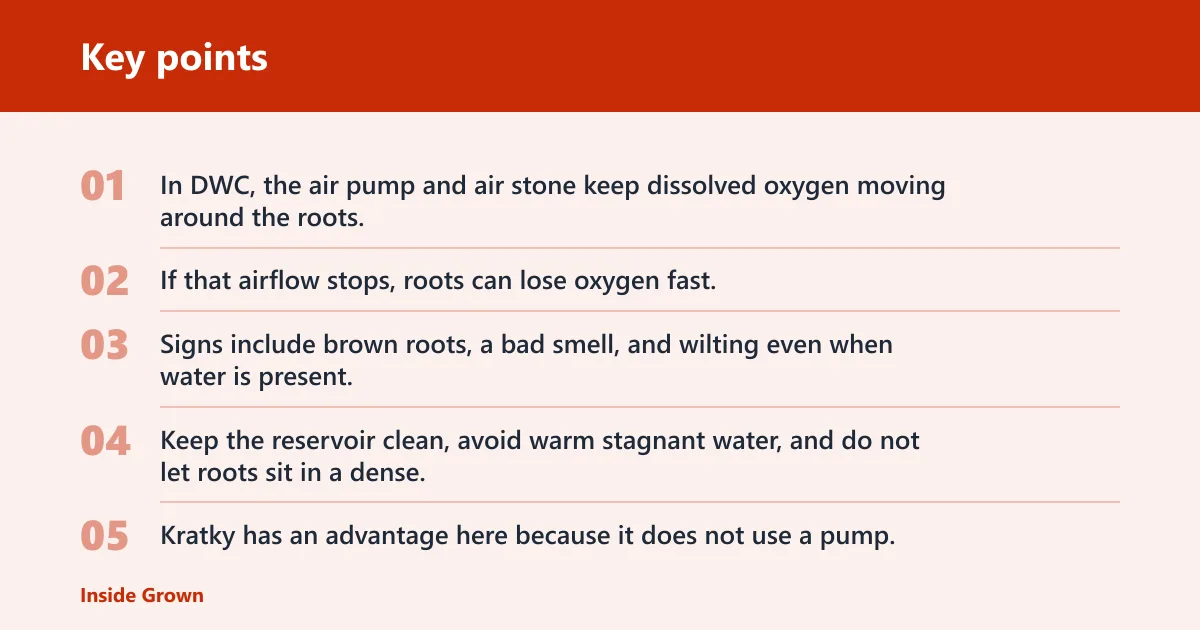
In DWC, the air pump and air stone keep dissolved oxygen moving around the roots. If that airflow stops, roots can lose oxygen fast. Signs include brown roots, a bad smell, and wilting even when water is present. Keep the reservoir clean, avoid warm stagnant water, and do not let roots sit in a dense, crowded mass.
Pump failure and power outage planning
Kratky has an advantage here because it does not use a pump. DWC, NFT, ebb and flow, and drip all need some kind of active movement or timed delivery, so a pump or timer failure can dry roots or starve them of oxygen. For any active setup, keep the system simple, check cords and outlets, and know what happens if power cuts out for several hours.
Nutrient imbalance, light problems, and heat
If nutrient levels are off, leaves may pale, curl, or burn at the tips. If light is weak, stems stretch and growth slows. If heat runs high, water can warm and oxygen levels can fall. Most hydroponic plants prefer temperatures between 65-75°F, so a hot room can make a simple setup behave badly.
Suppose a small DWC bucket sits in a warm apartment and the air pump stops overnight. The water can still look fine in the morning, but the roots may already be stressed. In that case, restart oxygenation quickly, inspect the roots, and check whether the solution smells stale before adding more nutrient.
Frequently asked questions
How do I start hydroponic gardening as a beginner?
Choose one easy system, one crop, and one light source before you buy anything else. A Kratky jar or DWC bucket is a sensible first step. Keep the plan narrow, start with leafy greens or herbs, and check pH and water level on a regular schedule during the first month.
What is the easiest hydroponic system for beginners?
Kratky is usually the easiest because it is passive and has no pump. That keeps the parts list short and the setup simple. If you want more oxygenation and do not mind extra equipment, DWC is the next practical option for many beginners.
What pH should hydroponic water be?
For most hydroponic plants, keep solution pH between 5.5 and 6.5. Use a digital pH meter because it gives a fast reading and makes routine checks easier. If pH drifts out of range, nutrient uptake can slip even when the reservoir still looks full.
How often should I change hydroponic nutrient solution?
There is no single schedule for every setup. Check the reservoir often and refresh the solution when it becomes unstable, heavily used, or visibly dirty. In the first 30 days, top up as needed and watch for pH drift, then replace the solution if the crop or system starts showing stress.
Do I need a pump for a beginner hydroponic setup?
Not always. Kratky is passive and does not use a pump, which makes it the simplest option. DWC uses an air pump and air stone to oxygenate roots, so it needs electricity and a little more oversight. NFT, ebb and flow, and drip also depend on active movement or timing.