Gardening Techniques for Low-Light Indoor Gardening
Match the plant to the dimmest usable spot, use a pot with drainage and a fast-draining mix, then water only when the top 1 to 2 inches are dry. Ignore that system, and low-light plants usually rot, stretch, or drop leaves. This guide covers light checks, potting choices, and watering rhythms that keep low-light indoor plants alive.
Match light to plants and set up drainage


The best technique is to treat light, potting, and watering as one system. Low light for plants means not enough light for photosynthesis, and the exact threshold depends on the plant and the spot. North-facing windows are often a low-light example, but orientation alone does not determine usable light intensity.
Start by measuring the dimmest spot at canopy height, then match the plant to that band. A room with one bright corner and several darker corners needs placement decisions, not guesswork. Slow growth is normal in low light, but collapse, rot, and leggy stems are avoidable.
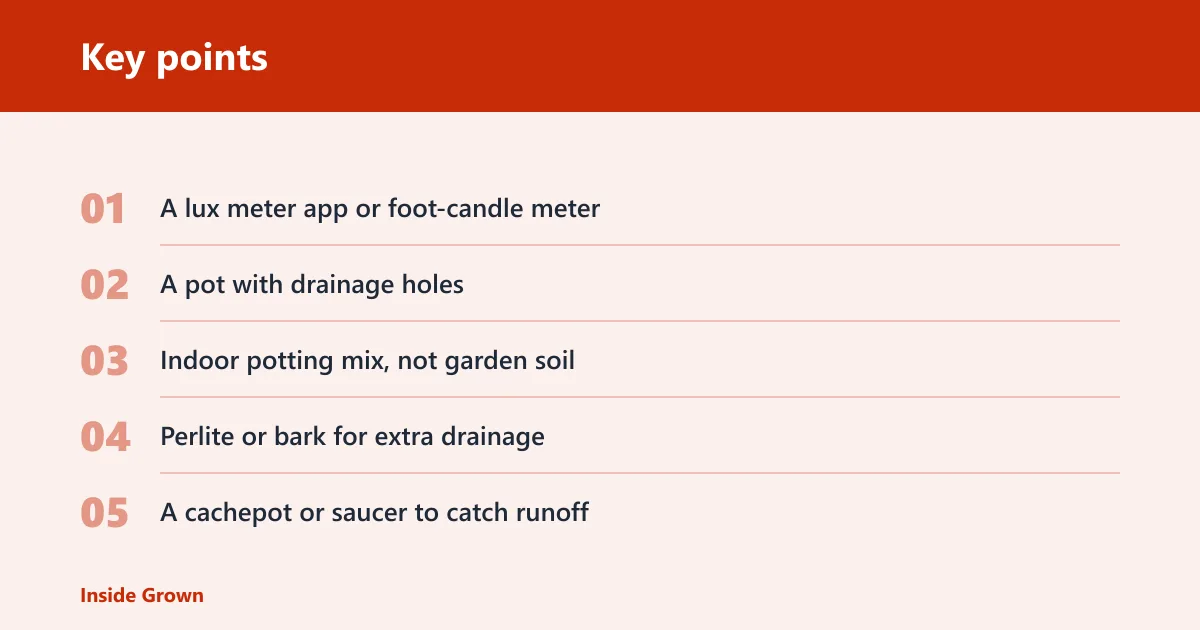
What you’ll need
- A lux meter app or foot-candle meter
- A pot with drainage holes
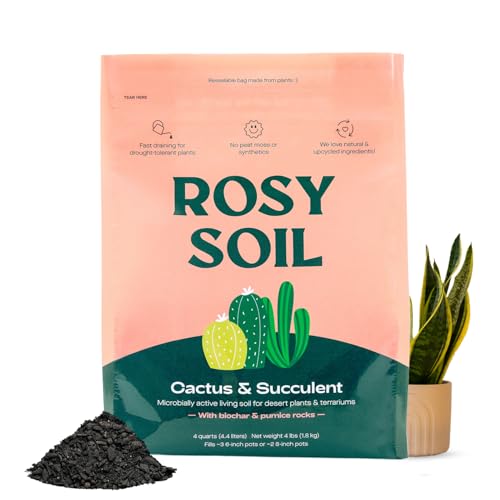
- Indoor potting mix, not garden soil
- Perlite or bark for extra drainage
- A cachepot or saucer to catch runoff
- An LED grow light with a timer, if needed
- A way to check soil dryness with your finger
How to set up the space
- Measure the light at plant height in the dimmest spot.
- Choose the plant for that reading, not for the room label.
- Repot into an inner pot with drainage holes.
- Fill with an indoor potting mix amended for airflow.
- Set the saucer or cachepot so runoff never pools around roots.
- Water only after the top 1 to 2 inches feel dry, then recheck after drainage.
How much light is low light for indoor plants?
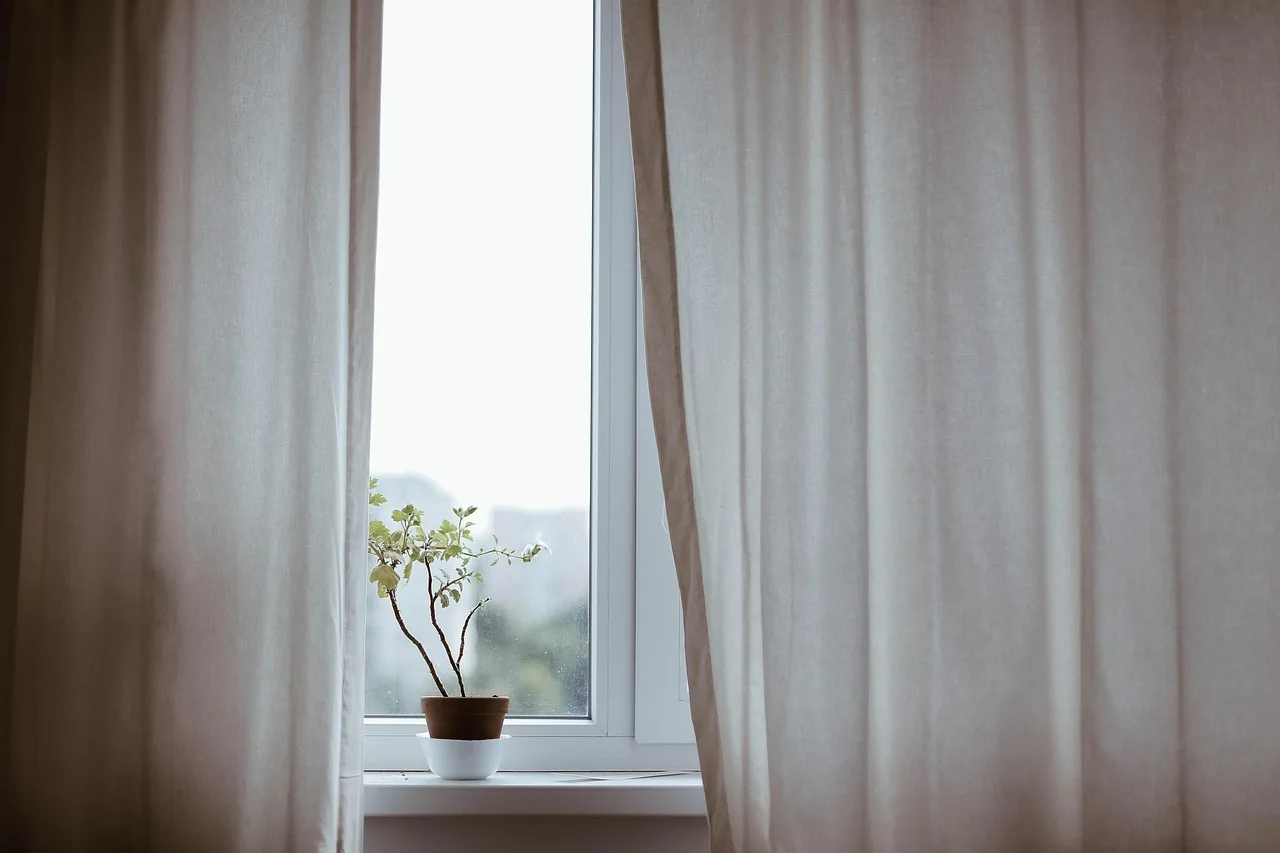
Low light indoors usually means a band where the plant can survive but not grow fast. Use a lux meter app or a foot-candle meter at canopy height before buying the plant. If a spot is dim enough that you can read comfortably but the room still feels muted, it is often in the low-light range.
Split the room into three practical bands. Dim spaces have enough natural light for tolerant plants. Very dim spaces need stricter watering and the toughest species. Artificial-only spaces need LEDs because natural light is too weak or too far from the plant to keep growth steady.
| Light band | Plant type | Pot and drainage rule | Watering trigger | Light-measurement method |
|---|---|---|---|---|
| Dim | Snake plant, pothos, peace lily | Pot with drainage holes; indoor potting mix with perlite | Top inch dry | Lux meter app at canopy height near the window |
| Very dim | ZZ plant, cast iron plant | Drainage holes plus a shallow saucer; avoid oversized pots | Top 2 inches dry before watering | Foot-candle meter or app repeated in morning and afternoon |
| Artificial-only | Snake plant, pothos, spider plant under LEDs | Drainage holes and a fast-draining mix only | Top inch dry; check more often under lights | Lux meter app plus timer settings for the fixture |
Which houseplants do best in low light?
Shade-tolerant houseplants are the safest starting point. Snake plant tolerates low light and needs minimal maintenance. ZZ plant is described as nearly indestructible and is often watered every two to three weeks. Pothos can grow in water or soil, which makes it forgiving in mixed-light homes.
Peace lily, cast iron plant, and spider plant also fit dim spaces better than sun-lovers. Match the plant to the band, not the label. A spider plant in a very dim corner may survive, but it will usually decline faster than the same plant near a brighter window or under LEDs.
Plant-to-band guide
- Dim: pothos, peace lily, snake plant
- Very dim: ZZ plant, cast iron plant
- Artificial-only: snake plant, pothos, spider plant with LED support
Say your pothos sits three feet from a north-facing window and the meter shows the lower end of the low-light range. Keep it in a drainage pot, water after the top 1 to 2 inches dry, and expect slower vine growth rather than a problem. If the stems start stretching between leaves, move it closer to the window or add light.
What soil mix is best for low-light houseplants?
Use indoor potting soil, not garden soil. Low light slows drying, so roots stay wet longer than they would in a bright room. A well-draining potting mix amended with perlite or bark gives air spaces around the roots and lowers the chance of soggy soil.
That matters most in cachepot setups. If the nursery pot sits inside a decorative outer pot, the inner pot still needs drainage holes. Empty runoff after watering. Standing water at the bottom of a cachepot is a common route to root rot.
Simple mix rule
- Use a standard indoor potting mix as the base.
- Add perlite or fine bark to improve drainage.
- Skip garden soil, which compacts too tightly indoors.
- Choose a smaller pot if the root ball is still modest.
How often should you water indoor plants in low light?
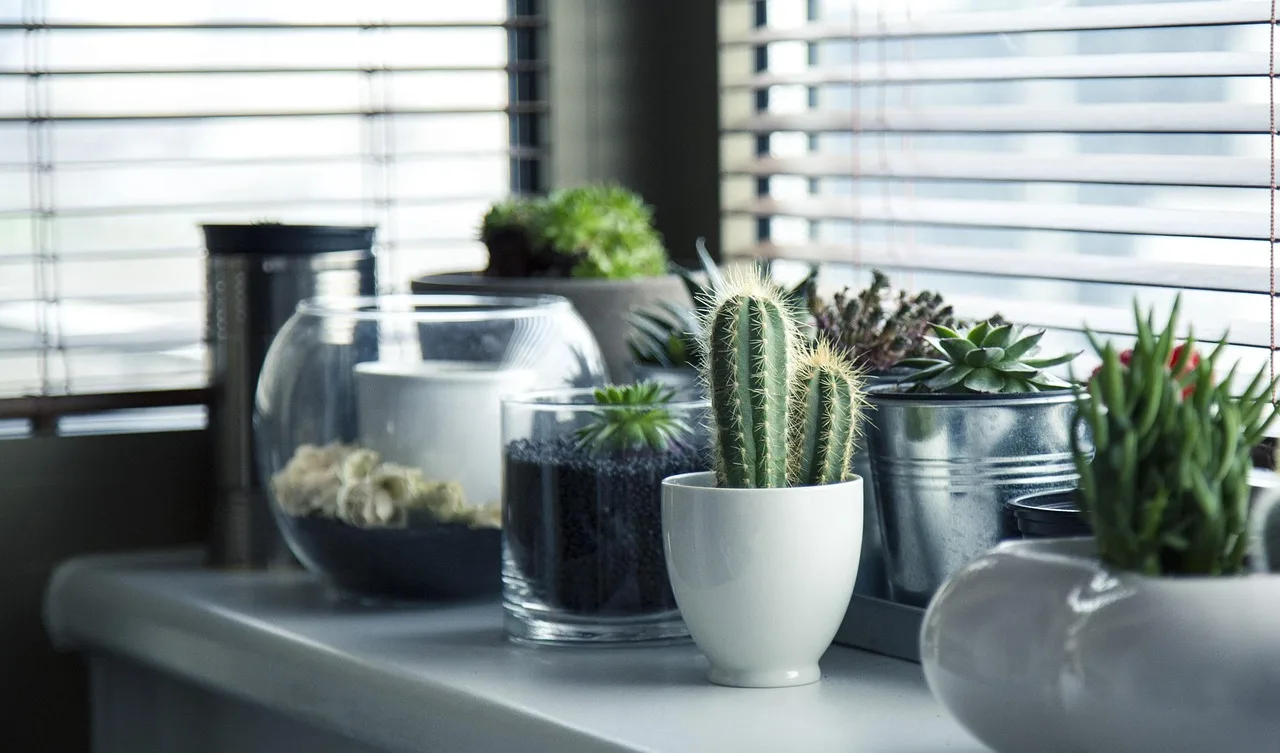
Watering is generally less frequent than in brighter light. The usual trigger is dry soil, not the calendar. Check the top 1 to 2 inches with a finger. Overwatering is the most common failure in low light.
Use the pot as part of the schedule. Drainage holes let excess water leave the root zone, and a fast-draining mix shortens the wet period after watering. Most low-light indoor plants prefer about 60 to 75°F, so keep them away from drafty windows, radiators, and HVAC vents that change drying speed from day to day.
If a pot stays wet too long
- Stop watering until the mix dries visibly and by touch.
- Slide the nursery pot out of any cachepot and empty runoff.
- Check for sour smell, soft stems, or black roots.
- Trim mushy roots with clean scissors and repot into fresh mix.
- Resume watering only after the top 1 to 2 inches dry again.
Suppose a peace lily in a hallway is still wet after ten days because the room has no bright window. Move it to a better-draining mix, keep it in a pot with drainage holes, and cut back to a dry-soil trigger. If the room remains dark, add a light rather than adding more water.
Do low-light indoor plants need grow lights?
Use LED grow lights when natural light falls below the plant’s needs. They are not a luxury in artificial-only spaces. A supplemental-light setup should stay consistent enough to support steady growth without overexposing the plant.
For a shelf light, use a setup that keeps the plant under even coverage. For a bulb setup, position the fixture so the canopy gets enough light without overheating. Start farther away if the fixture is strong, then move closer only if the plant still stretches. Use a timer so the schedule stays consistent.
When LEDs are the right call
- The meter stays below the plant’s needs in the chosen spot.
- The room has no window or only a tiny amount of indirect light.
- Leaves stretch toward the nearest opening.
- Growth stops for weeks despite normal watering and temperature.
Low-light indoor gardening setup checklist
This one-page checklist separates the room by light band so you can match the plant, the pot, and the watering rhythm. Use it before you buy another plant. The right setup is more reliable than trying to rescue the wrong plant in the wrong corner.
| Band | Quick check | Plant choice | Potting setup | Water rule | Light action |
|---|---|---|---|---|---|
| Dim | North-facing window or muted room | Snake plant, pothos, peace lily | Drainage holes; indoor mix plus perlite | Water when top inch is dry | Measure at canopy height before placing plant |
| Very dim | Far from windows, but not windowless | ZZ plant, cast iron plant | Smaller pot; drainage holes; avoid dense soil | Wait for top 2 inches to dry | Recheck light in morning and afternoon |
| Artificial-only | No usable natural light | Pothos, snake plant, spider plant under LEDs | Drainage holes and fast-draining mix only | Water by dryness, not by date | Run LED lights 10 to 12 hours daily |
Common mistakes
Low-light plants fail for a few repeatable reasons. The most common is overwatering, followed by the wrong soil and ignoring stretch growth. Fix those three first. A plant can also look unhappy because the room is too cool or too dry, not because it needs more water.
Humidity is usually a secondary issue. Low humidity can cause crispy leaf tips, and grouping plants or using a humidifier helps more than occasional misting. Misting can support the leaves briefly, but it does not change the room for long. Keep plants away from direct draft from heaters and air conditioners.
What to correct first
- Leggy stems: move the plant closer to light or add LEDs.
- Yellowing leaves: check soil moisture and drainage before adding water.
- Soft stems or sour soil: repot into fresh, well-draining mix.
- Brown tips: check humidity and airflow, then review water frequency.
Frequently asked questions
What are the best gardening techniques for low-light indoor gardening?
Start with a light reading at canopy height, choose a shade-tolerant plant for that band, and use a pot with drainage holes plus a well-draining mix. Water only when the soil dries at the top, and add LEDs when the spot cannot support the plant on natural light alone.
Can houseplants survive in a room with no windows?
Yes, but only with supplemental light. Put the plant under an LED grow light on a timer, then keep the potting mix fast-draining and the watering rhythm conservative. Without that setup, most low-light plants will decline rather than hold steady.