Best Small Plants for Miniature Displays (2026): research shows
The best small plants for miniature botanical garden displays match a clear job: 1 focal point, 2 to 3 fillers, 1 edge-softener, and 1 texture plant, selected for slow growth and fine-scaled leaves that stay readable in a tight scene. Without that balance, the display looks like a pot of random seedlings, and fast growers quickly take over the design. This guide covers plant picks by display role, plus what to buy for containers, trays, and tiny beds.
Quick comparison
| Product | Badge | Best for | Price | ||
|---|---|---|---|---|---|
 | Acrylic Display Case for Lego 10329 Tiny Plants 21342QUKAJI | Pair with it | Acrylic case for Lego 10329/21342 models | $45.99 Price as of 10 Oct 2026 | View |
 | Brussel’s Bonsai – Small Ficus Live Bonsai Tree, PottedBrussel’s Bonsai | Our pick | Live Ficus bonsai in potted container | $20.77 Price as of 10 Oct 2026 | View |
 | Briful Mini Fake Plants 4 Packs Succuletns ArtificialBriful | Budget pick | 4-pack artificial succulents in glass vases | $9.99 Price as of 10 Oct 2026 | View |
 | 14 Pcs Miniature Fairy Garden Accessories 1/12 MiniaturePamonrueer | Also great | 14-piece 1:12 scale miniature gardening tools | $15.99 Price as of 10 Oct 2026 | View |
 | TerraGreen Creations Succulent Planter Kit – Terrarium KitTerraGreen Creations | Pair with it | Terrarium kit with soil and gravel | $19.95 Price as of 10 Oct 2026 | View |
The safest all-around pick is Dwarf Mugo Pine because it stays compact, reads like a true miniature tree, and works from full sun to partial shade. The most selective plants are Irish Moss and Miniature Roses; both can be excellent, but only when light and moisture are matched very closely.
How we chose
The key question is not just whether the plant is small enough, but whether it can hold scale in a scene that may be fairly small.
- Mature size and growth speed: a good miniature plant should not demand constant pruning.
- Display role: focal point, midground structure, filler, edge-softener, or texture plant.
- Light and moisture match: sun, partial shade, shade, and indoor light each narrow the field.
- Failure risk: fast spreaders, moisture mismatch, and plants that outgrow scale.
- Hardscape fit: rocks, paths, and faux water should suit the plant’s form.
Say your tray has a pebble path, one flat stone, and a shallow “pond” made from blue glass. A spreading groundcover can look right at the path edge, but the same plant can swallow the stone border in a month if it grows too vigorously.

Dwarf Mugo Pine: best for a compact evergreen center point
- Compact size fits desks and shelves
- Arrives planted in a bonsai pot
- Easy care with bright light and watering
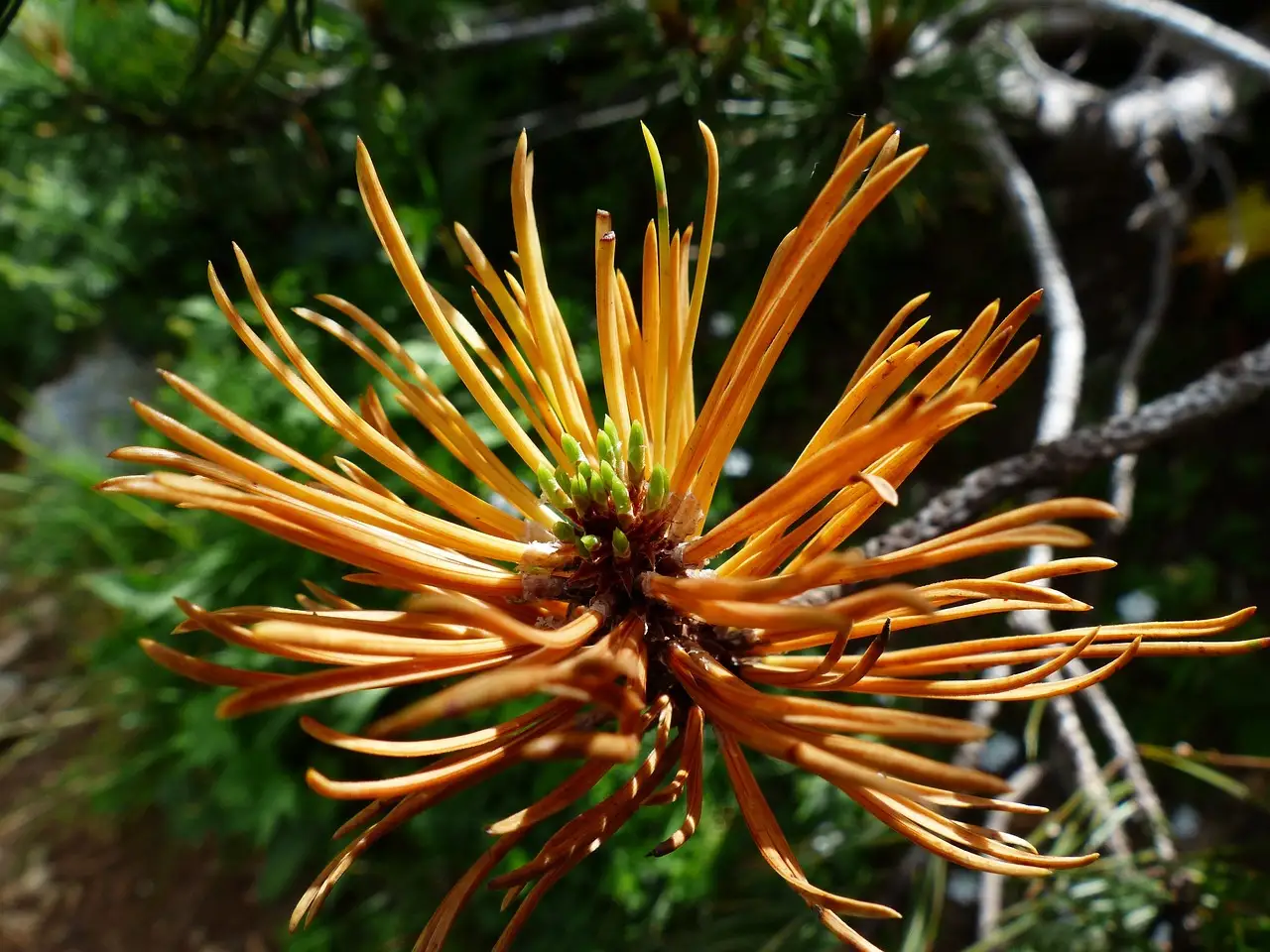
Dwarf Mugo Pine is the top all-around choice for a center point because it is a compact evergreen and suits full sun to partial shade. It gives a miniature garden the look of a real tree, not a houseplant that happens to be small.
Use it as the anchor in an outdoor tray, a mixed porch display, or a sunlit container with rocks around the base. It pairs well with a short path and lower groundcovers, since the plant’s form reads as structure rather than filler.
The drawback is simple: it still needs well-drained soil and moderate watering, and it can look forced if the container is too shallow or too crowded. If the design cannot support a tree-like focal point, choose a lower plant instead.
Pixie Dwarf Alberta Spruce: best for vertical structure in a tiny layout
- Includes shovels, rakes, and pitchforks
- Designed for 1:12 scale fairy gardens
- Adds detail to miniature pastoral scenes
Pixie Dwarf Alberta Spruce works when the layout needs height without a large footprint. It is a cone-shaped tree that grows slowly, so the silhouette reads clearly in a small scene.
Place it at the back of a 3-zone layout or beside a path entrance where one upright form can set the scene. It is especially useful when the rest of the planting is low and mounded, because the cone shape keeps the composition believable.
The drawback is that this is not a casual filler. Slow growth helps, but the plant still needs enough root room and careful drainage, and the form can look cramped if wedged too close to rocks or other upright features.
Miniature Roses: best for a flowering centerpiece in full sun
Miniature Roses suit a display that needs a flowering focal point in full sun. They bring the color and petal detail that many miniature scenes miss, especially in a container where one bloom cluster can read clearly at small scale.
They work well in a front-yard style tray, a patio planter, or a mini formal bed with clipped edges. Keep the soil evenly moist and well-drained, and give the plant enough air so the flowers do not sit against hardscape and trap humidity.
The drawback is maintenance. Roses are not the easiest choice if the display dries fast or the light is weak, and they can lose their neat look if they are pushed into shade or neglected between waterings.
Creeping Speedwell: best for gaps between rocks and paving stones
- No maintenance required for fake plants
- Includes four assorted mini succulents
- Fits small spaces without occupying much room
Creeping Speedwell is the best gap-filler when the design needs a low plant that can thread between stones. It can fill gaps between rocks or paving stones, which makes it useful for paths, patio edges, and mini rock gardens.
Its job is to soften hard edges without hiding them. The plant adds a small-scale ground layer, and the golden foliage and flowers can help a tiny display feel planted rather than built.
The drawback is spread. Fast groundcovers can overrun a tiny scene, so this plant works best where you can trim the edges or where the hardscape gives it a clear boundary.
Irish Moss: best for a faux lawn and soft stone edges
- Includes charcoal and U.S. pea gravel
- Bioactive soil made in the USA
- Contains preserved moss for terrariums
Irish Moss is the best choice when you want a cushion-like surface that looks like a faux lawn. It prefers bright, indirect light and rich, moist soil, and it softens rocky features better than a stiff, upright plant does.
Use it around a pond edge, at the base of a stone arch, or in a tiny “meadow” section where a smooth green carpet makes the rest of the scene read as larger. It is especially effective when the display needs a gentle foreground.
The drawback is moisture sensitivity. Let it dry too far and the cushion thins; keep it too wet and the planting can decline. It is one of the most useful miniature textures, but it is not the most forgiving.
Dwarf Mondo Grass: best for low, tough shading around paths
Dwarf Mondo Grass is a low groundcover with short, thick bunches and a low growth habit. It grows best in partial shade to shade, which makes it useful for dimmer miniature scenes and for edging a path where sun-loving plants would struggle.
It is a good answer when the display needs a dark, grassy texture without a lawn mower effect. It can frame stepping stones, sit under a small shrub, or fill a shaded corner that would otherwise look bare.
The drawback is that it does not solve every layout. In brighter sites it may stall, and if the scene needs a soft, cushiony look, Irish Moss may be a better fit.
Serissa foetida: best for a small flowering shrub in moist, well-draining soil
Serissa foetida fits mixed indoor and outdoor miniature gardens when the design needs a small flowering shrub. It prefers moist, well-draining soil and partial sun, so it works best where light is bright but not harsh.
This plant has enough shrub form to serve as a midground piece between a tree-like focal point and low groundcovers. It also brings flower detail to a miniature scene without the bulk of a full-size shrub.
The drawback is that it is less forgiving than many low groundcovers. If moisture swings too far in either direction, the display can suffer, so it suits gardeners who can water on schedule.
Mexican Heather: best for tiny foliage and long flowering in heat
Mexican Heather gives a miniature garden tiny green leaves, purple and white flowers, and a full, but not bulky, shrub form. It is heat tolerant and grows in full sun or partial shade, which makes it a strong candidate for warm patios and bright mixed beds.
It works well as a midground plant where the scene needs color but not a large bloom. The fine foliage reads at miniature scale and helps connect larger stones or a path to the main plant.
The drawback is that it is not a true background plant for cramped trays. It can still outgrow a very small display if you overpack the scene, so give it room to keep its shape.
A plant-placement matrix for miniature scenes
This matrix separates role from size. That matters more than the catalog label “miniature.” A plant can be short and still be the wrong choice if it spreads too fast, needs the wrong light, or hides the hardscape.
| Plant | Display role | Mature look | Light level | Moisture tolerance | Failure risk |
|---|---|---|---|---|---|
| Dwarf Mugo Pine | Focal point | Compact evergreen | Full sun to partial shade | Moderate watering; well-drained soil | Low if root room is adequate |
| Pixie Dwarf Alberta Spruce | Vertical structure | Slow-growing cone-shaped tree | Full sun | Well-drained soil | Medium if the layout is too tight |
| Miniature Roses | Flowering centerpiece | Compact flowering plant | Full sun | Keep soil consistently moist | Medium if light or water drops off |
| Creeping Speedwell | Filler, edge-softener | Low spreading groundcover with golden foliage and flowers | Partial sun | Well-drained soil | High if it spreads unchecked |
| Irish Moss | Faux lawn, softener | Cushion groundcover | Bright indirect light | Rich, moist soil | Medium to high if soil dries |
| Dwarf Mondo Grass | Texture, low edge | Short, thick bunches | Partial shade to shade | Moderate; avoid drying out | Low in the right light |
| Serissa foetida | Midground flowering shrub | Small flowering shrub | Partial sun | Keep consistently moist | Medium if watering is uneven |
| Mexican Heather | Midground texture and color | Evergreen shrub with tiny leaves | Full sun or partial shade | Heat tolerant; moderate water | Medium in very small trays |
A simple 3-zone layout for a 12- to 24-inch display
Zone 1: focal point. Put one Dwarf Mugo Pine or one Pixie Dwarf Alberta Spruce slightly off-center. That gives the eye a place to land.
Zone 2: midground. Add one small flowering plant, such as Serissa foetida or Miniature Roses, near a rock or path bend. This keeps the middle of the scene active without crowding the center.
Zone 3: foreground and edges. Finish with Creeping Speedwell, Irish Moss, or Dwarf Mondo Grass around the base and along the border. Use one texture plant, not three, or the scene starts to look busy.
- Place the tallest plant first.
- Add one midground flowering plant.
- Fill the open soil with one low groundcover.
- Set rocks, a narrow path, or a faux water feature after the plants, then check the sightline.
Picture a 16-inch tray with a pale stone path crossing the front corner. If Irish Moss covers the whole base, the path disappears. If it is used only as a thin lawn strip beside one rock, the path and the plant both stay readable.
Which one should you buy first?
If you want one plant that works in the widest range of miniature scenes, start with Dwarf Mugo Pine. If the display is sunny and you want color, choose Miniature Roses. If the layout is shaded, Dwarf Mondo Grass is the safer first buy.
Best pick for beginners
Dwarf Mugo Pine is the most balanced starter because it is compact, clearly tree-like, and less likely than a spreader to take over the scene. Beginners still need to watch drainage and spacing, but the role is easy to understand.
Best pick for sunny containers
Miniature Roses are the strongest choice when the container gets full sun and the gardener wants a flowering centerpiece. If the pot stays dry between waterings, though, the plant will not keep its best shape for long.
Best pick for shade or indoor use
Dwarf Mondo Grass is the simplest answer for shade, and Serissa foetida can work indoors if moisture and light stay steady. Indoors is still the harder setting; low light and dry air shrink the list fast.
Best pick if you want the most realistic miniature tree look
Pixie Dwarf Alberta Spruce gives a clean cone shape, while Dwarf Mugo Pine reads more like a natural, weathered evergreen. For most miniature botanical scenes, Dwarf Mugo Pine feels more believable as a center point because it looks like a true small tree rather than a clipped topiary.
Common failure cases to avoid
Fast-spreading groundcovers are the most common problem. A plant can be the right color and still be the wrong scale if it reaches over rocks, hides a path, or swallows the edge of the tray.
Moisture mismatch is the next issue. Irish Moss wants rich, moist soil, while a sun-baked container can dry in a day. A plant chosen for the right look can still fail if the water needs do not match the setting.
Which plants stay truly small without constant pruning?
The most reliable small growers are the ones with naturally compact habits: Dwarf Mugo Pine, Pixie Dwarf Alberta Spruce, and Dwarf Mondo Grass. These hold their form better than quick spreaders, so you spend less time cutting them back just to preserve scale.
That said, “small” does not mean maintenance-free. Even slow growers need the right container depth, drainage, and light. A plant that stays short in the wrong conditions can still look weak or sparse.
What plants work best in miniature gardens in sun or shade?
For sun, start with Dwarf Mugo Pine, Miniature Roses, and Mexican Heather. For shade, Dwarf Mondo Grass is the safest structural pick, while Irish Moss works only if the site has bright, indirect light rather than deep shade.
Mixed-light displays are the easiest place to combine roles. A sunny center and a shaded edge often let you use more than one plant type without forcing every section to meet the same light need.
How do I choose groundcovers for a tiny garden display?
Pick groundcovers that match the hardscape first. Use Creeping Speedwell for stone gaps, Irish Moss for a cushiony lawn effect, and Dwarf Mondo Grass for a low, dark border. The best choice depends on whether the space needs to soften, cover, or frame.
A common first-timer mistake is choosing a vigorous spreader because it looks tidy in the pot. In a 12-inch scene, that same plant can erase the path and crowd the focal point within a short time.
Which miniature plants are easiest for beginners?
Dwarf Mugo Pine and Dwarf Mondo Grass are the easiest beginner choices because they keep their form and do not need frequent reshaping. Mexican Heather is also approachable in warm, bright spots if watering stays steady.
Beginners should avoid plants that demand narrow moisture windows unless the container setup is already stable. A small scene is less forgiving than a larger bed, so simple plant forms help more than decorative variety.
What plants make a miniature garden look realistic?
Plants that mimic natural scale make the scene believable: a small conifer, a low mound, a tiny shrub, and a groundcover that behaves like grass or moss. Dwarf Mugo Pine, Pixie Dwarf Alberta Spruce, and Irish Moss are strong realism builders because their forms are easy to recognize at small scale.
The hardscape matters too. Rocks should look like boulders relative to the scene, paths should stay narrow, and faux water should not cover half the tray. Plant form and hardscape size have to agree.
Can miniature garden plants grow in containers?
Yes, and containers are often the best way to control scale. Miniature Roses, Dwarf Mugo Pine, and Serissa foetida can all work in containers if the soil, drainage, and watering schedule suit the plant.
The tradeoff is root room. A plant may look tiny above the soil line while its roots fill the pot quickly, so container-grown miniatures still need periodic checks and repotting when the root system outpaces the scene.
Which tiny plants add height without overwhelming the display?
Pixie Dwarf Alberta Spruce is the cleanest answer for height because it stays narrow and cone-shaped. Dwarf Mugo Pine gives a lower, broader version of that structure, which is better when the scene needs a center point but not a tower.
If the display is under 24 inches wide, use only one upright plant. More than that, and the layout starts to look crowded instead of scaled.
Frequently asked questions
What are the best small plants for miniature botanical garden displays?
The best small plants are the ones that match the display role, not just the size limit. Dwarf Mugo Pine, Pixie Dwarf Alberta Spruce, Creeping Speedwell, Irish Moss, and Dwarf Mondo Grass cover the main roles of focal point, filler, edge-softener, and texture.
Which plants stay truly small without constant pruning?
Dwarf Mugo Pine, Pixie Dwarf Alberta Spruce, and Dwarf Mondo Grass are the most dependable at staying in scale. They still need care, but they are less likely than fast-spreading groundcovers to force regular cutting back just to preserve the layout.
What plants work best in miniature gardens in sun or shade?
For sun, use Dwarf Mugo Pine, Miniature Roses, or Mexican Heather. For shade, Dwarf Mondo Grass is the most forgiving choice. Irish Moss can work in bright, indirect light, but it is less flexible than the others.
How do I choose groundcovers for a tiny garden display?
Choose groundcovers by the edge they need to solve. Creeping Speedwell fills stone gaps, Irish Moss softens rocky features into a lawn-like cushion, and Dwarf Mondo Grass gives a low, tough border where the light is lower.
Which miniature plants are easiest for beginners?
The easiest are usually the plants with clear form and broad tolerance. Dwarf Mugo Pine is the best starting point, and Dwarf Mondo Grass is another good option if the display is shaded. Both are easier to place than plants that demand very specific moisture.
What plants make a miniature garden look realistic?
Plants that resemble real small-scale garden elements create the most believable scene. A compact evergreen, a low grass-like edge, and one flowering midground plant work better than a mix of random tiny leaves with no hierarchy.
Can miniature garden plants grow in containers?
Yes. Containers are often the best setting for miniature gardens because they keep the composition contained. The key is matching each plant to the container’s light, drainage, and water retention, especially for roses and moss-like groundcovers.
Which tiny plants add height without overwhelming the display?
Pixie Dwarf Alberta Spruce adds the most height in the smallest footprint. If you want a less formal look, Dwarf Mugo Pine gives structure without a sharp cone, which often feels more natural in a tiny botanical scene.