Is Epsom Salt Safe for Vegetable Gardens? Quick Guide
Epsom salt is generally safe for vegetable gardens when used sparingly, but it makes the most sense only when a soil test or visible symptoms suggest a magnesium or sulfur shortage. Used without a diagnosis, it can waste money and pull attention from the real fix. Here’s how to tell when it helps, when it does nothing, and when it is the wrong fix.
This guide is part of our Garden safety concerns: what is safe to use series.
Is Epsom salt safe for vegetable gardens?


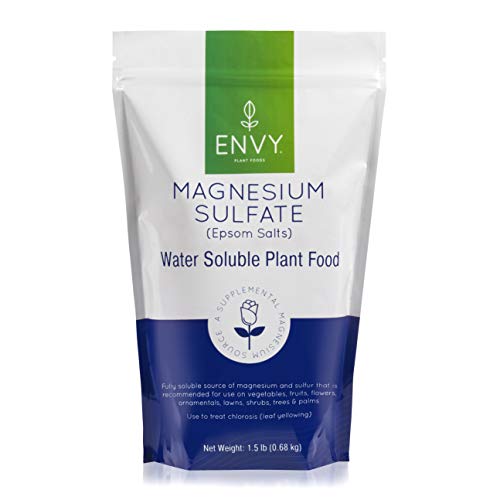
Yes, in small, targeted amounts, Epsom salt is generally safe for vegetable gardens. It is magnesium sulfate, made of magnesium, sulfur, and oxygen, and it dissolves quickly in water. Safety is not the issue by itself; the question is whether the garden needs more magnesium or sulfur, and how much gets added.
What Epsom salt actually adds
Epsom salt provides magnesium and sulfur, both secondary nutrients. That matters, but it does not replace a balanced fertilizer, and it does not provide the main nutrients plants need in a typical fertilizer blend. If a bed is short on those primary nutrients, Epsom salt will not fix the problem.
Magnesium supports chlorophyll formation and helps plants move other nutrients through their tissues. Sulfur also supports plant health, but it is not a substitute for broader fertility. Gardening Know How says Epsom salt is not a complete fertilizer, and that is the right way to think about it in a vegetable garden.
Why safety depends on dose and soil conditions
Epsom salt is safe when it is used as a supplement, not as a routine blanket treatment. Too much magnesium can crowd out calcium and potassium in the root zone. That can create nutrient imbalance even when the plant started with a different problem.
The short version: if the soil already has enough magnesium, adding more is usually pointless and sometimes harmful. If the soil is low in magnesium, a small, targeted application may help. Without that context, the same product can be useful or wrong.
The short answer for most vegetable beds
For most in-ground vegetable beds, skip Epsom salt unless a soil test or a clear deficiency pattern points to it. For containers, the odds of a response are better because potting mixes are smaller, nutrients wash out faster, and deficiencies show up sooner. Even there, it should be a measured tool, not a default feed.
What Epsom salt does in soil and plants
Epsom salt can help a plant only when magnesium or sulfur is part of the problem. It is not a general growth booster. It dissolves fast, so plants can take it up quickly, and that same speed makes overuse easier too.
Magnesium, chlorophyll, and leaf color
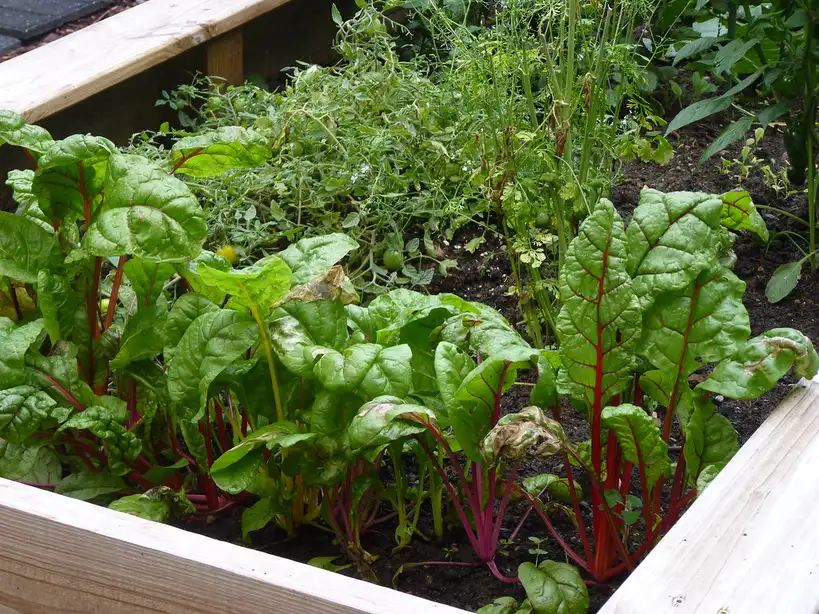
Magnesium is a secondary nutrient, not a primary one, and plants use it to build chlorophyll. When magnesium is low, older leaves may turn yellow between the veins while the veins stay greener. That pattern is more useful than a vague sense that a plant looks tired.
Magnesium can also support nutrient uptake. That does not mean extra magnesium automatically improves yield. It means the plant needs enough of it to function normally, nothing more.
Sulfur and plant nutrition
Sulfur in Epsom salt is present as sulfate, and sulfate is plant-available. This is useful in soils that lack sulfur, but sulfur is not a substitute for N-P-K fertility. A garden can be sulfur deficient and still need nitrogen, phosphorus, or potassium first.
Why it is not a complete fertilizer
Gardeners sometimes reach for Epsom salt after seeing pale leaves, slower growth, or lower yield. Those symptoms can come from many causes: poor nitrogen supply, compacted soil, root stress, cold soil, water imbalance, or another nutrient issue entirely. A balanced fertilizer is the baseline feed for more of those problems than Epsom salt ever will.
| Garden issue | What Epsom salt can do | What it cannot do |
|---|---|---|
| Magnesium deficiency | May help if soil is low in magnesium | Will not fix other nutrient shortages |
| Sulfur deficiency | May supply sulfate | Will not replace balanced fertility |
| Blossom end rot | Does not prevent it | May worsen calcium competition if overused |
| Poor growth from low fertility | Usually little to no help | Does not act like a complete fertilizer |
When Epsom salt is a poor fix for vegetable problems
Epsom salt is a poor fix whenever the real issue is not magnesium deficiency. That includes blossom end rot, general weak growth from poor fertility, root restriction, and vague symptoms with no soil test. In those cases, it can hide the real correction and sometimes make mineral balance worse.
Blossom end rot and calcium deficiency
Blossom end rot is generally linked to calcium issues in developing fruit rather than a lack of magnesium. Epsom salt does not contain calcium, and Gardening Know How warns it can exacerbate blossom end rot. That happens because magnesium and calcium ions compete for plant absorption.
That competition matters in practice. If a grower keeps adding magnesium to a plant already struggling to move calcium into fruit, the balance can tilt the wrong way. The fix for blossom end rot is usually calcium availability, moisture stability, and healthy roots, not more Epsom salt.
Poor growth from low nitrogen, low phosphorus, or compacted soil
If vegetables are stunted, pale, or slow because the bed is underfed, compacted, or badly watered, Epsom salt will not correct the main problem. A balanced fertilizer is the baseline feed. Soil structure, drainage, and watering patterns matter just as much.
Unknown symptoms that need testing, not guessing
Yellowing leaves, weak stems, and low yield are not magnesium-specific symptoms. They can come from nitrogen shortage, disease, pH trouble, root damage, or several deficiencies at once. When the pattern is unclear, soil testing is the smarter move.
How do I know if my garden might actually need it?
A garden may need Epsom salt when the symptom pattern fits magnesium deficiency, the soil test points that way, and the crop and growing system make deficiency more likely. If those pieces do not line up, skip it and test first. That simple filter cuts most misuse.
Signs that fit magnesium deficiency better than general stress
Look for older leaves yellowing between the veins while the veins remain greener. That pattern is more suggestive of magnesium deficiency than whole-plant paleness. New growth problems are less specific and often point elsewhere.
A crop can still have that look for other reasons, so symptoms alone are not proof. They are a trigger to check the soil and the rest of the bed conditions.
Soil-test triggers that should come first
If the garden has a history of repeated deficiency, if the bed gets regular fertilization but still shows the same symptom pattern, or if the soil pH and nutrient balance are unknown, test first. A soil test gives better guidance than repeated guessing.
That is especially important in established beds. In-ground soil can already hold enough magnesium, and adding more there is often unnecessary.
Container plants versus in-ground beds
Container plants are more likely to respond in deficient conditions because the root zone is small and nutrients move out faster with watering. Raised beds sit between the two extremes. In-ground beds usually need the least guesswork and the most restraint.
For containers, magnesium shortages are more plausible, but even then the problem should be clear before feeding. A pot with poor drainage or exhausted mix can look deficient when the real problem is root stress.
How do I use Epsom salt in my vegetable garden?
Use Epsom salt only after you have a reason to use it. A cautious approach is to dissolve two tablespoons per gallon of water for potted plants, or apply up to one cup per 100 square feet before seeding or planting. If the plant does not respond, stop and test the soil.
A cautious mixing and application rule
For containers, dissolve the measured amount fully in water and apply it evenly to the root zone. For in-ground beds, it is better to use it as a pre-plant supplement than to keep adding it through the season. The salt dissolves very fast in water, so it moves quickly and can be easy to overdo.
How often to apply, if at all
Do not turn Epsom salt into a weekly habit. One targeted application is enough to judge whether the crop responds. Repeated feeding without a clear diagnosis increases the chance of nutrient imbalance and hides the real issue.
When to stop and switch to soil testing
- If the plant shows no change after a single cautious application, stop.
- If blossom end rot appears, stop using Epsom salt and check calcium, moisture, and root health.
- If multiple plants show weak growth, test the soil instead of treating each symptom separately.
- If a container keeps declining, refresh the mix or test the fertilizer program.
Which vegetables may respond, and which ones usually should not
Tomatoes and peppers are often mentioned in Epsom salt advice because they may respond when magnesium is actually low. Leafy crops may show color change too, but that does not prove Epsom salt is the right fix. Most vegetables do not need it by default.
Tomatoes and peppers
Tomatoes and peppers are the usual vegetable crops mentioned in Epsom salt claims. They can show a response in deficient soils, especially in containers or tired beds. That does not mean every yellow tomato or pepper needs magnesium; many need better fertility, steadier watering, or both.
SeaSalt.com says Epsom salt may help increase produce yield. That is a conditional claim, not a blanket rule. Yield gains only make sense when the plant was actually short on magnesium or sulfur in the first place.
Leafy crops and mixed beds
Leafy vegetables can look greener after magnesium is corrected, but mixed beds make diagnosis harder. If one crop in the bed looks weak, the issue may be localized root stress, uneven watering, or soil variation. A blanket Epsom salt treatment for the whole bed is usually too blunt.
Why roses get mentioned so often
Roses come up often in Epsom salt advice, but they are not the target crop here. That comparison matters only because it shows how broad the claims are. Advice that is repeated for roses does not automatically fit vegetables, and it should not replace crop-specific judgment.
Decision checklist: use it, skip it, or test first
Use Epsom salt only when the symptom pattern, crop type, and growing system point toward magnesium or sulfur deficiency. Skip it when the problem is blossom end rot, general poor growth, or an unknown issue. If the picture is unclear, test first and feed later.
Symptom pattern
- Use it: older leaves show interveinal yellowing, and the pattern fits magnesium deficiency.
- Skip it: the whole plant is weak, stunted, or pale with no clear magnesium pattern.
- Test first: several symptoms appear at once, or the leaves show mixed signs.
Soil-test trigger
- Use it: a soil test points to low magnesium or sulfur.
- Skip it: the bed is already regularly fertilized and has no deficiency history.
- Test first: the garden has repeated problems and the cause is still unclear.
Crop type
- Use it: tomatoes, peppers, or other crops with a plausible magnesium response.
- Skip it: crops showing blossom end rot or low fertility symptoms.
- Test first: mixed beds where one crop looks fine and another does not.
Container versus in-ground
- Use it: container plants with a matching deficiency pattern.
- Skip it: in-ground beds with no proof of shortage.
- Test first: raised beds or containers that keep declining after feeding.
Do-not-use list
- Epsom salt is not usually the right treatment for blossom end rot.
- Do not use it as a replacement for a balanced fertilizer.
- Do not use it for poor growth when the cause is unknown.
- Do not keep reapplying it after one dose with no response.
Frequently asked questions
Is Epsom salt safe for vegetable gardens?
Yes, Epsom salt is generally safe for vegetable gardens when used appropriately and in small, targeted amounts. It is magnesium sulfate, so it adds magnesium and sulfur, not a full nutrient program. The real risk is overuse, especially when the garden does not actually need more magnesium.
Is Epsom salt good for vegetable gardens?
It can be good for vegetable gardens that are truly short on magnesium or sulfur, especially in containers or in beds with a known deficiency. It is not a general fix for weak growth, poor yield, or yellow leaves. A balanced fertilizer still has to carry the main nutrition load.
Is Epsom salt good for vegetable plants?
It can help vegetable plants that match a magnesium-deficiency pattern, such as older leaves yellowing between greener veins. It will not help every plant and can be the wrong move if the problem is calcium, nitrogen, watering, or root stress. Diagnosis matters more than the product.
Is Epsom salt good for all vegetable plants?
No. Some plants may respond when magnesium is low, while others gain nothing from it. In-ground beds often need it less than containers, and crops showing blossom end rot should not get Epsom salt as a cure. Blanket use across all vegetables is too broad.
How do I use Epsom salt in my vegetable garden?
Use it only when symptoms or a soil test point to magnesium or sulfur deficiency. A cautious container guide is two tablespoons per gallon of water for potted plants, and a pre-plant bed guide is up to one cup per 100 square feet. Apply once, then reassess.
Can Epsom salt help prevent blossom end rot?
No. Blossom end rot is caused by calcium deficiency, and Epsom salt does not contain calcium. It can even worsen the balance if magnesium is overapplied, because magnesium and calcium compete for absorption. Fix moisture, roots, and calcium availability instead.