How to Behave Around Plant Collections at Botanical Gardens
Botanical gardens are living collections, not decorative parks. Stay on marked paths, keep a buffer from beds and labels unless signs invite closer access, and avoid touching living specimens. These collections often include rare, protected, or research plants, so local closures, access rules, and collection protections can be stricter than visitors expect.
What changes in a botanical garden?
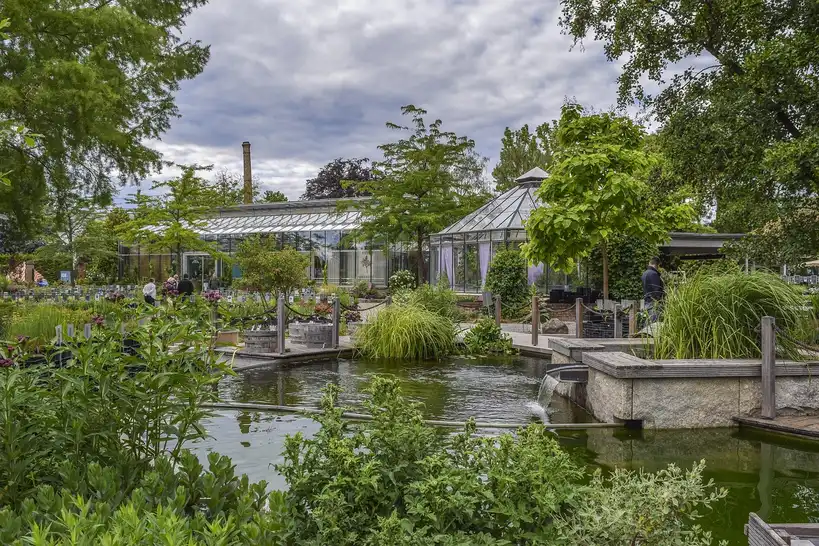
Botanical garden plant collections are living collections maintained for cultivation, preservation, and display. They may include rare, native, medicinal, ornamental, and economically important plants, so a casual “look but don’t worry too much” attitude does not fit. Treat the space as active plant care, not a park lawn.
That means your behavior matters at the level of roots, stems, labels, and soil surface. Even a brief shortcut through a bed can flatten mulch, press on shallow roots, spread pests, or break a stem meant to stay upright for study or display. Public garden and botanic garden organizations commonly emphasize that these spaces are managed collections with visitor rules, not open-access landscapes.
Why living collections need extra care
Many specimens are there for more than appearance. Some support conservation work, some help visitors learn plant names and families, and some are part of research or cultural programming. A small amount of handling can affect all three at once, especially where gardens are trying to prevent disease spread, protect rare material, or document growth accurately.
Protected or rare plant specimens can be especially vulnerable to leaning, crowding, or repeated contact. If a plant looks cordoned off, tagged, or isolated, assume the garden has a reason for that distance.
Plant collection checklist
| Zone | Where to walk | Touching | Photography | When to ask staff |
|---|---|---|---|---|
| Open viewing zone | On marked paths or at the viewing edge | No touching unless a sign invites it | Stay on the path; keep bags and tripods clear of beds | Ask if you are unsure whether the area is open to approach |
| Caution zone | Slow down and keep a wider buffer from beds and labels | No leaning, brushing, or reaching over plants | Use a longer lens or change angle from the path | Ask if the plant is fragile, newly planted, or part of a display with extra rules |
| Restricted collection zone | Stay outside the posted boundary | No touching, no entry, no picking | Photograph only from public access points if allowed | Ask before approaching any gate, rope, or staff-controlled area |
Open viewing zones: what you can do
In open areas, you can usually walk the designated path, stop for a closer look, and read the labels without entering plantings. Keep your feet on hard surfaces or clearly marked routes. If the garden has benches, look for ones placed outside the planted area rather than sitting on curbs, mulch, or bed edges.
Caution zones: when to slow down
Caution zones are often the places where a casual step matters most. Watch for signs of shallow roots, low branches, enclosed beds, or plants with thin stems. Slow your pace, keep your elbows and bags close, and give other visitors space to pass without brushing the collection.
Restricted collection zones: when to stay back
Restricted zones are not invitations to “just get a closer look.” They may protect rare specimens, propagation areas, or displays that need controlled access. If a rope, fence, closed gate, or sign says no entry, stay outside it even if the view is partial.
How to decide which zone you
Read the whole setting before you move. Look for path edges, ropes, low barriers, signs about research or conservation, and staff presence. If the area is crowded with labels, small markers, or warning notices, treat it as higher sensitivity than a casual display bed.
Suppose a bed has a low rope, a sign with scientific names, and no opening for visitors. That is your cue to stop at the path edge, read what you can from there, and leave the interior space alone.
Can you touch the plants?

In most botanical garden collections, no. Touching can bruise leaves, transfer oils or pests, snap new growth, and leave residue on specimens that staff may be monitoring. Unless a sign explicitly invites hands-on contact, the safest assumption is that plants should be observed, not handled. Botanical garden visitor guidance and university extension advice on plant disease prevention both support a hands-off default for shared plant collections.
Why touching can cause damage
Leaves and stems are not decorative props. They are living tissue, and repeated handling can leave wounds or stress points that are hard to see at first. In collections with rare or protected plants, even a gentle brush can matter if it happens often. Hands can also move pathogens or pests from one plant to another, which is why many gardens limit contact even when a plant looks sturdy.
Leaning on a railing above a bed can be just as risky as touching the plant itself. Pressure shifts weight onto soil and roots, and that can be enough to compact the area or break a stem near the edge.
What to do instead of picking or leaning
Read the interpretive plant labels instead of reaching for the plant. Those labels usually show botanical or scientific names and help identify species and families. They are part of the collection, so read them in place and do not remove, bend, or use them as a handhold.
- Stop at the path edge and read the label first.
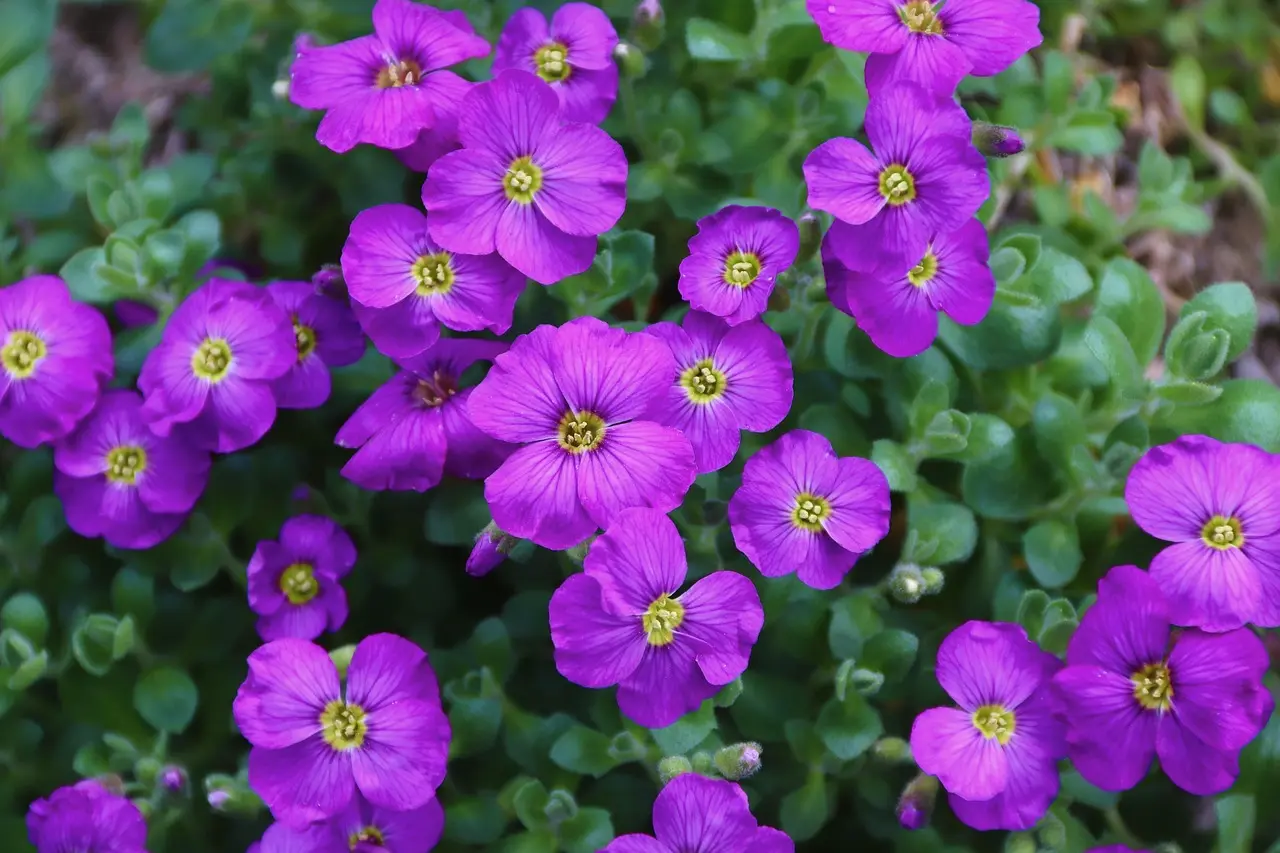
- Look at flower form, leaf shape, and placement from where you stand.
- Take a photo from the path if you want to study details later.
- Ask staff if you need a closer view for a legitimate access reason.
Can I touch plants in a botanical garden? Only if the garden clearly allows it at that site. Even then, touch lightly and briefly, and keep away from buds, new shoots, and labeled specimens that staff may be using for display or education.
How close can you get?
How close you can get depends on the bed, the plant, and the sign. Designated paths and viewing areas are there to keep you away from sensitive roots and beds, reduce trampling, and prevent accidental breakage. If the garden has given you a viewing line, use it instead of making your own.
Using paths and viewing edges
Walk on the route that is already there. Do not cut through corners, step over low borders, or drift into mulch for a better angle. A few extra steps on the path are far safer than one shortcut through plantings.
A common first-timer mistake is stepping one foot off the path to get around another visitor. That single move can put you on a root zone or next to a fragile stem, and it is easy to repeat without noticing.
Reading labels and signs without crowding
Labels are there to be read, not crowded. Stand back far enough that you are not blocking the sign or shading it with your body, then move on so other visitors can read it too. If a label is placed low to the ground, crouch on the path rather than leaning into the bed.
Some signs may say “do not enter,” “no picking,” or “stay on path.” Those instructions override any general idea you may have about what is usually allowed in a garden.
When to ask staff or volunteers
Ask staff or volunteers if the plant is marked, enclosed, newly installed, or looks like part of a conservation or research area. Botanical garden staff and volunteers can answer questions about access and etiquette, and they may redirect you if a collection is restricted. If they point you elsewhere, follow that direction without debate.
Is it okay to step off the path to take photos in a botanical garden?
No. Stay on paths for every shot unless staff clearly direct you to a designated viewing spot. Stepping into beds can crush soil, bend stems, and disturb other visitors who are following the route. A better photo is not a valid reason to enter plantings.
Photo and path etiquette
Keep your feet on the route, your bag out of the bed edge, and your body out of the planting. If you need a different angle, move a few steps along the path instead of moving into the collection. That small shift often changes composition without causing damage.
A common first-timer mistake is kneeling into mulch for a low shot. That puts weight where roots, seedlings, or irrigation lines may be hidden, and it can also block the path for other guests.
Avoid gear or movement that disturbs others
Tripods, monopods, and large camera bags should stay clear of walkways unless the garden explicitly allows them. Avoid sudden backward steps, crouching in the middle of a narrow path, or asking others to move into plantings so you can frame a shot. Keep photography quiet and contained.
Children, groups, and staff directions
Children and groups need the same rules, just with closer supervision. Keep kids near the path, prevent running or chasing near beds, and teach them to look quietly instead of touching. If the group is large, spread out on the walkway, not into the collection. Many public garden associations and botanic gardens note that supervision matters most where paths are narrow and plantings are close to the visitor route.
Keeping children near the path
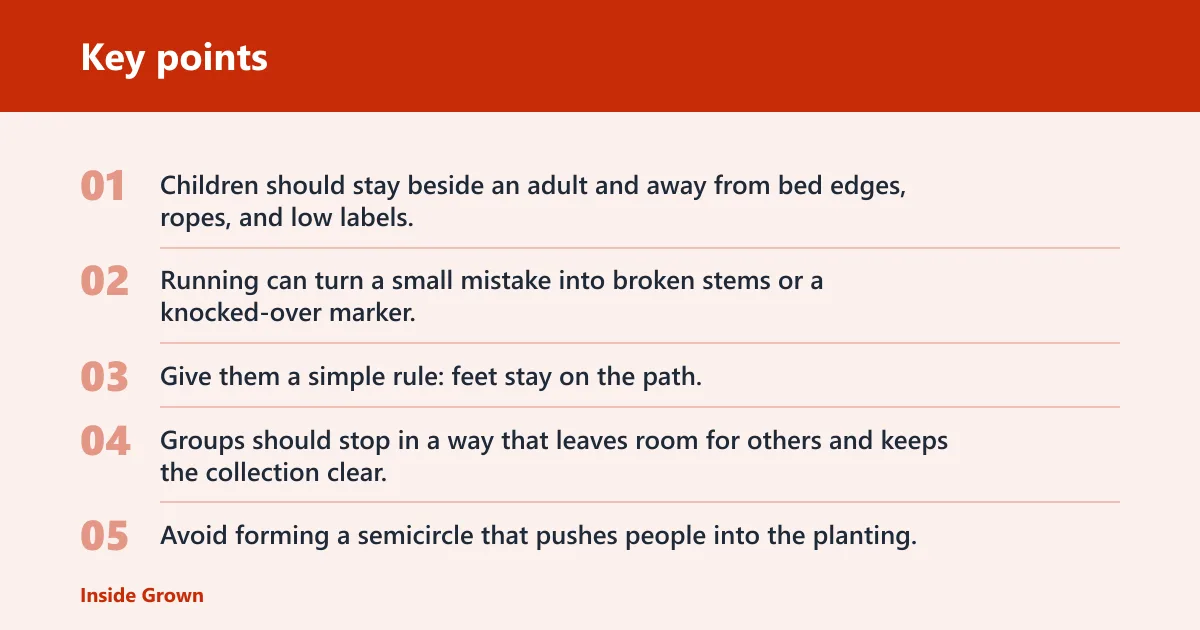
Children should stay beside an adult and away from bed edges, ropes, and low labels. Running can turn a small mistake into broken stems or a knocked-over marker. Give them a simple rule: feet stay on the path, hands stay behind the back unless a sign says otherwise.
Group behavior near fragile specimens
Groups should stop in a way that leaves room for others and keeps the collection clear. Avoid forming a semicircle that pushes people into the planting. If one person is speaking, the rest should stay still and off the beds so the area does not become crowded.
Say your group reaches a narrow path beside a bed of labeled orchids or small native plants. The safest move is to stop single file, read the labels from the path, and let the next group pass before anyone lingers.
When staff or volunteers redirect you
If staff or volunteers move you back, point you to another path, or close off a section, that is a normal part of protecting the collection. They may know about a fragile specimen, a weather issue, a pest-control treatment, or a maintenance task that is not obvious to visitors. Follow the redirection immediately.
Some gardens close areas because of weather or special observances, and many have posted rules for opening hours, admission, closures, and cultural-use areas. If a local garden says an area is closed, restricted, or collection-protected, treat that instruction as part of conservation practice rather than a suggestion.
How do I visit a botanical garden respectfully without disturbing the plants?
Read the signs first, stay on marked paths, keep your hands off living specimens, and give rare or labeled plants extra space. Check whether the garden has posted restrictions, ask staff if you are unsure, and treat every rope, label, or barrier as a clue about how to move. This is the simplest way to protect both the collection and the visitor experience.
Quick behavior check before you step closer
- Stay on the designated path or viewing area.
- Do not touch, pick, lean on, or climb around plants.
- Read labels without removing, bending, or crowding them.
- Keep children beside you and away from bed edges.
- Use photos from the path, not from inside the planting.
- Ask staff or volunteers if an area looks restricted or fragile.
That is the simplest rule set. If a plant, sign, or barrier seems to ask for extra distance, give it extra distance.
Frequently asked questions
How should I behave around plant collections at a botanical garden?
Walk on the marked paths, read labels without touching them, and keep a clear buffer from beds and barriers. Botanical garden collections are living plantings, so the safest default is quiet observation. If a sign, rope, or staff member changes that rule, follow the local instruction immediately.
Can I touch plants in a botanical garden?
Usually no. Touching can bruise leaves, damage buds, spread pests, and compact soil around roots. Only touch if the garden specifically allows contact at that location, and even then avoid new growth, rare specimens, and any plant marked for conservation or research.
How close can I get to rare or labeled plants?
Close enough to read the label from the path, but not so close that you crowd the plant or lean over the bed. Rare specimens often need extra distance. If the display uses ropes, fences, or a clear no-entry boundary, stay outside it and ask staff if needed.
What should I do if a plant is blocking the path or looks fragile?
Stop and wait rather than forcing a way around it. Use the path edge, give the plant space, and let staff or volunteers handle any real obstruction. If a specimen looks especially fragile, assume it needs more distance, not less.
Are children allowed to run near plant collections?
No. Running near beds, chasing, or climbing can break stems and damage soil edges. Keep children close, set a simple no-running rule, and give them a quiet task such as reading labels or spotting leaf shapes from the path.
Can I pick leaves, flowers, or fruit in a botanical garden?
Not unless the garden explicitly says you may. Picking can damage the collection, reduce seeds or fruit needed for propagation, and interfere with display or education. If an area is harvestable, the garden will usually mark it clearly and set its own rules.