Botanical Garden Etiquette: Simple Rules for Visitors
Follow five basics: stay on marked paths, keep hands off plants, never pick flowers, keep food and drink out of collections, and supervise children. Breaking these rules can bruise leaves, spread pests, and damage living collections that take years to grow. This guide covers the simplest etiquette rules for first-time visitors, including photos, kids, bags, and quiet behavior.
Why botanical garden rules matter
Botanical garden etiquette starts with plant protection. These spaces hold living collections, labeled specimens, display beds, and sometimes conservation plantings that can be damaged by a single shortcut, a leaning photo pose, or a dropped snack.
Courtesy matters too. A narrow path can stop moving if one group blocks it for pictures, and a wet conservatory floor can become unsafe when visitors crowd around a feature plant.
Read the posted signs before you assume anything. Entry signs, photo policy notices, food rules, noise expectations, and restricted-area markers are the most reliable source because policies can change by garden, by exhibit, and by season.
Botanical garden etiquette checklist
Visitor checklist
| Allowed unless posted otherwise | Ask first or avoid | Common mistake |
|---|---|---|
| Photos for personal use | Tripods, flash, drones, and commercial shoots | Using a tripod in a narrow path and blocking traffic |
| Walking on marked paths and boardwalks | Stepping into beds or restricted areas | Taking one step off-path for a better angle |
| Quiet conversation | Loud group talk, calls on speaker, or music | Stopping in a bottleneck to chat |
| Small snacks in designated areas, if allowed | Picnics, open containers near collections, and feeding wildlife | Leaving crumbs or spills on benches and paths |
| Strollers and wheelchairs on shared routes | Parking them across narrow paths or ramps | Blocking the only clear lane while taking photos |
| Pets only where the garden explicitly allows them | Bringing animals into plant collections or bird areas | Assuming a leashed pet is always accepted |
Use this table as a fast check, not as a substitute for the garden’s own rules. A behavior can be polite and still be prohibited, and a hard rule can exist only in one part of the site, such as a conservatory, a display house, or a conservation bed.
Can you touch or pick plants?
In many botanical gardens, you should not touch, pick, or move plants unless a sign or staff member clearly says it is allowed. Stay on paths, avoid no-touch zones, and never climb structures or lean on low barriers around beds.
Picking flowers, leaves, seed pods, or fruit can damage the collection and remove material that staff may be tracking for display, study, or seed collection. Touching can also bruise soft foliage, spread pests, or break stems that will not recover quickly.
Keep your hands off labeled specimens and fragile displays, especially if plants are behind ropes, edging, or glass. Those markers usually mean the garden wants a controlled distance, not a quick photo stop.
What should you not do at a botanical garden?
Do not step into planting beds, climb rocks or structures, feed wildlife, block narrow paths, or ignore posted restrictions. Also avoid loud group behavior, running in tight spaces, and handling plant labels, stakes, or protective barriers.
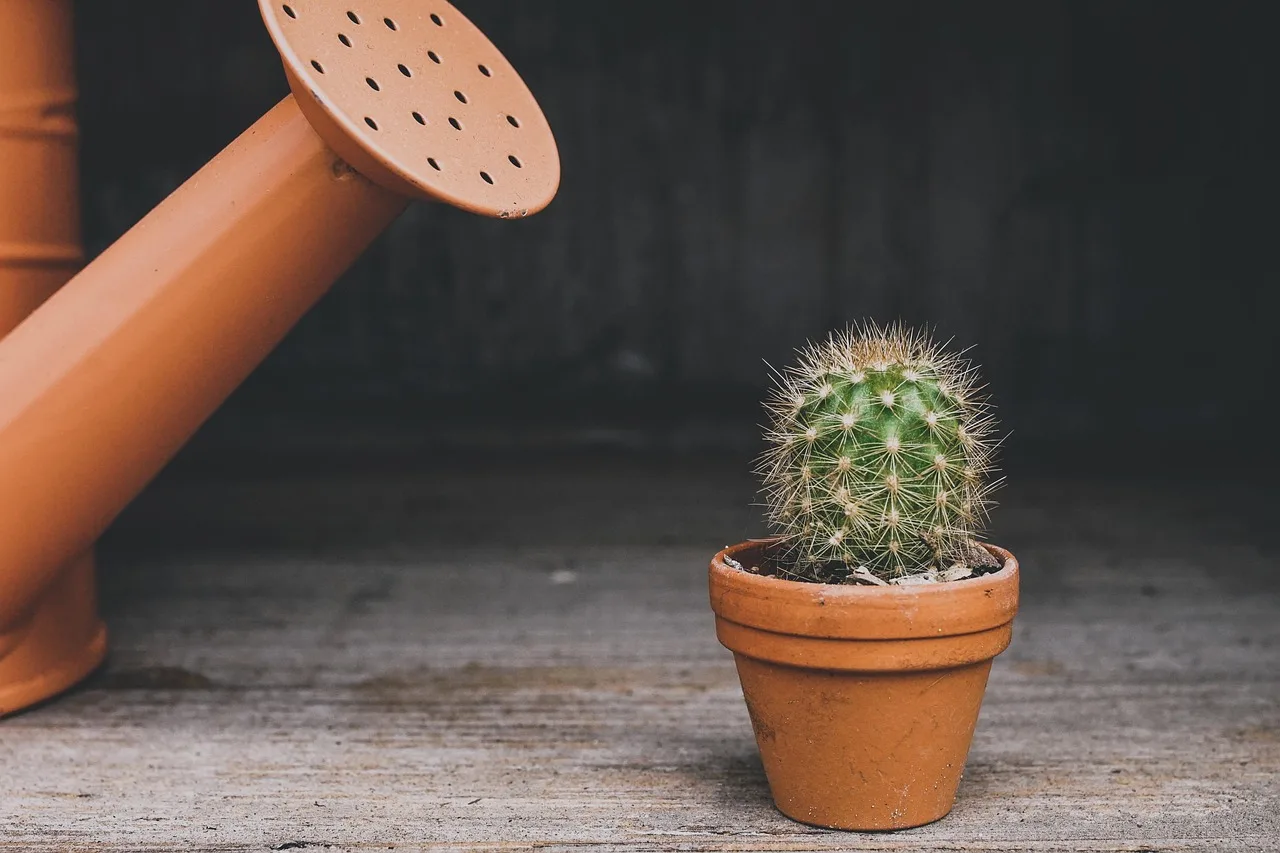
Say your child spots a low border around a cactus display and reaches over it for a flower. That one reach can scrape spines, bend a stem, and pull the child into the bed, so the safer move is to stop at the edge and point instead.
Is it okay to take photos?
Usually yes for personal photos, but the details matter. Check whether flash is allowed, whether tripods or monopods are restricted, and whether a permit is needed for commercial, staged, or professional filming. Some gardens also limit photography in conservatories or special exhibits.
Keep photos courteous. Do not block labels, bench access, or narrow paths, and do not lean across a bed or crowd another visitor out of the frame. If a plant is the focus of a labeled display, give other people room to read it and move on.
Suppose three visitors stop in a 4-foot-wide conservatory path to set up a tripod beside a fern house. The issue is not the camera alone; it is the bottleneck, which can force others into the planting edge or back them into wet flooring.
Are tripods, drones, or professional cameras allowed?
Not automatically. Many gardens allow handheld photos but restrict tripods, drones, lighting rigs, and commercial gear unless you have advance permission. Drones are especially likely to be prohibited because they disturb wildlife, startle visitors, and can damage trees or structures.
If you are filming for work, a brand, or a client, check the permit process before you arrive. Some sites require advance approval, time limits, or location restrictions, especially in rare plant houses and conservation areas.
Food, drinks, and waste rules
Follow the garden’s food policy exactly. Some gardens allow snacks only in designated eating areas, while others ban all food and open drinks near collections to protect plants, keep pests down, and avoid spills on paths or benches.
Use trash and recycling bins if they are provided, and carry waste out if they are not. A dropped wrapper can blow into a bed, and a spilled drink can stain surfaces, attract insects, or make a path slippery.
Check whether re-entry is allowed before you plan a picnic or leave the grounds for a meal. In some gardens, leaving the site can mean you need a new ticket or security check to come back in.
How should you act around people and wildlife?
Keep your voice low enough that other visitors can enjoy the space and staff can hear warnings if needed. Botanical gardens are shared spaces, so calm group behavior matters as much as plant protection.
Yield on narrow paths, give wheelchairs and strollers room to pass, and do not stop in doorways, bridges, or path pinch points. If your group is large, move off the main route before gathering to talk or compare photos.
Keep distance from insects, birds, and other animals. Do not feed wildlife, do not follow nesting birds, and do not chase pollinators for photos. Pets should stay out unless the garden explicitly allows them, since even leashed animals can disturb birds, crush groundcover, or stress wildlife.
How quiet should you be in a botanical garden? Quiet enough that your conversation does not carry through a conservatory or force nearby visitors to hear it. Normal speaking is fine; shouting, speakerphone calls, and loud music are not.
What should families, pet owners, and mobility-device users know?
Children should stay within clear sight and close reach near beds, ponds, bridges, and fragile displays. They do not need to be silent, but they do need boundaries, especially around labeled plants, low ropes, and water edges.
Pets belong only where the garden explicitly allows them, and even there they should not approach birds, ponds, beds, or crowded exhibits. Bring waste bags, keep the leash short enough for control, and leave if the animal starts pulling toward plants or people.
Mobility-device users, stroller users, and companions should share narrow paths carefully and avoid stopping where passing space disappears. Courtesy goes both ways: others should yield, but the person with the larger device should also avoid sudden turns, wide turns, or long pauses in chokepoints.
A common first-timer mistake is parking a stroller across a narrow bridge while taking a group photo of a blooming border. That blocks the route and forces everyone else to wait, so move the stroller to a pullout or open area before stopping.
What should I know before entering a botanical garden?
Check the entry signs first. Look for the photo policy, food policy, noise expectations, and any restricted areas such as research beds, conservation collections, or closed paths. Those posted rules tell you what is prohibited, not just what is polite.
Bring shoes that handle mud or wet paving if the weather has been rainy. Wet benches, slick stone, and soft path edges make it easier to slip into a bed or leave a footprint where staff do not want one.
During peak bloom periods, expect more congestion near popular displays. Give yourself extra time, and be ready to step aside quickly if a path narrows or a room fills up.
How do I behave if a botanical garden has rare or labeled plants?
Rare or labeled plants deserve extra distance and less handling. Read labels from the path, do not reach over barriers, and treat any rope, stake, or sign as a boundary that protects the collection, not as decoration.
If a plant is tagged for conservation, research, or propagation, do not assume it is safe to touch even if it looks sturdy. These specimens may be more fragile, more valuable to the garden, or more sensitive to pests and physical contact than ordinary display plants.
Frequently asked questions
What are the basic rules for visiting a botanical garden?
Stay on paths, keep hands off plants, do not pick flowers or seed pods, and follow posted signs and staff directions. Add common-sense courtesy: keep voices low, do not block paths for photos, and dispose of waste properly. Those basics protect the collection and keep the garden usable for others.
Can you touch the plants in a botanical garden?
Usually no, unless the garden has a clearly marked interactive area or staff gives permission. Touching can bruise leaves, bend stems, spread pests, and damage labeled specimens. If a plant is behind a barrier, rope, or sign, treat it as a no-touch zone.
Is it okay to take photos at a botanical garden?
Often yes, but personal photos and commercial photography are not the same. Check rules for tripods, flash, drones, and permits before you arrive, and keep clear of paths and labels while shooting. A photo stop that blocks access is poor etiquette even when photography itself is allowed.
Are food, drinks, or picnics allowed in botanical gardens?
That depends on the site. Some gardens allow snacks only in designated areas, while others restrict food and open drinks near collections to prevent spills, pests, and litter. Check whether re-entry is allowed if you plan to leave for a meal, and always pack out waste.
Can kids run around in botanical gardens?
No, not around planting beds, ponds, conservatories, or narrow paths. Children can walk, look, and explore, but they need close supervision and clear boundaries because one quick run can damage plants or put them near water, glass, or other visitors. Quiet voices are usually expected indoors and near displays.