Is Fertilizer Safe for Cats in the Garden?
Most fertilizers are not cat-safe until they are dry, watered in, and cleaned up; a common rule of thumb is to keep cats off treated beds for about 24 to 48 hours, and longer for granules that remain on the surface. Cats can ingest fertilizer by licking paws, grooming dust off fur, or digging in treated soil, which can cause vomiting, drooling, or worse. This guide explains which fertilizer types pose the lowest risk, which ones to avoid, and how to reduce exposure in beds, lawns, and containers.
Why fertilizer can affect cats
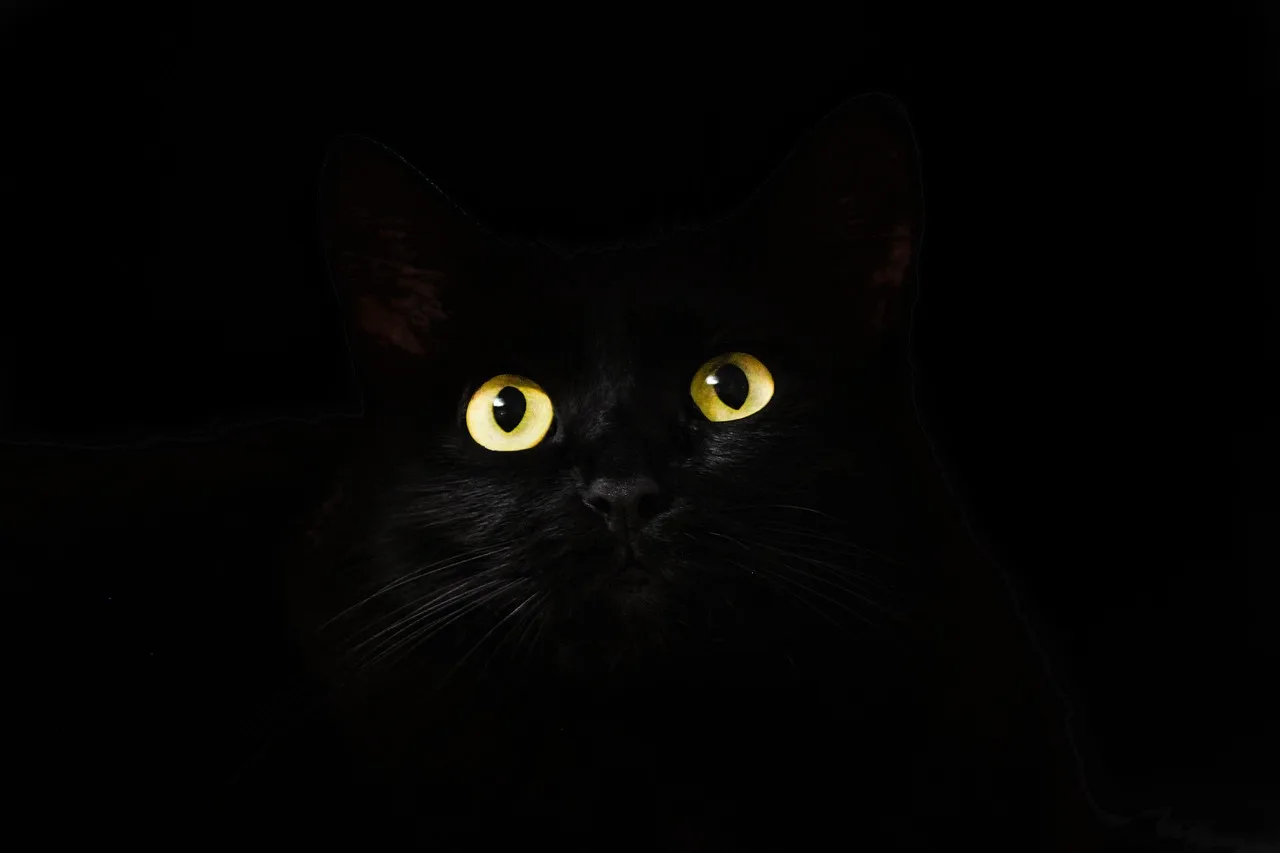
Cats meet fertilizer in ways that matter. They walk through pellets, dust, or wet spray; they lick their feet during grooming; they dig in loose soil; and they drink from puddles or saucers with runoff. Those are the main exposure routes, and they matter more than the label word “organic” or “synthetic.”
A cat that steps across a treated lawn may carry granules in fur between toes and then lick them off minutes later. That grooming habit makes paw contact a real risk, even when the product was not eaten directly.
How cats meet fertilizer outdoors
Granules can sit on the surface of turf or beds, especially after light watering or wind. Liquid products can leave residue on leaves, patio edges, and container saucers. Cats also investigate fresh soil. If the product has an odor that draws them in, contact can happen fast.
Why grooming makes paw contact risky
Cat grooming turns a small exposure into ingestion. A trace of fertilizer on fur or paws can move into the mouth during cleaning. That is why “the cat did not eat any” is not a reliable safety check. Paw contact still counts.
Why lawns, beds, and containers differ
Lawns dry on open surfaces, but beds can hold loose granules where a cat digs. Containers add another problem: runoff collects in saucers, and cats may drink from them. In-ground beds usually have less standing liquid than pots, but the soil surface can still carry residue.
📊 Many garden plants grow best in a soil pH range of 6.0-7.0. Source: Garden Fertilizer Basics.
What fertilizer labels tell you
Fertilizer bags use three numbers to show nitrogen, phosphorus, and potassium percentages by weight. A common example is about 3-4-3. A 10-5-5 bag contains 0.5 lbs. of nitrogen in a 5 lb. bag, 0.25 lb. of phosphate, and 0.25 lb. of potash. (UMD)
Those numbers tell you the nutrient mix, not whether the product is cat-friendly. Added ingredients matter too. A basic nutrient blend is one thing; a blend with pesticide, herbicide, fungicide, or excess minerals is a different risk category.
How to read percentages by weight
If a label lists 10-5-5, the first number means nitrogen makes up 10% of the bag by weight. The second and third numbers show phosphorus and potassium in the same way. That helps you compare products, but it does not tell you how much residue will stay on the ground after application.
Why added ingredients matter more than the base nutrients
Nitrogen, phosphorus, and potassium are the core nutrients. Risk rises when the product includes pesticides, herbicides, fungicides, or excess minerals. Those additions can create poisoning symptoms after ingestion or contact, so the ingredient list matters as much as the N-P-K line.
Are organic fertilizers safer for cats?
Organic does not mean harmless. Organic fertilizers often come from plant or animal byproducts, and they can still harm cats if ingested. Meal-based products can smell appealing to pets, which can make them more tempting than a low-odor synthetic blend.
Composted manure is usually a better choice than raw manure, but it still needs careful use. Raw manure can burn roots, and manure products should never be treated as cat-proof. In edible gardens, follow the label closely and keep cats away until the product is fully settled into the soil.
Which organic products can smell appealing to pets?
Blood meal and bone meal are the main examples to watch. Their odor can pull a cat toward the bed or container before the product has been watered in. Worm compost, gypsum, lime, and composted manure may be less tempting by smell, but they are not automatic clears for pet access.
When composted manure is a better choice than raw manure
Composted manure is generally a more controlled option because it has gone through decomposition before use. Raw manure brings more biological risk and a stronger odor. Even with composted manure, avoid letting cats dig or lick treated soil before it is settled and dry on top.
Which fertilizers are riskiest for cats?
Granular products, meal-based fertilizers, and mixed products with pesticides or herbicides are the main ones to treat with caution. Granules can stick to paws and fur. Meal-based products can attract cats by smell. Mixed products can add toxic ingredients beyond the fertilizer itself.
Granular products and paw tracking
Granular fertilizer is a common garden form, but it can cling to fur, especially around paws. Risk rises if a cat walks on a recently treated lawn, then grooms the feet. That is a common exposure path in spring, when lawns and beds get fresh applications.
Meal-based fertilizers such as blood meal and bone meal
Bone meal is an animal-byproduct fertilizer high in phosphorus and calcium, and it is often used before planting for root development. Blood meal is an animal-byproduct fertilizer high in nitrogen and is commonly used to support leafy growth. Both can smell like food to a cat, which raises the chance of interest and ingestion.
Mixed products with herbicides, fungicides, or pesticides
These products need extra caution because the risk is not limited to nutrition. If a fertilizer also carries weed killers, fungus control, or pest control agents, the hazard can jump. Read the full label, including the ingredient list and use directions, not just the N-P-K numbers.
Cat-safe fertilizer decision matrix
Use this matrix to compare product type, cat interest, and the least restrictive exclusion step that still makes sense. If the label gives a longer wait time, follow the label. Wet weather, surface granules, and container runoff can all extend the no-access window.
| Product type | Main ingredients | Ingestion risk | Paw-contact risk | Odor attraction | Safest use case | Minimum cat-exclusion step |
|---|---|---|---|---|---|---|
| Plain granular fertilizer | Nitrogen, phosphorus, potassium | Moderate if licked or eaten | Moderate to high | Low to moderate | Lawns or beds where granules can be watered in fully | Keep cats off until dry and no loose granules remain |
| Liquid fertilizer | Dissolved nutrients | Moderate if runoff is licked | Low to moderate | Usually low | Containers or beds with careful spot application | Block access until surfaces are dry and runoff is removed |
| Blood meal | Animal byproduct, high nitrogen | High if eaten | Moderate | High | Areas that can be fully covered and watered in | Exclude cats until odor fades and soil is covered |
| Bone meal | Animal byproduct, high phosphorus and calcium | High if eaten | Moderate | High | Before planting, under soil rather than on top | Keep cats out until buried and surface is clean |
| Composted manure | Decomposed animal waste and organic matter | Moderate | Moderate | Moderate | Soil amendment in beds, not exposed surface piles | Keep cats away until mixed into soil and dry on top |
| Fertilizer with herbicide, fungicide, or pesticide | Nutrients plus control chemicals | High | High | Varies | Only where the label allows and pets can stay out | Use the full label wait time, then reassess before reentry |
What if a cat walks on fertilized soil?
If a cat walks on fertilized soil, check the paws, fur, and any dusty residue first. Then stop the cat from grooming until you can clean the feet if needed. Walking through granules is not harmless, because licking afterward can turn surface contact into ingestion.
Suppose a cat crosses a newly treated container bed and then jumps onto a chair. If you see crumbs on the paws or soil stuck in the fur, remove access, wipe or rinse the feet, and watch closely for drooling or vomiting over the next several hours.
What to check on paws and fur
Look between the toes, along the pads, and around the lower legs. If dry granules or dust are present, remove them before grooming starts. For a cat that has run through liquid residue, check for damp patches or a strong odor on the coat.
When licking becomes a problem
Licking is the point where contact becomes ingestion. A cat that only touched fertilizer may still be at risk if it cleans its feet or fur. That is why immediate cleanup matters even when the product was not directly eaten.
How runoff and puddles increase exposure
Runoff concentrates residue. In pots, the saucer can collect that liquid. In lawns, puddles after watering or rain can hold dissolved product. Cats that drink from those spots may ingest fertilizer without ever touching the granules.
What to do after fertilizer exposure
Act fast if a cat eats fertilizer or shows symptoms. Fertilizer poisoning in cats can cause vomiting, drooling, weakness, tremors, and seizures. Exposure can happen by ingestion, walking on treated ground, licking paws, or drinking runoff, so do not assume the problem is minor just because the cat only “touched” it.
Save the product label, including the ingredient list and directions. Remove the cat from the area, and rinse paws if needed. Then call a veterinarian or poison helpline as directed by the product label, especially if symptoms start or the product contains added pesticides or herbicides.
What symptoms need urgent vet care
Vomiting, drooling, weakness, tremors, and seizures need prompt veterinary evaluation. If the cat cannot keep water down, seems unsteady, or has muscle twitching, do not wait for symptoms to pass.
What label details to save
Keep the front label, the ingredient panel, and any application directions. If possible, note whether the product was granular, liquid, organic, or part of a mixed lawn treatment. That helps the vet judge likely exposure and risk.
What not to do before calling a vet
Do not give food or medication unless a veterinary professional tells you to. Do not assume the cat is fine because it is acting normal right away. Some exposures show up after grooming or after the product reaches the stomach.
Frequently asked questions
Is fertilizer safe for cats in the garden?
Not right away. Most fertilizers need a dry surface, watering in, and cleanup before cats should return. Keep cats out for at least 24 to 48 hours, and longer if granules remain loose or the label gives a longer wait. Cats can still ingest residue by grooming paws.
What happens if a cat walks on fertilized soil?
A cat may pick up dust or granules on its paws and fur, then lick them off later. That turns surface contact into ingestion. Check paws and lower legs, and keep the cat from grooming until the area is cleaned or the product has fully settled.
Is granular fertilizer safe for pets?
Granular fertilizer is common, but it is not automatically pet-safe. The granules can stick to paws and fur, especially on recently treated lawns. If you use it, water it in according to the label and keep cats off the area until the surface is dry and clean.
What ingredients in fertilizer are dangerous to cats?
Plain nitrogen, phosphorus, and potassium are the base nutrients, but danger rises when the product includes herbicides, fungicides, pesticides, or excess minerals. Blood meal and bone meal can also be a problem because they are animal-based and often smell attractive to cats.
Can cat poop be used as fertilizer?
No. Cat poop should not be used as garden fertilizer. It can carry pathogens and parasites that are not appropriate for edible beds or most home gardens. Keep it out of soil amendments, compost piles for vegetables, and any area where cats or people will handle the soil.
Are plants safe for cats after fertilizing?
Not automatically. The plant itself may be fine, but residue on leaves, soil, mulch, or saucers can still expose a cat. Treat the whole growing area as off-limits until the product is dry, settled, and the label’s reentry window has passed.
What should I do if my cat eats fertilizer?
Remove access to the product, save the label, and contact a veterinarian or poison helpline as directed by the product instructions. If fertilizer is on the paws or fur, rinse it off. If the cat vomits, drools, seems weak, or has tremors, seek urgent veterinary care.