Gardening techniques for raised beds that boost yields
Use roughly 10–12 inches of loose soil, moderate spacing for fast crops, and replant soon after harvest; that sequence can help a raised bed stay productive more than relying on a single fertilizer. Skip it and you waste root room, water, and weeks of growing time. This guide shows a repeatable workflow for soil depth, spacing, watering, timing, and succession planting.
This guide is part of our Gardening techniques series.
What raised bed techniques actually raise harvests?
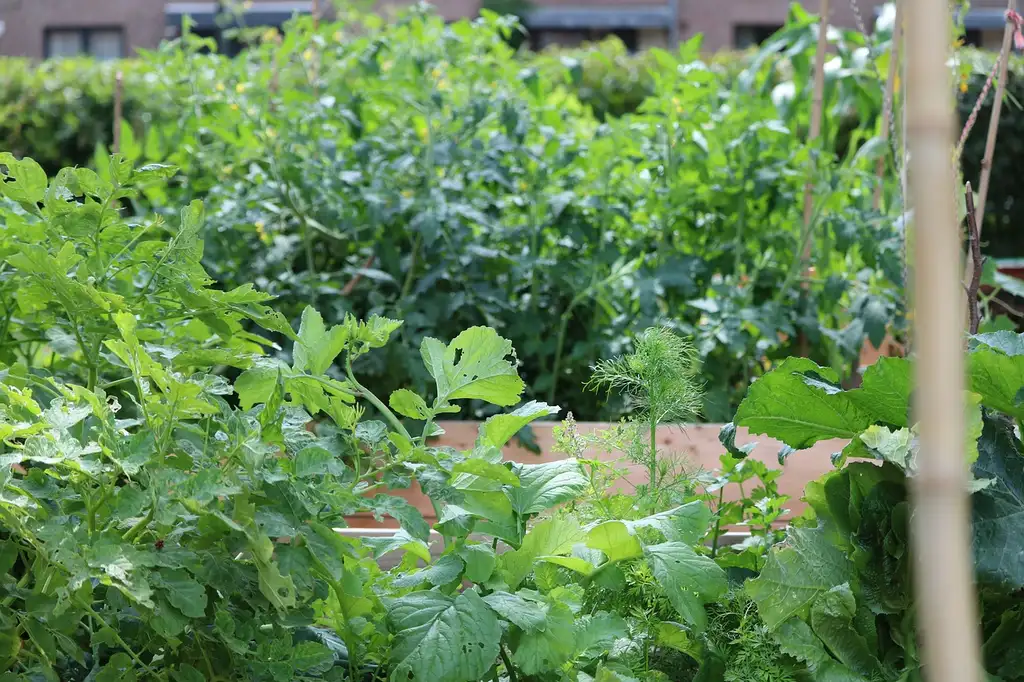


Raised beds produce more when the soil profile, water supply, planting density, and replant timing are managed as one system. A bed that drains well, gets enough sun, and is replanted fast after harvest stays active for more of the season, which is where the extra yield comes from.
The four levers that matter most
Depth gives roots room. Spacing decides how many plants fit without shading each other. Succession planting keeps empty soil from sitting idle. Watering holds growth steady during hot spells. Miss one of those and the bed often underperforms, even if the seed quality and fertilizer are fine.
French intensive gardening is also known as raised bed or wide bed gardening, and the method aims for higher yields in smaller spaces. That works only when the bed is treated like a production unit, not a one-time planting hole.
How deep should a raised bed be for better yields?
Match bed height to climate and crop type. In warmer climates, 1–2 inches of raised height can be enough when native soil drains well. In colder areas, a modest raised height can help with root insulation and usable soil. For most vegetables, more loosened soil means better root growth and steadier production.
When shallow beds work and when roots run out of room
Shallow beds can work for lettuce, radishes, and other quick crops. They fail sooner with tomatoes, peppers, zucchini, and long-season plantings that need deeper rooting and more stable moisture. If roots hit a hard layer early, the plant spends energy coping instead of producing.
For a bed that stays productive, a moderate depth of loose soil is a practical target. Shallower beds dry faster and restrict root volume. Deeper beds also buffer temperature swings, which matters when spring nights are cold or midsummer heat pushes water demand up.
Choosing 4×4, 4×8, or longer beds based on access and crop mix
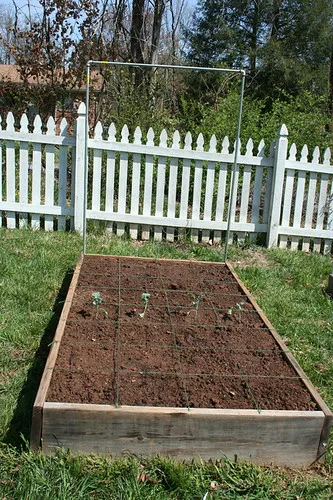
A simple 4×4 raised bed is a good starting point. A 4×4 or 4×8 raised bed works well for beginners. Longer beds, such as 5, 10, or 20 feet, can fit bigger crop runs, but only if paths allow comfortable access for planting, weeding, and harvest.
Keep path space wide enough to move a harvest basket and work both sides of the bed. If the frame is too wide to reach the center, the far middle gets neglected. That lost access lowers yield more than a smaller bed ever would.
How do I improve soil and drainage in a raised bed?
Start with a well-drained site that does not hold water after rain. Raised beds help when soil drainage is poor, but they still fail if they are set where water pools. Add compost or other organic matter before planting, and test the soil for pH and nutrient levels before you seed heavily.
Add compost or organic matter the right way
For a full reset, use 3–4 inches of compost or manure during bed preparation. That top layer feeds soil life and improves water holding without turning the bed into a soggy mix. Work it into the top zone, then finish with a lighter surface mulch after planting. (en.wikipedia.org)
Should I add compost every season to raised beds? Yes, in most home beds, a seasonal topdress is the easiest way to replace what harvests remove. A thin layer of finished compost keeps the soil active, but use a soil test to avoid stacking up nutrients you do not need.
Use soil tests before you plant hard
Soil tests tell you whether pH or a specific nutrient is limiting growth. Without that check, gardeners often add more of everything and still miss the real problem. A bed that is too acidic, short on potassium, or overloaded with nitrogen can produce weak fruiting crops.
In practice, the best time to test is before the bed is planted for the season or after a major reset. That gives enough time to correct the mix before the crop calendar starts moving.
How far apart should vegetables be planted in a raised bed?

Use close planting for small crops, but leave enough room for leaf spread, airflow, and harvest access. In a raised bed, spacing is a yield decision, not just a label on a seed packet. The goal is full canopy cover without crowding that slows growth or encourages disease.
Close spacing without choking the bed
Fast crops like radishes and lettuce can be planted tightly because they finish before they become bulky. Beans, tomatoes, zucchini, and peppers need more room. If the leaves overlap too much, airflow drops and lower leaves stay damp, which cuts usable yield and raises disease pressure.
Paths and reach zones matter too. A bed that is easy to access gets watered on time, picked on time, and replanted on time. That regular attention is part of the yield system, even though it is not a plant spacing issue on paper.
Pair crops by size and timing
Pair short crops under taller ones only when the taller crop will not block light for long. For example, early lettuce can be finished before tomatoes widen. Radishes can fill gaps between slower transplants. The pairing should create a second harvest window, not a shading problem.
| Crop | Spacing pattern | Best timing | Bed use note |
|---|---|---|---|
| Lettuce | Close, staggered rows | Cool season | Good for gap filling and quick turnover |
| Radishes | Dense blocks | Cool season | Use as a fast first crop before slower plants expand |
| Beans | Clusters with trellis support | Warm season | Replant after picking ends |
| Tomatoes | Wider spacing with support | Warm season after last frost | Best in the back or north side of a bed |
| Zucchini | Single plant with room to spread | Warm season after last frost | Needs more open bed area than compact crops |
| Peppers | Moderate spacing | Warm season after last frost | Fits well after spring greens finish |
Which crops fit a high-yield raised bed plan?
The easiest crops for a productive raised bed are lettuce, green beans, radishes, tomatoes, zucchini, and peppers. These crops cover both cool-season and warm-season windows, so the bed can keep producing across more of the year instead of sitting empty after one harvest cycle.
Cool-season versus warm-season timing
Cool-season crops go first in spring, then warm-season crops take over after the last frost. Warm-season crops should wait until after the last frost, and checking local last spring frost dates helps keep transplants from stalling. That timing shift keeps the bed occupied longer.
Leafy greens can tolerate partial shade, so they are useful at the edge of a bed that does not get full sun all day. Most vegetables need 6 to 8 hours of direct sunlight daily, but greens can carry a bed through less-than-perfect exposure better than fruiting crops.
How do I water raised beds without wasting space or yield?
Raised beds often need more frequent watering than in-ground gardens because they can drain faster and give roots less depth to work with. Consistent watering keeps growth steady. Drip lines, soaker hoses, and careful hand watering all work if the moisture reaches the root zone instead of the surface only.
Drip, soaker hose, or hand watering
Drip lines are useful when the bed has repeating crop rows or mixed plantings that need even moisture. Soaker hoses suit simple rectangular beds with dense crops. Hand watering still works, but it takes discipline to wet the whole root zone and not just the leaves or one corner.
Mulch helps hold moisture between waterings. It also reduces the crusting that can happen after repeated irrigation. In hot weather, that matters because stressed plants stop sizing up, and flowers or fruit set can drop before the bed has finished producing.
Moisture retention habits that help yields
Water early enough that the bed can absorb moisture before heat peaks. Check the soil below the surface, not just the top crust. If the bed dries unevenly, the most crowded crops usually show stress first, which tells you the planting pattern may be too tight for the water supply.
Raised-bed yield planning checklist and sample layouts
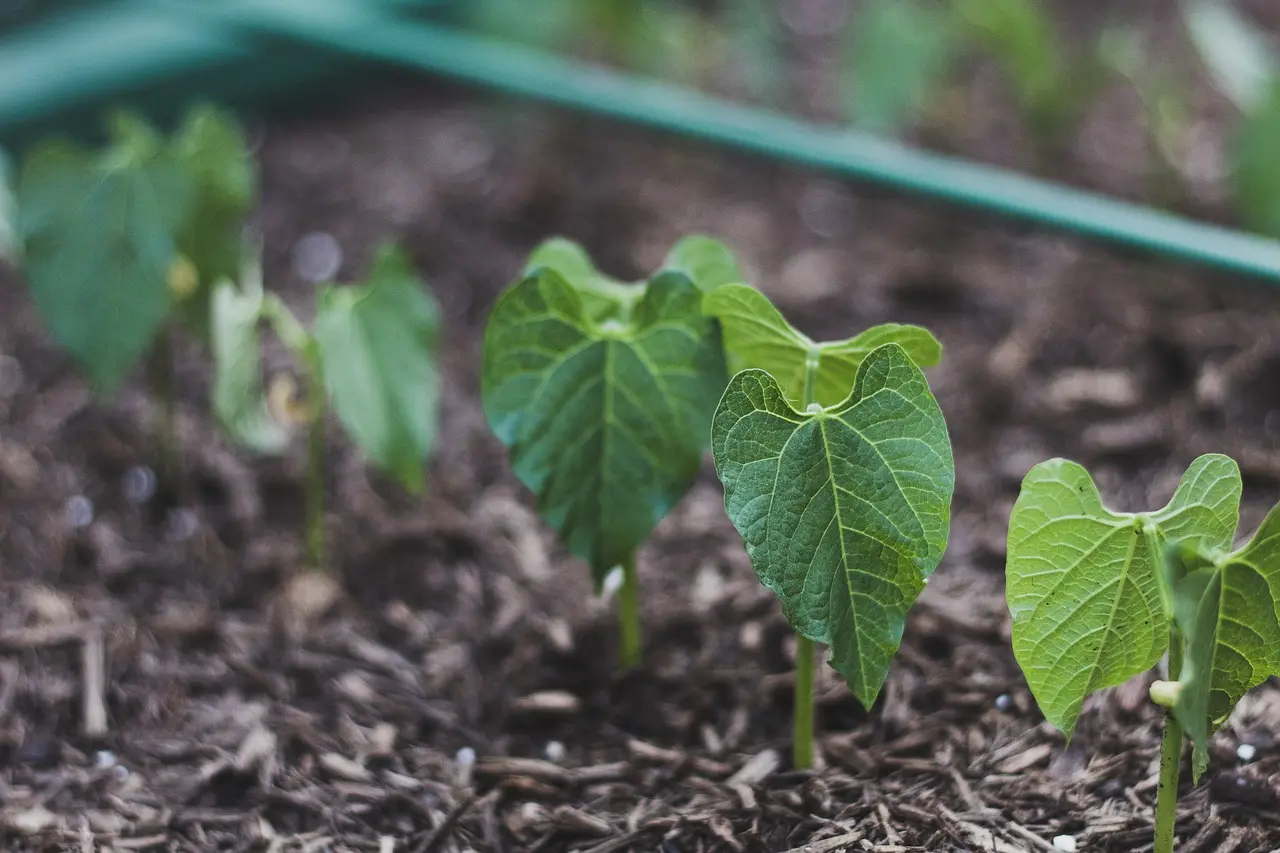
A good raised-bed plan follows the same order every season: test the soil, prepare the bed, plant the first crop, replant quickly after harvest, and rotate the crop family the next time. The bed stays productive because there is always a next crop waiting.
Raised-bed yield planning checklist
- Choose a bed that gets 6 to 8 hours of direct sun daily.
- Set the bed where water drains and does not pool after rain.
- Test pH and nutrient levels before the first planting.
- Refresh the bed with compost or organic matter before planting.
- Use 3–4 inches of compost or manure for a full reset.
- Plant cool-season crops first, then switch to warm-season crops after the last frost if your season allows.
- Use close spacing for small crops and wider spacing for fruiting plants.
- Install drip lines or soaker hoses before the bed fills in, if you plan to use them.
- Mulch after planting to slow moisture loss.
- Replant within 1–2 weeks after harvest if the season still has time.
- Rotate crop families at the bed level to slow disease and nutrient depletion.
Sample 4×4 layout
A 4×4 bed works best when the crop list is short and the calendar is tight. In spring, the front half can hold lettuce and radishes, while the back half holds a compact bean row or a single tomato with underplanting. Once the quick crops finish, the opening gets replanted immediately.
| Bed | Square or zone | Spring crop | Spacing approach | Replant timing |
|---|---|---|---|---|
| 4×4 | Front left | Lettuce | Close spacing in a block | After first full cutting |
| 4×4 | Front right | Radishes | Dense sowing in a short row | 1–2 weeks after pull-out |
| 4×4 | Back left | Beans | Small cluster near support | After picking slows |
| 4×4 | Back right | Peppers or a compact tomato | One main plant with open side room | After season end, rotate next year |
Sample 4×8 layout
A 4×8 bed can run in two sequences. Put spring greens and radishes in one half, then follow them with beans or peppers after harvest. A tomato can anchor one end if it is supported well and given enough room to avoid shading the shorter crops.
| Bed | Section | Crop pair | Planting order | Follow-up crop |
|---|---|---|---|---|
| 4×8 | North end | Tomato plus basil or lettuce edge | Transplant after last frost | Quick greens after tomato removal |
| 4×8 | Middle | Beans | Sow after soil warms | Radishes for a late slot if time remains |
| 4×8 | South end | Radishes then peppers | Radishes first, peppers later | Peppers occupy the same area for the warm season |
Bed-level rotation matters even in a small frame. Move tomatoes, peppers, and other heavy feeders to a different bed the next season if possible. That reduces disease buildup and keeps nutrient demand from stacking in one spot year after year.
What mistakes reduce yields in raised bed gardens?
The biggest yield losses come from overfilled beds, weak drainage, shallow rooting space, poor spacing, inconsistent watering, and beds that are never replanted. A raised bed can look full and still waste growing time if the crop calendar has gaps or the soil is exhausted.
Common failure cases to correct early
Overcrowding is the first problem. Too many plants reduce airflow and create thin, weak growth. Another is a bed that is too shallow for the crop mix, which forces roots into a cramped layer. Water stress and depleted soil usually follow, and yields fall together.
Another common mistake is treating the bed as one static planting. Succession sowing and replanting after harvest keep the soil working. If the bed sits empty for weeks, you lose the very advantage that raised-bed gardening can provide.
Frequently asked questions
What raised bed gardening techniques increase vegetable yields?
Depth, spacing, succession planting, and steady watering raise yield more reliably than any single amendment. Use enough loose soil for roots, plant crops at a density that still allows airflow, replant quickly after harvest, and keep moisture even with drip or soaker irrigation.
How deep should a raised bed be for better yields?
Most vegetable beds do best with enough loose soil to support root growth, and 10–12 inches is a practical target for many crops. Shallow beds can work for lettuce and radishes, but deeper-rooted crops need more room and steadier moisture to keep producing.
How far apart should vegetables be planted in a raised bed?
Space fast crops closely, but do not crowd them so tightly that leaves stay wet and shaded. Radishes and lettuce can use dense blocks, while tomatoes, zucchini, and peppers need more room for air movement, root spread, and easy harvest access.
Should I add compost every season to raised beds?
Yes, seasonal compost is one of the simplest ways to replace what harvests remove. A thin topdress keeps soil biology active and helps structure. Use a soil test too, so you correct actual nutrient needs instead of adding more material without a clear reason.
What crops are easiest to grow in a raised bed for beginners?
Lettuce, green beans, radishes, tomatoes, zucchini, and peppers are easy starting crops because they fit common bed sizes and give clear timing windows. Leafy greens can also handle partial shade better than fruiting crops, which helps in beds with uneven sun.
Do raised beds need more watering than in-ground gardens?
Often yes. Raised beds dry faster because the soil volume is smaller and drainage is quicker. That means more frequent, steadier watering is usually needed, especially during warm weather. Mulch, drip lines, and soaker hoses help keep the moisture level even.