Is Newspaper Ink Safe for Vegetable Gardens?
Plain black-and-white newspaper ink is generally considered safe in vegetable gardens, and a common rule of thumb is that about 2 to 4 layers can be used under mulch if the pages are uncoated and the ink is soy- or vegetable-based. The main problems are wet paper that mats shut, glossy inserts that contain coatings, and paper that breaks down too slowly. This article explains when newsprint is fine in edible beds, when to skip it, and what mulch substitutes work better.
Ink safety in vegetable beds
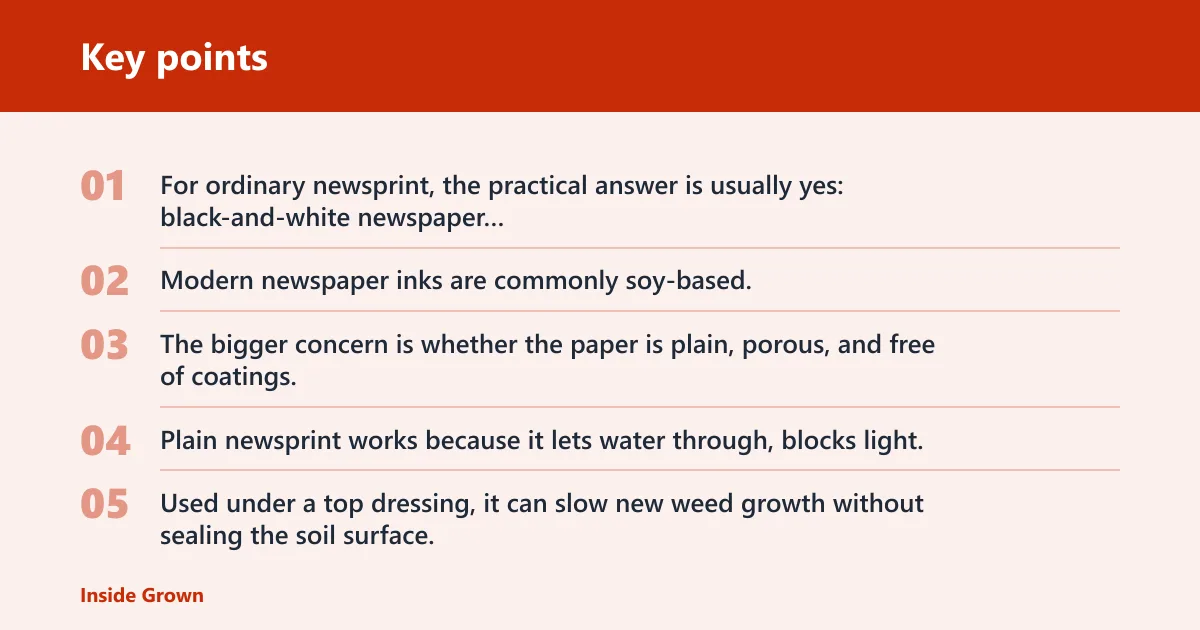


For ordinary newsprint, the practical answer is usually yes: black-and-white newspaper is acceptable under mulch in edible beds. Modern newspaper inks are commonly soy-based, which is one reason many gardeners worry less about plain newsprint than about coated advertising pages. The bigger concern is whether the paper is plain, porous, and free of coatings.
Plain newsprint works because it lets water through, blocks light, and breaks down in the bed. Used under a top dressing, it can slow new weed growth without sealing the soil surface. That makes it a temporary weed-suppression layer, not a permanent ground cover.
What people mean by ink safety
Most readers are really asking two different questions. First: will ordinary newspaper ink poison vegetables or soil? Second: will the paper layer prevent water from reaching roots? For plain newsprint, the answer is generally no on toxicity concerns and yes on water movement when the paper is laid correctly.
The real risk starts when the paper is no longer plain newsprint. Glossy inserts, coupons, and laminated pages may carry different coatings, inks, or plastic-like finishes. Those are separate materials, and they do not belong in a vegetable bed.
Decision checklist
| Paper type | Garden use allowed or not | Why | Setup notes |
|---|---|---|---|
| Plain newsprint | Allowed under mulch | Porous enough to let water through, blocks light, and biodegrades over time | Use 2 to 3 pieces as a starting layer; keep it away from stems and cover it with straw, leaves, or compost |
| Glossy inserts | Do not use | Coated pages are a different material from plain newsprint and may not break down the same way | Sort these out before laying paper in the bed |
| Coupons and advertising pages | Do not use | Often mixed paper, coated stock, or laminated sections that do not behave like newsprint | Keep them out of edible beds, even if they arrived with the newspaper |
| Shredded newspaper | Use with caution | Can clump, mat, or blow away more easily than flat sheets | Best only as part of a covered mulch layer, not as a loose top layer in windy or dry beds |
Can you use newspaper in a vegetable garden?
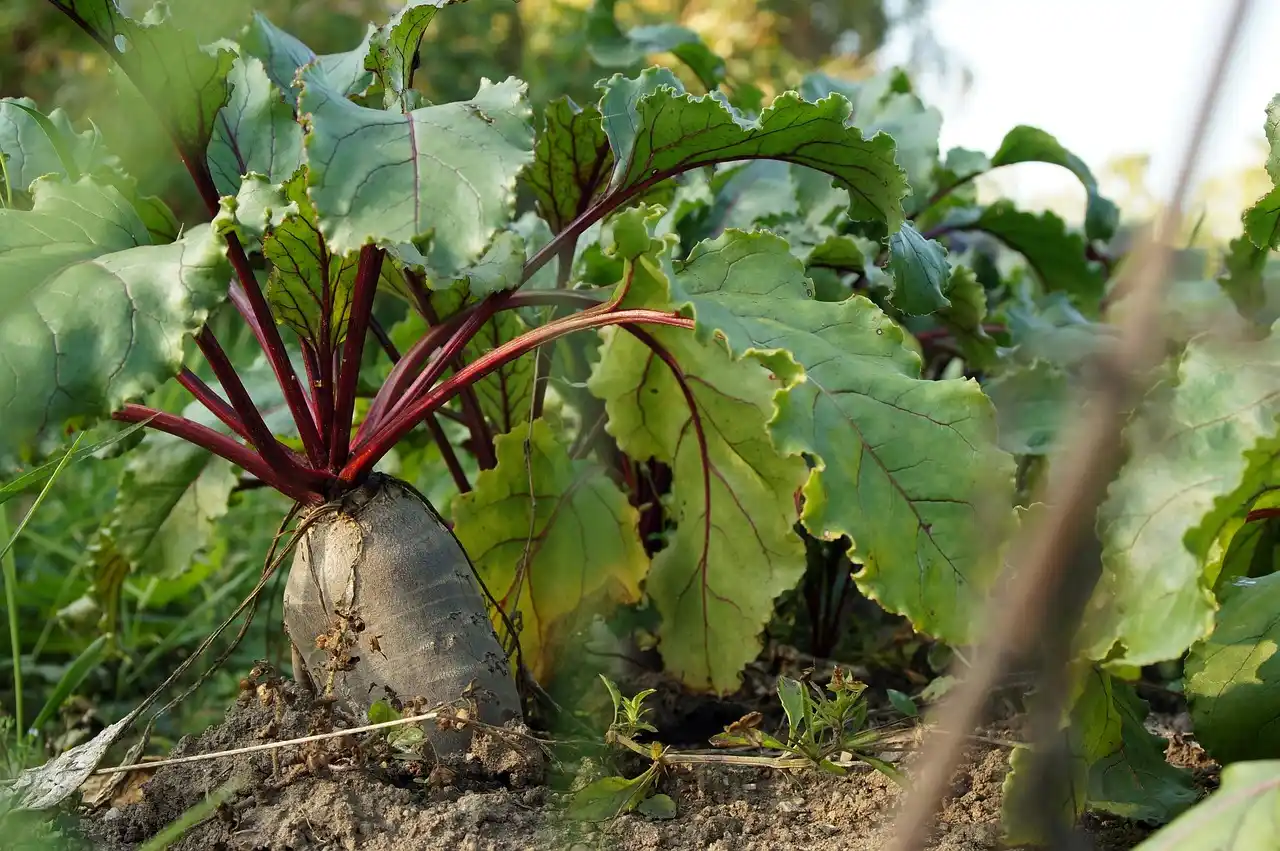
Yes, newspaper can be used in a vegetable garden when it is plain newsprint and placed correctly. The best fit is around established plants, under a top dressing of straw, leaves, compost, or another mulch. It should not be placed over small transplants or used as a blanket over plants that are still settling in.
Mulch newspaper around plants when seedlings are about four to five inches tall. That timing matters because the paper belongs around the base of plants, not over tender growth. Keep it on the soil surface where it can block light and slow weed emergence.
Best use: around established plants
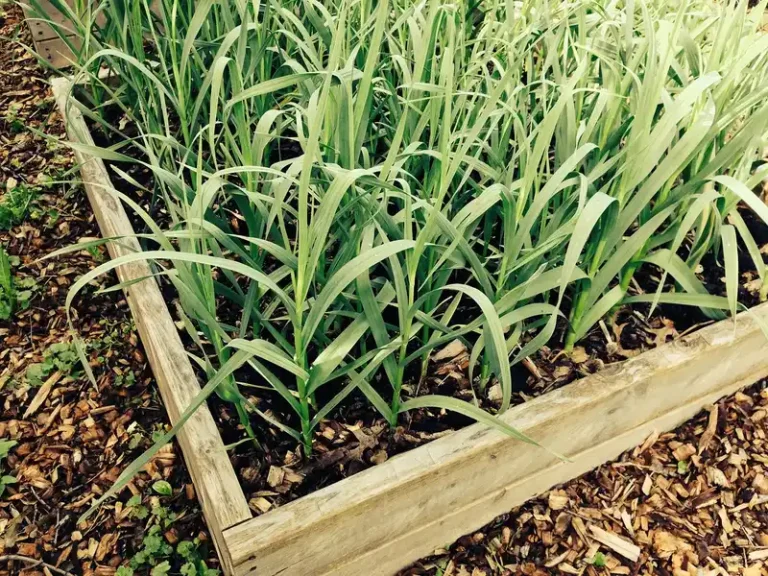
Think of newspaper as a temporary weed-suppression layer. It works well in rows that already have transplants in place, especially if you are trying to keep soil covered between plants. It is most useful where you want light blocked but still need water movement through the bed.
A common first-timer mistake is laying paper across a whole bed before the vegetables are large enough to mark their spots. The paper then gets torn during planting, or it sits too close to stems and begins to mat around the crown. Both mistakes reduce the benefit.
When to skip paper mulch
Skip newspaper in beds that need frequent digging, constant cultivation, or repeated rearranging of drip lines. It is also a poor fit for long-term no-till systems where you want mulch to stay in place for extended periods with less disturbance. In those beds, straw, leaf mulch, or a different cover often makes more sense.
Say your tomato bed has drip emitters running between plants and you need to open the soil every week to adjust spacing. A paper layer will become a nuisance fast. It may tear, bunch up, or interfere with the tubing whenever the bed is disturbed.
Beds that need frequent digging
Newspaper is best where the soil surface can stay fairly stable. If you are hand weeding, transplanting, or cultivating often, the paper breaks down faster and loses its shape. The result is patchy coverage instead of a steady weed barrier.
Which newspaper pages should you avoid?
Avoid glossy ads, coupons, laminated pages, and mixed delivery inserts. Those pieces are not the same as plain newsprint, and they can behave differently in soil. If a page feels slick, coated, or plastic-like, leave it out of the vegetable bed.
That distinction matters because many delivery packs combine several paper types. The main newspaper may be plain and acceptable, while the insert stack is not. Sort them before you mulch, not after they are already wet on the soil.
Glossy ads and coated paper
Glossy advertising inserts should be excluded from garden use. They are often coated to improve print quality, and that coating can slow breakdown or make the paper act differently under mulch. In a vegetable bed, the safest move is to keep them out entirely.
Coupons and mixed inserts
Coupons and mixed-paper inserts are common failure points. They can curl, resist water, or stay intact longer than plain newsprint. Even if they look paper-like, they are not the same as the black-and-white newspaper pages gardeners usually mean when they talk about newspaper mulch.
Laminated or plastic-backed pieces
Anything laminated or plastic-backed belongs out of the garden. These pieces do not biodegrade the way newsprint does, and they can leave behind fragments that are hard to remove later. If a page tears like coated stock instead of soft paper, skip it.
How many layers should you use?
A practical starting point is 2 to 3 layers of newspaper on the soil. That amount is usually thick enough to block sunlight while still allowing water movement. Some guidance also allows about 4 layers, but the real target is coverage that suppresses light without turning into a sealed mat.
More layers are not automatically better. Too much paper can slow wetting, mat together, or dry into a dense sheet that sheds water on the surface. Too little paper lets light through and gives weeds a chance to push up.
Why thickness matters
Weed suppression depends on light blockage. If sunlight reaches the soil, many weed seeds still germinate. If the paper is thin or full of gaps, the bed gets partial shade only, which is not enough for reliable suppression.
At the same time, the bed still needs water movement. Paper that is too thick, too dry, or too tightly packed can shed water instead of passing it through. That is why the common advice is to use enough layers to block light, but no more than the bed can handle.
How water still has to move through
Newsprint is porous, so it can let rain and irrigation pass. Wetting the paper before topping it helps it settle and reduces the chance that wind lifts the edges before the mulch goes on. Once covered, the paper breaks down gradually in the bed.
How to set newspaper under mulch
The setup is simple. Place plain newsprint on bare soil, wet it lightly, keep it away from stems, and cover it with another mulch. Garden staples can help hold the paper in place in windy or sloped beds, but they are optional.
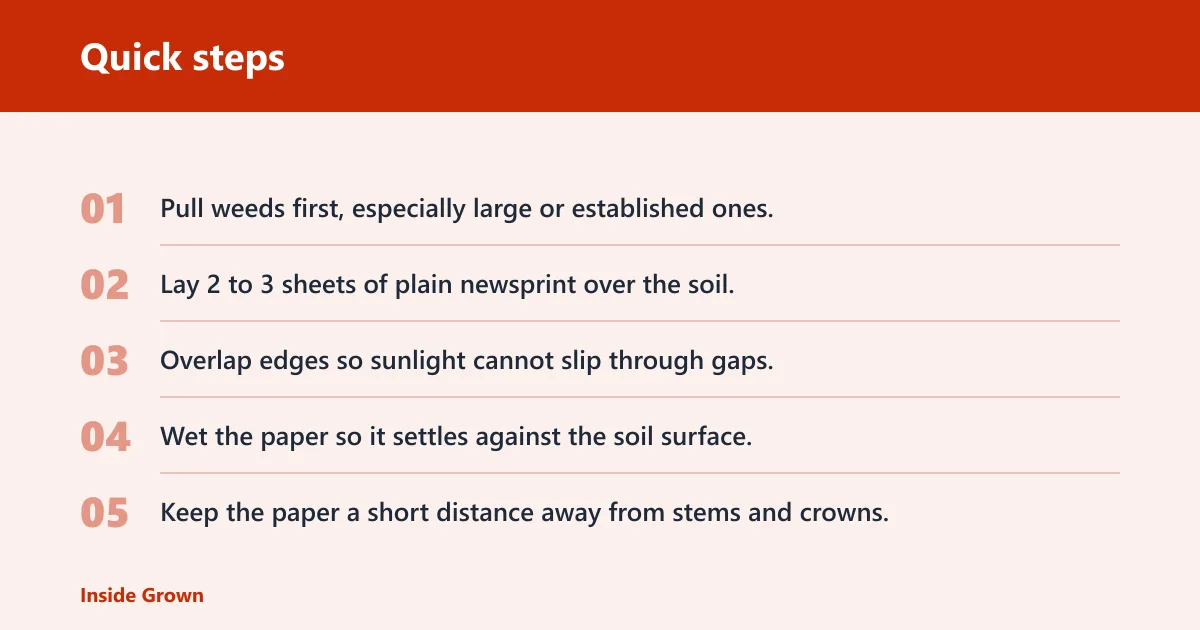
That top dressing matters. Newspaper works best under straw, leaves, compost, or another mulch layer. Used alone, it dries out, lifts, and tears much more easily.
Step-by-step setup
- Pull weeds first, especially large or established ones.
- Lay 2 to 3 sheets of plain newsprint over the soil.
- Overlap edges so sunlight cannot slip through gaps.
- Wet the paper so it settles against the soil surface.
- Keep the paper a short distance away from stems and crowns.
- Anchor edges with garden staples if wind or slope is a problem.
- Cover the paper with straw, leaves, compost, or another mulch.
Keep it away from stems
Do not place newspaper against stems. Gardening Know How says not to place mulch against stems and not to cover the root system of vegetables and ornamentals. A small open ring around each plant reduces rot and keeps the paper from crowding the crown.
Picture a row of pepper plants with paper pushed right up to the stems. The paper stays wet longer there, and the base of the plant sits in a damp pocket. Leave a gap instead, then top the rest of the bed with mulch.
Wet it before topping it
Wet newspaper before you add mulch on top. Damp paper settles faster, is less likely to blow away, and makes the bed easier to cover evenly. Dry sheets can curl and shift before the top dressing is in place.
Use staples on windy or sloped beds
Garden staples are optional, but they are useful in exposed beds. They help keep the paper flat until the top mulch goes on, especially on slopes or in windy sites. Once the cover mulch is added, the staples matter less.
Newspaper versus landscape fabric
Landscape fabric is a main comparison material. It has a cost, and it can shred at the edges over time. Newspaper usually costs less, breaks down in the bed, and is easier to replace, but it is temporary and best used under another mulch layer.
Choose newspaper when you want a short- to medium-term weed barrier in an edible bed. Choose landscape fabric only when you want a more durable barrier and are willing to accept that it will eventually wear, fray, or need replacement. Neither one fixes poor bed prep.
When newspaper is the better choice
Newspaper is often the better choice for seasonal vegetable beds, especially around established seedlings. It is simple to install, lets water through, and disappears over time. That makes it useful where you want mulch to feed the soil surface as it breaks down.
When another mulch works better
Cardboard, straw, leaf mulch, and compost can all be better choices depending on the bed. Cardboard is often stronger for larger weed pressure. Straw and leaves are better if you want a loose, breathable top layer. Compost is useful when you want a finer finish around transplants.
Preen is a separate option for weed prevention. It is described as a natural vegetable garden weed preventer made with corn gluten, and the brand says it is child and pet-safe and suitable for vegetable gardens. That is a different approach from paper mulch, which blocks light rather than using a soil-applied product.
Frequently asked questions
Is newspaper ink toxic in the garden?
Plain black-and-white newsprint is generally not treated as a toxic garden material, especially when the ink is soy-based. The bigger concern is whether the paper is coated, glossy, or mixed with inserts. For edible beds, plain newsprint under mulch is usually the safer, simpler choice.
Does newspaper stop weeds without harming plants?
It can suppress weeds by blocking sunlight, and it usually will not harm established plants when used correctly. The paper must stay off stems and crowns, and it should not cover the root system. If the layer mats too tightly or stays too dry, it loses effectiveness.
Which newspaper pages should I avoid using as mulch?
Avoid glossy inserts, coupons, advertising pages with coatings, and any laminated or plastic-backed pieces. Those are not the same as plain newsprint, and they may not break down well in a vegetable bed. Separate the acceptable black-and-white pages from the rest before you start.
How many layers of newspaper should I put down?
Start with 2 to 3 layers of plain newspaper. That is usually enough to block light while still allowing water movement. If the bed is very windy or the paper is thin, you may need careful overlap and a top dressing rather than simply adding more paper.
Should I wet newspaper before mulching?
Yes. Wetting the paper helps it settle on the soil and reduces shifting before the top mulch is added. It also makes the paper conform better around the bed. After that, cover it with straw, leaves, compost, or another mulch so it stays in place.