Plants for a Desert Botanical Garden Theme
For a desert botanical garden theme, choose about 6 to 10 plant groups by form, such as columnar cacti, rosette succulents, spiny shrubs, desert trees, ground-hugging mats, and accent grasses. If you mix these without a plan, the bed reads like stock left over from a nursery row. This guide covers plant choices, grouping by shape, label strategy, and sightline planning so the collection feels curated and educational.
Desert collection planting matrix


| Plant type | Mature size | Sun exposure | Water need | Visitor impact | Best placement | Avoid |
|---|---|---|---|---|---|---|
| Agave (Agave spp.) | 1 to 20 feet tall; 1 to 10 feet wide | Full sun | Low once established | Architectural focal point | Focal point or rock pocket | Crowded paths, deep shade, splashy irrigation |
| Aloe (Aloe spp.) | 6 inches to 30 feet tall | Full sun for heat-tolerant types; give some protection where summers are extreme | Low | Evergreen form, seasonal color, long bloom on some varieties | Container, edge, or bed accent | Assuming every aloe can take the same sun, frost, or heat |
| Bougainvillea (Bougainvillea spp.) | 3 to 30 feet tall and wide | Full sun | Low to moderate once established | Near-year-round bloom in warm climates | Wall, trellis, or large screen | Small containers, frost pockets, heavy shade |
| California poppy (Eschscholzia californica) | 12 to 18 inches tall and wide | Full sun | Low | Spring to summer color | Massing or edge | Hot low-desert sites where summer heat shortens bloom |
| Creosote bush (Larrea tridentata) | 4 to 8 feet tall and wide | Full sun | Very low | Native authenticity, fine-textured evergreen shrub | Massing or specimen shrub | Partial shade, rich soil, overwatering |
| Desert willow hybrid / El Nino™ Desert Orchid (Chitalpa hybrid) | 5 to 8 feet tall | Full to partial sun | Low to moderate | Summer bloom with a bushy, spreading habit | Backdrop or small grove in open ground | Long-term container use, tight courtyards |
| Cacti and succulents | Varies by genus and species | Usually full sun; some need filtered light in extreme heat | Low | Strong silhouettes, storage-adapted leaves or stems | Rock pocket, container, or bed | Waterlogged soil, frost-prone sites for tender types, shaded humid corners |
Use the matrix as a display plan, not as a shopping list. In a botanical garden style bed, the first choice is shape, then size, then bloom window, and only then color.
What makes a desert botanical garden theme work
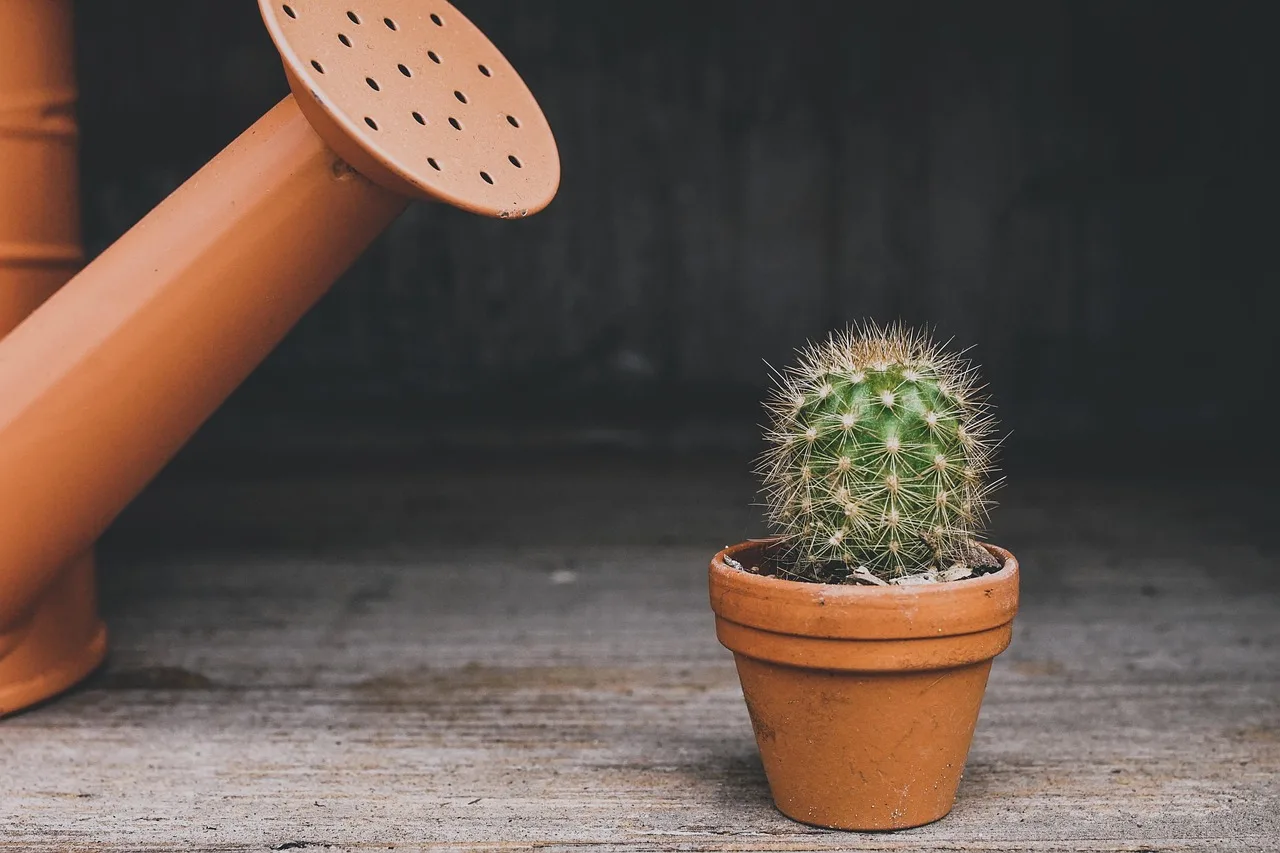
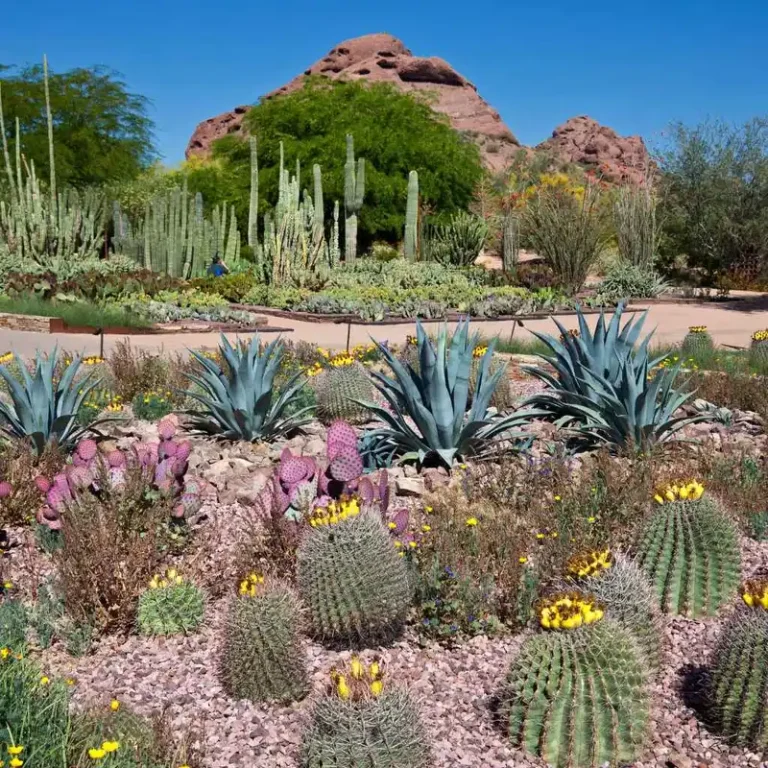
A strong desert theme reads as a planned collection, not a random mix. Group plants by height and outline, leave clear sightlines for labels, and repeat forms so visitors can compare one specimen to the next.
Use form, texture, and height to create a visitor path
Start with a tall anchor at the back or center, then step down through medium shrubs and low rosettes. That layered sequence guides the eye and gives each plant a job, especially when the bed is viewed from a path, patio, or entry gate.
Spines, paddles, tubes, and narrow leaves all tell a different story. When those forms are spaced with intent, the garden reads like an exhibit.
Separate specimen plants from mass plantings
A specimen should stand alone. A mass planting should repeat a single form or a closely related group to build rhythm.
For example, one large agave can act as a focal point, while a drift of California poppy or small succulents can edge a path. Mixing both jobs in one patch blurs the message.
Build labels and sightlines into the layout
Leave room for people to stop without stepping into the planting. Place taller plants where they do not block labels behind them, and keep spined plants away from narrow pinch points.
Say your front bed has about a 4-foot-wide path and a single agave at the corner. That agave can mark a turn, but only if the spines stay clear of shoulder height and the label sits where people can read it without leaning over the plant.
Which desert plants give the strongest focal points?
The strongest focal points are plants with clear geometry, strong size, and a shape visitors can recognize from a distance. Agave, large cacti, and a few shrub forms work best when they have space and simple surroundings.
Agave as an architectural specimen
Agave is one of the clearest specimen plants for this theme. The genus can reach 1 to 20 feet tall and 1 to 10 feet wide, which makes it useful from small accent beds to large entry displays.
Use agave where its outline can be read cleanly against gravel, stone, or open sky. It should not be tucked between crowded companions. The point is to let the rosette read as sculpture.
Large cacti for vertical form
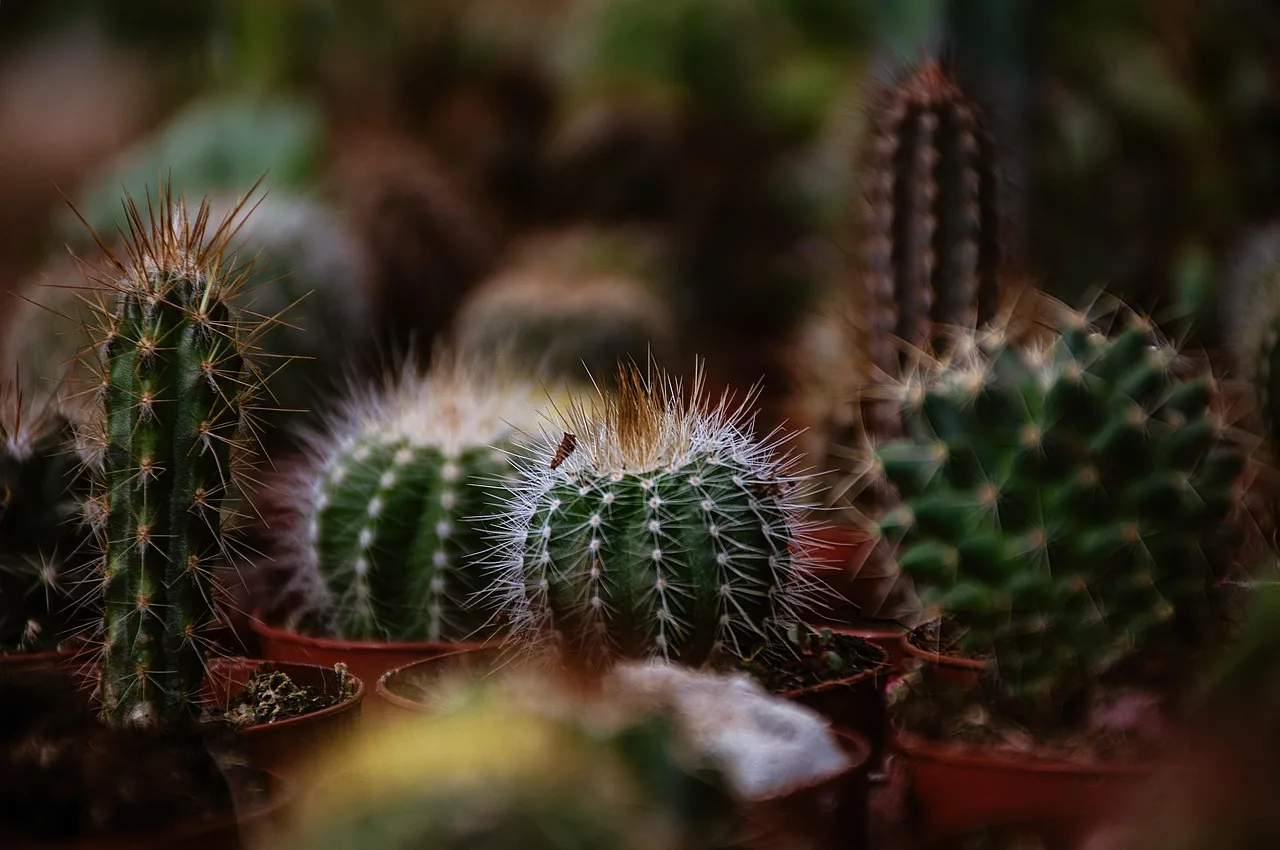
Tall cacti give the garden a vertical spine. Columnar forms work well near turning points, where visitors need a visual marker, and in open beds where the silhouette can stand out against low plantings.
Because cacti and succulents store water in stems or leaves, they fit hot, dry, rocky settings well. Their forms also create contrast against shrubby or mounded plants.
Using bold silhouettes near entries and turns
Place one large focal plant where a person first enters a section, then repeat a smaller version farther along the path. That repetition helps the garden feel planned rather than accidental.
Keep spined or sap-bearing plants far enough from shoulders, knees, and children’s paths that people can look closely without brushing them.
Which flowering plants fit the theme?
Flowering plants give the desert garden seasonal movement, but the best choices still need a strong form. Use bloom for punctuation, not as the whole design.
Bougainvillea for wall and trellis color
Bougainvillea is listed for zones 9-11 and can reach 3 to 30 feet tall and wide. In warm climates it can bloom nearly year-round, which makes it a strong choice for walls, trellises, and large screens.
It is best treated as a vining, spreading shrub with space to climb or sprawl. Do not force it into a small planter if the goal is a lasting display.
California poppy for seasonal color where climate allows
California poppy is listed for zones 6-10 and grows 12 to 18 inches tall and wide. It gives spring to summer bloom, but it is better suited to cooler or mild desert-edge conditions than to the hottest low-desert sites.
A common first-timer mistake is expecting it to hold color through a brutal summer without irrigation. In hot inland beds, it may finish early and leave gaps unless you plan for replacement color.
Desert willow hybrid and chitalpa for larger display spaces
Desert willow hybrid and chitalpa are useful where a garden needs a larger flowering backdrop. The bushy, spreading habit and summer bloom fit open ground, not tight borders or small containers.
Use them as a small grove or a backdrop plant where their canopy can be seen from a distance. Their scale makes the theme feel like a garden, not a tray of potted specimens.
What works in borders, rock pockets, and containers?
Small spaces need compact plants, clean edges, and careful heat matching. Borders and containers are where the collection can become educational, because visitors see leaf shape, bloom, and texture at close range.
Aloe placements by heat and exposure
Aloe is listed for zones 7-12, depending on variety, and may grow from 6 inches to 30 feet tall. That range is broad enough to demand species-level caution, especially in full sun and in colder or windier sites.
Use aloes as border accents or container specimens only when the specific plant suits the heat and the light. Many types need more protection than agaves in intense inland sun.
Compact succulents for pots and tight beds
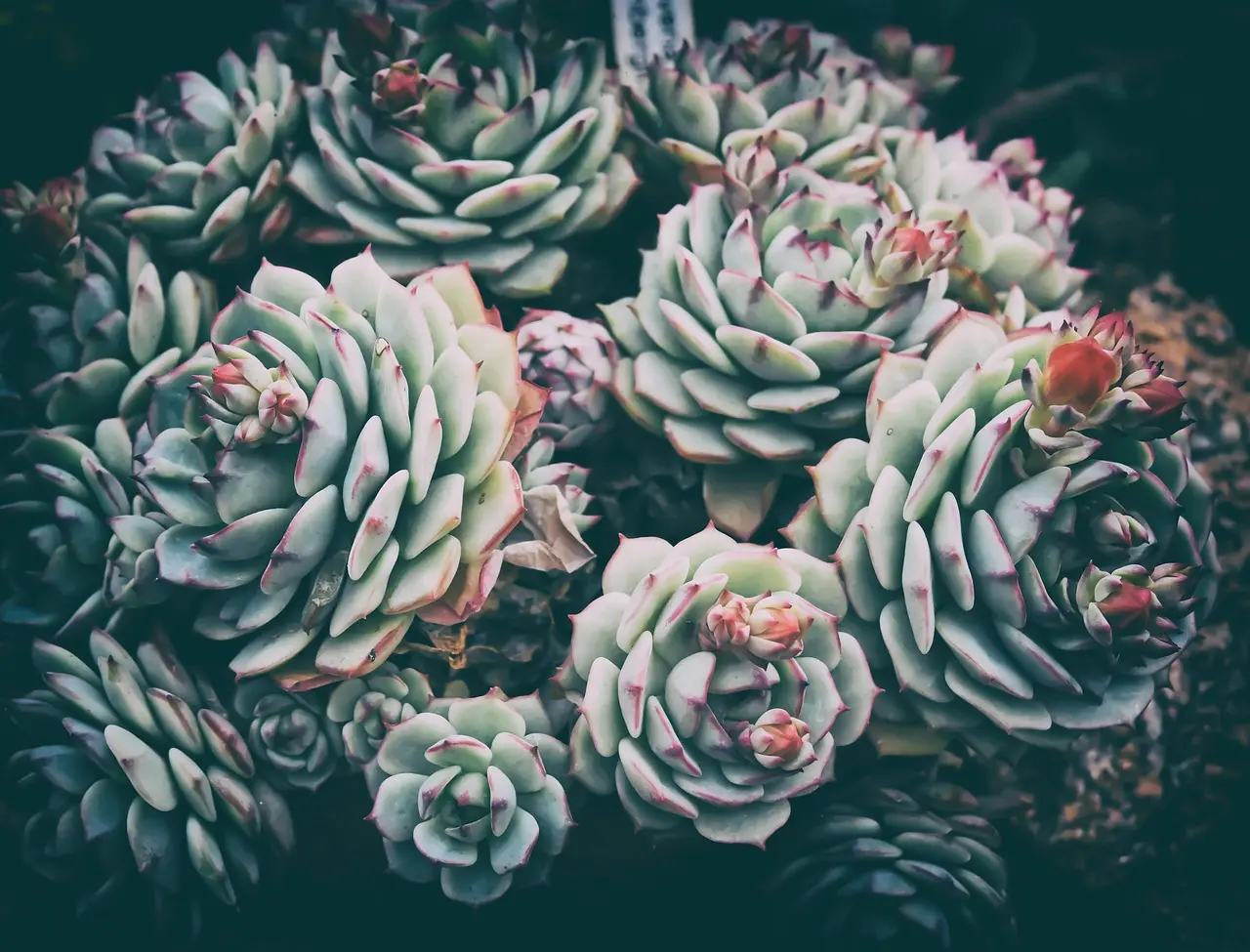
Small rosette succulents and compact cacti work well in planters, troughs, and tight rock pockets. They are ideal where visitors can study form up close without the plant overwhelming the space.
Choose plants with similar water needs so the whole container can be managed with one irrigation pattern. Mixing a thirsty shrub with a cactus defeats the point.
Low growers for edges and path sides
Low growers are best for the front edge of a bed, where they soften hardscape without blocking the view. Use mats, small succulents, or short seasonal bloomers, then repeat them in groups for rhythm.
Keep path-side plants low enough that they do not force visitors to step around them. That matters even more when spines or sharp leaf tips are part of the design.
How do native desert plants and xeriscaping fit together?
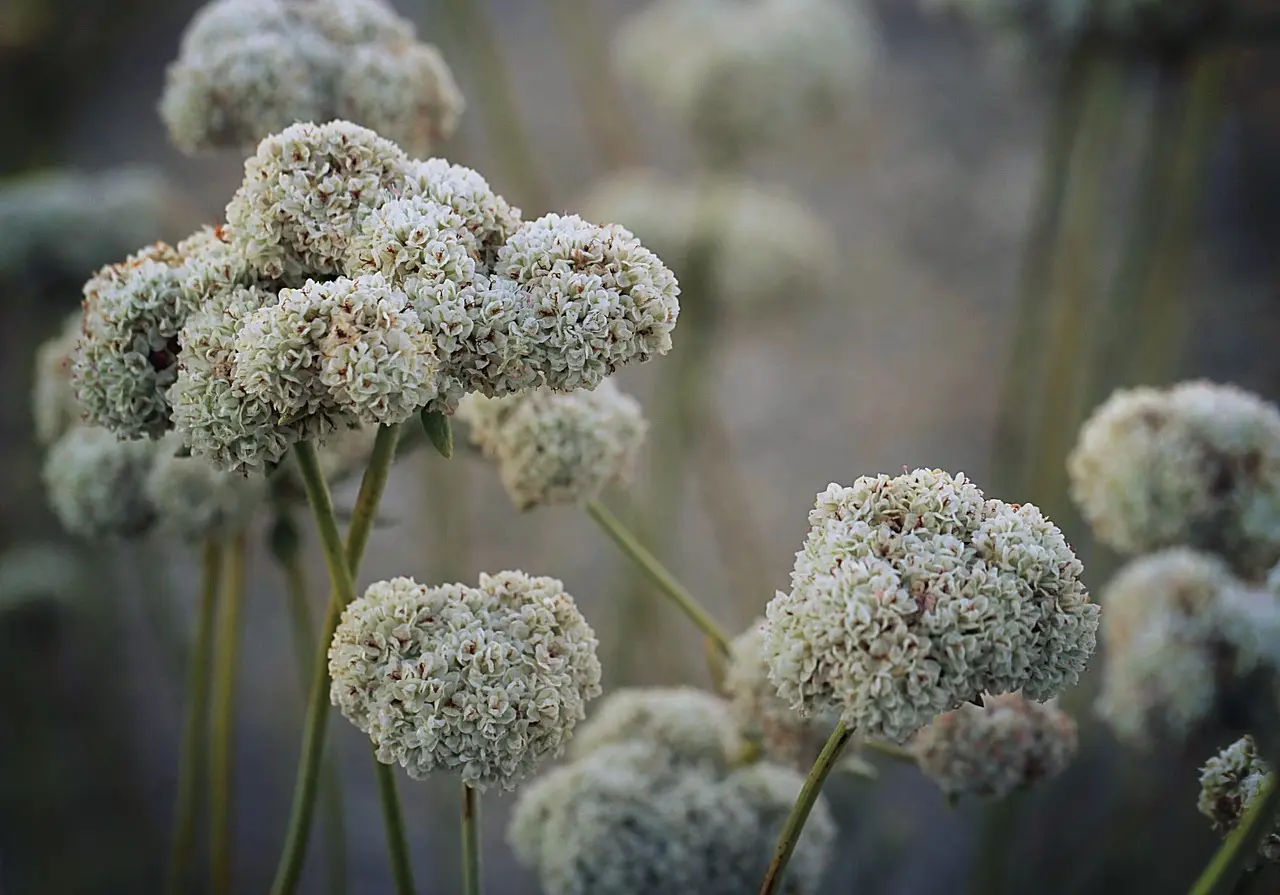
Native selection matters because authenticity and maintenance are not the same as broad drought tolerance. Xeriscaping is about water conservation, but a desert botanical display also needs the right plants for the right story.
Why native selection matters for authenticity
True desert natives tell a stronger regional story than ornamental plants that merely tolerate drought. Creosote bush is a good example: it is listed for zones 7-11, grows 4 to 8 feet tall and wide, and belongs in full sun where the site can support it.
That native emphasis helps the collection feel tied to place. It also helps the garden teach visitors what belongs in hot, dry conditions and what only survives there with extra care.
Water-saving design without a generic look
Xeriscaping and desert planting rely on drought tolerance, water conservation, low maintenance, and plants that fit hot, dry conditions. The mistake is to reduce the idea to gravel and a few random succulents.
Instead, group plants by habitat and by form. A set of spiny shrubs, a drift of low succulents, and one or two bold specimens will read as a collection with purpose.
Matching plants to hot, dry, rocky sites
Rocky soil, reflected heat, and low rainfall favor plants with water storage, tough foliage, or deep-rooted desert habits. That is where cacti, agaves, creosote, and selected aloes can perform well if the exposure matches the plant.
Suppose a bed sits against a south-facing wall that radiates heat all afternoon. A full-sun agave or a heat-tolerant cactus fits there; a shade-leaning plant does not, even if the tag says drought tolerant.
- Divide the space into focal, mid-layer, and edge zones.
- Choose one major specimen for each focal zone.
- Add shrubs or medium succulents to connect the anchors.
- Fill the front edge with low growers or seasonal bloomers.
- Leave open space for labels, maintenance access, and visitor sightlines.
- Match every plant to the site’s sun, heat, and soil drainage.
Frequently asked questions
What plants work best for a desert botanical garden theme?
The best plants are those with strong shape and clear size differences: agave, cacti, aloe, creosote bush, bougainvillea, California poppy, and desert willow hybrid or chitalpa. Use them as a layered collection, with one or two focal plants, repeated midsize shrubs, and low edge plants.
What are some desert plants that look good in a garden display?
Agave, barrel-type cacti, creosote bush, bougainvillea, and selected aloes are strong display plants because they read well from a path. Look for plants with visible structure, not just flowers, so the garden keeps interest even when bloom is absent.
What types of plants in the desert can I use in a landscape?
You can use cacti, succulents, desert shrubs, flowering perennials, and larger desert-adapted shrubs or small trees. The key is matching plant size and exposure to the bed, then grouping similar water needs so the planting stays manageable.
What are some flowering desert plants for landscaping?
Bougainvillea, California poppy, and desert willow hybrid or chitalpa are useful flowering choices. Bougainvillea suits warm walls and trellises, California poppy gives seasonal color in suitable climates, and the tree-form selections fit larger spaces where their summer bloom can read from a distance.
What plants are good for desert landscaping in full sun?
Agave, creosote bush, many cacti, some aloes, and bougainvillea are all candidates for full sun, provided the species and site match. Full sun is often the default for desert gardens, but the hottest inland locations still require careful species selection.
Which desert plants are low-maintenance and drought tolerant?
Agave, creosote bush, cacti, and many succulents are low-water plants once established. They still need the right drainage, spacing, and exposure. Low maintenance does not mean no planning; it means the plant matches the site well enough to need less intervention.
Can I mix cacti, succulents, shrubs, and flowering plants in a desert garden?
Yes, and that mix is usually what makes the display feel complete. Use cacti and succulents for form, shrubs for mass, and flowering plants for seasonal color. The mistake is mixing them without a hierarchy, which makes the bed look accidental instead of curated.
What desert plants work well in containers or planters?
Compact succulents, smaller cacti, and some aloes work well in containers if the light and drainage are right. Bougainvillea and larger chitalpa or desert willow types are poor long-term container choices because of their size and growth habit.
What are the best native desert plants for a Sonoran-style garden?
Creosote bush is one of the strongest native-style choices, and agave can also fit a Sonoran look when the species is appropriate. For a more authentic display, favor plants with proven desert habits rather than general drought tolerance alone.
What types of plants in the desert
The main types are cacti, succulents, shrubs, flowering perennials, and desert trees or tree-like shrubs. For a garden display, the best approach is to use all of them in a deliberate pattern so the visitor can read scale, bloom timing, and form at a glance.
What are some desert plants?
Common examples include agave, aloe, bougainvillea, California poppy, creosote bush, cactus species, and desert willow hybrid or chitalpa. The best choice depends on whether you need a specimen plant, a border plant, a seasonal bloomer, or a container accent.