Gardening Techniques for Watering Containers Evenly
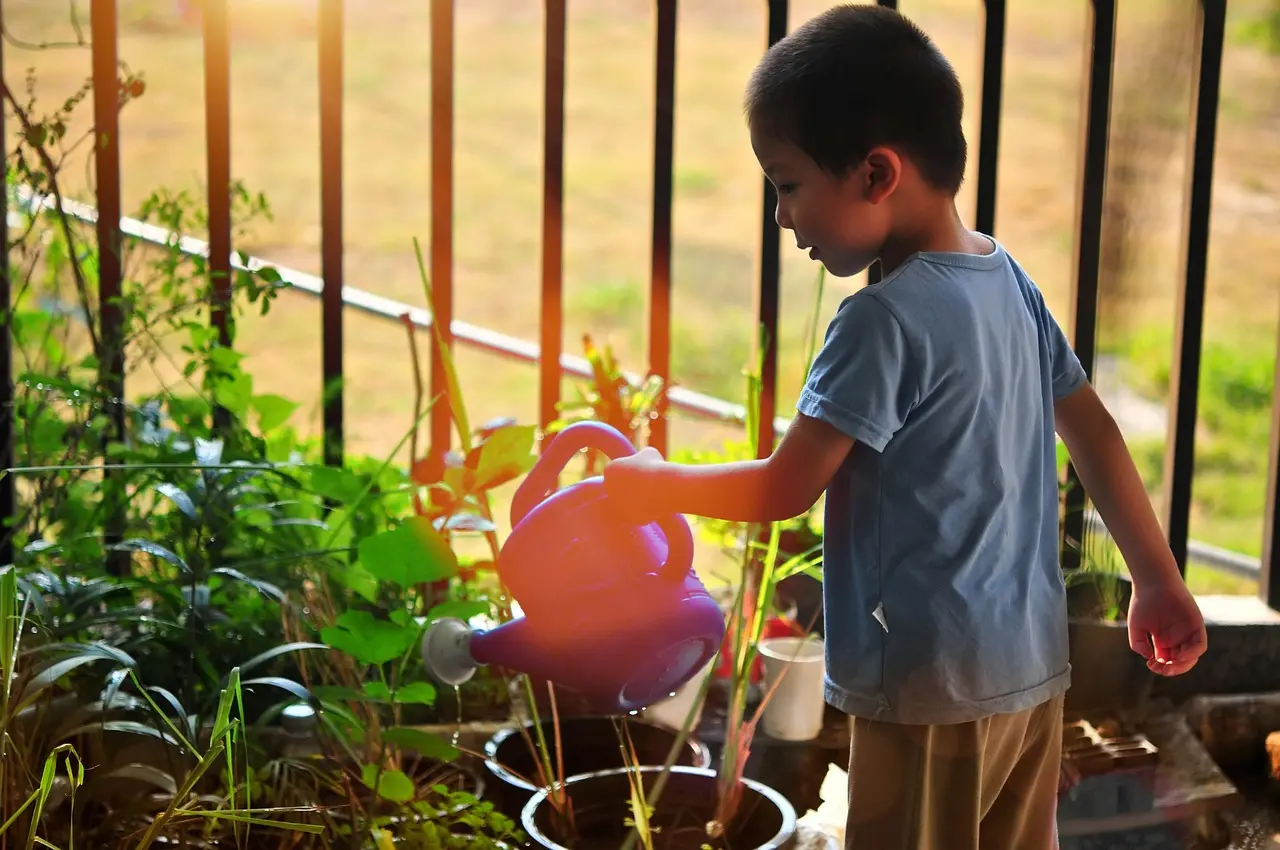
Water containers in slow, even passes so moisture reaches the full root zone, then check 1–2 inches below the surface. If the top dries while the bottom stays wet, water in two passes or bottom-water for about 15–20 minutes (University of Minnesota Extension; University of Florida IFAS Extension). Uneven moisture causes wilt, blossom drop, root rot, and dry pockets that kill feeder roots. This guide shows how to spot dry spots, correct potting mix and pot setup, and water containers well in heat, sun, and wind.
What you’ll need

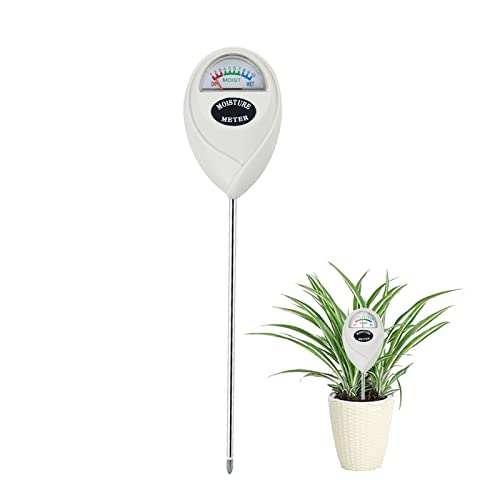
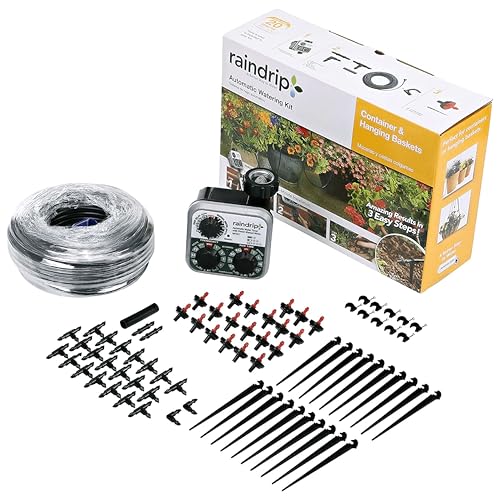
- Watering can, hose with a gentle nozzle, drip irrigation, or soaker hose
- Finger test or moisture probe
- Mulch for a thin top layer
- Fresh, airy potting mix
- Saucer or tray for bottom watering
- Container with drainage holes
How do you water containers evenly?
Check moisture first, then water slowly so the mix absorbs it through the full pot. If the surface looks dry but the root zone is still damp, stop and recheck instead of pushing water straight through. The goal is full, even wetting, not a fast flood that leaves dry channels behind.
- Insert a finger 1–2 inches down or use a probe near the center of the pot.
- Water in one slow pass until liquid begins to leave the drainage holes.
- Wait 5–10 minutes, then water again only if the center still feels dry.
- For hot, windy weather, water in the morning so the plant starts the day with moisture in the root zone.
- For 10–12 inch pots in heat, check again later the same day; they can dry within a day in heat (North Carolina State Extension; Penn State Extension).
Say your 12-inch tomato pot dries out by late afternoon on a sunny balcony. A slow morning soak may reach the edge of the root ball, but the center can still lag behind. A second pass after a short wait usually wets the dry pocket without flooding the whole pot.
How can you tell if your container is drying out unevenly?
Uneven drying usually shows up as one of three patterns: the top crust is dry while the lower mix stays damp, the center is dry but the edges feel wet, or the plant wilts in midday and recovers at dusk. Check the center and the edge separately, plus top and bottom layers, to pinpoint the pattern.
Container moisture troubleshooting matrix
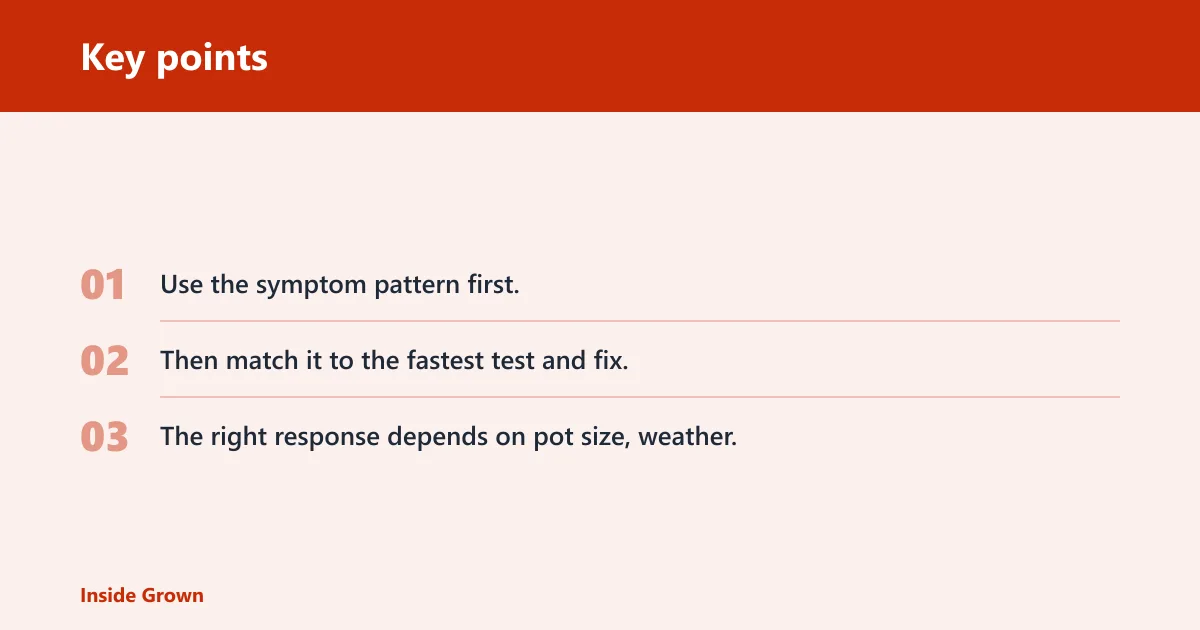
Use the symptom pattern first. Then match it to the fastest test and fix. The right response depends on pot size, weather, and whether the mix is repelling water or channeling it down the sides.
| Symptom pattern | Likely cause | Quick test | Best fix | Prevention for small containers | Prevention for medium containers | Prevention for large containers |
|---|---|---|---|---|---|---|
| Dry center with wet edges | Water is running down the pot edge | Pour a cup of water slowly near the center and watch for runoff at the sides | Water in two passes, 5 minutes apart | Use a smaller, slower pour and a fine rose | Add mulch and water around the whole surface | Use drip irrigation or two soak cycles |
| Water runs out too fast | Hydrophobic or exhausted potting mix | Does water bead or move straight through? | Bottom-water for 20–30 minutes, then drain thoroughly | Refresh mix seasonally | Blend in fresh potting mix at repotting | Replace the upper portion of tired mix each season |
| Top dries while bottom stays wet | Compacted mix or poor drainage | Lift the pot and check if it stays heavy for days | Improve drainage and repot into airy mix | Use a pot with at least one drainage hole | Use more than one hole in wider pots | Use 3–4 holes for pots over 12 inches wide |
| Repeated midday wilt | Pot is too small for heat, sun, or wind | Check moisture by afternoon on a windy day | Increase pot size or move the pot out of harsh exposure | Water in the morning and give shade from hot wind | Add a thin mulch layer | Switch to a larger container or drip system |
Why does water run through my pots so fast?
Fast runoff usually means the mix is hydrophobic, compacted, or being pulled along the pot wall instead of soaking the root zone. If the soil surface looks damp but the pot drains almost at once, the water is not spreading evenly. That is a mix or setup problem, not proof that the plant has enough water.
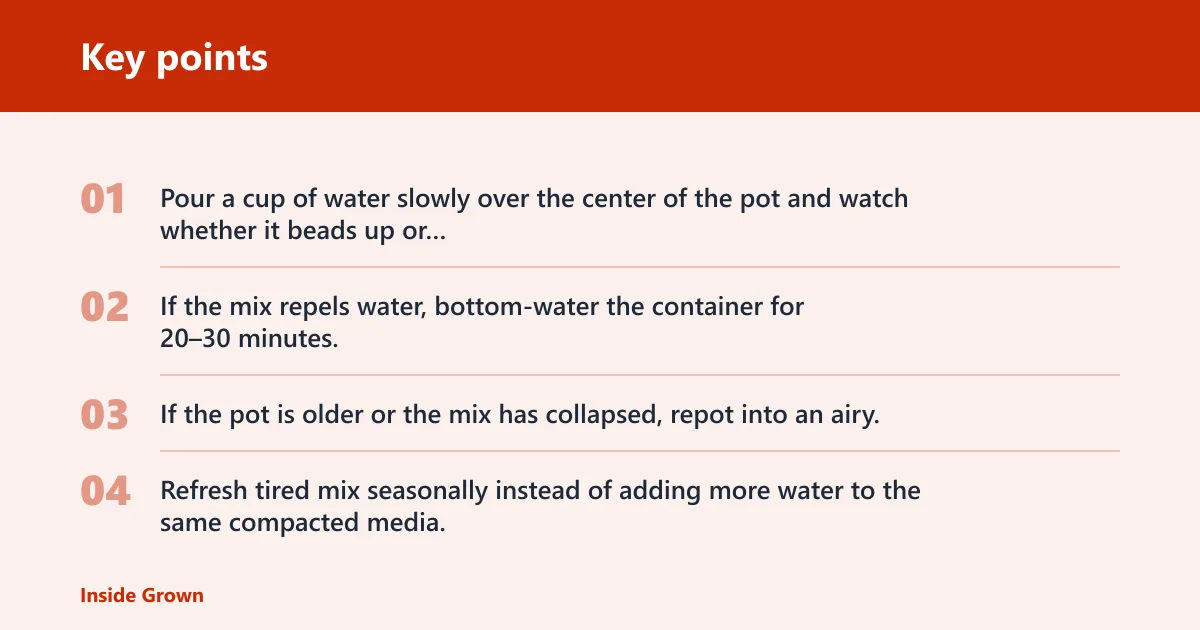
- Pour a cup of water slowly over the center of the pot and watch whether it beads up or disappears at the edge.
- If the mix repels water, bottom-water the container for 20–30 minutes, then drain thoroughly.
- If the pot is older or the mix has collapsed, repot into an airy, fast-draining potting mix.
- Refresh tired mix seasonally instead of adding more water to the same compacted media.
Suppose a glazed 8-inch pot drains in seconds while the surface still looks dry. A hydrophobic mix often sends water straight past the root ball. Bottom watering gives the dry mix time to wick moisture upward instead of letting it slip through the path of least resistance.
Should you use bottom watering or self-watering containers?
Bottom watering helps most when the mix has become water-repellent or when the top is dry but the root zone needs a full recharge. Self-watering containers can help with steadier moisture because a lower reservoir feeds water upward by capillary action. They are useful, but they do not replace a good mix or drainage.
When bottom watering helps most
Bottom watering is a fix, not a routine for every pot. Use it when water channels down the sides, when the mix has gone hydrophobic, or when the top layer dries faster than the root zone. Set the pot in water for 15–20 minutes, or longer for very dry mixes, then lift it out and let it drain fully (North Carolina State Extension).
How SIPs and reservoirs move water upward
Self-watering containers, also called SIPs or sub-irrigated planters, keep water in a lower reservoir. The mix draws water upward as roots use it. That helps reduce watering mistakes, especially for growers who miss the short window between dry topsoil and a stressed root zone.
Which container types benefit most from wicking?
Small decorative pots, hot patio planters, and busy mixed containers often benefit most. Very large containers can still use top watering or drip irrigation, especially if they hold plants with high water demand. A tomato container still needs at least 5 gallons minimum, and extension recommendations commonly place the floor at 5 gallons or larger for productive container tomatoes (University of Maryland Extension; Clemson Home & Garden Information Center).
What container size holds moisture best?
Larger containers hold more moisture and buffer swings better than small pots. Small pots dry faster, and 10–12 inch pots can dry within a day in heat (Ohio State University Extension; Penn State Extension). Pot shape matters too: tall narrow pots can hide a wet bottom and a dry top, while wide shallow pots lose water more quickly across the surface.
Material and color matter as well. Dark pots heat faster and dry faster in sun. Porous materials lose moisture faster than glazed or plastic pots. On a windy balcony, those differences become obvious by afternoon.
Common mistakes
Most failures come from setup, not from watering “too little” or “too much” in the abstract. Fix the container first, then the schedule.
- Using garden soil in pots: It compacts in containers and blocks even wetting. Use a quality potting mix instead.
- Skipping drainage holes: Excess water has nowhere to go, and roots sit in water. Use at least one drainage hole; larger pots need multiple holes, and containers without drainage are not recommended by extension programs for most plants.
- Watering at midday: More moisture is lost to evaporation. Water in the morning when possible.
- Relying on mulch alone: Mulch helps, but it cannot fix poor mix or bad drainage.
- Trusting a self-watering pot without checking the reservoir: Even SIPs need inspection, especially in heat and wind.
Does mulch help containers stay evenly watered?
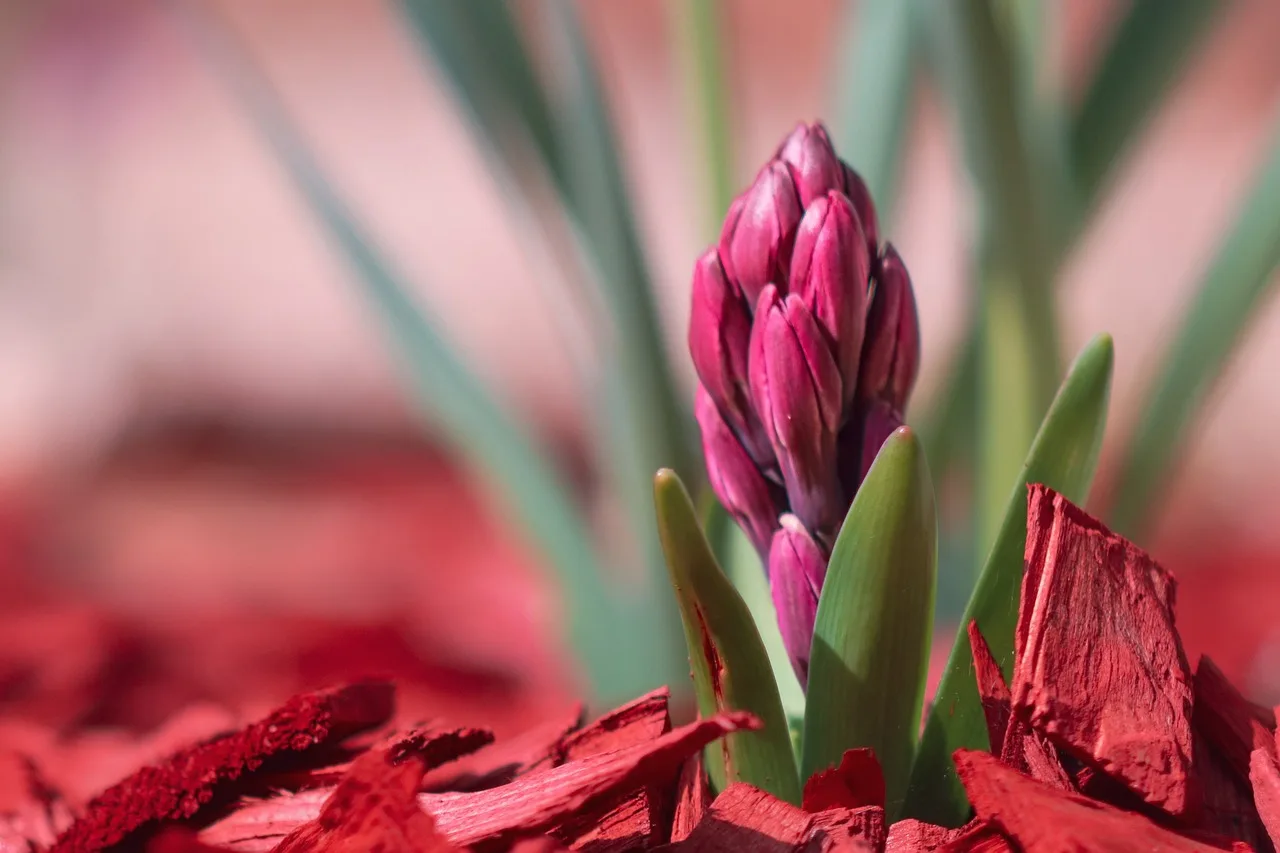
Yes. A thin mulch layer helps reduce evaporation from the surface and slows the swing between dry top and wet bottom. Keep it light, about 0.5–1 inch, so it does not block water from entering the mix. Mulch supports even watering, but it does not replace drainage or a good potting mix (University extension container guides commonly recommend a thin mulch layer only).
How often should you water container plants in summer?
There is no fixed summer schedule that works for every pot. Check moisture daily in heat, and check more often for small containers, windy balconies, dark pots, and porous materials. Water when the top 1–2 inches are dry and the root zone is no longer evenly moist. That rhythm matches extension guidance better than watering by the calendar.
What is the best way to water potted plants without overwatering?
Use slow top watering until excess exits the drainage holes, then stop. Recheck after a few minutes instead of adding more water right away. For pots that dry unevenly, split the watering into two passes or switch to drip irrigation, which brings water slowly and evenly to the root zone while cutting surface loss.
How do you keep potting mix evenly moist?
Start with an airy potting mix, keep drainage open, and water early in the day. Add a thin mulch layer, avoid hard-packed old mix, and choose a container size that matches the plant’s demand. If the surface dries while the bottom stays wet, repot or bottom-water until the mix is renewed.
Do self-watering containers really help with even watering?
They do help, especially for people who need steadier moisture between checks. The reservoir and wicking action reduce swings and can limit watering mistakes. They work best with a good potting mix and the right plant size; they are less useful if the mix is compacted or the reservoir is never refilled.
What container size holds moisture best?
Larger containers hold moisture better than smaller pots because they buffer heat and drying. A 10–12 inch pot may dry within a day in heat, while a bigger container generally gives the root zone more stored water. If you are choosing between sizes, go larger unless the plant’s root system is still small.
What watering tools work best for containers?
The best tool depends on the pot and the problem. A watering can with a fine rose gives control, a hose nozzle is faster for many pots, and drip irrigation is best for consistency. Bottom watering is useful for rescue work, while self-watering planters reduce day-to-day swings in moisture.
Why water containers in the morning?
Morning watering gives the plant a full day to use available moisture before peak heat and wind increase evaporation. It also reduces the chance that foliage stays wet overnight, which can matter in crowded patio plantings. In exposed settings, morning watering is the simplest way to limit stress and keep the mix from swinging sharply.
Sources
- University of Minnesota Extension, container watering and potting mix guidance
- University of Florida IFAS Extension, container gardening and irrigation guidance
- North Carolina State Extension, container watering and bottom-watering recommendations
- Penn State Extension, container size and moisture-loss guidance
- Ohio State University Extension, container drying and pot-size considerations
- University of Maryland Extension and Clemson Home & Garden Information Center, tomato container size guidance