Gardening Techniques for Organic Pest Management
Choose the organic tactic that fits the pest, the crop stage, and how fast the damage is spreading: hand-remove or cover at the first sign, use targeted sprays as pressure builds, and save stronger inputs for heavy infestations. Miss that match, and you lose leaves, fruit, and time while pests multiply. This guide gives a pest-by-pest decision framework for vegetables, herbs, containers, raised beds, and small plots.
What you’ll need


- Hand lens or phone camera for close inspection
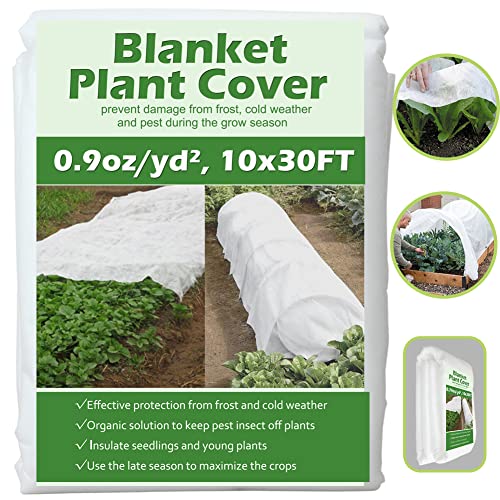
- Row cover or fine netting sized to the bed
- Insecticidal soap
- Neem oil
- Mulch, stakes, and simple traps
- Notebook or phone notes for pest tracking
- Gloves for handpicking pests
- Cardboard, boards, or inverted pots for slug checks
Organic pest management basics
Organic pest control skips synthetic chemicals. Best results come from early detection, the right tactic, and follow-up. A single spray rarely fixes a spreading problem, especially once eggs, larvae, or hidden pests are already present.
Think in three questions: what pest is it, how fast is damage spreading, and how far along is the crop? Young transplants need prevention first. Fruiting plants can often tolerate a little feeding while you use targeted control. Herbs and leafy greens usually need faster action because the harvestable part is the leaf.
Say your kale has fresh holes on the newest leaves and small green caterpillars on the undersides. A row cover before planting could have helped block the moths. Now you need handpicking plus Bt, then a recheck in a few days.
What are the best organic pest control methods for a vegetable garden?
The best organic method depends on the pest and the stage of the crop. For prevention, use companion planting, row covers, crop rotation, healthy soil, and mixed plantings that support predators. For active outbreaks, use handpicking, insecticidal soap, neem oil in rotation, or biological controls like beneficial insects and nematodes.
In vegetable beds, prevention often beats rescue because pests move fast and many crops have short windows for recovery. Companion planting can help support a healthier garden system, but it is usually preventive or mildly suppressive rather than a reliable cure. Marigolds may fit well in borders or mixed beds, yet they do not reliably stop aphids once colonies are established or replace direct control.
How do you choose the right organic tactic?
Start with the pest type, then match the tactic to speed, crop stage, and layout. Soft-bodied pests respond to contact sprays. Chewing insects often need handpicking, Bt, or barriers. Soil pests need soil-applied controls. The faster the damage spreads, the more you need immediate contact or exclusion.
- Timing: Act at first sign on seedlings, transplants, and leafy crops; wait only if the crop can tolerate some loss and the pest is not multiplying quickly.
- Application method: Inspect leaf undersides, stems, and the soil line; choose spray, barrier, hand removal, or soil treatment based on where the pest lives.
- Failure points: Missed undersides, poor edge sealing, treating the wrong life stage, and ignoring nearby weeds or debris that shelter pests.
- When not to use: Do not rely on sprays alone for grubs, cutworms, or root maggots; do not use a contact spray when the pest is hidden in the soil.
- Inspect the underside of leaves, stems, and soil line.
- Identify whether the pest is soft-bodied, chewing, soil-dwelling, or a larger intruder.
- Decide whether you need prevention, rescue, or both.
- Match the method to the crop stage and space.
- Recheck after treatment and switch if pressure stays high.
Suppose lettuce in a 4-by-8-foot bed is getting stripped overnight. That is a speed problem, not a waiting problem. Use row cover right away if plants are still small enough to cover, then check for caterpillars or slugs at dusk and after rain.
Garden pest decision matrix
| Pest | Best first-line organic control | Backup control | Timing | Likely failure points | Type |
|---|---|---|---|---|---|
| Aphids | Insecticidal soap | Lacewings or ladybugs; neem oil in rotation | At first clusters on new growth | Missed leaf undersides; broad sprays that hit beneficial insects | Curative |
| Whiteflies | Yellow sticky traps plus soap | Neem oil; remove heavily infested leaves | When adults first lift from foliage | Late spraying; poor coverage under leaves | Curative |
| Caterpillars | Bt | Handpicking; row cover on young plants | When feeding starts on young larvae | Spraying after larvae are large; leaving plants uncovered early | Curative and preventive |
| Flea beetles | Row cover | Fine netting; crop rotation | Before planting or at transplanting | Installing after damage starts; gaps at edges | Preventive |
| Slugs | Handpicking and traps | Diatomaceous earth in dry conditions; copper barriers | At dusk and after rain | Wet mulch, hidden boards, relying on diatomaceous earth when damp | Curative and preventive |
| Snails | Handpicking and traps | Copper barriers; diatomaceous earth around plants | During cool, humid periods | Skipping cleanup and shelter removal | Curative and preventive |
| Grubs | Beneficial nematodes | Crop rotation; soil health and sanitation | When soil stays warm and grubs are active | Applying to dry soil; treating only the surface | Curative |
| Leafminers | Remove damaged leaves | Row cover on future plantings | At first mining trails | Waiting until most leaves are affected | Curative and preventive |
| Cutworms | Collars and hand search at soil line | Row cover for seedlings; sanitation | At transplanting | Loose collars; debris near stems | Preventive |
| Root maggots | Crop rotation and row cover | Fine mesh; destroy crop residue | Before sowing or transplanting | Replanting into the same bed too soon | Preventive |
Which methods work best for common pests?
Soft-bodied pests such as aphids and whiteflies respond best to direct-contact control. Chewing pests such as caterpillars often need a feeding-specific treatment like Bt. Slugs, snails, and soil pests usually need barriers, traps, or soil-applied biological controls rather than spray-only approaches.
How do I get rid of aphids organically?
Use insecticidal soap first, because aphids are soft-bodied and soap works by direct contact. Spray the undersides of leaves and repeat if new clusters appear. Beneficial insects like ladybugs and lacewings also feed on harmful pests, but they need habitat support and protection from broad sprays.
- Timing: Treat at the first clusters on tender growth, before colonies curl leaves or spread to new shoots.
- Application method: Coat aphids directly, especially leaf undersides and stem joints, then inspect again after drying.
- Failure points: Missing hidden colonies, spraying during hot sun, and relying on beneficial insects without reducing the aphid source.
- When not to use: Do not expect soap to solve root aphids or a severe outbreak on stressed plants without follow-up.
Insecticidal soaps work best when they hit the pest directly and thoroughly; they have little residual effect, so recheck after treatment and repeat only as labeled if new aphids appear.
Neem oil is an organic insecticide from the neem tree, and it can fit into a rotation for aphids. Do not treat it as the only answer. If aphids return quickly, check for overfertilized new growth, ant traffic, or missed leaves. For timing and coverage, university guidance recommends spraying when temperatures are cooler and pollinators are less active, and avoiding application on drought-stressed or newly transplanted plants.
Neem oil is most useful when applied carefully to both sides of leaves and used as part of a broader pest plan rather than as a one-spray cure.
What pests can row covers and netting prevent?
Row covers and netting prevent access by pests that must reach the plant to feed or lay eggs. They are especially useful for flea beetles, moths that lay caterpillar eggs, beetles on brassicas, and some flying pests on young crops. Install them before infestation.
- Timing: Put covers on at sowing or transplanting, before the pest finds the crop; keep them on until flowering or until pollination access is needed.
- Application method: Seal edges well, leave enough slack for growth, and inspect for tears, gaps, or trapped pests under the cover.
- Failure points: Installing after damage starts, leaving openings at the soil edge, and using covers too long on crops that need insect pollination.
- When not to use: Do not cover crops that require pollinators unless you can remove the cover for bloom or hand-pollinate.
Physical barriers work best on transplants, seedlings, and compact beds. They need a good fit and regular checks at the edges. On larger plants, the cover may need to be lifted for pollination or moved when flowering begins. For crops that do not need pollination, covers can remain longer as long as heat buildup and moisture are managed.
Row covers for vegetables are a preventive tool, not a rescue tool; they work best when installed before insect pressure begins and kept sealed against the bed margin.
How do I manage slugs and snails without chemicals?
Use handpicking, traps, copper barriers, and dry diatomaceous earth around plants. Beer traps can catch some slugs and snails, but cleanup still matters. Keep mulch thin and open so it does not become shelter, especially in damp beds.
- Timing: Check at dusk, at dawn, and after rain, when slugs and snails feed most actively.
- Application method: Place boards or traps near damage, handpick from hiding places, and keep the soil surface as dry and open as the crop can tolerate.
- Failure points: Wet mulch, ignored debris, and diatomaceous earth losing effectiveness after moisture exposure.
- When not to use: Do not count on dry dust products during frequent rain or heavy irrigation.
Diatomaceous earth works best in dry conditions and around plants, not as a spray. If rain or irrigation makes the surface wet, reapply only after the area dries. In beds with heavy slug pressure, combine barriers with night checks and debris removal. University guidance also notes that habitat cleanup and trapping are usually more dependable than any single product.
How do I use beneficial insects in the garden?
Use beneficial insects as part of a wider plan, not as rescue after the crop is collapsing. Ladybugs and lacewings help with aphids and small soft-bodied pests. They need flowers, varied plants, and shelter nearby so they stay in the garden.
- Timing: Release or encourage beneficials when pest levels are still manageable and there is nectar, pollen, or shelter nearby.
- Application method: Support them with flowering plants, reduced disturbance, and selective sprays only where needed.
- Failure points: Broad sprays, no habitat, and expecting predators to eliminate a heavy outbreak on their own.
- When not to use: Do not rely on beneficial insects alone when the pest population is already overwhelming tender crops.
Avoid broad sprays during peak activity. If a spray is needed, target only the affected plants and treat in the evening after pollinators and predators are less active. Leave unsprayed strips when possible so beneficials have somewhere to regroup. University extension guidance generally recommends applying low-toxicity sprays late in the day to reduce pollinator exposure and preserve natural enemies.
Attract beneficial insects to your garden by keeping some flowers, shelter, and undisturbed habitat available; that support is usually more reliable than releasing beneficials into a bare, heavily sprayed bed.
How do you protect plants before pests arrive?
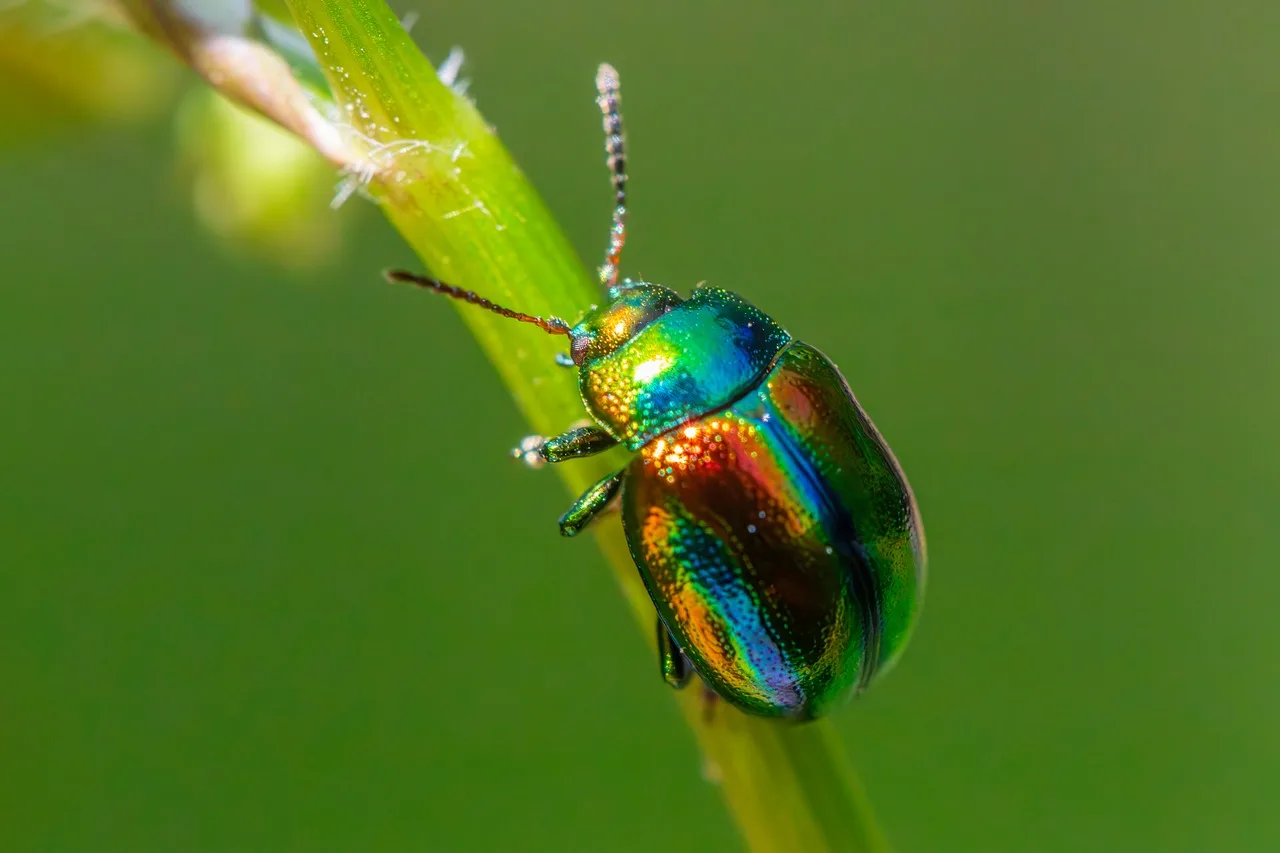
Prevention tools work best before feeding starts. Companion planting can deter pests or attract beneficial insects, but it must match local pest pressure. Row covers, crop rotation, sanitation, healthy soil, and careful mulch choices all reduce the odds of a fast outbreak.
What are the most effective companion plants for pest control?
Companion planting is best treated as supportive, not guaranteed. Some plant pairings may help confuse pests or encourage beneficial insects, but results are variable and usually weaker than barriers or direct control. Marigolds can be useful in mixed plantings, yet they should not be expected to reliably repel aphids or solve an active infestation.
Use it where layout makes sense: herb borders, mixed beds, and small plots benefit most. In containers, the effect is limited because the pest problem is often too concentrated for plant pairing alone to carry the load.
- Timing: Plant companions before pest pressure peaks so they can establish and contribute to the bed’s ecology.
- Application method: Place compatible herbs and flowers at bed edges, between rows, or in border strips where they will not shade the crop.
- Failure points: Overcrowding, wrong companion for the pest, and expecting one plant to replace sanitation, covers, or scouting.
- When not to use: Do not treat companion planting as a stand-alone fix for a fast-moving infestation.
What is the difference between biological controls and physical barriers?
Biological controls use living helpers such as ladybugs, lacewings, praying mantises, and beneficial nematodes. Physical barriers block access with row covers, netting, fences, or collars. One changes pest pressure through predators or parasites; the other stops contact before damage begins.
- Timing: Use barriers before pests arrive; use biological controls when the target pest is already present but still manageable.
- Application method: Apply nematodes to soil for grubs and larvae, or place covers and collars so pests cannot reach the crop.
- Failure points: Using the wrong target, poor sealing on barriers, and expecting predators to act instantly.
- When not to use: Do not use a soil biological control on a leaf-feeding pest, or a cover after eggs have already hatched inside it.
Use biological controls when the pest is already present and the target is specific. Use physical barriers when you can prevent access before infestation, especially on young plants and high-value crops.
Beneficial nematodes are aimed at soil-dwelling stages such as grubs and some larvae; they need moist soil and the correct target pest to be worth the effort.
What role does crop rotation and soil health play?
Crop rotation breaks pest cycles and reduces buildup over time. Pair it with sanitation and healthy soil. Healthy soil helps plants resist pests, which matters most in beds that host the same crops year after year.
- Timing: Rotate beds between crop families before pests become chronic and before the same host returns to the same soil.
- Application method: Remove residue, compost only healthy material, and vary plant families across seasons or years.
- Failure points: Replanting the same crop family in the same bed, leaving infested debris, and ignoring weed hosts nearby.
- When not to use: Do not rely on rotation alone to fix a current outbreak; it is mainly a preventive strategy.
Beneficial nematodes are useful for soil-dwelling pests such as grubs and larvae. Apply them to the soil, not foliage, and do it when the target pest is active in the root zone. Dry soil and shallow application are common failure points.
How do I tell if an organic treatment is not working?
If fresh damage continues after two inspections, the treatment may be missing the pest life stage, the timing may be off, or the method may not match the pest. Look for new feeding marks, live pests after treatment, or spread into untreated plants.
- Timing: Recheck within a few days for fast pests and within a week for slower ones, then compare new damage against untreated areas.
- Application method: Switch from one tactic to another that fits the pest biology, such as a barrier, a soil treatment, or a targeted spray.
- Failure points: Repeating the same spray, missing the pest’s hidden stage, and not treating adjacent hosts or shelter sites.
- When not to use: Do not keep reapplying a poor-fit product if the crop is still losing leaves, fruit, or stems.
If that happens, change tactics instead of repeating the same one. Move from soap to neem oil rotation, from sprays to row cover, or from handpicking to Bt or nematodes, depending on the pest.
Common mistakes
Spraying at the wrong time of day reduces results and can hit beneficial insects. Treat in the evening or early morning when pollinators are less active, and never spray broad-spectrum products across blooming plants if you can avoid it.
Another mistake is using one method for every pest. Soap helps aphids, not grubs. Row covers stop access, but they do nothing after an infestation is already under the cover. Wet mulch can become slug cover, so keep it open and airy near tender crops.
Do not wait for a big jump in damage before acting. A few leaf holes, sticky leaves, or nightly feeding marks are enough to start the right response.
Frequently asked questions
Can neem oil be used on garden pests?
Yes. Neem oil is an organic insecticide from the neem tree, and it can help with a range of pests. Use it with careful timing, and do not spray it as a blanket response. It works better as part of a sequence than as a stand-alone fix.
- Timing: Apply when temperatures are cooler and beneficial insects are less active, and avoid use on drought-stressed plants.
- Application method: Coat affected plant surfaces thoroughly, including leaf undersides, and follow label directions for repeat intervals.
- Failure points: Spraying in hot sun, skipping rechecks, and using it where a barrier or Bt would fit better.
- When not to use: Do not spray as a broad default on blooming plants if a safer timing or a non-spray option is available.
Neem oil is best used as a targeted, timed treatment rather than a general-purpose drench or a substitute for scouting.
When should I spray organic pesticides so I do not harm beneficial insects?
Spray in the evening or very early morning, after pollinators and many predators are less active. Target only the infested plants and avoid open flowers when possible. Broad sprays during peak insect activity can wipe out the helpers you need next week.
- Timing: Use low-activity hours and avoid windy, hot, or bloom-heavy periods when possible.
- Application method: Spot-treat the affected area instead of blanket-spraying the whole bed.
- Failure points: Hitting flowers, treating at midday, and spraying more area than needed.
- When not to use: Do not spray if the infestation is minor and a barrier, hand removal, or pruning would solve it.