How Botanical Gardens Grow Plants From Seeds and Cuttings
Botanical gardens grow plants from seeds when they want genetic diversity and from cuttings when they need an exact clone of a known plant. Done poorly, propagation can waste stock, spread disease, and lose rare material. This guide explains how botanical gardens choose between seed and cutting propagation and how each method is managed in the nursery.
Propagation basics


Botanical gardens do not treat seeds and cuttings as interchangeable. Seeds suit variation, breeding material, or large batches of plants that can tolerate some genetic spread. Cuttings are the better choice when a plant must stay true to type, when seed is slow or unreliable, or when the species is hard to raise from seed.
In both methods, nursery control matters more than luck. Water, temperature, and oxygen must stay in the right range for the species, and sanitation shapes the result from the first day.
What you’ll need
- Fine, sterile seed-raising mix for small seeds
- Pots or trays with drainage holes
- Seed trays or punnets for small batches
- Labels and a waterproof marker
- Clean water in a spray bottle
- Humidity cover, such as a cut plastic bottle top or a lidded container
- Fresh seed or healthy cutting material
- Rooting medium for cuttings
- Rooting hormone, when the species needs extra help
- Clean blade or pruners
- Shade or bright indirect light for aftercare
How do botanical gardens grow plants from seeds?
Botanical gardens sow seeds in a sterile, fine mix, then keep moisture, temperature, and oxygen in the right range for the species. Small seeds usually stay near the surface, larger seeds go deeper, and fresh sowings are watered gently so the mix stays moist without being washed away.
Seed-raising mix and containers
- Fill clean containers. Use seed trays or punnets with drainage holes, then top them with a fine, sterile growing medium. That mix gives small seeds an even surface and lowers the chance of disease.
- Sow at the right depth. Place large seeds at about twice their depth. Small seeds usually get only a very light layer of mix, or are pressed in rather than buried.
- Water with a spray bottle. Mist the surface so the mix settles without dislodging the seed. A hose or strong pour can wash fresh sowings into clumps or leave them exposed.
Sowing depth, moisture, and light
Germination depends on water, temperature, and oxygen. If the mix dries out, the seed may stop; if it stays too wet, oxygen drops and rot becomes more likely. Many species also need a specific temperature band, and chilies need 21-25 degrees Celsius to germinate.
Say a tray of small herb seed is sown on the surface of a fine mix and misted until evenly damp. If the same seed is buried deeply, the shoot may run out of stored energy before it reaches light. The method changes only one variable, but the result can be completely different.
Special germination treatments
Some species need more than moisture and warmth. A few native seeds respond to fire, flood, or smoke cues before they will sprout, so the pretreatment has to match the species rather than a one-size-fits-all nursery routine. Some plants are better sown directly in the ground or a pot, because transplanting them early can slow them down or damage the root.
A humidity cover can help fresh sowings hold moisture. A cut plastic bottle top or lidded container can work as a mini greenhouse, and the lid should come off once seeds start sprouting so the seedlings do not overheat or rot.
How do botanical gardens grow plants from cuttings?
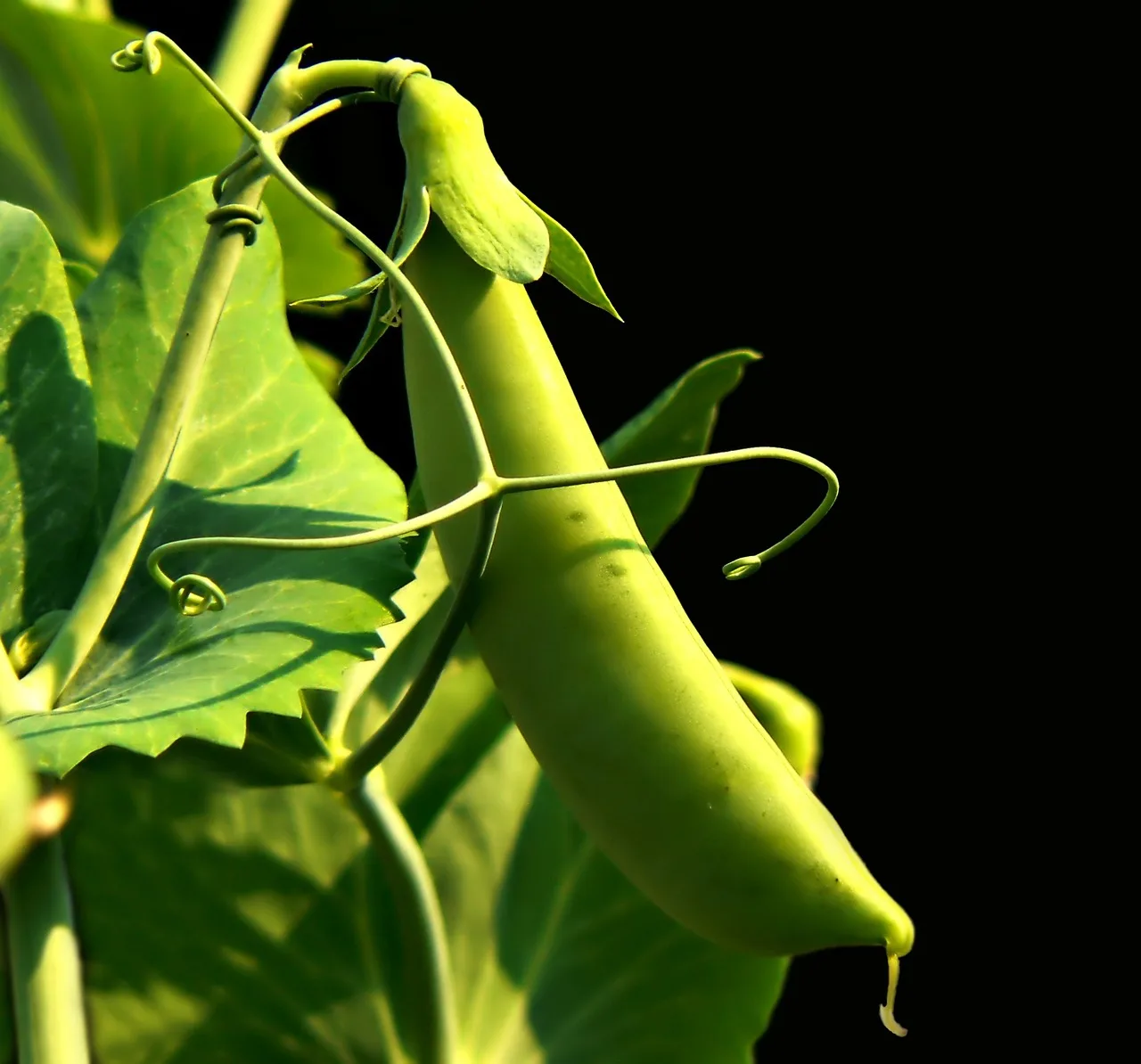
Botanical gardens take cuttings when they need a plant to stay identical to the parent, when seed is slow, or when a species does not come true from seed. The workflow is controlled and deliberate: choose healthy stock, cut cleanly, root in the right medium, and keep humidity high until roots form.
Choosing and preparing cutting material
- Choose healthy shoots. Take non-flowering material from vigorous growth, and avoid stems that look soft, diseased, or woody beyond the species’ preferred stage. The wrong cutting type slows root formation.
- Make a clean cut. Use a sharp, clean blade so the stem is not crushed. Remove lower leaves and trim oversized foliage if needed, because leaves lose water faster than a stem can replace it.
- Set the base immediately. Place the cutting into moist rooting medium right away. Delay lets the cut surface dry and can reduce the chance of root initiation.
Rooting medium, hormone, and humidity
Cuttings need a rooting medium that holds air and moisture at the same time. Gardens often use humidity control to slow water loss while roots are forming, and a rooting hormone may be used when the species is difficult or the cutting type roots poorly.
Spray mist helps keep leaves from drying out, but the medium should not stay waterlogged. Callus failure can happen when the cut base dries too much, while rot appears when the medium is too wet and airflow is poor.
Aftercare, potting on, and transplant shock
- Keep humidity high. Use a clear cover or misting routine so the cutting does not wilt before roots form. Ventilate enough to avoid stagnant, wet air.
- Check for rooting. Tug very lightly after a reasonable rooting period for that species. Resistance usually means roots are forming; sudden collapse means the base may have rotted.
- Pot on carefully. Move rooted cuttings into a free-draining potting mix once roots hold the medium together. Handle the rootball gently to reduce transplant shock.
When do gardens choose seeds over cuttings?
Gardens choose seeds when they want diversity, breeding potential, or large numbers of plants that can vary a little and still meet the goal. They choose cuttings when they want an exact clone, faster turnaround from a known parent, or a plant that does not come true from seed.
Genetic diversity and breeding goals
Seeds are the better fit for collections that need variation. That matters in breeding work, conservation batches, and restoration plantings where some spread in traits is acceptable or useful. Seeds also allow a garden to raise many plants from a small amount of starting material.
Exact clones, speed, and plant type
Cuttings are the better fit when a plant must match a known form, flower color, fruit quality, or growth habit. They also help when seed is slow, scarce, or unreliable. A plant that does not come true from seed usually belongs in the cutting bench instead of the seed tray.
Propagation decision table
| Goal | Seeds | Cuttings |
|---|---|---|
| Best use | Genetic diversity, breeding, large batches | Exact clone, speed, keep a named plant true |
| Time to planting | Often slower; species-specific germination period | Often faster to establish if roots form well |
| Genetic variation | High | None; matches the parent |
| Equipment | Seed trays, punnets, sterile mix, spray bottle, humidity cover | Sharp blade, rooting medium, humidity control, misting setup |
| Common failure points | Old seed, wrong depth, drying out, rot, pests, damping-off | Callus failure, rot, wilting, poor rooting, transplant shock |
| Best plant types | Species that breed true enough for the goal, or need variation | Plants that do not come true from seed, slow species, clones for display or conservation |
Seed troubleshooting checklist
- Confirm the mix is fine and sterile.
- Check that the tray or punnet has drainage holes.
- Recheck sowing depth; large seeds should be about twice their depth and small seeds should stay near the surface.
- Keep the mix moist, not wet.
- Move the tray to the temperature range the species needs.
- Lift the cover once sprouting begins.
- Inspect for pests such as birds or rodents.
Cutting troubleshooting checklist
- Use fresher, healthier parent material.
- Trim with a clean blade and set the cutting into medium right away.
- Increase humidity if leaves wilt in the first day or two.
- Reduce misting if the base stays wet and soft.
- Wait before potting on until roots hold the medium.
- Move the plant gradually out of high humidity to limit shock.
Common mistakes
Most seed failures come from a short list of problems. Seeds may be old, buried too deep, kept too wet, kept too dry, or exposed to the wrong temperature. Fresh sowings can also disappear under bird or rodent pressure before they ever sprout.
Cuttings fail for different reasons. The base may dry before it roots, the medium may stay soggy, humidity may be too low, or the plant may be potted on before roots are ready. Damping-off is a seedling problem, but it appears in the same nursery when sanitation and airflow are weak.
A common first-timer mistake is sowing a large seed about 2 cm deep in a dense mix, then watering heavily from above. The seed may never break through, or it may rot before the shoot reaches air. The fix is simple: follow the seed depth rule, use a spray bottle, and keep the mix evenly moist.
Frequently asked questions
What tools do botanical gardens use for seed starting?
Common tools include seed trays, punnets, a fine sterile mix, a spray bottle, labels, and a humidity cover. A clear cover made from the top of a cut plastic bottle can work for small sowings.
Why do some seeds need special treatment before germinating?
Some species have dormancy controls tied to fire, flood, or smoke cues, especially Australian natives. Those seeds may sit idle until the right trigger breaks dormancy and lets water, oxygen, and temperature do the rest.
How do botanical gardens keep seeds from drying out or rotting?
They keep the mix evenly moist, never soaked, and use a humidity cover until sprouting starts. Airflow matters too, because stagnant wet conditions raise the risk of rot and damping-off.
What are the most common reasons seed starting fails?
Old seed, wrong depth, poor moisture balance, and the wrong temperature are the big ones. Pests can ruin a tray overnight, and some seeds simply need a different treatment before they will germinate.