Is Galvanized Wire Safe for Climbing Vegetables?
Galvanized wire can work for climbing vegetables if the zinc coating is intact, the wire stays out of wet soil, and harvestable parts do not rub against damaged metal. If the coating fails, rust and zinc exposure can shorten the support’s life and raise risk in edible beds. This guide explains when galvanized wire is acceptable, when another support is safer, and how to reduce risk in garden beds.
Galvanized wire and vegetable trellises
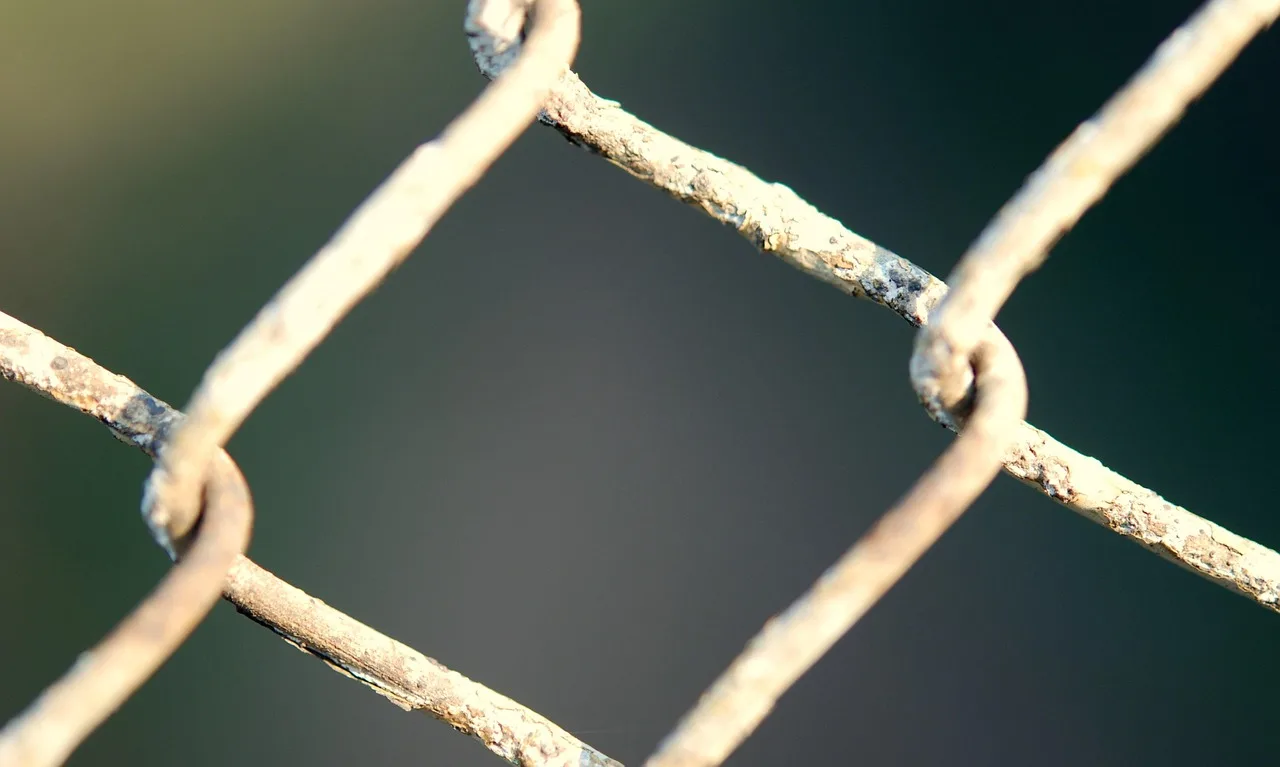


Galvanized wire is steel coated with zinc. It is commonly used outdoors because zinc can slow rust, which matters on a vegetable trellis that faces rain, irrigation, and summer humidity. That same coating also means you should watch for wear, soil contact, and crop contact. (Wikipedia)
Why gardeners use it for supports
Galvanized wire is common in trellises, cages, and fence-style supports because it can carry moderate loads without much bulk. That matters for climbing vegetables such as peas, beans, cucumbers, tomatoes, and some squash, which need a structure that keeps vines off the ground and helps fruit stay visible.
The main limit is durability in garden conditions. Zinc slows corrosion, but scratches, bent strands, and repeated wetting can expose steel. Once that happens, the support loses some of the advantage that made it useful.
How zinc coating changes outdoor durability
Zinc acts as a sacrificial coating. It corrodes before the steel does, which is why galvanized wire tends to outlast plain steel outdoors. In dry, well-drained beds, that protection is often enough for a trellis used above the soil line.
In wet beds, acidic soil, or places where irrigation hits the wire every day, the coating wears faster. That does not make every galvanized support dangerous. It does mean replacement should depend on condition, not just age.
Is galvanized wire safe for climbing vegetables?
It can be a reasonable choice for climbing vegetables when the wire is sound, the coating is intact, and the metal is used as structure rather than a surface for edible parts to rest on. It is a poor choice when the wire is scratched, rusting, buried, or repeatedly touched by pods, fruit, or stems that will be harvested.
When it is a reasonable choice
Galvanized wire makes sense for overhead run lines, support grids, and trellis panels that stay above the soil and away from edible contact points. That includes pea netting, bean supports, cucumber panels, and tomato cages where the wire mainly carries weight and keeps vines upright.
It is also more reasonable in raised beds with good drainage and neutral soil, because the metal is less likely to stay wet for long periods. Drying between rain events helps preserve the coating.
When it is a poor choice
A galvanized support is a poor choice when the wire sits in damp soil, stays against mulch that traps moisture, or shows flaking coating and rust. It is also a poor fit for crops that press fruit directly against the support for long periods, especially if that support has rough points.
Picture a 4-foot cucumber trellis where the lower wires lie only a few inches above damp soil and the same span gets hit by sprinklers daily. That setup puts the coating under constant stress, and the lower sections are likely to fail sooner than the upper frame.
Direct crop contact versus structural contact
There is an important difference between wire that holds a frame and wire that touches edible parts. Structural contact is usually lower risk because the wire is carrying load, not rubbing against harvestable tissue. Direct contact is more concerning when pods, tomatoes, cucumbers, or squash sit on damaged metal for long periods.
That is why a trellis can be acceptable even when a short section near the base should be avoided. Keep the harvest zone off the wire when you can, especially where the coating has worn thin.
Can galvanized wire leach zinc into soil?
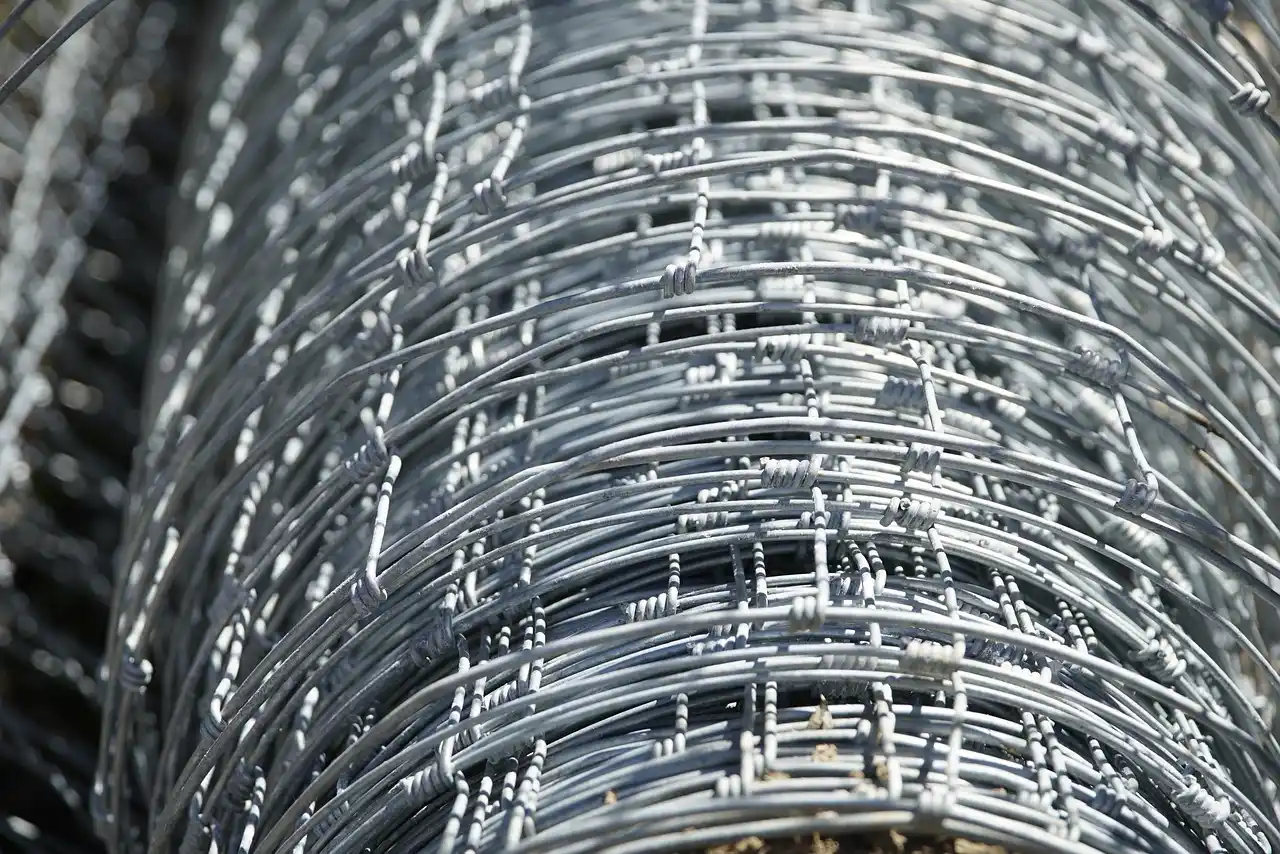
Zinc can move from galvanized wire into nearby soil as the coating weathers, and the practical risk depends on how much metal is exposed and how quickly corrosion occurs. Zinc is also a plant nutrient in small amounts, so the issue is excess exposure, not any contact at all.
Why zinc matters in garden beds
Zinc is the coating metal on galvanized wire. Plants need only small amounts, and most garden soils already contain some zinc. The concern is concentrated exposure from damaged metal, especially where corrosion products build up in a wet pocket or a pot with limited soil volume.
That is why a wire frame above the bed is different from buried hardware or wire left in constant soil contact. The smaller and drier the contact area, the lower the concern.
How acidic soil and moisture affect corrosion
Acidic soil can speed metal breakdown. Moisture does the same by keeping oxygen, water, and minerals in contact with the coating for longer periods. In a bed with acidic soil and frequent irrigation, galvanized wire near the surface can corrode much faster than a similar wire in drier, neutral soil.
High moisture also matters because it can move corrosion products into the root zone. That does not mean zinc from all galvanized wire is a problem. It means wet, acidic, soil-contact situations deserve more caution.
What changes the risk in raised beds
Raised beds usually reduce risk because they drain better and keep hardware farther from saturated soil. The risk rises when the frame is set low, the bed stays wet after watering, or the wire is woven through the planting zone where stems and irrigation keep it damp.
Suppose a raised bed is topped with a wire panel 18 inches above the soil line and the wire never touches the bed mix. That setup is generally lower risk than a wire edge staked directly into damp soil, especially if the bed is watered by hand rather than by a spray pattern that soaks the metal.
Galvanized wire checklist
Use this checklist before you build or keep using galvanized wire in an edible bed. A “yes” answer points toward lower risk. A “no” answer means you should rethink the setup or choose another material.
| Check | Yes | No | Why it matters |
|---|---|---|---|
| 1. Is the zinc coating intact? | ☐ | ☐ | Scratches, flaking, and bare steel shorten service life and raise corrosion risk. |
| 2. Does the wire avoid direct soil contact? | ☐ | ☐ | Soil contact keeps the metal wet longer and speeds breakdown. |
| 3. Is the bed well drained? | ☐ | ☐ | Standing moisture is harder on galvanized steel than intermittent wetting. |
| 4. Is soil pH near neutral rather than acidic? | ☐ | ☐ | Acidic conditions can speed corrosion and coating loss. |
| 5. Are harvestable parts kept off the wire? | ☐ | ☐ | Direct contact with fruit, pods, or stems increases wear and concern. |
| 6. Is the crop a light to moderate climber? | ☐ | ☐ | Heavier vines need stronger spans and less sag. |
| 7. Are there no sharp edges? | ☐ | ☐ | Sharp points can injure hands and cut vine tissue. |
| 8. Have all contact points been protected? | ☐ | ☐ | Padding at rub points reduces coating wear and stem damage. |
| 9. Is the wire free of rust and bending? | ☐ | ☐ | Rust and sag are signs that the support is nearing failure. |
| 10. Would you replace it if the same crop touched it all season? | ☐ | ☐ | Repeated seasonal contact is a good trigger to switch materials. |
Use recommendation: use galvanized wire when most checks are yes and the wire stays above soil, away from repeated harvest contact, and free of damage. Avoid it when several checks are no, especially if the bed is wet, acidic, or the coating is already failing.
How to use wire safely around edible crops
Safe use comes down to placement, contact, and load. Keep the structure where the crop can climb it without scraping edible parts against bare metal. Choose a gauge that resists sag, and protect points where stems or hands are likely to touch the frame.
-
Keep fruit off metal.
Train vines so pods, cucumbers, tomatoes, and squash hang or rest on leaves rather than on the wire itself. This lowers rubbing, makes harvest easier, and keeps edible parts away from worn coating.
-
Cover contact points.
Use vinyl coating, rubber edging, ties, or clips where stems cross the frame. These small additions reduce abrasion and keep sharp cut ends from contacting hands or fruit.
-
Match gauge to load.
Use thicker wire for heavier crops and wider spans. A lighter gauge can work for peas and beans, but cucumbers, tomatoes, and squash need more sag resistance because fruit weight and vine mass build quickly.
Fasteners matter as much as the wire itself. Plastic-coated ties, rubber-edged clips, or smooth ties can keep a support from chewing through the coating at tie points. If a fastener cuts into the zinc layer, that spot becomes a likely failure point.
What material is safest for a vegetable trellis?
The safest choice depends on durability, moisture, and crop load, but stainless steel is often considered one of the more corrosion-resistant options among common metals. Powder-coated metal is also a strong choice if the coating stays intact. Untreated wood and plastic-coated options can work well when the design fits the crop and the garden site.
Stainless steel
Stainless steel resists corrosion better than galvanized wire and is a good fit for long-term edible beds, especially where moisture is high. It costs more, but it reduces the need to worry about coating wear in wet conditions.
Powder-coated metal
Powder-coated metal can be a good middle ground if the coating is thick and unbroken. It often looks cleaner than raw wire and gives you a protective finish over the frame, but chips and scratches should be treated as warning signs.
Untreated wood and plastic-coated options
Untreated wood avoids metal contact altogether and can be a practical trellis frame for lighter climbers. Plastic-coated wire or fencing can also reduce direct contact with the metal beneath, though the outer coating still needs inspection because cuts and UV wear can expose the core.
When should you replace or avoid galvanized wire?
Replace or avoid galvanized wire when rust, flaking coating, sharp edges, bent spans, or repeated contact with harvestable parts are present. It should also be avoided in beds with constant wet soil contact or in setups where the wire is part of the planting zone rather than a separate support.
Rust, flaking coating, or sharp edges
Rust means the zinc layer is no longer doing its job everywhere. Flaking coating and sharp edges are even stronger warnings because they show the surface is breaking down and may injure plant tissue or hands.
Wet soil contact and long exposure
Wire that sits against wet soil or stays damp from splash and irrigation wears faster. If the same section keeps corroding, it is better to replace that support than to keep patching around a failing surface.
Crop or bed setups that need a different support
Choose another material when the crop is heavy, the bed is acidic, or the trellis must sit low in the planting area. In those cases, stainless steel, powder-coated metal, untreated wood, or plastic-coated options are often a better fit than bare galvanized wire.
Frequently asked questions
Will galvanized wire leach zinc into my soil?
Some zinc can move into nearby soil as the coating wears, especially in wet or acidic conditions. The practical concern rises when the wire is damaged or in direct contact with soil for long periods. In neutral, well-drained beds, the risk is usually lower.
Can I use galvanized wire for trellises on edible plants?
Yes, if the wire is used as a support above the soil and kept away from harvestable parts. It is a better fit for structural use than for contact points where fruit or pods rest all season. Inspect it often and replace damaged sections early.
Is galvanized fencing safe for peas, beans, or cucumbers?
It can be, especially for peas and beans on a dry, intact fence panel. Cucumbers are more likely to press against the surface, so spacing and coating condition matter more. If the fence is rusty, bent, or near wet soil, choose a different support.
What type of wire is safest for vegetable trellises?
Stainless steel is the most corrosion-resistant option. Powder-coated metal is also a strong choice if the coating stays intact. For lighter setups, untreated wood with ties or plastic-coated wire can work well, provided you keep sharp edges and damaged spots out of the crop zone.
Should galvanized wire be wrapped or coated before use in raised beds?
Wrapping or coating helps when the wire will touch stems, hands, or harvestable parts. Vinyl coating, rubber edging, and smooth ties reduce abrasion at contact points. That extra layer is most useful in raised beds where the support sits close to the planting zone.