How Plant Cells Divide and Grow
Plant cells divide in meristems through the cell cycle and mitosis, then build a new cell plate during cytokinesis to form two daughter cells with fresh walls. If this process breaks down, growth slows and tissues form poorly. This guide explains where division happens, how the wall is rebuilt, and how new cells specialize into plant tissues.
What plant cell division
Plant cell division is how plants produce new cells for growth, repair, and organ formation. Division often happens in meristems, where cells keep cycling instead of settling into a specialized job. Division makes the new cells; expansion and differentiation turn them into roots, stems, leaves, and wood.
Division alone does not make a larger plant. After a cell divides, each daughter cell usually enlarges, strengthens its wall, and later specializes. That sequence is why a seedling can lengthen, a stem can thicken, and a root can keep extending through soil.
Where new plant cells are made
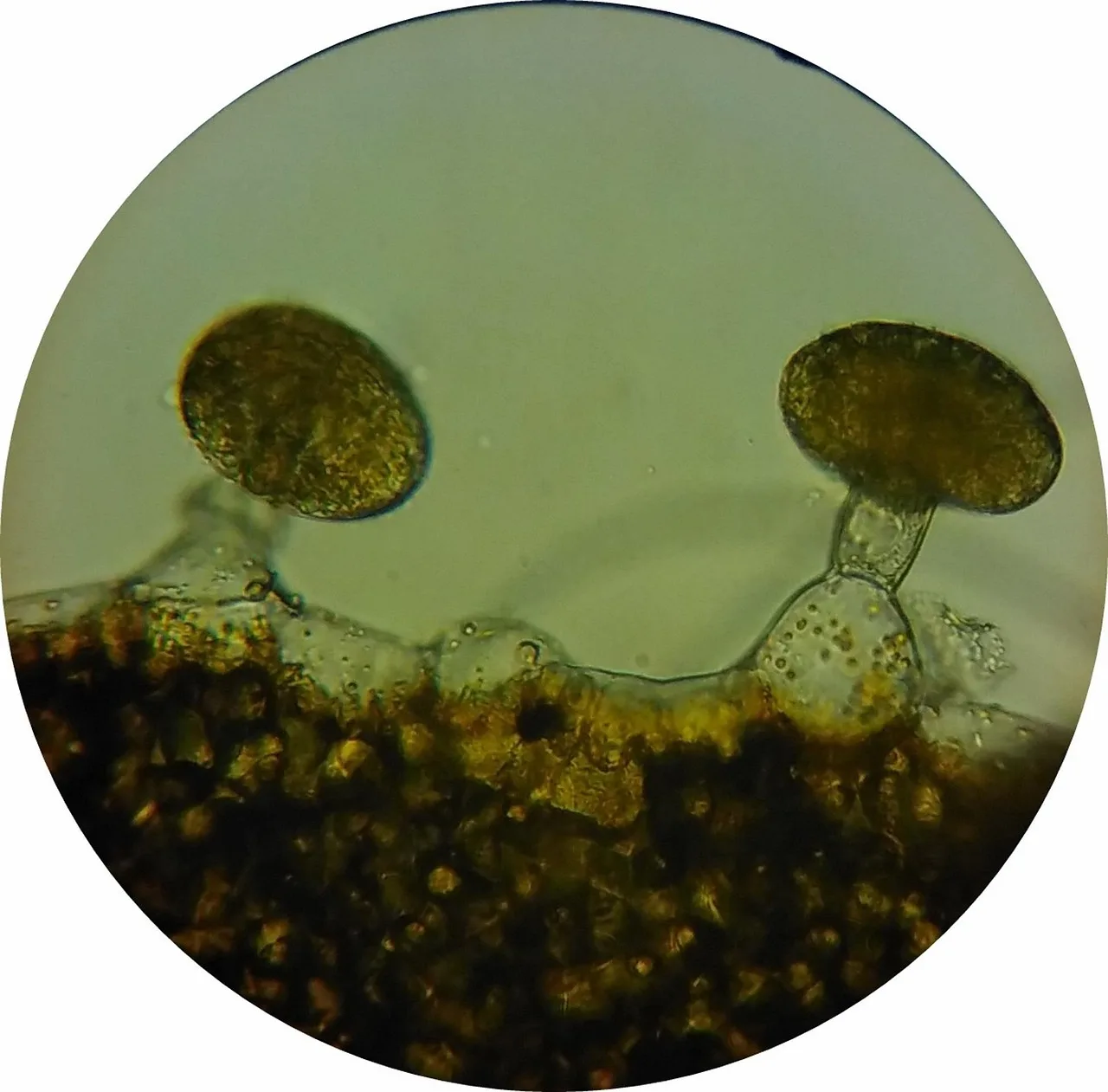
Most new plant cells come from meristems, active growth regions where division stays frequent. Apical meristems sit at root and shoot tips and supply cells for elongation and new organs. Lateral meristems in woody stems add thickness by producing new vascular tissue and cork.
Meristems do more than make copies. They also place those cells where they belong, so the plant can build the right tissues in the right spot. A root tip meristem mainly drives downward extension, while a shoot tip meristem helps form stems, leaves, and buds. Lateral meristems drive secondary growth in woody plants.
Apical meristems at root and shoot tips
Apical meristems are the main source of new cells for length growth. In roots, the tip meristem produces cells that later elongate and help the root push deeper. In shoots, the tip meristem supplies cells that support stem extension and organ initiation.
Lateral meristems in woody stems
Lateral meristems add girth rather than length. The vascular cambium makes new xylem and phloem, and the cork cambium helps form protective outer tissues. This is why woody stems thicken over time instead of only getting taller.
How does a plant cell prepare to divide?
A plant cell prepares to divide by moving through the cell cycle phases commonly described as G1, S, G2, and M. During interphase, which includes G1, S, and G2, the cell grows, copies its DNA, and checks for errors before mitosis begins. Checkpoints stop damaged or unready cells from continuing. (Wikipedia)
S phase is the DNA-copying step, and it matters because each daughter cell needs a full set of genetic instructions. G1 supports growth and normal activity. G2 gives the cell time to verify replication and organize the division machinery. If errors remain, checkpoints can pause the cycle.
The cell cycle and interphase
Interphase is often the longest part of the cycle. It is not a resting stage. The cell stays active, building materials, copying DNA, and preparing the structures needed for chromosome separation. That preparation is essential for accurate division.
- G1: the cell grows and carries out normal functions.
- S: DNA is copied.
- G2: the cell checks copied DNA and prepares for mitosis.
- M: mitosis and cytokinesis produce two daughter cells.
How does mitosis work in plant cells?
Mitosis is the nuclear division process used for growth and repair. It produces two genetically identical daughter nuclei by separating duplicated chromosomes in an ordered sequence. In plant cells, mitosis has four classic stages: prophase, metaphase, anaphase, and telophase, followed by cytokinesis.
This matters because each daughter nucleus must receive one full, matching set of chromosomes. If chromosome separation fails, the new cells may not function correctly, and later tissue formation can go off track.
Mitosis stages in order
In prophase, chromosomes condense so they can move without tangling. In metaphase, they line up at the cell’s center. In anaphase, sister chromatids separate and move to opposite poles. In telophase, two new nuclei form around the separated chromosome sets.
Picture a root tip cell in a meristem that has already copied its DNA. Once mitosis starts, the chromosomes line up and split cleanly. The result is two daughter nuclei with the same genetic information, ready for the next step in building new tissue.
Plant cell division map
| Stage | What happens | The plant-specific structure | Growth outcome it creates |
|---|---|---|---|
| Meristems | Cells stay active in the cell cycle and keep producing new cells | Apical meristems at root and shoot tips; lateral meristems in woody stems | Length growth, organ formation, and stem thickening |
| Interphase | The cell grows, copies DNA, and checks for errors | G1, S, and G2 phases with checkpoint control | A prepared cell with a complete DNA copy |
| Mitosis | Chromosomes separate into two identical nuclei | Prophase, metaphase, anaphase, and telophase | Two genetically identical daughter nuclei |
| Cell plate formation | Vesicles move to the center and merge into a partition | Cell plate at the division plane | New wall material starts forming between daughter cells |
| Cytokinesis | The cytoplasm splits and the new partition hardens | Cell plate becomes the middle lamella and new cell walls | Two separate daughter cells with their own walls |
| Differentiation | New cells specialize into particular tissue types | Signals from hormones and position in the plant | Xylem, phloem, epidermis, and other tissues |
How does a plant cell finish division?
Plant cells finish division by cytokinesis, which happens after mitosis. Instead of pinching inward, the cell builds a new partition in the center. Vesicles deliver wall materials to the division plane, where they fuse into a cell plate that becomes the new separating wall. (Wikipedia)
That process is plant-specific because the rigid cell wall prevents the cell from cleaving the way an animal cell can. The wall has to be rebuilt from the inside out. The cell plate forms first, then develops into the middle lamella and new primary walls between the daughter cells.
Cell plate formation
The cell plate is a physical build project. Vesicles carrying membrane and wall components arrive at the center of the dividing cell and fuse there. As more vesicles join, the plate expands outward until it connects with the existing wall around the cell’s edge.
This is the main difference between plant and animal cytokinesis. Animal cells use a contractile ring to pinch inward. Plant cells cannot do that because the wall keeps the surface rigid, so they build a new wall in the middle instead.
How do cells grow and divide?
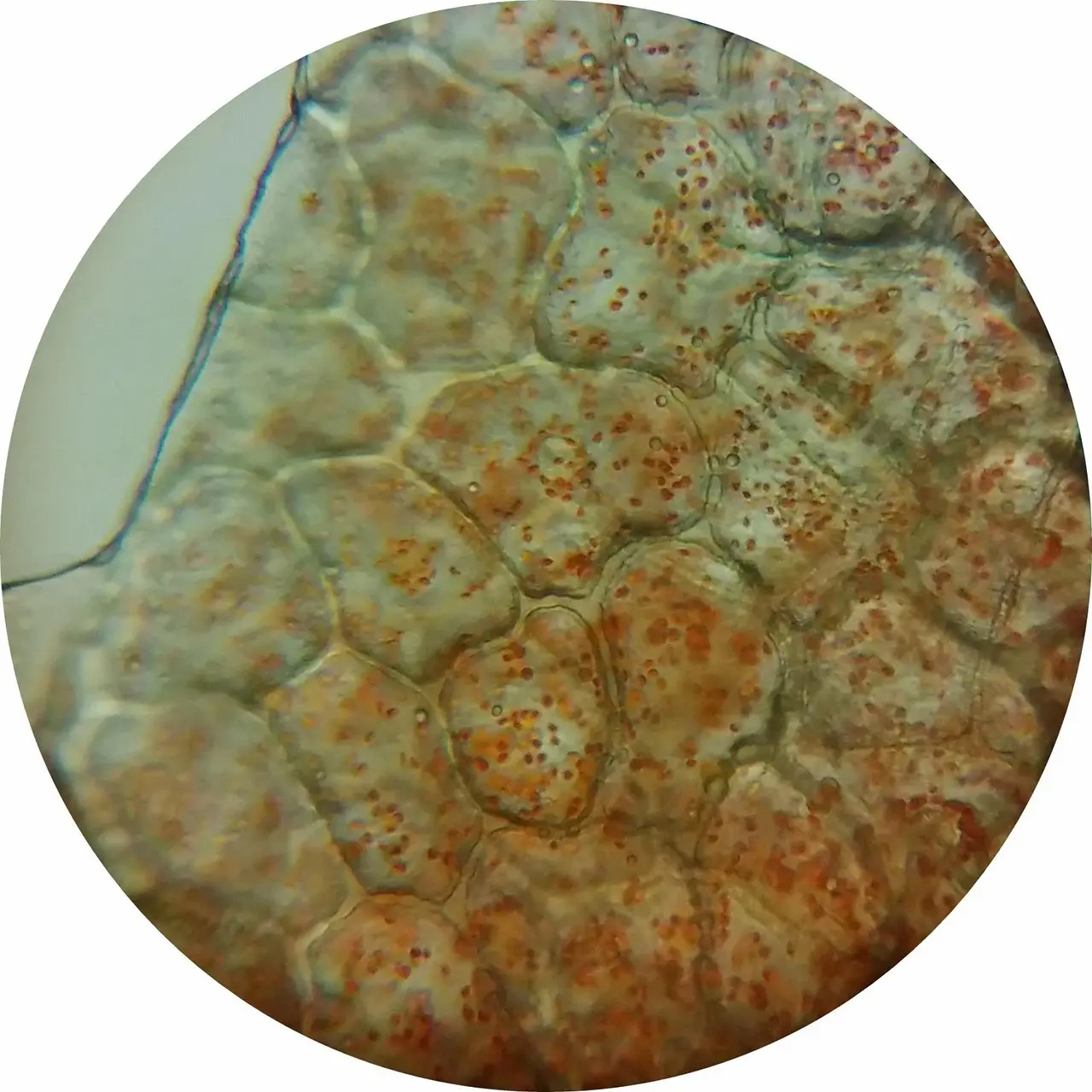
Cells grow and divide in two linked steps. First, the meristem cell divides to make a new cell. Then that new cell enlarges, takes up water, and stretches its wall under turgor pressure. After expansion, it may specialize into a tissue with a specific job.
A common beginner mistake is to treat division as the whole growth story. A cell that just split is usually small. It must expand after division, and that expansion is guided by the wall, internal water pressure, and hormone signals.
How plant cells keep their shape
Plant cells keep their shape because the cell wall is rigid. That wall prevents the cell from pinching inward like an animal cell during cytokinesis, and it also constrains how the cell expands afterward. Turgor pressure pushes outward; the wall resists and directs the final shape.
Say your focus is a young stem segment. The new cells do not stay tiny forever. They enlarge after division, but the wall limits the direction and amount of expansion, which helps the tissue keep its structure while still growing.
How plant hormones guide growth
Auxins, cytokinins, and gibberellins all influence division and growth. Auxin gradients help pattern growth, cytokinins promote cell division in many tissues, and gibberellins support elongation and developmental timing. These signals integrate environmental conditions with the plant’s internal program.
Hormones also help tell cells where they are in the plant. That positional information matters because a daughter cell from a meristem can become part of a root, a leaf vein, or a woody stem depending on the signals it receives.
How do plant cells differentiate?
Plant cells differentiate after division by switching from generic daughter cells into specialized tissue types. The same genetic information remains in both cells, but hormone signals, location, and developmental cues turn on different programs. That is how xylem, phloem, epidermis, and other tissues form.
Differentiation is what turns new cells into useful plant parts. Xylem conducts water and adds support. Phloem moves sugars. Epidermal cells protect the surface. Without differentiation, division would create more cells, but not the organized tissues a plant needs.
What happens when division goes wrong
Uncontrolled division, developmental errors, or stress can disrupt normal growth. If checkpoints fail, damaged cells may keep dividing. If the cell plate forms incorrectly, daughter cells can end up with flawed walls. If hormones are out of balance, tissues may grow in the wrong pattern.
Stress can also slow the cell cycle or shift how meristems behave. That may reduce elongation, distort organ shape, or interfere with thickening in woody stems. The result is often poor tissue organization rather than a simple loss of size.
How do plant cells divide?
Plant cells divide by copying DNA, separating chromosomes with mitosis, and then building a new wall through cytokinesis. The wall-building step is what makes plant division different. The daughter cells are then free to expand and specialize into the tissues that shape the plant.
Do plants have cell division? Yes, and they depend on it throughout life. The process is concentrated in meristems, but its effects show up across the whole plant, from root elongation to woody thickening to leaf and stem formation.
Frequently asked questions
How do plant cells reproduce?
Plant cells reproduce by making new cells through the cell cycle, mitosis, and cytokinesis. The new cells are not whole plants; they are daughter cells that later expand and specialize. Reproduction at the cell level supports growth, repair, and tissue formation across the plant.
Plant vs animal cell division
Plant and animal cells both use mitosis to separate chromosomes, but their cytokinesis differs. Animal cells pinch inward and split by cleavage. Plant cells cannot do that because of the rigid wall, so they build a cell plate that becomes the new wall between daughter cells. (Wikipedia)
How does a cell prepare to divide?
A cell prepares to divide during interphase, which includes G1, S, and G2. It grows, copies its DNA in S phase, and checks for errors at checkpoints before entering mitosis. This preparation helps ensure the chromosomes separate accurately and the daughter cells remain functional.
Do plants have cell division?
Yes. Plants rely on cell division for growth, repair, and new organ formation. Most active division happens in meristems at root and shoot tips, and lateral meristems add thickness in woody stems. Without division, plants could not keep extending or rebuilding tissues.