What Type of Plant Labels Do Botanical Gardens Actually Use?
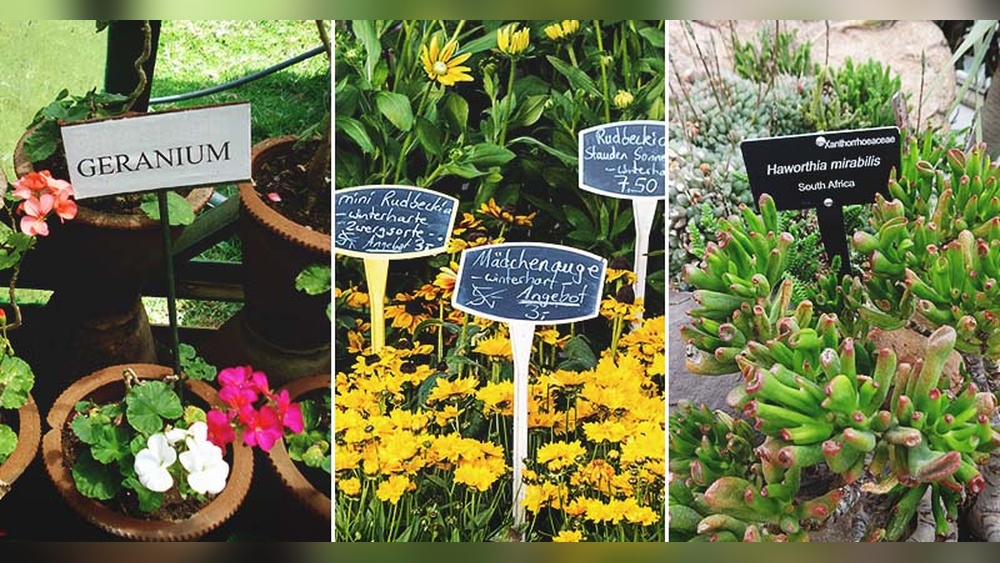
The humble plant label, often overlooked by visitors, is one of the most critical components of a botanical garden’s infrastructure. Whether you’re strolling through the Missouri Botanical Garden or the Royal Botanic Gardens, Kew, you’ll notice that every plant—no matter how rare or common—bears a label. These small markers serve as information hubs, guiding scientists, horticulturists, students, and the public through a living encyclopedia of biodiversity.
Why are these labels so important? Botanical gardens are not merely beautiful landscapes; they are living libraries, centers of research, and conservation strongholds. Accurate, durable, and readable plant labels are essential for education, scientific study, and the long-term management of plant collections.
But not all plant labels are created equal. The materials, methods, and technologies used have evolved tremendously, reflecting both tradition and innovation. Let’s explore what types of plant labels botanical gardens actually use, and what makes one label stand out over another.
Key Takeaways
- Botanical gardens use a range of plant label types including metal, plastic, ceramic, and high-tech digital solutions to meet diverse needs.
- Durability, readability, and weather resistance are the top criteria in label selection.
- Labeling systems support research, education, and conservation by providing accurate, accessible information.
- Emerging trends include QR codes, RFID tags, and sustainable materials to enhance visitor interaction and data management.
- Real-world examples from leading botanical gardens reveal best practices and innovative approaches to plant labeling.
The Purpose And Importance Of Plant Labels In Botanical Gardens
The Role Of Plant Labels In Education
One of the primary missions of botanical gardens is public education. Plant labels are the first point of contact for visitors seeking to learn about the diversity of life. A well-designed label provides:
- The scientific name (binomial nomenclature)
- The common name
- Geographic origin
- Family classification
- Conservation status
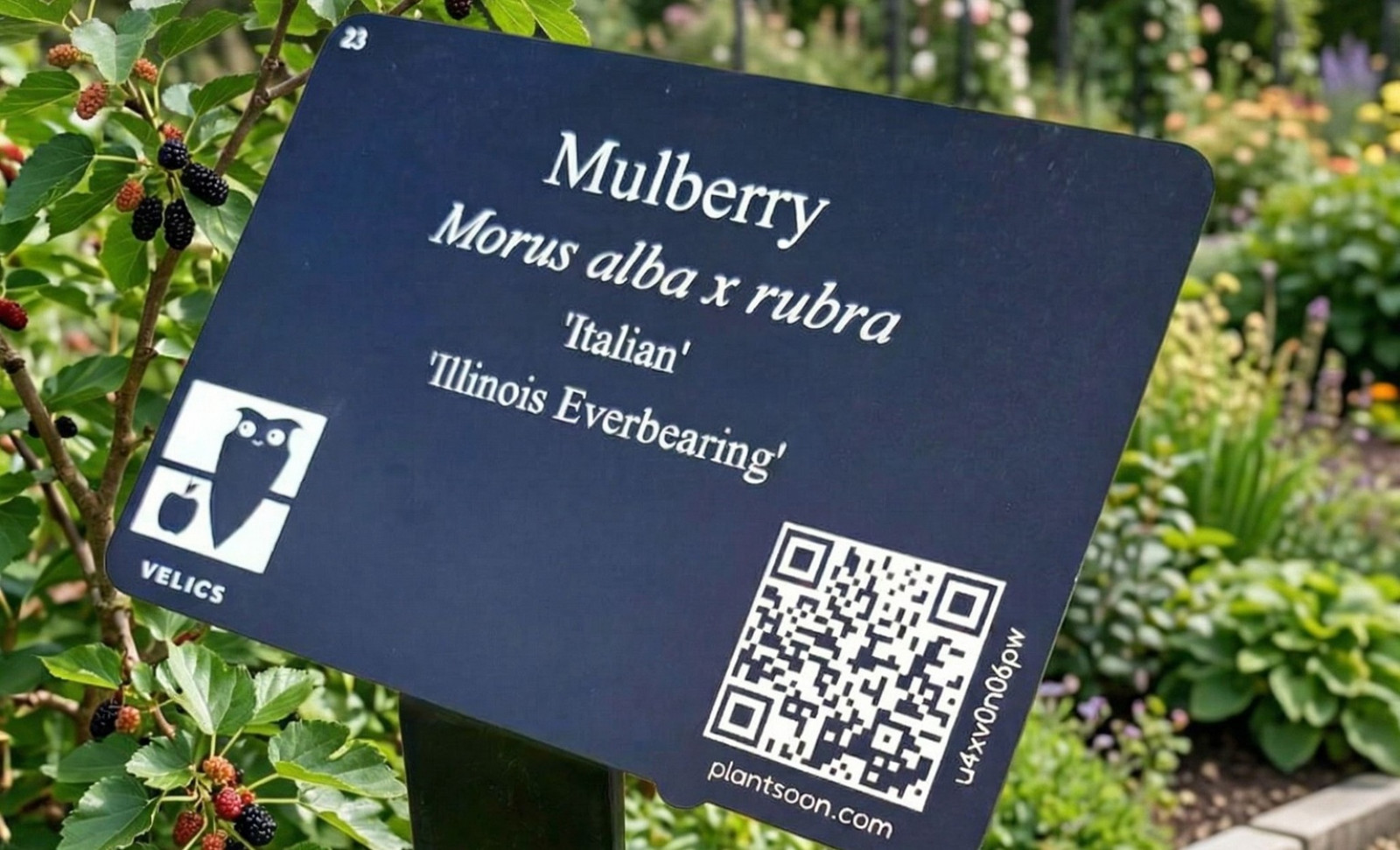
- QR codes or URLs for deeper exploration
For example, at the New York Botanical Garden, labels are positioned for easy reading, ensuring children and adults alike can engage with the collection. According to a 2026 survey by the American Public Gardens Association, over 90% of botanical gardens cite education as a primary reason for their plant labeling strategy.
Supporting Scientific Research And Conservation
Botanical research relies on precise plant identification. Labels serve as a direct link between living specimens and their documentation in garden databases, herbarium records, and international plant registries. In conservation programs, especially those involving rare or endangered species, accurate labels are vital for:
- Monitoring plant health and provenance
- Tracking propagation and relocation efforts
- Complying with international treaties such as CITES
For instance, the Royal Botanic Garden Edinburgh uses barcoded metal tags tied to a central database, ensuring that decades of research data are easily accessible and reliable.
Enhancing Visitor Experience
Modern botanical gardens compete with digital entertainment for attention. Well-designed labels can transform a passive walk into an interactive learning experience by:
- Offering multi-language support
- Linking to mobile apps or audio guides via QR codes
- Providing storytelling elements about plant history or ethnobotanical uses
A 2020 visitor survey at the Chicago Botanic Garden found that over 70% of guests used plant labels to guide their visit, and nearly half scanned QR codes for additional content.
Compliance And Record-keeping
Finally, plant labels are critical for institutional compliance. Gardens accredited by organizations like Botanic Gardens Conservation International (BGCI) must maintain rigorous records of their living collections. Labels act as the physical verification of these records, supporting audits, exchanges, and collaborative research.

Main Types Of Plant Labels Used In Botanical Gardens
Botanical gardens worldwide use a variety of plant labeling systems. The choice depends on climate, budget, collection size, and institutional philosophy.
Metal Labels: The Gold Standard
Metal labels are the most commonly used in public gardens. Their popularity is due to their exceptional durability, weather resistance, and professional appearance.
Materials And Methods
- Stainless steel: Resistant to rust and corrosion, lasts decades.
- Aluminum: Lightweight, resists fading, can be anodized for added protection.
- Copper or brass: Offers a classic look, but can tarnish and is more expensive.
Engraving techniques include:
- Laser engraving: Precise, permanent, and legible.
- Embossing: Raised letters, often used for scientific names.
Example: Kew Gardens
The Royal Botanic Gardens, Kew uses laser-engraved anodized aluminum labels for most of its permanent plantings. These labels have a proven lifespan of over 20 years, even in the damp UK climate (Kew Gardens).
Plastic Labels: Flexible And Cost-effective
Plastic labels remain popular for their low cost, flexibility, and ease of production. They are best suited for temporary displays, annual beds, or rapidly changing collections.
Types Of Plastic Used
- UV-stabilized polypropylene or polyethylene: Resists sun and moisture.
- Polycarbonate: More robust, but pricier.
Printing Methods
- Thermal transfer printing: Creates smudge-proof, long-lasting text.
- Laser printing: Used for short-term applications.
Drawbacks
Plastic labels can become brittle, fade, or break under intense sunlight or freezing temperatures. However, advances in material science have improved their longevity, with some brands now offering 5-10 year outdoor warranties.
Example: Missouri Botanical Garden
The Missouri Botanical Garden uses plastic labels in its experimental beds and greenhouses, but switches to aluminum or stainless steel for permanent plantings (Missouri Botanical Garden).
Ceramic And Porcelain Enamel Labels
Ceramic or porcelain enamel labels offer a blend of aesthetic appeal and exceptional durability. These labels are baked at high temperatures, fusing glass to metal backing, making them highly resistant to weathering and vandalism.
Advantages
- Fade-resistant colors: Ideal for gardens with heavy sunlight.
- Graffiti-proof: Easy to clean.
- Long lifespan: Often 20+ years.
Limitations
- Costly and heavy
- Limited to permanent or high-profile plantings
Example: Singapore Botanic Gardens
In the Singapore Botanic Gardens, porcelain enamel labels are used for heritage trees and the most significant specimens, blending seamlessly into the lush tropical landscape.
Wood And Bamboo Labels: Eco-friendly Alternatives
Wooden and bamboo labels appeal to gardens with a focus on sustainability or natural aesthetics. While not as durable as metal or ceramic, they are biodegradable and can be produced from renewable resources.
Common Uses
- Temporary displays
- Thematic gardens (e.g., native plant sections)
- Educational programs involving children
Limitations
- Susceptible to rot, fading, and pest damage
- Rarely used for permanent labeling
Example: Denver Botanic Gardens
The Denver Botanic Gardens uses bamboo labels for its annual flower displays and educational events, replacing them each growing season to maintain readability.
High-tech Labels: Qr Codes, Rfid, And Nfc
Technological innovations are rapidly transforming plant labeling. QR codes, RFID, and NFC chips are increasingly used to link physical labels with digital databases and interactive content.
Qr Codes
- Printed on metal, plastic, or ceramic labels.
- Scanned by smartphones to provide multimedia content, maps, or real-time updates.
Rfid And Nfc Tags
- Embedded in or attached to labels for automated inventory and tracking.
- Used for plant maintenance, research, and theft prevention.
Example: Atlanta Botanical Garden
The Atlanta Botanical Garden deploys RFID-tagged labels for rare or high-value plants, streamlining data collection and inventory management (Atlanta Botanical Garden).
Comparison Table: Durability And Cost Of Common Plant Label Types
| Label Type | Average Lifespan (Years) | Weather Resistance | Typical Cost (USD/Unit) | Common Use |
|---|---|---|---|---|
| Stainless Steel | 20-30 | Excellent | $2.00 – $5.00 | Permanent plantings, trees |
| Anodized Aluminum | 15-25 | Very Good | $1.00 – $3.00 | Permanent beds |
| Plastic (UV-stabilized) | 5-10 | Good | $0.20 – $0.80 | Temporary/seasonal beds |
| Ceramic/Porcelain Enamel | 20-30 | Excellent | $5.00 – $10.00 | Heritage specimens |
| Bamboo/Wood | 1-2 | Poor to Fair | $0.10 – $0.50 | Educational, eco-themed |
| QR Code/RFID Enhanced | Varies | Depends on substrate | $2.00 – $8.00 | Interactive, research |
Criteria For Selecting Plant Labels In Botanical Gardens
Not all labeling solutions are suitable for every garden or every plant. The selection process is strategic and considers a multitude of factors.
Environmental Conditions
- Climate: Humid, wet, or salty environments demand corrosion-resistant materials like stainless steel or ceramic.
- Sunlight exposure: Labels in full sun must resist UV degradation.
- Vandalism risk: Urban gardens may require more robust, tamper-resistant labels.
Cost And Maintenance
- Budget: Large collections may necessitate lower-cost labels for annuals, reserving more expensive options for perennials or trees.
- Maintenance labor: Durable labels reduce replacement frequency, saving labor and costs.
Readability And Accessibility
- Font size and contrast: Clear, legible typefaces are essential for all ages and abilities.
- Language support: Multilingual labels broaden accessibility for diverse audiences.
- ADA compliance: Height, font size, and tactile features may be considered for inclusivity.
Integration With Data Systems
- Database compatibility: RFID and barcoded labels must sync with garden management software.
- Future-proofing: Labels should be adaptable to new technologies.
Aesthetic Considerations
- Design harmony: Labels should complement rather than detract from garden beauty.
- Custom branding: Logos, colors, and shapes can reinforce the garden’s identity.
Table: Factors Influencing Plant Label Selection
| Selection Factor | Impact on Label Choice | Example |
|---|---|---|
| Climate | Materials must withstand local weather conditions | Stainless steel in tropical/humid gardens |
| Budget | Cost-efficient options for mass labeling | Plastic in large annual beds |
| Visitor Demographics | Multilingual and accessible design required | Braille or QR codes for accessibility |
| Collection Value | Premium labels for rare or historic specimens | Ceramic for heritage trees |
| Technology Integration | Interactive labels for educational engagement | QR/RFID for research gardens |
Real-world Examples: Plant Labeling In Action
Case Study 1: Royal Botanic Gardens, Kew
The Royal Botanic Gardens, Kew manages over 50,000 plant species. Their labeling system is a model of precision and durability. Each plant label includes the scientific name, family, collection number, and a barcode tied to Kew’s database. Metal labels are laser-engraved, with color-coded tags for conservation status. QR codes link visitors to online plant profiles, integrating physical and digital learning (Kew Science).
Case Study 2: United States Botanic Garden
At the United States Botanic Garden in Washington, DC, a hybrid system is used. Stainless steel labels are deployed in outdoor beds, while plastic tags are used for rotating displays. RFID chips track endangered plants and automate inventory control. This system has reduced plant misidentification incidents by 40% since 2018, according to a 2026 internal report.
Case Study 3: Singapore Botanic Gardens
In the humid tropics, the Singapore Botanic Gardens faces challenges of rapid label degradation. Their solution: porcelain enamel labels with UV-resistant inks for heritage specimens, and anodized aluminum for most others. QR codes are widely used, providing content in English, Mandarin, Malay, and Tamil, enhancing accessibility for local and international visitors (Singapore Botanic Gardens).
Case Study 4: Denver Botanic Gardens
Sustainability is a priority at the Denver Botanic Gardens. Bamboo labels are used for annuals and educational beds, while recycled aluminum is used for perennials. They are piloting biodegradable plastic labels for temporary exhibitions, striving to balance eco-friendliness with durability.
Plant Label Content: What Information Is Included?
The value of a plant label lies in its content as much as its material. Botanical gardens adhere to international standards to ensure clarity and uniformity.
Scientific Name And Authority
- Genus and species (e.g., Quercus robur)
- Author citation (e.g., Quercus robur L.)
Common Name
- Local or regional names to aid general visitors.
Family Name
- Indicates plant relationships and is essential for scientific study.
Provenance Or Geographic Origin
- Country or region of origin, especially for wild-collected specimens.
Accession Or Collection Number
- Unique identifier linking the plant to the garden’s database records.
Conservation Status
- Highlighted for rare or threatened species, often using color codes or icons.
Digital Enhancements
- QR codes or URLs for expanded content, images, or audio guides.
- RFID/NFC for staff access to detailed plant histories.
Example Label Layout
A typical permanent label might read:
- Quercus robur L.
- English Oak
- Family: Fagaceae
- Origin: Europe, Western Asia
- Accession: 1987-0456
- [QR Code]
According to the International Plant Exchange Network (IPEN), over 90% of member gardens now include QR codes or barcodes on at least part of their collections (BGCI/IPEN).
Innovations And Trends In Plant Labeling
Botanical gardens are continually seeking ways to improve plant labeling systems, balancing tradition with technological innovation.
Digital Interactivity: Qr Codes And Mobile Apps
- QR codes are now standard in many major gardens, linking to databases, plant care videos, or AR experiences.
- Mobile apps allow visitors to scan labels and create personal tours, deepening engagement.
A 2026 study by Gartenbauwissenschaft found that gardens using QR codes saw a 45% increase in digital content engagement among visitors under 40 (JSTOR Study).
Rfid And Automated Data Management
- RFID and NFC tags are revolutionizing inventory and maintenance, allowing staff to update records in real time using handheld scanners.
This technology is particularly valuable for large gardens, where manual record-keeping is labor-intensive and error-prone.
Sustainable Materials And Practices
- Recycled plastics, aluminum, and bamboo are being adopted to reduce environmental impact.
- Biodegradable inks and adhesives are used for temporary signage.
Accessibility And Universal Design
- Multilingual labels, Braille, and voice-activated audio guides are making gardens more inclusive for all visitors.
Integration With Global Plant Databases
- Labels are increasingly linked to platforms like PlantSearch and the Global Biodiversity Information Facility (GBIF), supporting global research and conservation (GBIF).
Challenges And Limitations Of Plant Labeling
While plant labeling has come a long way, it is not without challenges.
Environmental Wear And Tear
- Extreme climates, vandalism, and maintenance equipment can damage or dislodge labels.
Information Overload
- Too much information can clutter labels and overwhelm visitors; finding the right balance is key.
Cost And Resource Constraints
- High-quality, durable labels require upfront investment—difficult for smaller or underfunded gardens.
Keeping Information Up To Date
- Scientific names change as taxonomy evolves. Updating thousands of labels is time-consuming.
Theft And Vandalism
- Metal labels are sometimes stolen for scrap, especially in urban gardens.
Best Practices For Plant Labeling In Botanical Gardens
Based on decades of experience and industry guidelines, the following best practices are recommended.
Use Durable, Weather-resistant Materials
- Select materials appropriate for the climate and intended lifespan.
Standardize Label Content And Layout
- Use consistent font, size, and information hierarchy for clarity.
Integrate Digital Solutions Where Feasible
- QR codes and RFID enhance both visitor experience and data management.
Prioritize Accessibility
- Ensure labels are readable for all ages and abilities; consider Braille and multi-language support.
Establish A Maintenance Schedule
- Regularly inspect and replace damaged or missing labels to maintain collection integrity.
Engage Visitors
- Encourage interaction with labels through storytelling, digital content, or gamification.
Collaborate With Other Gardens
- Share best practices and innovations through networks like the American Public Gardens Association and BGCI.
Frequently Asked Questions
What Materials Are Most Commonly Used For Plant Labels In Botanical Gardens?
Stainless steel and anodized aluminum are the most common materials for permanent plant labels due to their durability, weather resistance, and professional appearance. Plastic labels are used for temporary or seasonal displays, while ceramic and bamboo are chosen for specific aesthetic or sustainability reasons.
How Do Botanical Gardens Keep Plant Label Information Up To Date?
Most gardens use centralized digital databases to manage plant records. Labels with QR codes or barcodes link directly to these databases, allowing staff to update information efficiently. Physical labels are replaced or updated as needed, especially when scientific names change.
Why Are Qr Codes And Rfid Tags Becoming Popular In Plant Labeling?
QR codes and RFID tags allow gardens to provide rich, interactive content for visitors and streamline inventory management for staff. QR codes link to multimedia content, while RFID tags automate data collection and tracking, reducing errors and labor costs.
How Do Botanical Gardens Make Plant Labels Accessible For All Visitors?
Gardens prioritize clear fonts, high-contrast colors, and appropriate label heights. Many now include Braille or tactile elements, as well as multi-language support and digital content accessible via smartphones or audio guides.
What Are The Main Challenges With Plant Labeling In Botanical Gardens?
Key challenges include weather damage, vandalism, high costs, and keeping information current as plant taxonomy evolves. Gardens address these through regular maintenance, durable materials, and integration with robust data management systems.
Botanical gardens blend tradition and technology in their quest to label the living world. From classic engraved metal plaques to interactive QR codes, these small markers carry the weight of education, research, and conservation. By understanding the types, materials, and methods behind plant labeling, we gain deeper appreciation for the meticulous work that sustains these green sanctuaries—ensuring that every visitor can connect with the wonders of the plant kingdom, one label at a time. For more on this, see our guide on Planting.