How to Plant Seeds in Coconut Coir
To plant seeds in coconut coir, fully hydrate the compressed block, fluff it, and sow seeds about 2 to 3 times as deep as the seed is wide; it is often used straight for fine seeds and blended with compost or vermiculite for heavier crops. If the coir stays dry in the center, drains poorly, or lacks nutrients, germination can stall and seedlings can fail fast. This guide shows how to prepare coir, decide when to use it alone or mixed, and avoid the mistakes that fail seed starts.
What coconut coir
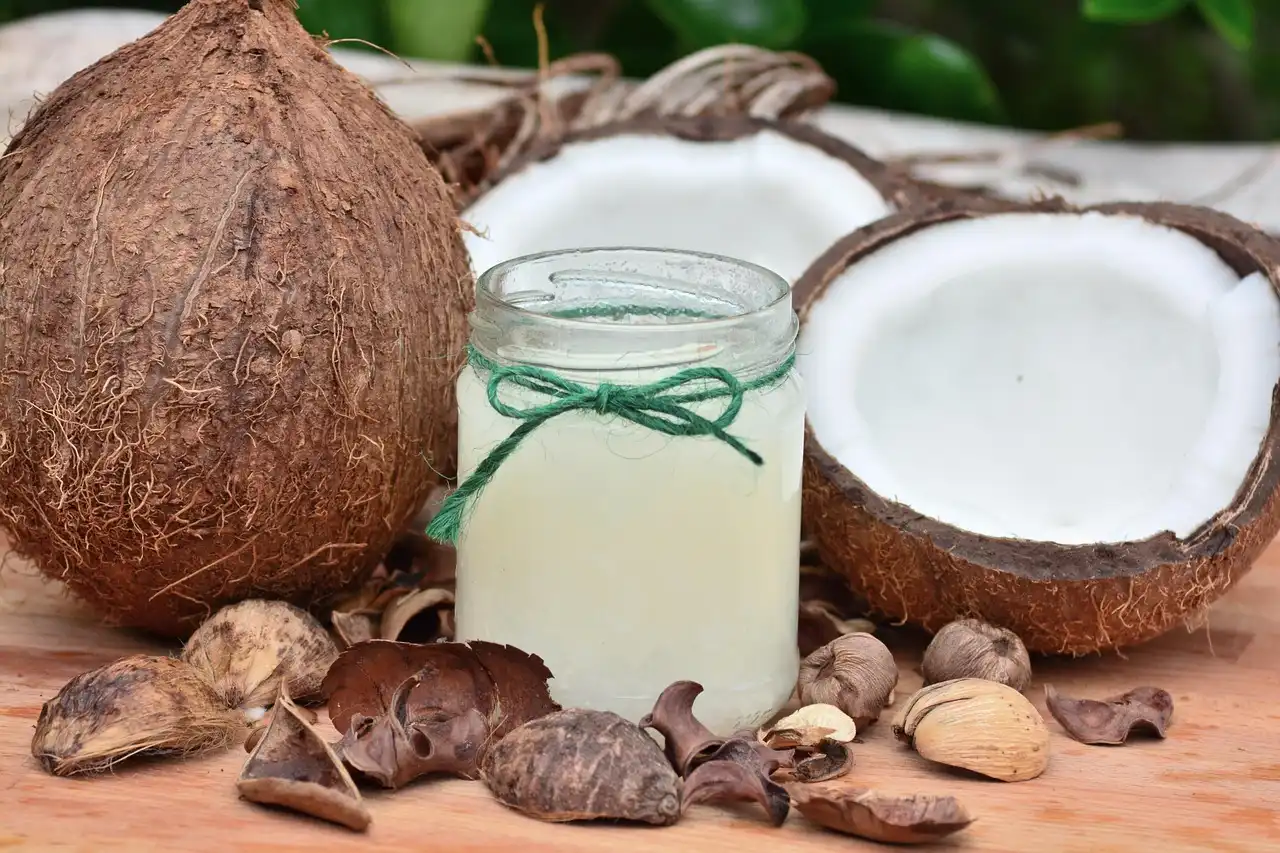


Coconut coir comes from the coconut’s fibrous husk. It is sold as compressed bricks, discs, pots, or loose medium, and the compressed forms expand after you add water. That expansion is large: compressed coir can grow to 3 to 9 times its size.
For seed starting, coir matters because it holds water evenly while still leaving open air space around roots. It is also described as pH neutral and as a biodegradable growing medium. Those traits make it useful for germination, where seeds need moisture, warmth, and oxygen at the same time.
Why gardeners reach for coir
Coir can soak up 10x its weight in water, so it cuts down how often you need to water trays. At the same time, it keeps the root zone open to air, which helps prevent stale, waterlogged conditions. That balance is why many gardeners use it instead of peat moss or as part of a seed starting mix.
It is also lighter and easier to handle than many soil blends. A compressed coconut coir brick is made for storage and transport, then expanded before use. Some products are sold in a 2-brick option at $7.95, and others in a 4-brick option at $16.00.
Can you start seeds in coconut coir?
Yes, you can start seeds in coconut coir. Pure coir works well for many fine seeds and for gardeners who can manage watering closely, while a blend works better when seedlings need extra structure, faster drainage, or more nutrient support. Seed size is the main clue for choosing the setup.
When pure coir works
Pure coir is suitable for small seeds that need steady moisture near the surface and do not need heavy coverage. It also works when you want a clean, even medium for germination in trays or small pots. In that setup, coir’s air space and moisture retention do most of the work.
When a blend works better
A blend is better for medium and larger seeds, for seedlings that stay in the tray longer, and for anyone worried about surface crusting or weak root anchoring. Adding perlite widens drainage paths and adds pore space. Adding compost can help after germination, when seedlings begin to need more nutrients.
Which seed sizes benefit most?
Fine seeds benefit most from straight coir because the surface stays evenly damp and the seed does not need much burial. Medium seeds often do well in a coir-plus-perlite mix. Larger seeds usually need firmer support, so a blend is safer than pure coir unless the watering is tightly controlled.
Say your lettuce seeds are sown in a 6-cell tray with pure coir. If the cells are filled after full hydration and the surface stays evenly damp, germination is usually steady because the seeds are small and shallow. Say the same tray is used for beans, though, and pure coir may feel too soft around the seed unless you add perlite for support.
Fill your tray or pot to the rim, set seeds at the correct depth for their size, and water gently after sowing so the surface stays settled. Use straight coir for small seeds, and use a coir blend for larger seeds or for trays that will hold seedlings longer. The goal is even moisture, not saturation.
Step-by-step planting workflow
- Fill the container with hydrated, fluffed coir.
- Tap the container once to settle the mix, but do not pack it down hard.
- Sow seeds 2 to 3 times as deep as the seed is wide.
- Cover lightly with coir only when the seed needs darkness or a touch of insulation.
- Water from the top with a fine stream or from below, depending on tray design.
- Keep the surface evenly moist, not soggy.
Small seeds usually need only a dusting of coir on top. Medium seeds can take a little more depth. Larger seeds should not be buried so deeply that they run out of oxygen before sprouting. Germination fails when the seed sits in wet, compacted material with too little air at the root zone.
A common first-timer mistake is pressing the coir down too firmly after filling a tray. That shrinks the air space that coir is valued for, and it can slow sprouting. A loose fill with a level surface works better than a packed one.
Coconut coir seed-starting prep table
This table gives a practical way to match container size, hydrated fill volume, seed size, and blend choice. The fill volumes are estimated from the container shape after hydration, so use them as a planning guide, not as an exact lab measure.
| Container size | Estimated hydrated fill volume | Sowing suitability by seed size | Watering caution | Blend with compost or perlite? |
|---|---|---|---|---|
| Cell tray, 6 to 12 cells | About 1 to 2 cups total | Best for fine seeds and many small seeds | Check daily; cells dry faster at the edges | Perlite if drainage is slow; no compost for the first sprout stage |
| Small pot, about 3 to 4 inches wide | About 2 to 3 cups | Good for small to medium seeds | Water in short passes so the surface does not puddle | Perlite helps if the pot stays wet too long |
| Deep pot, about 5 to 6 inches wide | About 4 to 6 cups | Better for medium to larger seeds | Top layers can crust if watered too hard | Perlite is usually helpful; compost only after germination if seedlings need feeding |
| Shallow flat | About 1 to 2 inches of filled depth | Best for tiny seeds that need a uniform surface | Low sides dry out fast; watch the corners | Use straight coir unless seedlings sit too wet |
What should you mix with coir?
Mix in perlite when drainage or air space needs a boost. Mix in compost only when seedlings have sprouted and are beginning to use more nutrients. Keep coir alone when you are starting fine seeds, when the tray drains well, and when you want a clean medium with predictable moisture.
Add perlite for more drainage
Perlite is the simplest add-in when coir feels too water-retentive. A practical starting point is a 1:1 blend by volume for medium or larger seeds, or a smaller perlite share if only a little more air space is needed. That keeps the seed zone open while still holding moisture.
Add compost only when seedlings need it
Compost is not needed for the first sprout stage. Coir is pH neutral, but it does not carry much nutrient support on its own, so young seedlings often need feeding later rather than immediately. If compost is added too early, the mix can hold extra moisture and create uneven surfaces.
When to keep coir alone
Keep coir alone for small seeds, for trays with tight moisture control, and for short germination runs where seedlings will be potted up soon after sprouting. That approach avoids extra fertility and keeps the surface fine and level, which helps small seeds emerge evenly.
Suppose tomato seeds are started in pure coir in a small tray and the surface stays wet for days. The issue is not the seed size. It is the water balance. In that case, a 1:1 mix with perlite usually improves air flow around the seed and reduces the chance of damping-off.
Why do coir seedlings fail?
Seedlings in coir usually fail for one of three reasons: the surface stays soggy, the top layer crusts over, or roots cannot anchor well enough to hold the plant upright. Each problem points to a different fix, and each one can be avoided before sowing if the medium is prepared correctly.
Soggy surface
A soggy surface blocks oxygen, which can slow germination and invite damping-off. Fix it by using less water after sowing, switching to bottom watering, and adding perlite next time. If the tray has no drainage path, move the seedlings to a container that does.
Crusting
Crusting happens when the top layer dries into a hard skin after watering. That skin can trap a seedling at emergence. Prevent it by watering with a fine spray, covering seeds with only a thin layer of coir, and avoiding packed surfaces. A small perlite addition can also keep the top looser.
Weak root anchoring
Weak anchoring shows up when seedlings wobble or lean because the medium is too soft or too airy in the wrong way. Use a slightly firmer fill, choose a deeper container, or blend in a material that gives more structure. Larger seedlings usually need that extra support sooner than fine seeds do.
Picture a basil tray that sprouts on schedule but topples when the first true leaves open. That usually points to weak anchoring, not failed germination. A firmer fill and a small amount of perlite solve that better than more water.
Frequently asked questions
Is coconut coir good for seed starting?
It is a good seed-starting medium when moisture control is steady. Coir is pH neutral, light, and airy, so seeds get both water and oxygen. It is less useful if you want a built-in nutrient supply, because seedlings often need feeding after they emerge, not during sprouting.
How do you prepare coconut coir for planting seeds?
Fully hydrate the brick, disc, or loose coir before sowing. Fluff it, break up clumps, and fill the container without packing it hard. If needed, mix in perlite for drainage or compost only after germination. The surface should be evenly moist, not waterlogged.
Do you need to mix coconut coir with anything for seed starting?
Not always. Pure coir is fine for many fine seeds and short germination runs. Mix in perlite when drainage is slow or seedlings will stay in the tray longer. Add compost later if seedlings need nutrients. For larger seeds, a blend is usually safer than straight coir.
Can you grow plants in coconut coir?
Yes, but seed starting and growing mature plants are different jobs. Coir can support mature plants in containers when nutrients are supplied separately, yet seedlings need a tighter moisture balance and less fertility at first. For seed starting, focus on germination and early root growth, not long-term feeding.