
Botanical gardens are more than beautifully curated landscapes—they are living museums dedicated to the conservation, education, and research of the world’s plant diversity. For centuries, these gardens have served as sanctuaries for rare and exotic species, but one question continually fascinates visitors and botanists alike: Where do the plants in botanical gardens actually come from? The answer is a complex tapestry woven from history, science, exploration, and global collaboration.
The process of acquiring plants for botanical gardens is a story of adventure, scientific rigor, and ethical responsibility. From remote jungles to urban greenhouses, the journey of a single plant can span continents and generations. Today, with climate change and biodiversity loss looming large, understanding the origins and pathways of these plants is more crucial than ever.
This article uncovers the remarkable and sometimes surprising sources that feed the world’s botanical collections, and explores the evolving strategies that ensure their diversity, legality, and sustainability.
Key Takeaways
- Botanical gardens obtain plants from multiple sources including wild collection, seed exchanges, nurseries, and donations.
- Modern plant acquisition emphasizes legal and ethical practices, complying with international conventions like CITES and the Nagoya Protocol.
- Conservation and research drive plant sourcing decisions, with increasing focus on preserving endangered species.
- Historical plant collecting shaped today’s botanical diversity, but contemporary practices now prioritize sustainability.
- Botanical gardens collaborate globally through seed banks, exchanges, and joint expeditions to maintain diverse and resilient collections.
The Historical Roots Of Plant Acquisition
The Age Of Exploration And Early Botanical Gardens
In the 16th and 17th centuries, the rise of exploration led to a surge in plant collecting. European explorers and botanists traveled the globe, collecting seeds, cuttings, and specimens for the first botanical gardens in places like Pisa, Padua, and Oxford. These early gardens primarily served as repositories for medicinal plants and curiosities from foreign lands.
The creation of these gardens marked a turning point in the study and appreciation of the world’s flora. Physicians, herbalists, and scholars could now observe living plants that were previously known only through illustrations or dried specimens. This contributed to the development of botany as a scientific discipline.
The Oxford Botanic Garden, for instance, founded in 1621, was explicitly established for the study of physic (medicinal) plants, a purpose mirrored in the Padua and Pisa gardens. These institutions became centers for both scientific learning and public curiosity.
Botanical expeditions often involved perilous journeys. For example, Sir Joseph Banks, renowned for his voyage with Captain James Cook, introduced over 1,300 species—including the eucalyptus and acacia—to Kew Gardens. These introductions often relied on the labor and knowledge of local peoples, whose contributions were rarely credited.
Collectors faced not only geographical and climatic challenges but also dangers from unfamiliar diseases, difficult terrain, and even political instability. The resilience and ingenuity of these early botanists paved the way for our modern understanding of global plant diversity.
Colonialism And Plant Exchange
The colonial era saw the large-scale movement of economically important plants, such as tea, rubber, and cinchona (source of quinine), between continents. The Royal Botanic Gardens, Kew became a global hub, orchestrating exchanges that shaped agriculture and horticulture worldwide.
These transfers were not just scientific curiosities—they fundamentally altered economies and ecosystems. For example, the successful transplantation of Hevea brasiliensis (the rubber tree) from Brazil to Southeast Asia by Kew scientists enabled the development of the modern rubber industry in British colonies, transforming global trade. Similarly, the transfer of tea from China to India and Sri Lanka by British botanists underpinned what would become a central commodity for the British Empire.
However, this period also saw significant biopiracy—the unauthorized extraction and commercialization of plants from their native habitats. These historical practices have informed current ethical standards and international agreements governing plant movement.
Many of the world’s staple crops and economically significant plants owe their global distribution to this era, but often at the cost of local communities’ control over their native resources. The legacies of these exchanges continue to influence debates around intellectual property, traditional knowledge, and benefit-sharing today.
The Rise Of Scientific Networks
By the late 19th and early 20th centuries, botanical gardens formed international networks for plant exchange and research. The Index Seminum (seed exchange lists) became a standard tool, allowing gardens to request seeds from each other legally and efficiently. These exchanges were pivotal in building the diverse living collections seen today.
The proliferation of these networks fostered a spirit of scientific cooperation. Gardens would publish annual or biennial seed lists, and other institutions could request seeds for specific research or display purposes. This system accelerated the spread of horticultural knowledge and plant diversity worldwide, while also establishing the foundation for many of the legal and ethical frameworks that govern plant exchanges today.
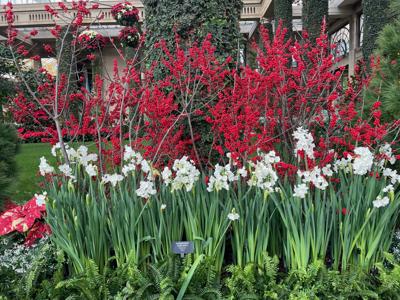
Modern Sources Of Plants For Botanical Gardens
Wild Collection: Field Expeditions
Despite advances in propagation, wild collection remains a vital source for botanical gardens, particularly for rare and endangered species. Modern expeditions are highly regulated and typically require permits from both home and host countries. Protocols ensure minimal impact on native populations and habitats.
Key steps in wild plant collection:
- Pre-collection research to identify target species and populations, often involving remote sensing, field surveys, and collaboration with local researchers.
- Legal compliance with local, national, and international regulations, including obtaining appropriate collection and export permits.
- Sustainable harvesting techniques (e.g., collecting seeds rather than whole plants), which minimize damage to wild populations and ensure the potential for natural regeneration.
- Documentation and data collection for scientific study and provenance tracking, including GPS coordinates, habitat descriptions, and photographs.
For example, the Chicago Botanic Garden partners with local governments and indigenous communities to responsibly collect and conserve North American prairie plants. This collaboration ensures that traditional ecological knowledge is respected and that benefits—such as training, capacity building, or shared research outputs—are returned to local stakeholders.
Wild collection is also critical for preserving the genetic diversity of threatened species. By sampling multiple populations across a species’ range, gardens can capture a wider array of genetic traits, which is essential for long-term conservation and potential reintroduction efforts.
Seed Exchanges And Seed Banks
Botanical gardens participate in global seed exchange networks such as the BGCI’s PlantSearch and the Millennium Seed Bank Partnership. These programs facilitate the legal transfer of seeds between institutions, supporting conservation and research.
Seed exchanges are governed by strict protocols to ensure traceability, legal compliance, and phytosanitary safety. Seeds are often accompanied by detailed accession records, including collection locality, parent plant information, and any relevant permits. This transparency is vital for both research and conservation purposes.
Seed banks play a crucial role in ex situ conservation. By storing seeds under controlled conditions, gardens can safeguard genetic material for decades or even centuries, providing a backup for species threatened in the wild. The Millennium Seed Bank, for example, maintains seeds at low humidity and subzero temperatures, optimizing longevity and viability.
| Source | Type of Material | Advantages | Challenges |
|---|---|---|---|
| Wild Collection | Seeds, cuttings, whole plants | Genetic diversity, conservation value | Regulatory complexity, ecological impact |
| Seed Exchange | Seeds | Legal, efficient, broad access | Limited to available species |
| Commercial Nurseries | Seedlings, mature plants | Ease of access, health-certified stock | Potentially lower genetic diversity |
| Donations & Bequests | Varied | Unique specimens, community engagement | Provenance issues |
Commercial Nurseries And Horticultural Trade
Many botanical gardens purchase plants from specialist nurseries. This is especially common for cultivars, ornamental varieties, or species difficult to source through seed. Nurseries may also supply tissue-cultured or disease-free stock, important for maintaining healthy collections.
The horticultural trade has become increasingly sophisticated, with nurseries offering a wide array of plant species, including some that are rare or hard to propagate. In some cases, nurseries also engage in their own conservation efforts, growing endangered species under controlled conditions for sale to responsible institutions.
However, reliance on nurseries can lead to genetic bottlenecking if only a few clones or lineages are available. Gardens balance this with wild-sourced or exchanged material to maintain genetic diversity. Botanical gardens often audit the genetic backgrounds of nursery-sourced plants, especially when these are destined for conservation or breeding programs.
Donations, Bequests, And Community Contributions
Private collectors, gardeners, and institutions often donate plants to botanical gardens. Famous examples include the Huntington Botanical Gardens’ cacti collection, largely built from private bequests.
Donations can include rare or unusual varieties that are no longer available commercially, or historic specimens with unique provenance. These contributions often reflect decades of cultivation and care by individuals passionate about plant diversity.
While donations can enrich collections, gardens must assess the provenance, health, and legality of each specimen before acceptance. Many gardens now have formal donation policies to ensure compliance with ethical and legal standards. In some cases, donors are asked to provide documentation of the plant’s origin, cultivation history, and any relevant permits.
Engaging with the community through plant donations also strengthens public ties and fosters a sense of shared stewardship over biodiversity.
Propagation And In-house Production
Increasingly, gardens propagate plants from existing stock through seed, cuttings, grafting, or tissue culture. This reduces pressure on wild populations and allows for rapid multiplication of rare species. Propagation also supports restoration projects and plant reintroductions.
Some gardens, like the Missouri Botanical Garden, maintain extensive nursery and greenhouse facilities, producing thousands of plants annually for display, research, and conservation.
Advanced techniques such as micropropagation or tissue culture enable the multiplication of difficult or slow-growing species, and can also be used to produce disease-free or genetically uniform plants for research. These propagation methods are essential for the conservation of species with very limited wild populations or those threatened by pests and diseases.

Legal And Ethical Considerations In Plant Sourcing
International Regulations: Cites And The Nagoya Protocol
The movement of plants is governed by a web of international conventions. The Convention on International Trade in Endangered Species (CITES) restricts the import and export of listed species. For example, orchids and cycads are tightly controlled to prevent overcollection.
The Nagoya Protocol (2014) requires fair and equitable sharing of benefits arising from the use of genetic resources. Botanical gardens must obtain prior informed consent from source countries and often negotiate access and benefit-sharing (ABS) agreements.
Key legal requirements for botanical gardens:
- Import/export permits for regulated species.
- Documentation of provenance and collection permits.
- Compliance with national biodiversity laws.
For more on international plant regulations, see the CITES official website and the Nagoya Protocol overview.
In practice, these requirements mean that plant acquisitions can take months or even years to arrange, and that detailed records must be maintained for each specimen. Failure to comply can lead to significant legal and reputational consequences for both the institution and its staff.
Ethical Sourcing: Sustainability And Conservation
Modern botanical gardens are committed to sustainable and ethical sourcing. This includes:
- Respecting indigenous knowledge and rights during collection, and, where appropriate, involving local communities in the management and use of plant resources.
- Avoiding biopiracy and ensuring local communities benefit from plant resources, often through capacity building, sharing research findings, or supporting local conservation initiatives.
- Promoting ex-situ conservation to protect species at risk of extinction, while also working to restore and protect habitats in situ.
Many gardens now have codes of conduct and participate in global initiatives such as the Global Strategy for Plant Conservation.
Ethical sourcing also means ensuring that plants are not taken from the wild if sustainable alternatives exist, and that any benefits derived from the use of plant genetic resources are shared fairly and transparently.
Risk Management: Pests, Disease, And Invasives
Moving plants between regions carries the risk of introducing pests, diseases, or invasive species. Botanical gardens implement strict quarantine and inspection protocols. For example, the Royal Botanic Garden Edinburgh maintains biosecurity greenhouses for new arrivals.
Checklist For Safe Plant Introduction:
- Inspection for signs of pests or disease, using both visual examination and laboratory testing.
- Quarantine period for new specimens, typically ranging from weeks to months depending on risk level.
- Use of certified, disease-free material, especially for species known to be susceptible to particular pathogens.
- Monitoring for invasive tendencies, including periodic assessments of how new species behave in the garden setting.
These measures are designed to protect both the collections and local ecosystems, and are a crucial component of responsible plant management.
Documentation And Recordkeeping
Accurate plant records are essential for legality, research, and conservation. Most gardens use digital databases to track the origin, accession date, and genetic background of each plant. This transparency supports compliance and facilitates research collaborations.
Sophisticated database systems, such as BG-BASE or IrisBG, allow gardens to manage thousands of accessions, generate reports for regulatory agencies, and share information with partner institutions. Detailed recordkeeping also supports scientific research, enabling studies of plant lineage, adaptation, and response to environmental change.
The Role Of Botanical Gardens In Conservation And Research
Ex Situ Conservation And Species Recovery
Botanical gardens are at the forefront of ex situ conservation—preserving species outside their natural habitats. This is critical for plants threatened by habitat loss, climate change, or overexploitation.
Case Study: The National Tropical Botanical Garden in Hawaii manages living collections and seed banks for over 1,000 endangered Pacific Island species, many extinct in the wild.
Gardens participate in species reintroduction programs, growing plants for release back into restored habitats. Successful examples include the reintroduction of the Franklin tree (Franklinia alatamaha) and the Toromiro tree (Sophora toromiro) on Easter Island.
Ex situ collections can also serve as insurance policies, preserving genetic diversity that may otherwise be lost. In some cases, gardens collaborate with wildlife agencies, NGOs, and local communities to coordinate in situ and ex situ efforts, maximizing conservation impact.
Scientific Research And Plant Breeding
Botanical gardens are research powerhouses, studying:
- Plant taxonomy and systematics, clarifying relationships between species and supporting accurate identification.
- Adaptation to climate change, investigating how plants respond to new environmental conditions and identifying traits that confer resilience.
- Medicinal and economic uses, including screening for novel compounds, supporting sustainable agriculture, and informing policy on plant-based resources.
Collaborations with universities and research institutes generate new knowledge and support breeding programs for disease resistance, drought tolerance, and ornamental value. For example, gardens may hybridize wild and cultivated plants to develop new varieties suited to changing climates or urban environments.
Education And Public Engagement
Botanical gardens use their collections to educate the public about plant diversity, conservation, and sustainable gardening. Interactive exhibits, guided tours, and citizen science projects foster appreciation and stewardship.
Notable outreach programs:
- Kew’s Grow Wild campaign (UK), which distributes native wildflower seeds and encourages community planting.
- Chicago Botanic Garden’s Budburst citizen science project, which engages the public in monitoring plant phenology and contributes valuable data for climate research.
Education is a core mission for most gardens, helping to build support for conservation initiatives and inspiring the next generation of botanists and plant enthusiasts.
Global Collaboration And Information Sharing
Gardens work together through organizations like Botanic Gardens Conservation International (BGCI) and the American Public Gardens Association. Shared databases such as PlantSearch and Garden Explorer allow institutions to track and exchange plant material worldwide.
BGCI estimates that its member gardens maintain over 500,000 species, representing a third of all known plants.
This level of collaboration is essential for tackling global challenges like biodiversity loss and climate change, as no single institution can conserve all species or respond to all threats alone.
Real-world Examples And Case Studies
Kew Gardens: Global Plant Exchange Hub
The Royal Botanic Gardens, Kew manages one of the world’s largest and most diverse living collections. Its Millennium Seed Bank stores seeds from over 39,000 species, sourced through partnerships with 95 countries. Kew’s plant introductions are meticulously documented and comply with CITES and Nagoya Protocol standards.
Kew’s recent collaboration with Madagascar’s national parks has helped conserve over 500 endemic species, many threatened by deforestation. The garden’s extensive global partnerships enable it to play a leading role in international plant conservation and research.
In addition to seed banking, Kew is a leader in developing new propagation techniques, studying plant diseases, and sharing expertise with partners worldwide. Its commitment to open access and benefit-sharing sets an example for ethical plant acquisition.
Missouri Botanical Garden: Community And Conservation
The Missouri Botanical Garden sources plants through wild collection, seed exchange, and propagation. Its Shaw Nature Reserve serves as a nursery for native prairie and woodland species, supporting regional restoration projects.
A unique feature is the community seed bank, where local gardeners can donate and exchange seeds, increasing genetic diversity and public engagement. Through public workshops, school programs, and partnerships with local organizations, the Garden promotes conservation at both the local and global scales.
Missouri Botanical Garden also conducts fieldwork in more than 30 countries, working with local scientists and communities to document, protect, and sustainably use plant resources.
Singapore Botanic Gardens: Orchid Conservation
The Singapore Botanic Gardens is famous for its orchid breeding and conservation. Through partnerships with Southeast Asian countries, the garden acquires rare orchids for propagation and research. Its strict quarantine and documentation protocols set the standard for urban botanical gardens.
The garden’s Orchid Breeding and Conservation Programme has developed hundreds of new hybrids and helped conserve native species at risk from habitat loss. The Gardens’ living orchid collection is among the most significant in Asia, attracting researchers and visitors alike.
Table: Comparison Of Acquisition Methods At Leading Botanical Gardens
| Botanical Garden | Key Acquisition Methods | Notable Projects | Conservation Focus |
|---|---|---|---|
| Kew Gardens (UK) | Wild collection, seed bank, exchange | Millennium Seed Bank, Madagascar partnership | Endemic & threatened species |
| Missouri Botanical Garden (US) | Seed exchange, propagation, community donations | Shaw Nature Reserve, community seed bank | Native restoration |
| Singapore Botanic Gardens | Orchid exchange, tissue culture, nursery | Orchid conservation | Orchids & tropical flora |
Case Study: Millennium Seed Bank Partnership
The Millennium Seed Bank at Kew is the world’s largest wild plant seed storage facility. Since 2000, it has safeguarded seeds from over 39,000 species, including 20% of the world’s flora. Seeds are sourced via international agreements, ensuring benefit-sharing and long-term conservation.
The Seed Bank’s work has proven invaluable during times of crisis, such as species declines due to fire or disease outbreaks, by providing material for recovery and restoration projects. Its research team also develops new storage and germination techniques, making it a model for seed banks worldwide.
For more information, visit the Millennium Seed Bank project page.
Challenges And Controversies In Plant Sourcing
Navigating Legal Complexities
International laws can create barriers to plant exchange. For example, CITES-listed species require extensive paperwork, and the Nagoya Protocol’s ABS agreements can be time-consuming to negotiate.
Common legal challenges:
- Varying national laws and interpretations, which can complicate multi-country collaborations or exchanges.
- Time and cost of compliance, including legal consultations, translations, and official documentation.
- Restrictions on sharing research or propagation material, especially when agreements limit use to specific purposes.
Resolving these challenges often requires dedicated legal and regulatory expertise within botanical gardens, as well as ongoing dialogue with authorities in source and recipient countries.
Balancing Conservation With Display
Botanical gardens must balance their role as public attractions with conservation mandates. Rare or slow-growing plants may not be suitable for display, requiring off-exhibit care in greenhouses or nurseries.
Public expectations for colorful, diverse displays sometimes conflict with conservation priorities, which may necessitate prioritizing species that are less visually striking but more ecologically significant. Educational signage and programs help explain these decisions to visitors, fostering understanding and support for conservation efforts.
Risks Of Invasive Species
Introducing non-native plants can have unintended ecological consequences. Famous examples include the kudzu vine in the US and Japanese knotweed in Europe. Gardens now conduct risk assessments before introducing new species.
These assessments evaluate a plant’s potential to escape cultivation, hybridize with native species, or become a pest. Even with best practices, the risk cannot be eliminated entirely, underscoring the need for ongoing vigilance and adaptive management.
Funding And Resource Constraints
Acquiring, propagating, and caring for plants—especially rare or endangered ones—is resource-intensive. Many gardens rely on government funding, grants, and donations, which can fluctuate year to year.
Limited resources may restrict the ability to participate in international collaborations, maintain state-of-the-art facilities, or support public education and outreach. Gardens increasingly seek diversified funding sources, including memberships, corporate sponsorships, and earned income from events or retail.
Ethical Dilemmas And Biopiracy
Historical plant collecting often ignored the rights of local communities. Modern gardens strive to redress past injustices by involving source countries in research, benefit-sharing, and joint conservation efforts.
For a deeper discussion, see Wikipedia’s Biopiracy article and the Nagoya Protocol ABS toolkit.
Botanical gardens must navigate complex ethical landscapes, ensuring that their activities do not perpetuate inequalities and that they contribute positively to conservation and sustainable development.
The Future Of Plant Acquisition: Trends And Innovations
Genomic And Digital Resources
Advances in plant genomics and digital herbariums are transforming plant acquisition. DNA barcoding helps identify species and track genetic diversity, while virtual exchanges of data support research without physical transfer.
Digital tools also enable more precise tracking of plant lineages, disease resistance, and adaptation to environmental changes. Many gardens are digitizing their collections, making data accessible to researchers and the public worldwide.
Climate Change And Assisted Migration
As climates shift, some gardens are experimenting with assisted migration—introducing species to new regions where they may survive better. This controversial practice is guided by careful risk assessment and monitoring.
Assisted migration raises complex ecological and ethical questions, as moving species outside their native ranges can have unforeseen impacts. Nevertheless, it may become an important tool for conserving species at risk from rapid climate change.
Urban And Community Partnerships
Urban botanical gardens are building partnerships with community gardens, schools, and local governments to source and propagate native species. This approach fosters resilience and local stewardship.
Such partnerships can also serve as living laboratories for sustainable urban horticulture, pollinator conservation, and public health initiatives, enhancing the relevance of botanical gardens in rapidly urbanizing societies.
Sustainable And Circular Horticulture
Emerging trends include:
- Zero-waste propagation (recycling growing media, water), which reduces environmental impact and operational costs.
- Organic and pesticide-free cultivation, promoting healthy ecosystems and reducing chemical inputs.
- Circular plant exchanges with local institutions, enabling the sharing and reuse of plant material and reducing reliance on new acquisitions.
These practices reflect a broader commitment to sustainability within the sector.
Strengthening Global Collaboration
Organizations like BGCI and the Global Genome Biodiversity Network are expanding collaboration, data sharing, and joint conservation projects. The future of plant acquisition will depend on international cooperation and shared ethical standards.
For more on future trends, see BGCI’s Plant Collections resources and the Global Genome Biodiversity Network.
Frequently Asked Questions
How Do Botanical Gardens Legally Obtain Rare Or Endangered Plants?
Botanical gardens must comply with national and international laws such as CITES and the Nagoya Protocol. This involves obtaining permits, documenting provenance, and often negotiating benefit-sharing agreements with source countries. The process ensures that rare or endangered plants are acquired legally and ethically, with respect for conservation and local communities.
Many gardens also work directly with government agencies, indigenous groups, and NGOs to co-develop collection strategies that maximize conservation benefits and minimize risks.
What Is The Index Seminum And How Does It Work?
The Index Seminum is a seed exchange catalogue produced by many botanical gardens worldwide. It lists seeds available for exchange with other institutions, supporting research and conservation. Exchanges are regulated and typically restricted to non-commercial, scientific use, with documentation to track origin and compliance with laws.
Participating in the Index Seminum helps gardens broaden their collections, increase genetic diversity, and strengthen international collaborations.
Why Don’t Botanical Gardens Just Buy All Their Plants From Nurseries?
While commercial nurseries are a source for many ornamental or cultivated species, they often lack the genetic diversity or rare wild species needed for conservation and research. Nurseries may also propagate only select cultivars, leading to genetic bottlenecks. Botanical gardens balance nursery purchases with wild collection, seed exchange, and in-house propagation to maintain diverse and resilient collections.
Furthermore, nurseries may not always follow the same rigorous ethical and legal standards as botanical gardens, making provenance and compliance more challenging.
How Do Gardens Prevent The Spread Of Pests Or Invasive Species?
Gardens implement quarantine protocols, inspect new arrivals for pests and diseases, and monitor for invasive tendencies. Many have biosecurity greenhouses or designated quarantine areas. Introducing new species is guided by risk assessments to protect local ecosystems and existing collections.
Ongoing staff training, participation in national plant health networks, and investment in diagnostic technologies further strengthen biosecurity.
Can Individuals Donate Plants To A Botanical Garden?
Yes, many gardens accept plant donations from private collectors, gardeners, or estates. However, donations are carefully evaluated for provenance, legality, health, and conservation value. Gardens may require documentation of origin and reserve the right to decline specimens that do not meet their standards or needs.
Engaging with donors is also an opportunity to educate the public about responsible horticulture and the value of plant conservation.
Botanical gardens are vital bridges between the natural world and human society, and the journey of each plant within their collections is the result of centuries of exploration, scientific collaboration, and ethical evolution. By understanding where these plants come from—and how they are sourced, protected, and shared—we gain a deeper appreciation for the living heritage botanical gardens preserve for future generations.
As these institutions continue to adapt to new challenges and opportunities, they remain at the heart of global efforts to safeguard our planet’s plant diversity for generations to come.