Gardening Techniques for Identifying Nutrient Deficiencies
Diagnose nutrient deficiencies by checking where symptoms start, which leaves change first, and whether two or more plant parts show the same pattern; if only one plant is affected, rule out watering, pH, pests, and root damage before fertilizing. Wrong fertilizer can burn roots, waste time, and leave the real cause untreated. This guide uses a symptom-to-confirmation workflow, common lookalikes, and specific checks to confirm the cause before you feed.
Leaf symptoms and clues


Nutrient problems often show up as chlorosis, necrosis, stunting, or dieback. Yellowing, purpling, scorched edges, and weak growth can all point toward fertility trouble, but those signs are not unique to one shortage. That is why the first job is pattern matching, then confirmation.
Start with the whole plant, then move in close. Check older leaves, younger leaves, stems, and roots if you can see them. A nutrient shortage usually leaves a pattern across multiple leaves, while disease, insects, or watering errors often create a more uneven picture.
What to inspect first
- Older, lower leaves: often point to mobile nutrient shortages.
- New growth and young leaves: often point to immobile nutrient shortages.
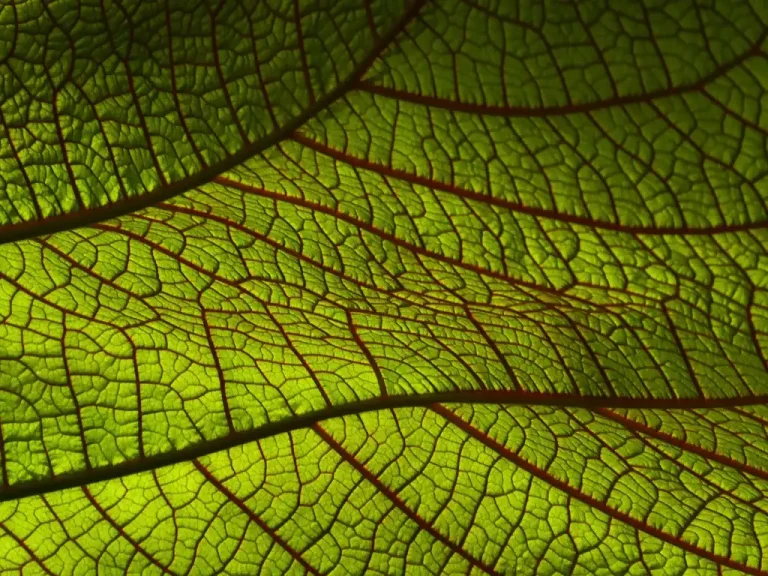
- Leaf edges and veins: help separate scorch from interveinal chlorosis.
- Stems and roots: help separate nutrient trouble from poor drainage or root damage.
If you only remember one rule, keep this one: symptoms on older, lower leaves suggest one diagnostic branch, and symptoms on newer, younger leaves suggest another diagnostic branch. That single split narrows the field fast. (Iastate)
Mobile vs immobile nutrients
Mobile nutrients can move inside the plant. When supply runs short, the plant reallocates them to new growth, so older leaves show symptoms first. Immobile nutrients do not move well, so the youngest leaves and growing tips are usually affected first. That movement pattern is one of the fastest ways to narrow the diagnosis.
This shortcut does not prove the cause. It tells you where to look next. If older leaves are fading first, think about nitrogen, potassium, or magnesium. If new leaves are pale while older leaves stay greener, iron moves higher on the list.
Why this matters for diagnosis
Mobile nutrient shortages usually show a more even decline in older foliage. Immobile nutrient shortages often hit the newest growth, where cell expansion is active and symptoms become visible quickly. That difference helps separate deficiencies from problems that affect the whole plant at once, such as drought or root rot.
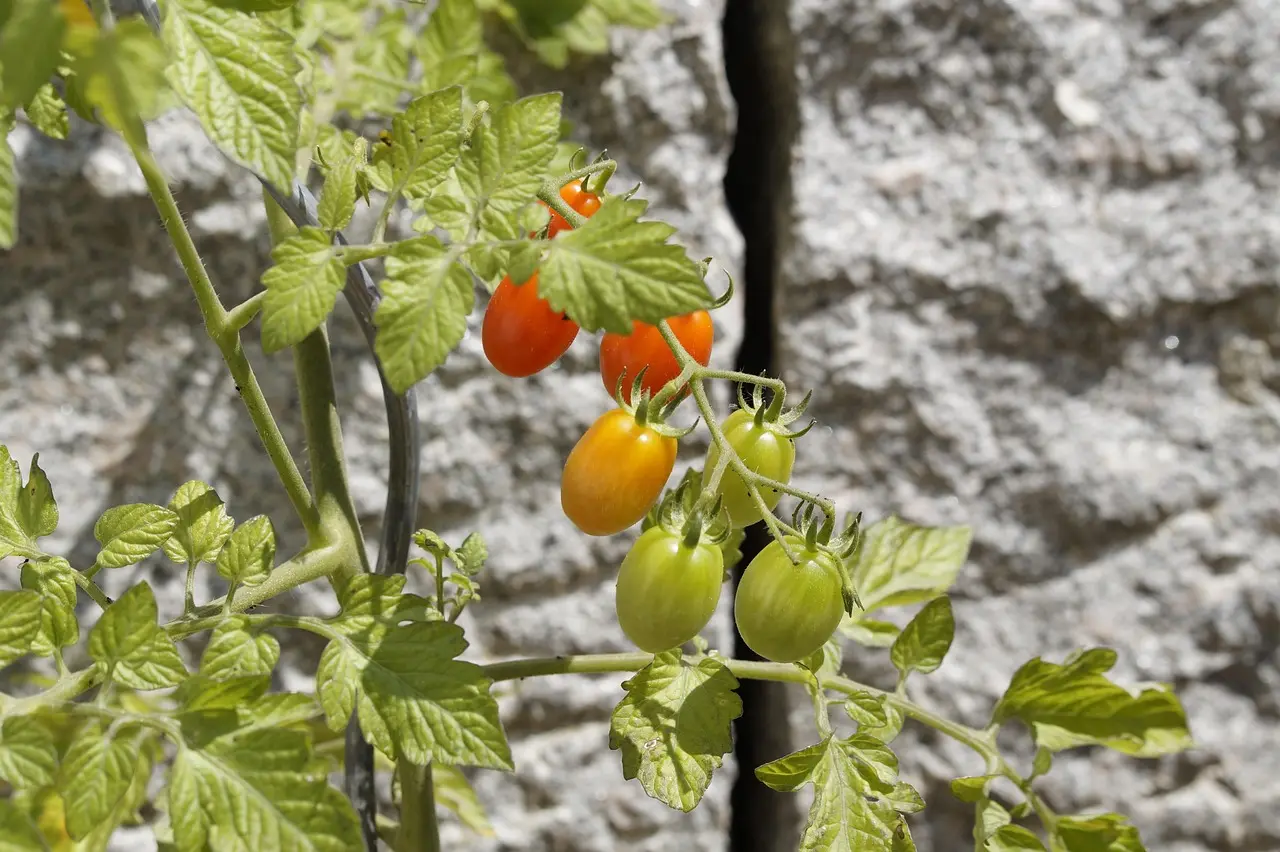
Say your tomato plant has yellowing lower leaves on several stems, but the newest growth still looks normal. That pattern fits a mobile nutrient shortage more than an iron problem, because iron symptoms usually start in young leaves. The next step is still confirmation, not an automatic fertilizer dose.
Which deficiency fits the symptom?
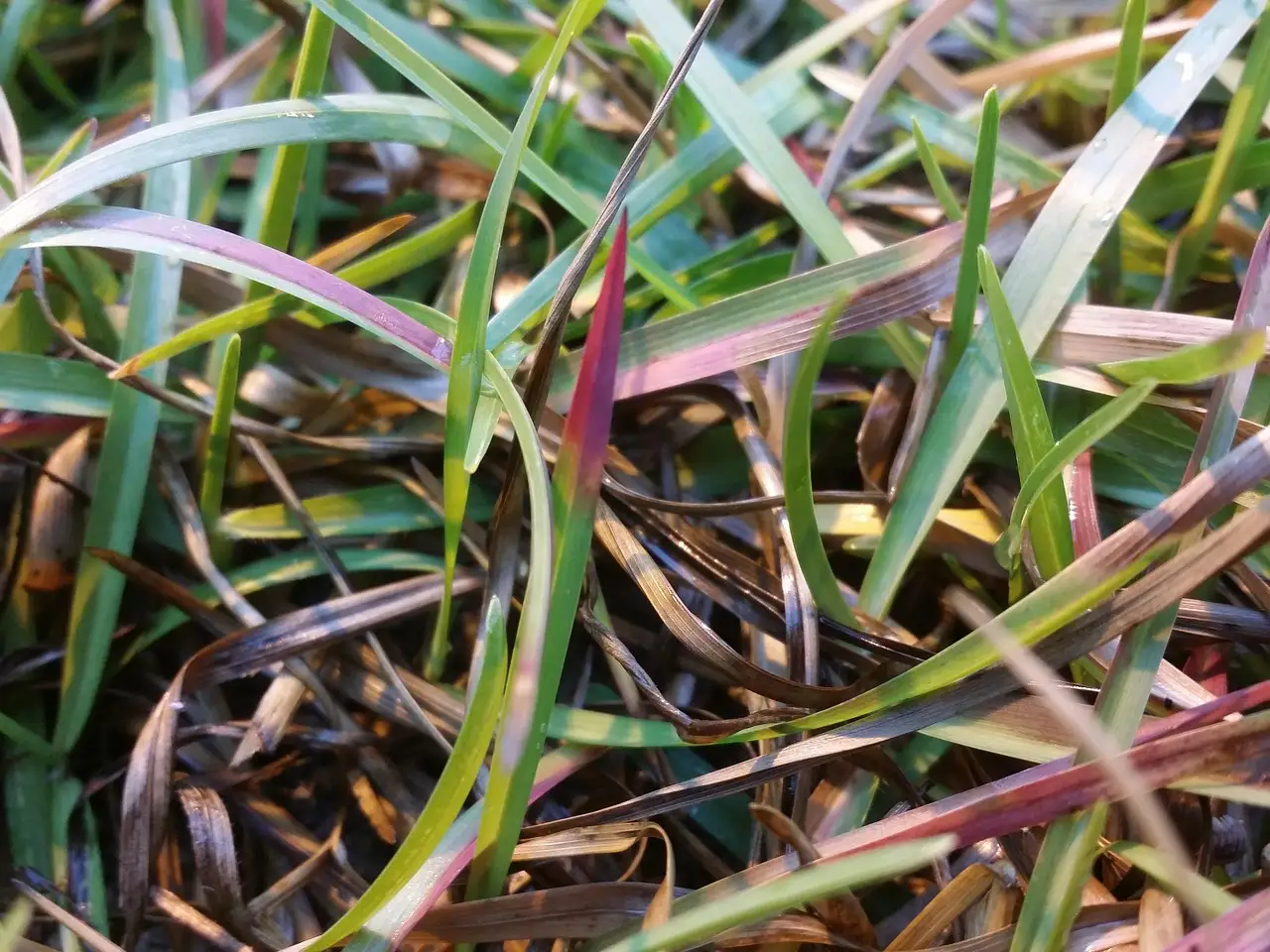
Use symptom pattern, then test for the likely cause. Uniform yellowing on older leaves points first to nitrogen deficiency. Purplish foliage points toward phosphorus deficiency. Leaf-edge scorch on older leaves suggests potassium deficiency. Interveinal chlorosis on older leaves suggests magnesium deficiency, while the same pattern on young leaves points toward iron deficiency. (Iastate)
Nitrogen
Nitrogen deficiency often shows older leaves turning yellow first, with fairly uniform chlorosis across the leaf blade. Growth can slow, and plants may look smaller than expected. Because nitrogen is a mobile nutrient, the plant shifts it away from older tissue before the newest growth suffers. That is why the lower canopy often goes pale first.
Phosphorus
Phosphorus deficiency may show dark green or purplish foliage, stunted roots, and delayed maturity. It often appears in cold soils, where root activity drops and uptake slows. The color change can be subtle at first, so check growth rate and root development, not color alone.
Potassium and magnesium
Potassium deficiency commonly causes leaf-edge scorch, older leaves affected first, weak stems, and reduced disease resistance. Magnesium deficiency usually causes interveinal chlorosis on older leaves, with veins staying green. Heavy rainfall can leach magnesium from soil, especially in lighter ground or in containers with frequent watering.
Magnesium deficiency is often corrected with magnesium sulfate, but that step makes sense only after the pattern fits. Potassium and magnesium can both slow growth, so look carefully at where the chlorosis starts and whether the veins remain green.
Iron
Iron deficiency usually appears as interveinal chlorosis on young leaves, with green veins standing out against pale tissue. It is common in alkaline soils, where iron is present but less available to roots. Chelated iron is often used for correction, especially when a quick response is needed after confirmation.
Picture a cucumber vine in a raised bed where the newest leaves turn yellow but the veins stay green. That pattern is more consistent with iron deficiency than nitrogen deficiency, because nitrogen tends to yellow older leaves first. The soil pH becomes the next question.
Nutrient diagnosis matrix
Use this table to sort the likely cause quickly, then verify it with a soil test or tissue analysis before you fertilize. It separates the common visual patterns from the fastest check that can confirm or rule them out.
| Symptom pattern | Likely nutrient deficiency | Fastest confirmation check | Do not fertilize yet |
|---|---|---|---|
| Older leaves yellow first; yellowing is fairly uniform; plant looks smaller than expected | Nitrogen | Check whether the newest growth is greener than the lower canopy; then confirm with a soil test | Drought, compacted roots, poor drainage, disease that reduces uptake |
| Dark green or purplish foliage; slow growth; delayed maturity; roots seem underdeveloped | Phosphorus | Check soil temperature and recent cold spells; then confirm with a soil test | Cold soil, transplant shock, root restriction |
| Leaf-edge scorch on older leaves; weak stems; lower leaves decline first | Potassium | Check for uneven watering and salt buildup; then confirm with a soil test | Fertilizer burn, drought, disease damage on leaf margins |
| Interveinal chlorosis on older leaves; veins stay green; older leaves fade first | Magnesium | Check rainfall, leaching, and container drainage; then confirm with tissue or soil testing | General yellowing from nitrogen shortage, root rot, poor drainage |
| Interveinal chlorosis on young leaves; veins stay green; newest leaves pale first | Iron | Check soil pH, especially if it is alkaline; then confirm with tissue or soil testing | Cold soil, disease, sun scorch, root damage |
The table is useful because it keeps the warning signs tied to each likely deficiency. It also prevents the common mistake of feeding a plant that is actually stressed by heat, wet roots, or pH, not low fertilizer.
Should you test soil before fertilizing?
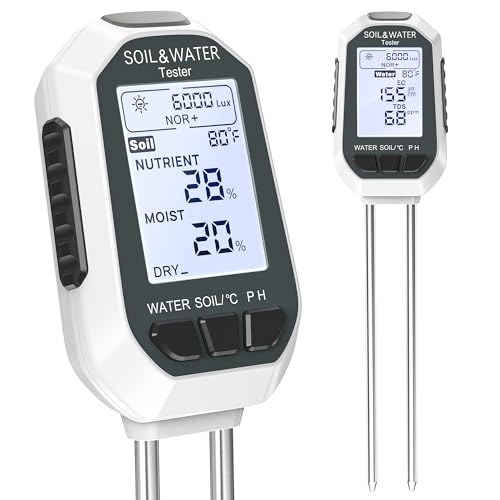
Yes. The first step is to get a soil test. Soil testing is a widely used diagnostic method, and it checks nutrient availability as well as pH, which matters because pH affects whether roots can access certain nutrients. Visual symptoms alone are not enough.
A soil test helps you avoid two common errors: adding the wrong nutrient and adding the right nutrient at the wrong time. If pH is off, the soil may contain enough fertilizer already, but the plant still cannot take it up. That is why pH belongs in the diagnosis, not after it.
When tissue analysis helps more
Plant tissue analysis adds better confirmation after visual inspection. It measures nutrient concentration in plant tissue, so it can separate a true shortage from a problem that only looks like one. Use it when the pattern is unclear, when multiple deficiencies may overlap, or when a crop is valuable enough to justify lab confirmation.
- Inspect which leaves show symptoms first.
- Note whether symptoms are uniform, interveinal, edged, or patchy.
- Check water status, soil temperature, and drainage.
- Order a soil test before applying fertilizer.
- Use tissue analysis if symptoms remain unclear or the crop is high value.
That sequence works because visual clues narrow the field, while tests confirm it. Fertilizer becomes the last step, not the first.
Lookalikes that fool gardeners
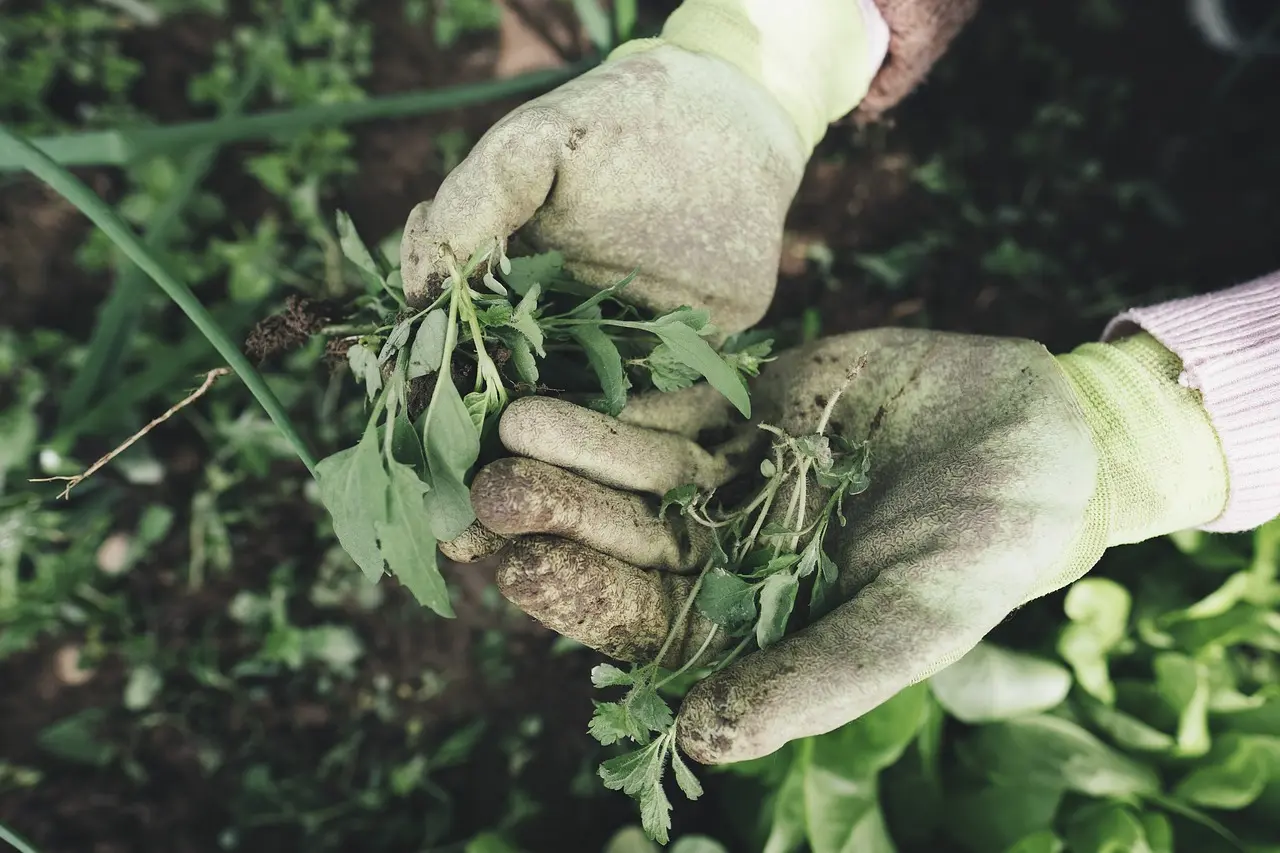
Not all plant problems are due to fertility. Symptoms can overlap with watering stress, cold soil, disease, pests, and root problems. A yellow leaf can mean a shortage, but it can also mean roots cannot function well enough to take up water and nutrients.
Drought and inconsistent watering
Drought often causes wilting, dull color, and scorched edges. Inconsistent watering can produce patchy yellowing that looks nutritional at first glance. Check soil moisture below the surface before you feed. If the root zone is dry, fix water first and wait for the plant to respond.
Cold soil and early-season slowdown
Cold soil slows root activity and can make phosphorus and iron look deficient even when they are present. This is a common issue in spring, especially with seedlings and transplanted vegetables. If the soil is cold and the plant is small, wait for warmer conditions before making a fertilizing decision.
Disease, pests, and root problems
Disease and pests often create spotted, distorted, or localized damage rather than a full canopy pattern. Root rot and other root problems can mimic deficiency because damaged roots cannot absorb nutrients well. If one plant is affected while nearby plants look normal, inspect stems, roots, and the undersides of leaves before feeding.
Can nutrient deficiency symptoms look like disease or pest damage? Yes. Leaf spots, leaf curl, and mottled yellowing can overlap with fungi, insects, or mites. That is why the safest move is to compare affected and unaffected plants, then confirm with a soil test instead of guessing.
Salinity or fertilizer burn
Salt injury and fertilizer burn can cause leaf scorch, tip burn, and general decline. Because the symptoms may resemble potassium shortage, check recent fertilizer use and container drainage. If fertilizer was applied recently, do not add more. Flush the root zone only when the plant and container setup make that appropriate.
A common first-timer mistake is to see yellowing on a pepper plant, add more fertilizer the same day, and make the roots work harder in already stressed soil. A better response is to pause, check moisture, note which leaves are changing, and test before applying another dose.
What to do today
If the diagnosis is unclear, take safe interim steps that do not risk more damage. Keep the plant evenly watered, but do not overwater. Check soil temperature in early season. Stop blanket fertilizer applications until you know whether the issue is nutrition, pH, or stress from roots, weather, or disease.
- Record where the symptoms start: old leaves, young leaves, edges, or whole plant.
- Check nearby plants of the same crop for the same pattern.
- Inspect soil moisture and drainage before feeding.
- Order a soil test if the cause is unclear.
- Use tissue analysis when symptoms are mixed or the crop matters enough to justify lab work.
For prevention, build soil with compost, rotate crops, and use balanced fertilization instead of guesswork. The big three nutrients are nitrogen, phosphorus, and potassium, but secondary nutrients such as magnesium and sulfur matter too. Healthy soil management lowers the chance of repeated false alarms.
Frequently asked questions
How do I tell if my plant has a nutrient deficiency?
Check where the symptoms start, which leaves change first, and whether the pattern is uniform or patchy. Nutrient problems often show chlorosis, necrosis, stunting, or dieback across several leaves. Then rule out watering stress, pests, disease, cold soil, and root issues before deciding on fertilizer.
What do yellow leaves mean on plants?
Yellow leaves can mean nitrogen deficiency, but they can also signal watering problems, poor drainage, disease, or natural aging. Older leaves turning yellow first often points toward a mobile nutrient shortage, while yellow young leaves with green veins points more toward iron. Soil test results make the difference clearer.
How can I tell the difference between nitrogen and iron deficiency?
Nitrogen deficiency usually begins on older leaves and looks like fairly uniform yellowing. Iron deficiency usually begins on young leaves and shows interveinal chlorosis, with green veins and pale tissue between them. Soil pH matters too, since iron is often unavailable in alkaline soils.
Should I do a soil test before fertilizing?
Yes. Soil testing is the first step because it checks nutrient availability and pH, both of which affect whether the plant can use what is already in the soil. A soil test lowers the risk of applying the wrong fertilizer or missing a pH problem that blocks uptake.
Why are older leaves yellowing first on my plants?
Older leaves yellowing first often suggests a mobile nutrient shortage, especially nitrogen, and sometimes potassium or magnesium. The plant moves mobile nutrients to newer growth, so the lower leaves show stress first. That pattern still needs confirmation because drought, root damage, and disease can look similar.
Why are my young leaves yellow but veins stay green?
That pattern often points to iron deficiency. Young leaves are affected first because iron is an immobile nutrient, and the veins stay green while tissue between them turns pale. Alkaline soil is a common cause, so check pH and confirm with testing before applying iron.
Can nutrient deficiency symptoms look like disease or pest damage?
Yes. Yellowing, scorch, spots, and stunting can overlap with fungal disease, insect feeding, mites, drought, and root problems. If symptoms are limited to one plant or one area, inspect for pests, lesions, root damage, and drainage problems first. Do not fertilize until the cause is clearer.