How to Add Nitrogen to Vegetable Gardens
Every thriving vegetable garden begins with healthy, nutrient-rich soil. Among the essential nutrients, nitrogen is the cornerstone for vigorous plant growth, lush foliage, and robust yields. Yet, many gardeners struggle with nitrogen deficiency, leading to pale leaves, stunted growth, and disappointing harvests. Understanding how to effectively add nitrogen to your vegetable garden can transform your soil, boost productivity, and unlock the full potential of your crops.
Whether you’re tending a small backyard plot or managing a large community garden, the science and practice of nitrogen supplementation are crucial. This guide demystifies the process, exploring organic and inorganic options, practical application methods, timing strategies, and troubleshooting tips.
Backed by research, real-world examples, and expert advice, you’ll gain actionable insights to nourish your vegetables and optimize your garden’s performance.
Key Takeaways
- Nitrogen is vital for vegetable growth, influencing leaf development and crop yield.
- Both organic and inorganic sources can be used to supplement nitrogen, each with unique benefits.
- Proper application timing and method are critical to avoid nutrient loss and maximize effectiveness.
- Regular soil testing and monitoring prevent over-fertilization and environmental harm.
- Real-world case studies and data-driven comparisons help gardeners make informed decisions.

Understanding Nitrogen’s Role In Vegetable Gardens
The Importance Of Nitrogen
Nitrogen is an essential macronutrient, forming the backbone of amino acids, proteins, and chlorophyll. It directly impacts vegetative growth, leaf color, and the overall health of vegetable plants. Without adequate nitrogen, plants exhibit chlorosis (yellowing of leaves), reduced photosynthesis, and weaker stems.
Nitrogen is also a fundamental part of nucleic acids, which are necessary for cell division and reproduction. For most vegetable crops, especially those with high leaf mass such as lettuce, spinach, and kale, ample nitrogen ensures rapid growth and dense foliage.
In addition, nitrogen supports the plant’s ability to synthesize enzymes and hormones vital for metabolic processes. Without sufficient nitrogen, not only is above-ground growth hindered, but root development can also suffer, leading to a less resilient plant system.
Nitrogen Deficiency Symptoms
Recognizing nitrogen deficiency early is vital. Common symptoms include:
- Pale green or yellow leaves (especially older leaves)
- Stunted growth
- Reduced yield
- Thin, weak stems
Vegetables such as lettuce, spinach, and tomatoes are particularly sensitive to nitrogen shortages.
Nitrogen deficiency often appears first in older leaves because the plant reallocates its limited nitrogen to support new growth. As a result, the lower leaves lose their vibrant green color and may even drop prematurely. In severe cases, entire plants can become dwarfed, flowering and fruiting are delayed, and yields are dramatically reduced.
Detecting these signs early enables gardeners to intervene before the problem becomes severe.
Nitrogen Cycle In The Soil
Nitrogen exists in multiple forms within soil, including organic matter, ammonium, and nitrate. Microorganisms convert organic nitrogen to plant-available forms through mineralization. Plants absorb nitrogen primarily as nitrate (NO₃⁻) and ammonium (NH₄⁺).
Leaching and volatilization can cause nitrogen loss, especially in sandy soils or after heavy rainfall. Understanding the soil nitrogen cycle enables gardeners to optimize fertilization and minimize waste.
The soil nitrogen cycle is dynamic and influenced by temperature, moisture, and microbial activity. Organic nitrogen, locked up in plant residues and humus, is gradually broken down by bacteria and fungi. During mineralization, ammonium is formed, which can then be further converted into nitrate by nitrifying bacteria—a process called nitrification.
Both forms are taken up by plants, but nitrate is more susceptible to leaching due to its mobility in water. Volatilization, where ammonium is lost to the atmosphere as ammonia gas, is more likely in alkaline soils or when fertilizers are left on the surface.
Understanding these processes allows gardeners to choose the right nitrogen sources and application methods for their garden’s specific conditions.
Soil Testing For Nitrogen
Before adding nitrogen, soil testing is recommended to gauge current levels and prevent over-application. Home test kits or laboratory analysis provide accurate measurements of nitrate and ammonium content. Soil testing should be performed at least once per season, ideally before planting and after harvest.
University extension services often offer affordable testing and expert guidance. For more information, visit University of Minnesota Extension.
Soil test reports typically provide a breakdown of available nutrients and recommendations for amendments. Testing your soil helps you fine-tune fertilization, prevents waste, and can save money by avoiding unnecessary applications. In addition to nitrogen, consider testing for phosphorus, potassium, pH, and organic matter content for a comprehensive understanding of your garden’s fertility status.
Organic Methods To Add Nitrogen
Compost And Manure
Compost and well-rotted manure are popular organic amendments. They enrich soil with slow-release nitrogen and improve structure.
- Compost: Homemade or commercial compost contains 1–2% nitrogen. Apply 2–4 inches as a top-dressing or mix into the soil.
- Manure: Chicken, cow, or horse manure offers 1–3% nitrogen. Always use aged manure to avoid burning plants.
Example: A community garden in Portland saw a 30% increase in tomato yield after incorporating composted chicken manure over two seasons.
Compost not only supplies nitrogen but also introduces beneficial microbes, enhances water retention, and improves soil structure. Well-aged manure is a time-tested amendment; chicken manure has a higher nitrogen content than cow or horse manure, but it must be thoroughly composted to prevent root burn and kill pathogens.
For gardeners interested in sustainable practices, using compost and manure recycles waste, reduces reliance on synthetic fertilizers, and fosters a living, healthy soil ecosystem.
Cover Crops (green Manure)
Cover crops like clover, vetch, and peas fix atmospheric nitrogen, enriching the soil naturally. These crops are grown during off-seasons and tilled under before planting vegetables.
- Legumes: Best nitrogen fixers. Plant in fall or early spring.
- Tillage: Mow and incorporate cover crops 2–4 weeks before planting vegetables.
According to USDA NRCS, cover crops can add up to 150 lbs/acre of nitrogen.
Beyond legumes, some non-legume cover crops like rye or oats provide organic matter and help prevent soil erosion, though they do not fix nitrogen. The decomposition of green manure releases nitrogen gradually, supporting the next crop. For example, crimson clover and hairy vetch are popular for their robust nitrogen-fixing ability and rapid biomass production.
In rotations, cover crops break pest cycles, suppress weeds, and enhance soil structure.
Organic Fertilizers
Organic fertilizers release nitrogen gradually, supporting long-term soil health.
- Blood meal: 12–15% nitrogen, fast-acting.
- Fish emulsion: 5% nitrogen, gentle on plants.
- Alfalfa meal: 2–3% nitrogen, stimulates microbial activity.
Apply according to package directions, typically 1–2 lbs per 100 square feet.
Other sources include cottonseed meal, feather meal, and soybean meal, each providing varying nutrient profiles and release rates. Blood meal is ideal for rapid correction of deficiencies but should be used with care due to its potency. Fish emulsion also contains micronutrients that support overall plant health.
Regular use of organic fertilizers builds soil fertility, promotes biodiversity, and can help gardens transition toward organic certification.
Mulching And Soil Microbes
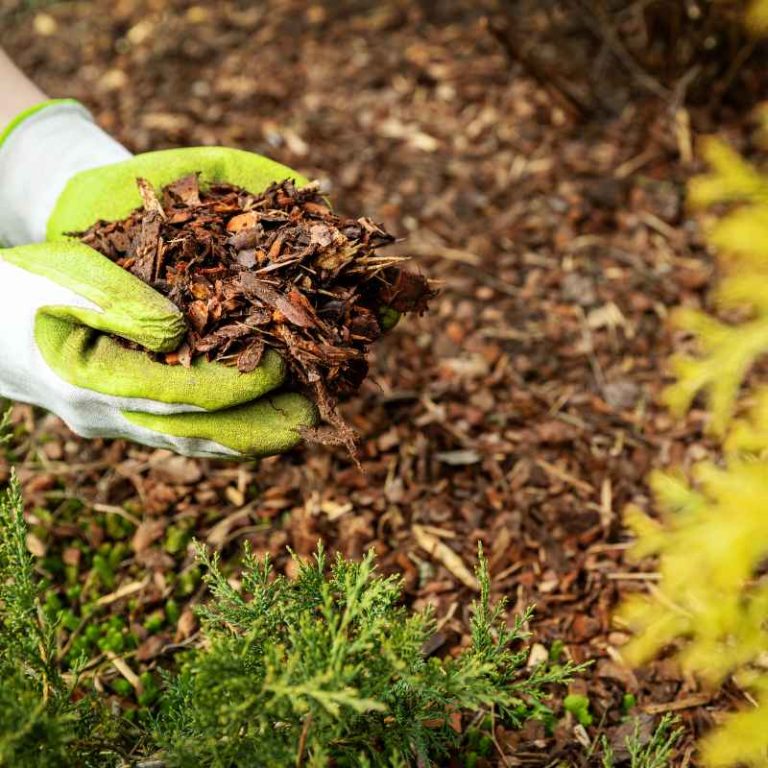
Organic mulches (straw, leaf litter) foster microbial activity, which aids nitrogen mineralization. Maintaining proper soil moisture and temperature accelerates decomposition and nitrogen availability.
Real-world example: An urban farm in Chicago reported improved spinach growth after mulching with shredded leaves, attributing success to enhanced soil microbial populations.
Mulching moderates soil temperature extremes, reduces evaporation, and suppresses weeds. As mulches break down, they provide a steady trickle of nitrogen and carbon, feeding earthworms and beneficial soil microbes. For best results, use a mix of green (nitrogen-rich) and brown (carbon-rich) materials.
Avoid piling mulch against plant stems to prevent rot.

Inorganic (synthetic) Nitrogen Sources
Common Synthetic Fertilizers
Synthetic fertilizers provide concentrated, readily available nitrogen.
- Urea (46-0-0): Highest nitrogen content, rapidly dissolves.
- Ammonium nitrate (34-0-0): Quick release, suitable for cool climates.
- Ammonium sulfate (21-0-0): Adds sulfur, lowers soil pH.
Application tips:
- Broadcast evenly or side-dress along rows.
- Water immediately to prevent volatilization.
Synthetic fertilizers are uniform and predictable, making them suitable for large plots or areas with acute deficiencies. However, they lack the organic matter and micronutrients that organic amendments provide. To maximize efficiency, incorporate these fertilizers into the soil or apply before rainfall or irrigation.
For gardens with acidic soils, ammonium sulfate can be beneficial, while in alkaline soils, avoid surface application to reduce ammonia loss.
Liquid Fertilizers
Liquid nitrogen fertilizers, such as fertilizer solutions and foliar sprays, deliver nutrients directly to plant leaves.
- Foliar feeding: Useful for quick correction of deficiencies.
- Dilution: Mix at recommended rates to avoid leaf burn.
Liquid fertilizers are especially effective for container gardens or during periods of rapid plant growth. Foliar sprays bypass the soil, delivering nitrogen directly where it’s needed, though effects are short-lived. Use as a supplement, not a replacement, for soil-based nutrition.
For best results, apply in the early morning or evening to reduce evaporation and leaf burn risk.
Slow-release Products
Slow-release synthetic fertilizers (coated urea, polymer blends) minimize leaching and provide steady nutrition over weeks or months.
- Granular formulations: Apply once per season.
- Reduced labor: Less frequent application needed.
These products release nutrients in response to soil temperature and moisture, matching plant uptake and reducing the risk of nutrient loss. They are ideal for busy gardeners or areas with leaching-prone soils. Be aware that slow-release granules may be more expensive upfront but can save money and effort over the season.
Comparison Table: Organic Vs. Inorganic Nitrogen Sources
| Source | Nitrogen Content (%) | Release Speed | Soil Health Impact | Cost |
|---|---|---|---|---|
| Compost | 1–2 | Slow | Improves | Low |
| Manure | 1–3 | Medium | Improves | Low |
| Blood Meal | 12–15 | Fast | Neutral | Medium |
| Urea | 46 | Fast | Neutral | Low |
| Ammonium Nitrate | 34 | Fast | Neutral | Medium |
| Slow-Release Synthetic | 20–40 | Slow | Neutral | High |
Organic sources enhance soil life and texture, while synthetics offer precise, rapid nutrition. The best approach often combines both, tailored to your garden’s needs.

How And When To Apply Nitrogen Fertilizers
Timing For Maximum Benefit
Applying nitrogen at the right time maximizes plant uptake and minimizes waste.
- Pre-planting: Incorporate nitrogen sources before sowing seeds.
- Side-dressing: Apply alongside growing plants, especially leafy vegetables.
- Split applications: Divide total nitrogen into 2–3 doses throughout the season.
Example: A California lettuce farm improved yield consistency by split-applying urea at planting and mid-season.
Early application ensures seedlings have access to nutrients during rapid growth, while side-dressing supports heavy feeders like cabbage or corn during their most demanding periods. Split applications reduce loss from leaching and synchronize nutrient availability with plant demand. For perennials or long-season crops, top-dressing in late spring or after the first harvest maintains steady growth.
Application Methods
Different methods suit varying garden sizes and crops:
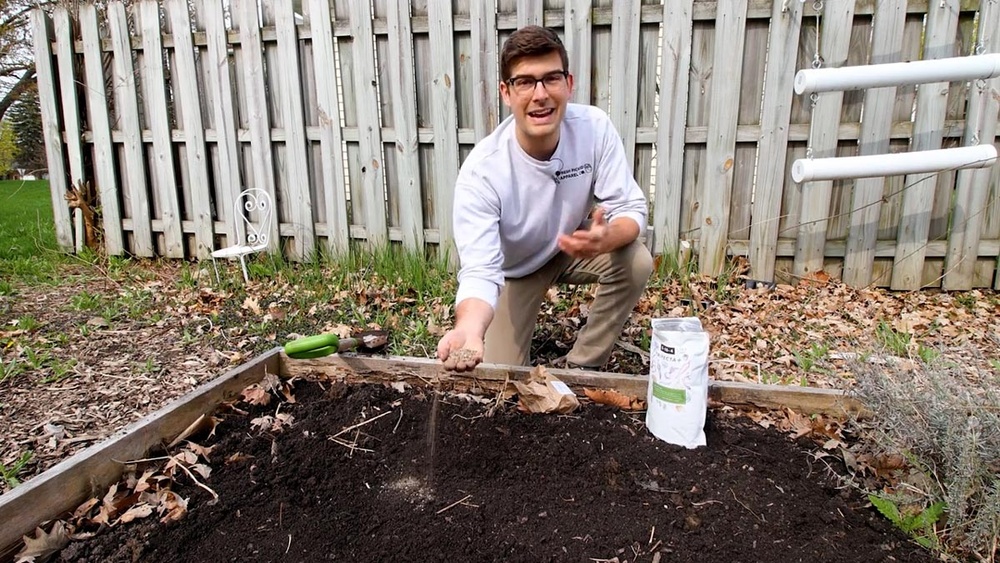
- Broadcasting: Spread fertilizer evenly across the bed.
- Banding: Place fertilizer in a narrow strip beside seeds.
- Side-dressing: Apply alongside rows during growth.
- Foliar spraying: Spray diluted fertilizer directly onto leaves.
Water thoroughly after application to prevent nitrogen loss and promote absorption.
Broadcasting is efficient for large beds or lawns, while banding and side-dressing target root zones, improving efficiency and reducing weed growth. Foliar feeding is best for quick corrections but should be combined with root feeding for lasting results. Always avoid getting fertilizer on foliage unless using a product labeled for foliar use.
Avoiding Over-application
Excess nitrogen can harm plants and contaminate groundwater. Always follow soil test recommendations and product labels.
- Monitor growth: Excessive leafy growth with poor fruiting signals too much nitrogen.
- Environmental risk: Runoff may cause algal blooms in nearby water bodies.
For guidelines on safe fertilizer use, refer to EPA Nutrient Pollution.
Over-fertilization can also lead to increased pest and disease susceptibility, as lush, tender growth attracts insects and pathogens. For root vegetables, too much nitrogen may result in large tops but small, poor-quality roots. Regular monitoring and restraint are key.
Case Study: Nitrogen Loss Prevention
A vegetable farm in Iowa reduced nitrogen runoff by installing buffer strips and switching to slow-release products. The result: 40% less fertilizer needed, improved yields, and a healthier local stream.
Buffer strips—areas of grass or perennial plants between the garden and waterways—trap nutrients and prevent them from entering streams. Combining such practices with precision fertilization reduces both costs and environmental impact.
Monitoring And Maintaining Optimal Nitrogen Levels
Regular Soil Testing
Monitor soil nitrogen levels using laboratory analysis or DIY kits. Test before planting and mid-season to detect deficiencies or excesses.
- Frequency: At least twice per year.
- Adjustment: Modify fertilizer rates based on test results.
Regular testing provides the data needed for fine-tuning your fertilization plan. If nitrogen levels are higher than expected, you can reduce or skip applications, saving money and reducing environmental impact. Long-term tracking helps you understand how your soil responds to different amendments and crop rotations.
Visual Inspection And Plant Health
Observe plant growth for signs of deficiency or surplus:
- Yellowing leaves: Indicates low nitrogen.
- Dark green, lush foliage: Signals adequate nitrogen.
- Weak stems and poor fruiting: May suggest imbalance.
In addition to visual cues, keep records of plant performance, yields, and any issues observed. Over time, these records help you spot trends and improve your management strategies. Pay special attention to fast-growing crops and heavy feeders, as they are often early indicators of nutrient imbalances.
Integrated Nutrient Management
Combine organic and inorganic sources for balanced nutrition. Rotate crops, use cover crops, and maintain soil organic matter.
Example: A school garden in Texas adopted integrated management, combining compost, manure, and slow-release urea. Vegetable yields increased by 25%, and soil organic matter improved.
Integrated management leverages the strengths of different nitrogen sources, supporting both immediate crop needs and long-term soil fertility. Crop rotation breaks pest cycles and prevents nutrient depletion. For example, following nitrogen-hungry crops like corn with legumes or green manure helps maintain balance.
Table: Nitrogen Needs By Vegetable Type
| Vegetable | Recommended N (lbs/100 sq ft) | Preferred Source | Application Timing |
|---|---|---|---|
| Lettuce | 1.5–2 | Compost, urea | Pre-plant, mid-season |
| Tomato | 1–1.5 | Blood meal, manure | Pre-plant, after flowering |
| Carrot | 1–1.2 | Compost | Pre-plant |
| Spinach | 1.5–2 | Fish emulsion, urea | Pre-plant, mid-season |
| Potato | 1–1.3 | Manure, ammonium sulfate | Pre-plant, early growth |
Matching fertilizer rates and timing to each crop ensures optimal growth and minimizes waste.
Environmental Considerations And Best Practices
Preventing Nitrogen Leaching
Leaching occurs when excess nitrogen moves below root zones, contaminating groundwater. To minimize risk:
- Use slow-release fertilizers
- Apply nitrogen in split doses
- Avoid fertilizing before heavy rain
Mulching, cover cropping, and maintaining organic matter also reduce leaching. In sandy soils, where leaching risk is highest, smaller, more frequent applications are preferable to large, infrequent doses.
Protecting Local Ecosystems
Nitrogen runoff can lead to algal blooms and degraded water quality. Buffer strips, cover crops, and proper timing help protect nearby streams and lakes.
Case study: A vegetable garden near Lake Erie adopted buffer plantings and organic amendments, resulting in improved water clarity and healthier fish populations.
Community gardens and urban farms have a responsibility to prevent nutrient pollution. Simple steps like planting grass along garden edges, avoiding fertilization before storms, and using rain barrels to capture runoff make a significant difference.
Organic Certification And Sustainability
Organic gardens must adhere to strict guidelines for nitrogen sources. Only approved organic fertilizers and amendments are permitted.
For certification details, consult USDA Organic.
Certified organic gardeners must document all inputs and practices, ensuring transparency and traceability. Using cover crops, compost, and animal manures not only complies with organic standards but also supports biodiversity, soil health, and long-term sustainability.
Climate Adaptation
Climate affects nitrogen dynamics:
- High rainfall: Increases leaching risk.
- Hot climates: Accelerates decomposition.
- Cold climates: Slows microbial activity.
Adjust fertilizer types and timing according to your local climate zone. For climate-specific gardening tips, visit National Gardening Association.
For example, in hot climates, split applications and mulching help retain nitrogen, while in cooler areas, slow-release sources and early-season applications ensure nutrients are available when plants need them.
Real-world Examples And Case Studies
Urban Community Garden
A community garden in New York City combined cover crops (crimson clover) with composted food waste to boost nitrogen. Over two years, soil tests showed a doubling of available nitrogen and a 40% increase in leafy vegetable yields.
This approach reduced waste sent to landfill, engaged community members in composting, and provided a steady supply of nutrients to the garden. The use of cover crops improved soil structure and helped retain nutrients during the off-season.
Organic Farm In Vermont
An organic farm used only manure and legume cover crops for nitrogen supplementation. Despite low synthetic input, the farm achieved consistent carrot and potato harvests, with soil organic matter rising from 3% to 4.5% over five years.
Their approach emphasized soil health, biodiversity, and minimal external inputs. Over time, improved soil structure and fertility allowed the farm to weather droughts and reduce pest pressures, demonstrating the resilience of organic systems.
Backyard Gardener Success
A backyard gardener in Oregon struggled with poor tomato growth. After soil testing revealed low nitrogen, the gardener added blood meal at planting and side-dressed with fish emulsion mid-season. The result: deep green foliage, strong fruit set, and a record harvest.
The experience underlines the importance of testing, targeted amendments, and observing plant responses. Small, affordable adjustments can yield significant improvements in home garden productivity.
Troubleshooting Common Nitrogen Issues
Over-fertilization
Excess nitrogen causes:
- Leaf burn
- Excessive foliage, poor fruiting
- Environmental harm
Remedies include leaching with water, avoiding further nitrogen applications, and improving drainage.
For root crops, too much nitrogen can lead to forked or hairy roots. For fruiting vegetables, expect lush leaves but fewer fruits or flowers. Always apply the minimum needed, and avoid repeated applications without soil testing.
Persistent Deficiency
If deficiency persists after fertilization:
- Check soil pH (should be 6–7)
- Ensure proper watering
- Inspect for pests or diseases
Soil pH outside the 6–7 range can lock up nitrogen, making it unavailable to plants. Compacted soil or poor drainage can also inhibit root uptake. Addressing these underlying issues is key to resolving chronic deficiencies.
Imbalanced Npk Ratios
Nitrogen must be balanced with phosphorus (P) and potassium (K). Use complete fertilizers or supplement as needed.
For detailed guidance, see NPK Fertilizer (Wikipedia).
Imbalances can cause weak stems, poor flowering, and vulnerability to disease. Complete or balanced fertilizers ensure all essential nutrients are available.
Table: Signs And Solutions For Nitrogen Problems
| Problem | Symptoms | Solution |
|---|---|---|
| Deficiency | Yellow leaves, stunted growth | Add organic/synthetic nitrogen, check soil pH |
| Excess | Leaf burn, poor fruiting | Leach soil, reduce fertilizer |
| Leaching | Poor plant response, nitrogen loss | Use slow-release, buffer strips |
| Imbalance | Weak stems, poor yield | Balance NPK ratios |
Frequently Asked Questions
How Do I Know If My Vegetable Garden Needs More Nitrogen?
Look for yellowing leaves, especially on older growth, stunted plants, and poor yield. For confirmation, use soil testing kits or laboratory analysis. Consistent symptoms across plants strongly indicate a nitrogen deficiency.
What Is The Best Organic Nitrogen Source For Vegetables?
Compost and manure are excellent for long-term soil health, while blood meal and fish emulsion provide rapid nitrogen boosts. The best choice depends on your garden size, crop type, and organic certification requirements.
Can I Use Synthetic Fertilizers In An Organic Garden?
No. Organic gardens must use approved organic fertilizers only. Synthetic nitrogen sources are prohibited under USDA organic standards. For more information, see USDA Organic.
How Often Should I Apply Nitrogen To My Vegetable Garden?
Apply before planting and side-dress during growth for heavy feeders. Frequency depends on crop needs, soil testing, and fertilizer type. Slow-release products require fewer applications, while liquid and fast-acting sources may need more frequent use.
Is It Possible To Add Too Much Nitrogen, And What Happens If I Do?
Yes. Excess nitrogen leads to leaf burn, lush foliage with poor fruiting, and environmental risks like runoff and water pollution. Always follow soil test recommendations and avoid over-fertilization.
Resources And Further Reading
- University of Minnesota Extension: Soil Testing
- USDA NRCS: Cover Crops
- EPA Nutrient Pollution
- USDA Organic
- National Gardening Association: Climate Adaptation
- NPK Fertilizer (Wikipedia)
Adding nitrogen to vegetable gardens is both an art and a science. By understanding your soil, choosing the right sources, and applying them thoughtfully, you can cultivate thriving vegetables, support soil health, and protect the environment. The rewards of mindful nitrogen management are seen in every harvest—a testament to the care and expertise invested in your garden.
With ongoing observation, testing, and adaptation, your vegetable garden can flourish season after season, producing healthy crops and building a resilient soil ecosystem for years to come.