Best soil pH for common vegetables: quick crop guide
For most vegetables, aim for a slightly acidic soil pH, roughly around 6 to 7; some crops prefer somewhat higher or lower pH, so if one bed needs to suit many crops, choose a middle-ground setting. Drift outside that band, and nutrients become harder for roots to take up, disease pressure can rise, and growth can slow. This guide groups common vegetables by pH need and shows what to adjust first when a shared bed has to carry several crops.
This guide is part of our Vegetable gardening guide series.
What soil pH means for vegetable gardens


Soil pH tells you how acidic or alkaline a soil is on a scale from 0 to 14. Below 7 is acidic, above 7 is alkaline, and 7 is neutral. Around 6.5 is a steady target for many garden plants because it keeps nutrients available without pushing the soil far either way.
That middle zone helps, but it is not magic. Some crops handle a wide range, while others lose quality at the edges. The job is not finding one perfect number for every bed. The job is matching each bed to the crop group that will stay there longest.
Which vegetables like acidic, neutral, or wider pH ranges
Potatoes are the clearest acid-leaning crop here, with a preferred pH of 4.8 to 6.5. Carrots, tomatoes, and cucumbers also handle lower pH well enough for mixed beds, but they are more flexible than potatoes. Broccoli and lettuce sit closer to neutral and usually do best when soil does not drift too far acidic.
Wider-range crops give you room to plan. Tomatoes, garlic, and spinach each prefer a fairly broad pH range, generally from slightly acidic to near neutral or slightly alkaline, depending on the crop. Those crops fit together more easily than crops with narrow windows, which matters when one bed has to do several jobs.
| Crop group | Examples | Typical pH band | Bed-planning note |
|---|---|---|---|
| Acid-tolerant | Potato, carrot | 4.8 to 7.0 | Good where soil is already mildly acidic or where scab control matters. |
| Neutral-preferred | Broccoli, lettuce | 6.0 to 7.0 | Best in beds that stay near the middle and do not drift far either way. |
| Wider-range | Tomato, cucumber, spinach, garlic | 5.5 to 8.0 | Useful as “bridge crops” in mixed beds because they tolerate more variation. |
According to Soil pH Levels for Plants: The Best pH for Vegetables, Flowers, and … — Soil pH measures acidity or alkalinity on a scale of 0 to 14.
Which vegetables like acidic soil?
Potatoes are the most pH-sensitive acidic-side crop in common home gardens, and carrots and tomatoes also handle lower pH well. These vegetables do not need deeply acidic soil, but they often handle a reading below neutral better than brassicas and leafy greens that want more balance.
For beds that test on the low side, potato is often the first crop to protect, not the first crop to move. If the soil is too acidic, brassicas may struggle, while potatoes may still perform reasonably well. That is why crop priority matters more than chasing a single number.
Potatoes and the scab threshold
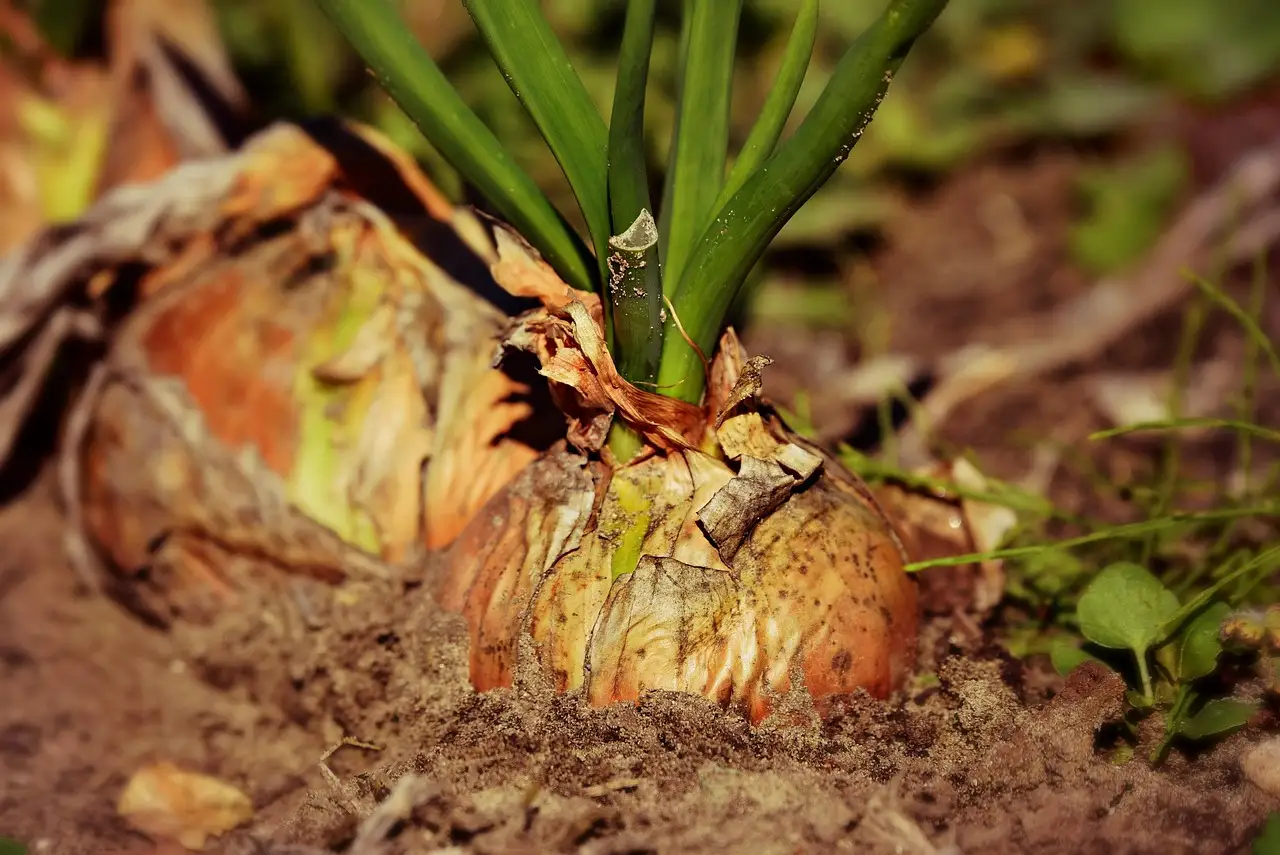
Potato prefers a pH of 4.8 to 6.5. When soil drifts too high, common scab becomes more likely, and tuber quality can slide even if the vines look healthy. In practice, potato beds are one of the few places where keeping pH modestly acidic is often worth a separate plan.
Carrots as a flexible acid-leaning crop
Carrot prefers a pH of 5.5 to 7.0. That is a broad window, which makes carrots useful in mixed beds. They do not usually need a special pH fix first, but very high alkalinity can still affect stand quality and root shape through nutrient imbalance and poor root development.
Which vegetables prefer alkaline soil?
Few common vegetables truly prefer strongly alkaline soil, but some handle it better than others. Garlic is the clearest wide-range crop on the alkaline side, and spinach can handle slightly higher pH than many leafy crops. Most garden vegetables still do better near neutral than in strongly alkaline soil.
If a test comes back above neutral, the crop list matters. A bed with garlic or spinach may need little change. A bed meant for broccoli or lettuce may need pH brought down only if the soil is pushing too far above the comfortable range.
Broccoli and lettuce near neutral
Broccoli prefers a pH of 6.0 to 7.0, and lettuce prefers a pH of 6.0 to 7.0. That makes both crops good signals for a bed that should stay near neutral. If the soil slides too low or too high, those plants often show it in weak growth before other crops do.
Garlic and spinach as tolerant crops
Garlic prefers a pH of 5.5 to 8.0, and spinach prefers a pH of 6.0 to 7.5. Those ranges let them fit into mixed plantings where the bed is not perfect. They still grow best when other conditions are good, but they can absorb some pH drift better than more demanding crops.
Is 6.5 pH good for a vegetable garden?
Yes. A pH of around 6.5 works well for many garden plants, including many vegetables. It is often the best middle ground when one bed must support several crops with different needs. At 6.5, nutrients are usually available without pushing the soil into extremes.
The catch is that some vegetables still need a tighter target. Potatoes prefer lower pH than the rest, while brassicas such as broccoli do best when the soil stays near the upper half of the garden range. If your plan mixes those crops, splitting beds may beat forcing one number.
When to split beds instead of chasing one number
Split beds when a single soil reading would create a compromise that hurts the crop you care about most. A potato bed and a broccoli bed should not be managed the same way if the soil test shows a strong bias one direction. One pH number is efficient. It is not always smart.
Bed-planning pH matrix for common vegetables
This matrix groups vegetables by pH band so a gardener can plan beds, not just read a chart. Acid-tolerant crops can share one area, neutral-preferred crops can share another, and wider-range crops can bridge the gaps when space is tight.
| Band | Common vegetables | Typical pH range | When this band matters most |
|---|---|---|---|
| Acid-tolerant | Potato, carrot | 4.8 to 7.0 | Use when the soil is naturally lower or when potato scab risk matters. |
| Neutral-preferred | Broccoli, lettuce | 6.0 to 7.0 | Use when you want a stable middle pH and consistent leafy growth. |
| Wider-range | Tomato, cucumber, spinach, garlic | 5.5 to 8.0 | Use to absorb pH drift in mixed beds or rotate around tighter crops. |
For one bed with mixed crops, group by the crop that is least flexible. If the bed will host broccoli and potatoes together, do not split the difference blindly. Decide which crop matters most, then set the bed closer to that crop’s safe zone and move the other crop elsewhere if possible.
- Identify the least flexible crop in the bed.
- Check whether the current pH already fits that crop.
- If not, decide whether to amend the whole bed or separate crops into different beds.
- Use wider-range crops, such as tomato or garlic, as fill-ins when the bed sits between targets.
- Retest before planting the next cycle.
How do you test garden soil pH?
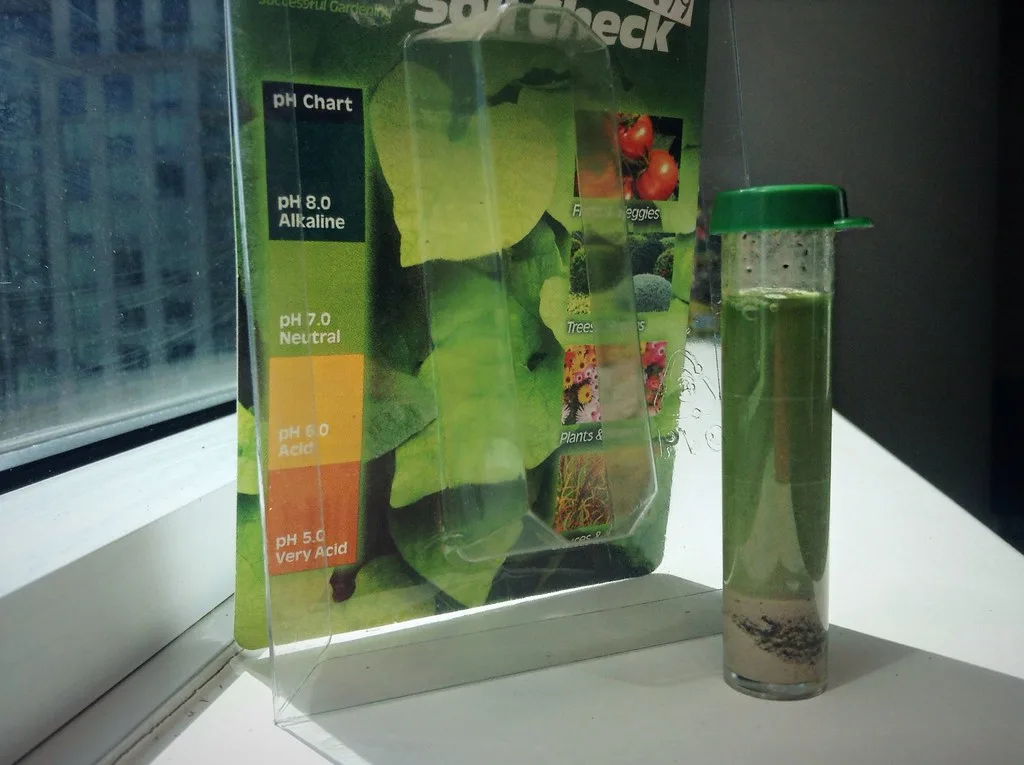
Start with a home test kit if you need a quick read, but use a Cooperative Extension lab when you need a reliable result that can guide real amendments. Test different parts of the garden, not just one scoop from the middle, because beds often vary across short distances.
Lab results can also include nutrient levels, which matters when symptoms are not caused by pH alone. A plant with chlorosis may be short on iron, magnesium, or another nutrient. The lab report helps separate pH problems from fertility problems before any lime or sulfur goes down.
How to read uneven garden results
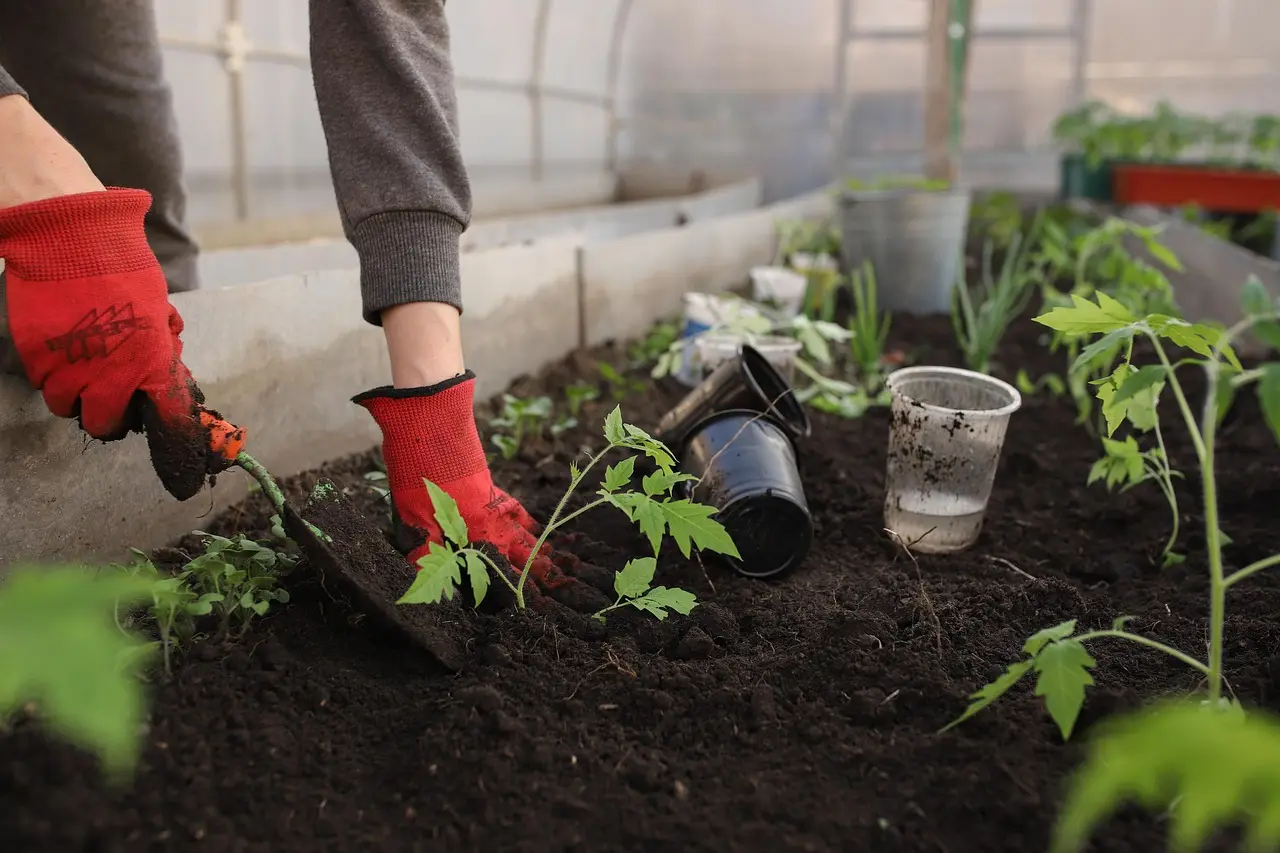
If one end of a bed tests higher or lower than the other, treat it as a placement clue. Use the lower-pH side for acid-tolerant crops and the higher-pH side for crops that dislike acidity. Small differences matter more in raised beds, where root zones are compact and amendments move through the mix faster.
How do I raise soil pH for vegetables?
Agricultural lime is commonly used to raise soil pH, and it makes sense when the soil is too acidic for the crop you want to grow. The correct amount depends on starting pH and soil type, so follow soil-test recommendations rather than guessing from a bag label.
Sandy, loamy, and clay-based soils do not respond the same way. Sandy soil changes faster and often needs smaller, more cautious corrections. Clay soil holds change more strongly and may need more amendment, plus more time, before the pH settles where you want it.
When lime is the right first move
Use lime when the soil test says pH is below the target for brassicas, lettuce, or other pH-sensitive crops. Do not use it just because the garden “looks tired.” Many plant problems come from nutrients, moisture, or roots, not only from acidity.
How do I lower soil pH for vegetables?
Elemental sulfur is commonly used to lower soil pH, and it is the usual fix when the soil is too alkaline for the crop mix. The amount depends on soil type and starting pH, so the soil-test recommendation should lead the decision, not the other way around.
Sandy, loamy, and clay-based soils also respond at different speeds here. Sandy soil can change sooner, while clay-based soil often moves more slowly. That is why gradual change and retesting are safer than trying to force one big correction in a single pass.
Why sulfur should move in small steps
Too much sulfur can push a bed past the target and create a new problem. That matters most in containers and raised beds, where volume is limited and pH can drift faster than in in-ground soil. Adjust, wait, retest, then adjust again if needed.
What should you fix first in a mixed vegetable bed?
Fix pH first when the soil test shows a clear mismatch with the crop group and the symptoms fit pH stress, such as iron chlorosis, weak brassica growth, or poor potato skin quality. Fix nutrients first when the pH is already in range but the lab report points to a specific deficiency.
In raised beds and containers, pH drift can happen faster and amendment response can be sharper than in in-ground soil. That makes regular testing more important, not less. Compost still helps overall soil health, but it does not guarantee pH correction, so it should support testing and amendment, not replace them.
Decision checklist for low or high pH
- Confirm the pH with a test, ideally at several spots.
- Check the crop list and identify the least flexible vegetable.
- Read the nutrient section of the lab report before changing anything.
- If the bed is too acidic, use agricultural lime per soil-test guidance.
- If the bed is too alkaline, use elemental sulfur per soil-test guidance.
- Account for soil texture before deciding how fast the change should happen.
- Retest after the amendment has had time to work.
Frequently asked questions
What is the best soil pH for vegetables?
For many vegetables, the best working range is close to neutral, with around 6.5 often giving a good balance of nutrient availability and crop flexibility. That is not a fixed rule for every crop. Potatoes want lower pH, while broccoli and lettuce prefer a narrower band near neutral.
Which vegetables like acidic soil?
Potatoes are the main common vegetable that benefits from a more acidic bed, with carrots and tomatoes also handling lower pH well. Potatoes are the crop most likely to suffer if the soil is too high, because scab pressure rises and quality can drop at the upper edge of their range.
Which vegetables prefer alkaline soil?
Very few common vegetables prefer strongly alkaline soil, but some tolerate it better than others. Garlic and spinach are more forgiving on the higher side than potatoes or brassicas. Even then, most vegetable gardens still do best near the middle of the pH scale rather than far above neutral.
Is 6.5 pH good for a vegetable garden?
Yes. A pH of 6.5 is a strong target for many home vegetable beds because it suits a wide group of crops. It is especially useful when a bed holds mixed plantings. The main exceptions are potatoes, which usually need a lower target, and some brassicas that like slightly more room above neutral.
How do I test my garden soil pH?
Use a home test kit for a quick check, or send samples to a Cooperative Extension lab when you need more dependable guidance. Test more than one spot in the garden, especially in raised beds or older plots where pH can vary. Lab reports often include nutrient levels too.
How do I raise soil pH for vegetables?
Use agricultural lime when a soil test shows the bed is too acidic for the crop you want to grow. The amount depends on starting pH and soil type, so follow the soil-test recommendation. Sandy soil usually changes faster than clay-based soil, so apply cautiously and retest.
How do I lower soil pH for vegetables?
Use elemental sulfur when the soil is too alkaline for the vegetables you plan to grow. Like lime, the correct rate depends on soil type and starting pH. Make the change gradually, especially in containers and raised beds, then retest before adding more amendment.
What soil pH do tomatoes prefer?
Tomato prefers a pH of 5.5 to 7.5, which makes it one of the more flexible common crops. That range helps tomatoes fit into mixed beds, but they still grow best when the bed does not drift too far toward either extreme. Soil tests and nutrient checks still matter.
What soil pH do potatoes prefer?
Potato prefers a pH of 4.8 to 6.5. That lower range helps reduce scab pressure and supports better tuber quality. If your soil tests above that band, potatoes are often the crop most worth separating into their own bed or adjusting first.
What pH is best for leafy greens?
Leafy greens usually do best near neutral, and lettuce is a good benchmark because it prefers a pH of 6.0 to 7.0. Spinach is a bit more forgiving and can handle a wider span. For mixed greens beds, a reading near 6.5 is often the practical target.