How to Grow Carrots in Loose Soil
Yes—carrots can grow well in loose soil if the bed is at least 8 to 12 inches deep and you choose a short or medium-root variety; very shallow, rocky ground calls for round or stump-root types. Poor fit leads to forked, cracked, or stunted roots, plus waste at harvest. This guide covers variety choice, soil depth, spacing, and simple fixes for straighter carrots.
Why loose soil can fail carrots



Loose soil can work very well for carrots when it is deep, stone-free, and moist enough to support steady root fill. Friable soil lets the taproot push straight down instead of hitting hard clods or rocks. The catch is that very loose ground can dry fast, so texture alone is not enough.
Why friable texture matters
Carrots need soil that breaks apart easily around the root. If the bed is loose to a depth that matches the variety, the root can lengthen with fewer forks and fewer bumps. Fine tilth also helps tiny seed contact damp soil.
Loose soil helps most when it is loose and even, not dusty and unstable. A bed that is soft on top but packed below acts like a shelf, and roots often split, bend, or stay short. Loose soil is an advantage only when depth, moisture, and stones are under control.
When loose soil works against you
Very sandy or very open soil can drain too quickly for carrots to size up smoothly. In that case, tops may race ahead while roots stay thin, then split if a dry spell ends with a heavy watering. The goal is loose soil with enough moisture-holding ability to stay evenly damp.
Picture a 6-inch-deep patch with fine sand and no stones. A long carrot variety will likely hit the bottom and twist. A short variety can still produce a clean root there, while a container or raised bed gives you more control over depth and watering.
What soil conditions do carrots need?
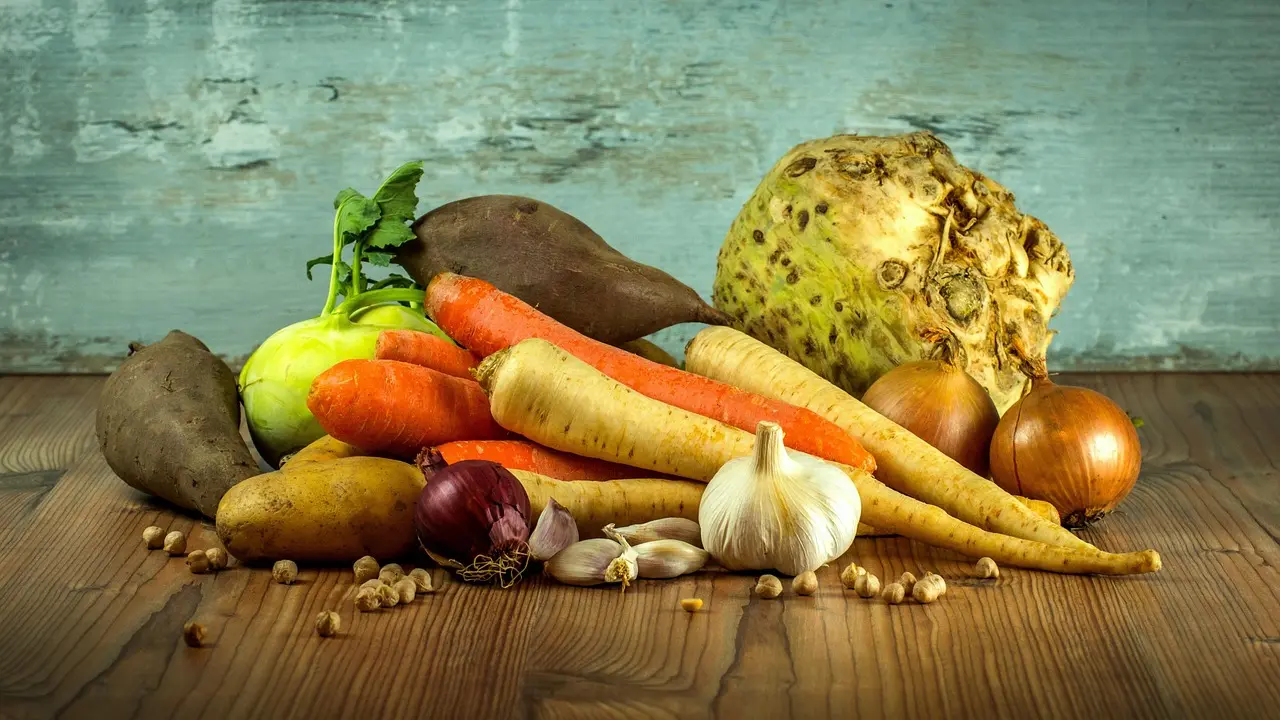
Carrots do best in loose, well worked soil that is free of rocks and clods, with a pH from 6.0 to 6.8. The bed should be loosened deeply enough for the root type you want, and it should drain freely without drying out between waterings. Sandy loam and fine tilth are both easier to manage than heavy, compacted ground.
Depth, stones, and clods
Depth matters more than width for straight roots. A guide that favors loose, soft soil recommends working the top 20 to 30 cm before planting. If the bed is shallower than the mature root length, switch to shorter carrots or a container setup instead of hoping a long type will adapt.
Stones and hard clods are a common cause of forked roots. Even a few lumps can split the growing tip or bend it sideways. Remove debris before sowing, and break the bed down to a fine, even texture rather than leaving chunky pockets.
Best pH and moisture range
Target soil pH is 6.0 to 6.8. That range suits carrots without pushing the bed toward extremes that can limit nutrient uptake. Keep the soil evenly moist, not soggy, because moisture swings can crack roots after a dry spell and then a sudden soak.
Loose soil is easier to overwater than many gardeners expect. If water drains instantly, seedlings may dry between waterings. If the bed stays saturated, roots can stay small and the soil can pack down after rain or irrigation. Aim for steady dampness rather than alternating dust and mud.
Loose soil carrot fit checklist
| Path | Soil depth target | Stone or clod threshold | Moisture risk | Recommended root length | Spacing target | Likely failure mode |
|---|---|---|---|---|---|---|
| Grow standard carrots in place | At least 8 to 12 inches, deeper is better for long roots | Very low; soil should be nearly stone-free and finely broken up | Moderate; loose soil may dry quickly | Long roots | About 1 inch to 3 inches apart after thinning | Forking or bending if the bed is shallow or uneven |
| Grow short carrots in place | About 6 to 8 inches of workable depth | Low to moderate; small clods still cause misshapen roots | Moderate to high if the soil is very open | Short or rounded roots | About 1 inch to 2 inches apart after thinning | Stunted roots if the bed dries too fast |
| Switch to containers or raised beds | Use a container at least 18 inches deep for standard carrots; 10 to 12 inches for short or rounded roots | Near zero; use fresh mix with no stones or hard lumps | High if the mix is too free-draining | Short, round, or container-suited roots | Follow variety spacing; a 12-inch-square container can hold about 16 carrot plants | Cracking or poor fill from rapid moisture swings |
How should you sow carrot seed?
Carrot seed should be direct sown, not transplanted. Sow it shallowly, about 1/4 inch to 1/2 inch deep, because the seed is tiny and weak sprouts struggle to reach the surface from deeper planting. Keep the top layer evenly damp while germination gets underway.
Prepare a fine seedbed. Rake the surface smooth and remove stones, sticks, and clods. Carrot seed needs good soil contact, and a fine surface helps the tiny seed settle at a uniform depth.
Sow shallowly. Place seed about 1/4 inch to 1/2 inch deep, then cover with fine soil or potting mix. A common guide for containers uses 5 mm of covering, which keeps the seed moist without burying it too deeply.
Water gently. Mist or use a fine spray so the seed does not wash to one side. The surface should stay evenly damp until germination, which commonly takes about 1 to 3 weeks and can sometimes take up to 3 weeks.
Sow in the spring window. Plant 2 to 4 weeks before your last spring frost, then repeat in succession through early summer if your season allows. Sow new rows every 2 to 8 weeks, depending on source and climate, to extend the harvest window.
Suppose a gardener sows a standard carrot mix 1 inch deep in loose soil because the bed feels airy. The seed may still sprout, but emergence slows and the row comes up unevenly. A shallow 1/2 inch sowing gives the tiny seed a better path to the surface.
Which carrot types fit your space?
Variety choice should match depth, stone content, and how stable the bed stays after watering. Standard long carrots suit deep, clean soil. Short or round carrots fit shallow beds and containers. Container-suited types give you more flexibility when native soil is poor or rocky.
Standard long carrots
Choose standard long carrots when the bed has enough depth and very few stones. They need the most room to size up evenly, and they reward careful bed prep with clean, straight roots. Rows are often spaced about 12 inches apart for access and airflow.
Short and round carrots
Short carrots are the safer call for shallow soil, raised beds with modest depth, and loose ground that dries fast. Round or stump-root types tolerate limited depth better and still give a useful harvest. They are also a good fit when you want snack-sized roots rather than long storage carrots.
Container-suited varieties
Container carrots work best when depth is the main limit. Standard sizes need pots at least 18 inches deep, while short or rounded roots can grow in containers 10 to 12 inches deep. Carrots can be grown in pots at least 20 to 30 cm deep.
Mixing compost with about 1/4 part sand or horticultural grit is one way to keep a container blend open while still holding moisture. The goal is a light but not empty mix, because containers dry faster than in-ground beds.
How do you thin and water carrots?
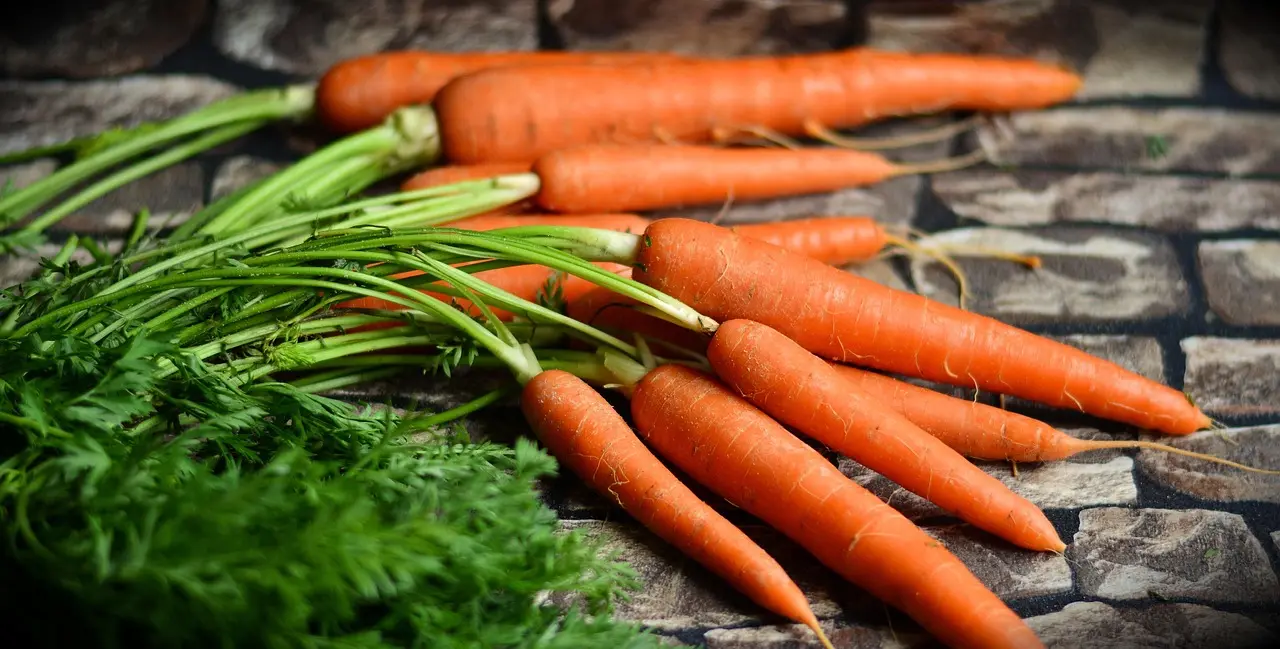
Thin seedlings once they are established so each root has room to fatten without pressing into its neighbors. Keep the bed evenly damp through germination and root fill, because dry spells followed by heavy watering can split roots or make them tough. Spacing and water are both part of root shape.
Thinning for straighter roots
Thin carrots to about 1 inch apart first, then to about 1 inch to 3 inches apart, depending on the variety and the expected root size. Crowded seedlings compete underground, and the roots often come out small, twisted, or misshapen. Thinning early reduces that risk.
Wait for true seedlings. Thin once the seedlings are established and easy to grasp. If you pull too early, you can disturb neighboring roots and leave gaps that invite uneven spacing.
Snip extra tops. Use scissors to cut unwanted seedlings at soil level instead of yanking them. This avoids disturbing the roots of the plants you want to keep.
Set final spacing. Leave closer spacing for small carrots and wider spacing for larger roots. Wider spacing helps a larger root size, while tight spacing suits baby carrots and small harvests.
Moisture targets through growth
Keep the soil evenly damp through germination and then aim for about 1 inch of rain per week, adjusting as needed for heat and wind. That baseline helps roots grow steadily. If the surface dries out and then gets soaked, cracking becomes more likely.
Too much water causes trouble in loose soil because the bed can settle and the roots may branch in search of oxygen. Too little water causes slow growth and woody texture. The best outcome is steady moisture, not saturation.
How to feed carrots lightly
Carrots need only light feeding, and the fertilizer should supply less nitrogen than phosphorus and potassium. Excess nitrogen pushes top growth at the expense of root size, which is a poor trade for a root crop. If the bed is already fertile, extra feeding may do more harm than good.
Use light feeding only. Work in a modest amount of balanced fertilizer or compost before sowing if the soil is poor. Avoid a heavy nitrogen feed that can push leafy growth and leave the roots thin.
Avoid fresh manure. Strong, high-nitrogen amendments can cause rough, forked, or overgrown tops. They can also make the root quality uneven, especially in loose soil that already drains fast.
Reconsider poor soil. If the native ground is both shallow and low in fertility, a container or raised bed may be the better setup. That gives you control over depth, texture, and nutrient balance all at once.
Loose soil carrots and pests
Carrot root fly can damage seedlings and early roots, so pest protection belongs near the start of the plan, not at harvest time. Fleece barriers and careful companion planting are two common protection methods. Early coverage matters most while seedlings are small and vulnerable.
Carrot root fly basics
Root fly tends to be more of a problem when seedlings are exposed and the crop is thin or uneven. Damage can start before the roots are large enough to notice above ground. Protecting the row early is simpler than trying to rescue damaged roots later.
Simple protection
Use fleece to block egg-laying where pressure is high, or plant with companion species that help mask the crop. Keep the barrier in place early, especially after germination. If you only protect the bed after tops are well grown, the damage may already be done.
A common first-timer mistake is to leave seedlings uncovered because the soil looks clean and airy. Loose soil does not stop root fly. If the row is exposed, the roots can still be marked or weakened even when the bed itself is ideal for shape.
Frequently asked questions
What soil does carrots grow best
Carrots grow best in loose, well drained soil with a pH from 6.0 to 6.8. Sandy loam and fine tilth are both practical because they let roots move cleanly through the bed. Soil that is stone-free and not compacted gives the straightest harvest.
How to grow small carrots
Choose short or round varieties, then thin to tighter spacing than you would use for full-size roots. Small carrots also suit shallower beds and containers 10 to 12 inches deep. Keep moisture steady so the roots fill without cracking or stopping early.
How to thin carrots in garden
Thin once the seedlings are established, then leave the strongest plants about 1 inch apart at first. For larger roots, widen the final spacing to about 1 inch to 3 inches depending on variety. Snip extras at soil level so you do not disturb the roots you keep.
How to plant and grow carrots
Direct sow seed 2 to 4 weeks before your last spring frost, plant it 1/4 inch to 1/2 inch deep, and keep the surface damp until germination. Use loose, stone-free soil, thin seedlings as they grow, and keep feeding light. That combination gives the roots room and time to size up cleanly.