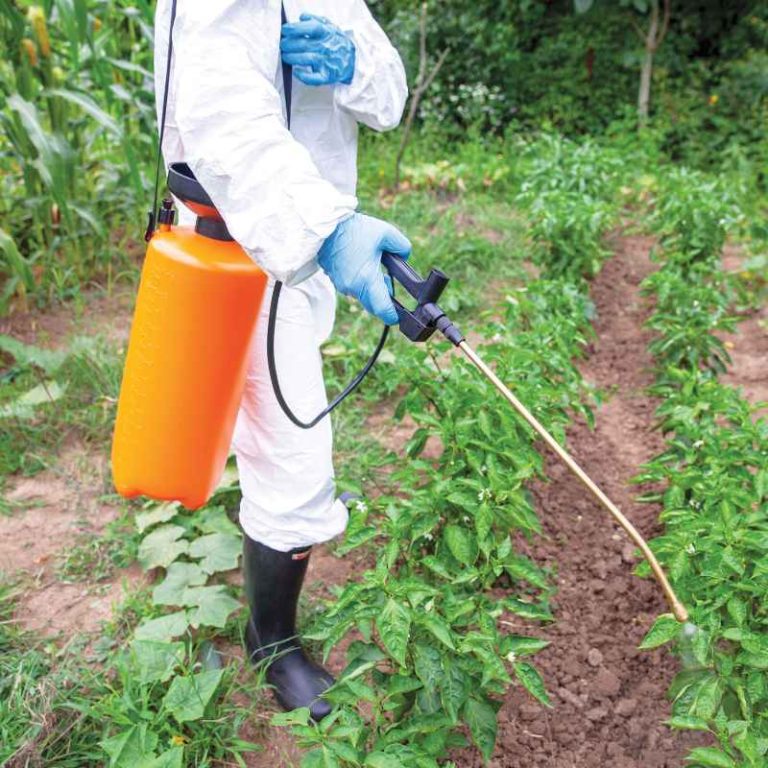
Can 2 4-D Be Used in Vegetable Gardens
Extension office for guidance. Chronic exposure to residues, even in small amounts, is not fully understood and can pose health risks, particularly for children and those with compromised immune systems. Regulatory agencies advise against consuming produce from plants that have experienced herbicide damage, especially if symptoms are apparent.
What Should I Do If My Garden Is Accidentally Exposed To 2,4-d?
If you suspect drift or accidental exposure:
- Cease harvesting immediately from affected plants.
- Contact your local extension service for plant and soil testing.
- Document the incident with photos and notes, including weather conditions and recent nearby applications.
- Remove and dispose of heavily damaged plants to prevent further spread or persistence in the soil.
- Monitor remaining crops for delayed symptoms, as some effects may take days or weeks to manifest.
- Consider remedial measures such as adding organic matter, rotating to less sensitive crops, or leaving the area fallow for a season if residue is confirmed.
Are There Any Vegetables That Are Resistant To 2,4-d?
Very few vegetables show resistance to 2,4-D. While some monocot crops like corn and onions are less sensitive, most garden vegetables are broadleaf species and are highly susceptible. Even those with moderate tolerance may still suffer yield or quality loss if exposed to drift or residues.
Can Compost Or Grass Clippings Treated With 2,4-d Be Safely Used In The Vegetable Garden?
Absolutely not. Compost, mulch, or grass clippings from lawns treated with 2,4-D can retain herbicide residues that harm vegetables. Many cases of mysterious crop injury in home gardens have been traced to contaminated mulch or compost. Always use untreated materials in your vegetable plots.
Is 2,4-d Use Allowed In Organic Gardening?
No. 2,4-D is a synthetic chemical herbicide and is strictly prohibited in certified organic gardening and farming. Organic weed control relies on cultural, mechanical, and approved natural product strategies.
Preventing 2,4-d Contamination: Proactive Steps For Gardeners
Establishing Physical Barriers
Creating physical barriers such as dense hedgerows, privacy fences, or rows of non-edible, hardy shrubs can help intercept spray drift and reduce the risk of accidental contamination. These barriers not only protect your vegetables but can also enhance biodiversity and aesthetics in your garden.
Timing Your Planting And Herbicide Applications
If neighbors or nearby parks use 2,4-D, try to coordinate planting schedules to avoid the peak herbicide application season. Early spring and late summer are common times for lawn treatments—plan your most sensitive vegetable plantings accordingly, and communicate with nearby property owners about your garden’s needs.
Encouraging Community Education
Host or attend neighborhood workshops about safe herbicide use and the risks to vegetable gardens. Distribute educational materials from reputable sources such as local extension offices or the EPA. Informed communities are less likely to experience accidental drift incidents.
Monitoring Weather Conditions
Before any herbicide is applied nearby, monitor weather forecasts for wind speed, direction, and temperature. Avoiding applications during temperature inversions, high winds, or heatwaves significantly reduces the likelihood of drift or volatilization.
Keeping Detailed Records
Maintain a garden journal documenting planting dates, weather conditions, suspected exposures, and any observed plant symptoms. Detailed records are invaluable for diagnosing problems, pursuing remediation, or seeking compensation if off-target herbicide injury is confirmed.
The Broader Picture: Sustainable Weed Management And Future Trends
The Drawbacks Of Chemical Dependency
While chemical herbicides like 2,4-D offer quick results, dependence on them can have long-term negative effects:
- Herbicide resistance: Overuse of a single mode of action can lead to the evolution of resistant weed populations, making future control more difficult.
- Soil health degradation: Repeated chemical applications can harm beneficial soil microbes and reduce soil fertility over time.
- Reduced pollinator populations: Herbicide drift can damage flowering plants that provide nectar and habitat for pollinators, affecting the overall ecosystem.
Innovations In Non-chemical Weed Control
Researchers and innovators are developing alternatives such as:
- Flame weeding: Controlled use of heat to kill young weeds without chemicals.
- Solarization: Using clear plastic to heat the soil and destroy weed seeds before planting.
- Weed-suppressive cover crops: Varieties like rye, buckwheat, and hairy vetch crowd out weeds while adding organic matter to the soil.
- Robotic weeders: Emerging technology uses sensors and AI to identify and remove weeds with minimal human labor.
The Role Of Policy And Education
Policymakers are increasingly recognizing the risks associated with synthetic herbicides near food crops. Regulations are being updated to require clearer labeling, expanded buffer zones, and more robust public education efforts. Gardeners and local communities play a crucial role in advocating for and adhering to these guidelines to ensure safe, healthy food production.
Building A Resilient Garden Ecosystem
The most successful and sustainable gardens are those that rely on diversity, healthy soil, and integrated management rather than quick chemical fixes. Practices such as crop rotation, interplanting, mulching, and encouraging beneficial insects not only control weeds but improve yields and reduce pest outbreaks.
Final Thoughts
Choosing whether to use 2,4-D in or near your vegetable garden is a significant decision with far-reaching consequences. Scientific evidence, regulatory guidance, and countless real-world examples all underscore the substantial risks of using this herbicide around food crops. The potential for crop damage, food contamination, environmental impact, and human health concerns far outweigh the benefits of chemical weed control in a home vegetable garden setting.
Instead, gardeners are encouraged to adopt integrated, organic, and mechanical weed management strategies that protect both their harvest and the wider ecosystem. By staying informed, communicating with neighbors, and prioritizing safe, sustainable practices, you can cultivate a thriving, resilient vegetable garden free from the risks associated with 2,4-D and similar herbicides.
For more detailed information and support, consult your local cooperative extension office, reputable gardening organizations, and up-to-date regulatory resources. Remember: the healthiest gardens are those where both plants and people are protected.