Vegetables That Should Not Be Planted Together
Keep tomatoes and potatoes apart, and separate beans from onions or garlic; most other “bad” vegetable pairings are spacing problems, not absolute bans. Ignore that, and yields drop from crowding, nutrient competition, and pest spillover. This guide sorts true no-go pairs, spacing-only conflicts, and bed layouts that keep small gardens productive.
Why some vegetables should not be planted together

Some crops fail side by side because they share disease pressure, shade each other, compete hard for water or nutrients, or release compounds that slow neighbors. Those are different problems, and they need different fixes. A true no-go pair usually calls for a different bed or container; a mild conflict often needs only spacing, a trellis, or next-season rotation.
Shared disease pressure
Related crops often carry the same pathogens. Tomatoes and potatoes are the clearest example because both sit in the nightshade family and share blight risk when planted near each other. Brassicas also do better with rotation away from their own family group, because close placement can keep the same disease cycle moving through the bed.
Shade and spacing conflicts
Vining crops can shade low growers fast. Cucumbers, pole beans, and indeterminate tomatoes can grow enough to block light if they are packed together. In small beds, that creates a layout issue more than a chemistry issue, so the fix is vertical space, row direction, and keeping the tallest crop on the north side where possible.
Nutrient competition and heavy feeders
Heavy feeders can drain a small bed quickly. Potatoes are the clearest example because they want loose soil and steady fertility, and they do poorly when forced to share tight root space with sprawling crops. Brassicas also pull heavily from the same bed, so mixing too many hungry crops in one block can cut size and head quality.
When to separate by bed, row, or container
Use a different bed for true disease overlaps, opposite ends of a bed for moderate competition, and a container when a crop has strong incompatibilities or takes over space. A simple rule: if the problem is disease family overlap, rotate; if the problem is shade or root crowding, reposition; if the crop is strongly allelopathic, isolate it.
Vegetable compatibility matrix
This table separates true no-go pairings from softer conflicts. The last column gives a small-space workaround for patio gardens and raised beds, where you may not have enough room for a full bed swap.
| Crop pair | Risk type | Recommended separation tactic | Small-space workaround |
|---|---|---|---|
| Tomatoes + potatoes | Disease | Different bed; rotate next season | Grow one in a large container and keep it away from the other crop block |
| Tomatoes + brassicas | Nutrient competition, shade | Opposite ends of bed | Put brassicas in a separate half-barrel or a second raised bed |
| Beans + onions | Growth suppression around alliums | Different bed | Use onions in one planter and beans in another; do not mix the root zone |
| Beans + garlic, leeks, shallots | Growth suppression around alliums | Different bed | Keep alliums as border crops in a separate container line |
| Peas + garlic or onions | Growth suppression around alliums | Different bed | Grow peas in a trellis planter and alliums in another box |
| Cucumbers + potatoes | Shade, water and nutrient competition | Opposite ends of bed | Trellis cucumbers and leave at least one container-width between crops |
| Cucumbers + sage | Growth competition | Different bed | Place sage in a dry herb pot; keep cucumbers in moist potting mix |
| Fennel + most vegetables | Allelopathy | Container | Keep fennel isolated in its own pot well away from vegetable beds |
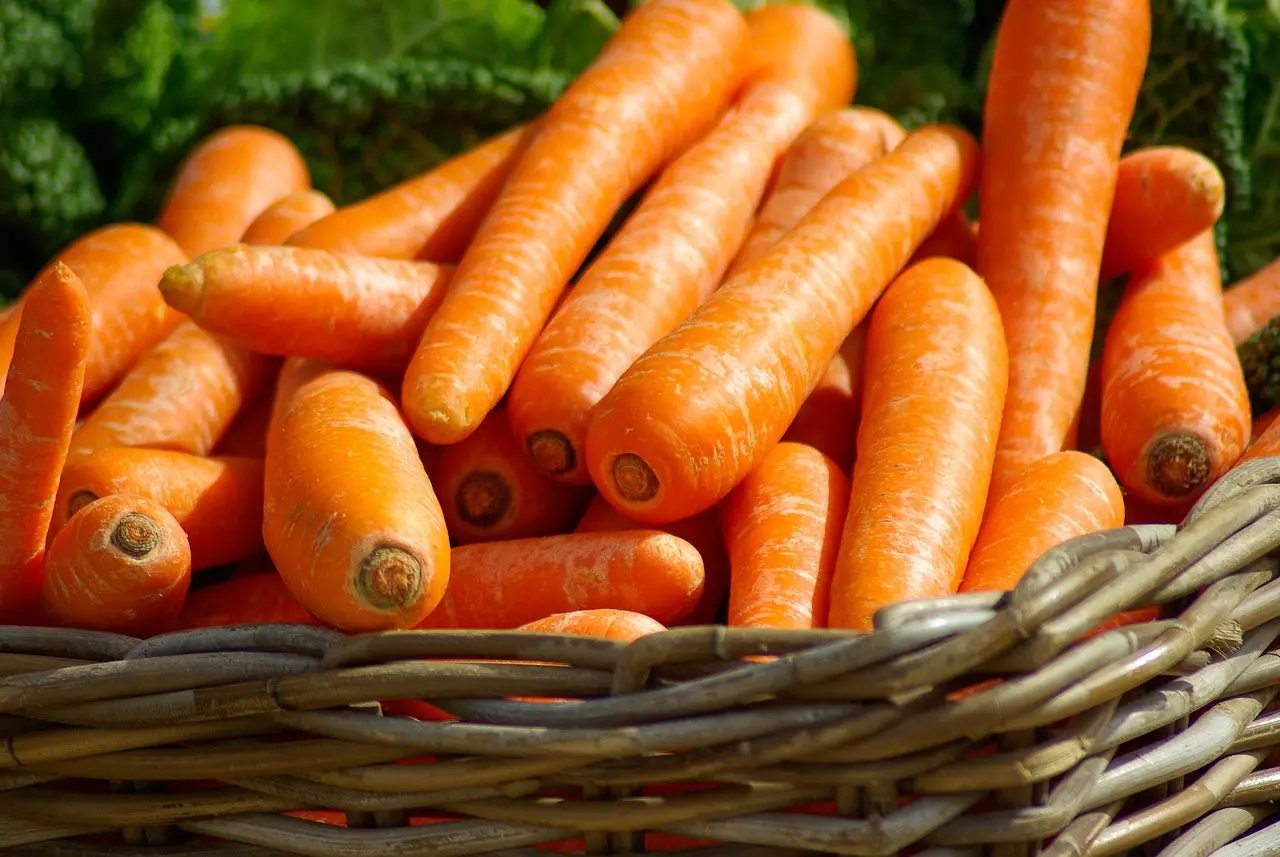
| Carrots + dill | Family competition, root crowding | Opposite ends of bed | Use one short row of dill away from the carrot block |
| Carrots + parsnips | Root competition | Rotate next season | Split them into separate rows or separate planters |
Which vegetables should not be planted near tomatoes?
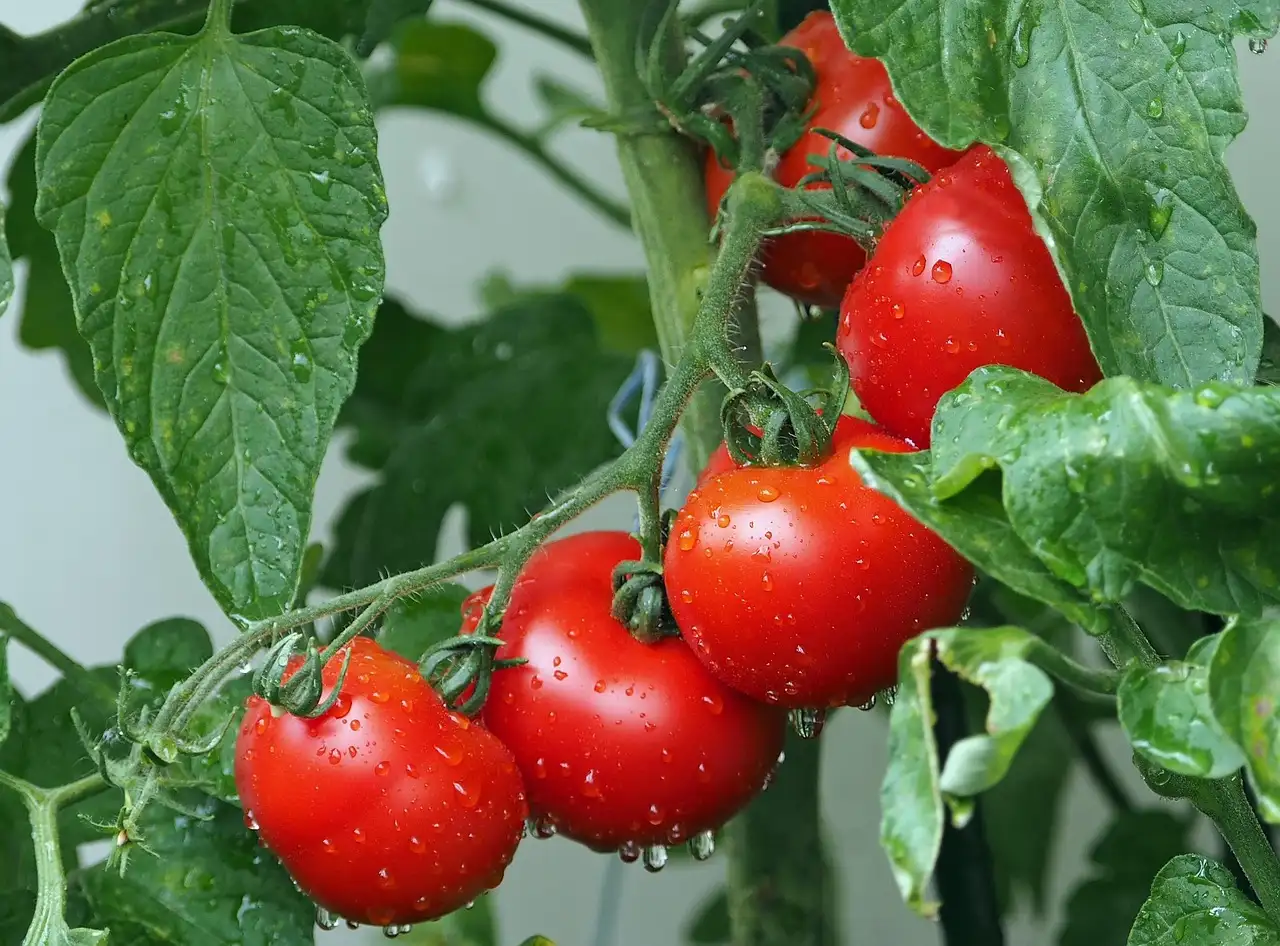
Tomatoes should stay away from potatoes and, in many layouts, from brassicas that need the same fertile, open bed space. The strongest warning is tomatoes plus potatoes because they share blight pressure as nightshades. For a better mix, pair tomatoes with basil, marigold, lettuce, or bush beans in a separate row.
Brassicas and tomatoes
Broccoli, cabbage, cauliflower, kale, and Brussels sprouts can crowd tomatoes by demanding a similar amount of light and soil fertility during the same season. That is a spacing and feeding issue more than a hard ban. Put tomatoes on the bed edge with a trellis, and keep brassicas in the next bed or at the far end.
Potatoes and tomatoes
This is a true no-go pairing for most gardens. Positive Bloom notes that tomatoes and potatoes share blight risk when planted near each other, and both belong to the nightshade family. Separate them by bed, and rotate one of them to a different section the following season if blight has been present. (Wikipedia)
What to plant instead of problem neighbors
Give tomatoes partners that stay low and do not pull hard from the same space. Lettuce, basil, parsley, and bush beans fit better in mixed beds. If the bed is narrow, keep tomatoes on the north side of the planting strip so they do not shade the rest of the crop line.
What vegetables should not be planted next to beans and peas?
Beans and peas are often kept away from onions, garlic, leeks, and shallots. Epic Gardening specifically warns that onions inhibit bean growth, and legumes usually do better without alliums at the root edge. Bush beans tolerate compact layouts better than pole beans, but both still need room away from alliums.
Alliums and legumes
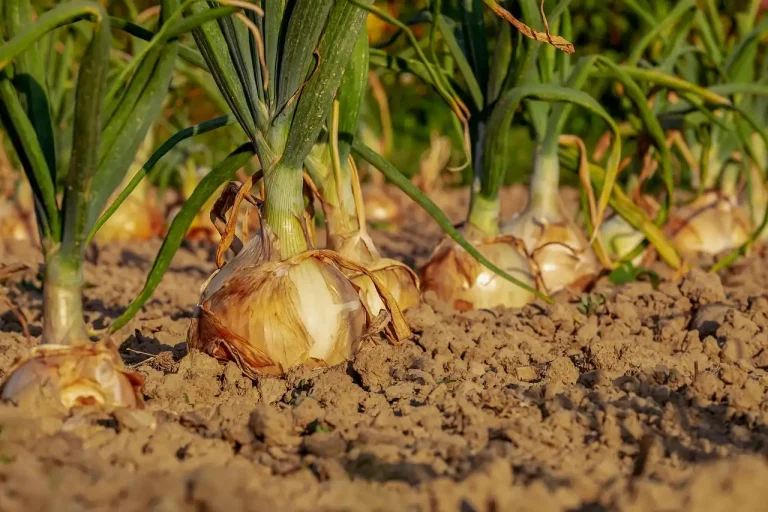
Onions, garlic, leeks, and shallots are the allium family. They are useful companions in other parts of the garden, but they are poor neighbors for beans and peas. Treat this as a spacing-and-growth issue, not a fertilizer problem, and keep the groups in different beds or separate containers.
Bush beans versus pole beans
Bush beans stay compact, so they are easier to fit near other crops without shading them. Pole beans climb and cast more shade, which means they need a trellis and an open side of the bed. Even then, keep them away from alliums and give them a line of corn or cucumbers instead.
Good neighbors for beans and peas
Corn and cucumbers are common companions for beans, and peas do well with carrots, radishes, and cucumbers when the trellis or row spacing is set first. Say your raised bed is 4 feet by 8 feet: put peas on the north trellis, cucumbers on a second trellis strip, and leave alliums in another box.
Which crops should stay away from cucumbers and potatoes?
Cucumbers and potatoes are not a classic disease pair in the way tomatoes and potatoes are, but they can still compete hard in a cramped bed. Cucumbers should also stay away from sage. The practical issue is often spread and shade, so a trellis and a bed edge are the first fixes.
Cucumbers and potatoes
Potatoes are heavy feeders and can dominate a loose, fertile bed. Cucumbers want moisture, light, and room to run, so the two can crowd each other out if planted too close. Keep them on opposite ends of a long bed, or give cucumbers a trellis and potatoes their own bed.
Cucumbers and sage
Sage prefers drier conditions and can be a poor match for cucumbers, which need consistent moisture. That is a management clash, not a disease issue. The easiest fix is to keep sage in a herb pot or on the edge of a dry border bed, far from the cucumber row.
Spacing cucumbers with trellises
For small gardens, trellising is the cleanest fix. Place cucumber plants along the north side of a bed, give them a trellis, and leave the south side for low crops. Suppose a 2-by-6-foot bed holds two cucumber plants; do not add potatoes in the same strip. Use radishes or beans in a nearby slot instead.
How do brassicas, alliums, and fennel affect bed planning?
Brassicas are useful crops, but they ask for a clean rotation and enough room to avoid crowding tomatoes and other hungry neighbors. Alliums often help elsewhere in the garden, yet they can stunt legumes. Fennel is different again: it is best isolated because its allelopathic effect reaches many vegetables.
Brassica family placement
Brassicas include broccoli, cabbage, cauliflower, kale, and Brussels sprouts. They need space and steady feeding, and they should not sit in the same bed with another brassica crop year after year. For bed planning, move them to a different section the next season and avoid forcing them into a tomato-heavy mix.
Allium placement with legumes and carrots
Alliums can be useful pest-deterring companions, but not beside beans or peas. They pair better with carrots, where the scent mix can help confuse pests without suppressing the crop. If you want both in one garden, place the onion or leek row beside carrots, not beside legumes.
Why fennel usually gets its own space
Fennel is the crop most gardeners should isolate first. Taste of Home says it is best kept out of the vegetable garden because it inhibits eggplant and many other vegetables, and Garden Ask notes allelopathy as one reason some crops fail together. Put fennel in a container or a distant corner bed by itself.
What vegetable pairings work better in small gardens?
Small gardens need practical swaps, not a long list of bans. Move conflict crops into different beds or containers, and replace them with companions that use different layers of space. That means trellised cucumbers, low lettuce under tomatoes, carrots beside onions, and peas with radishes or a light early crop.
Companion swaps for common bad matches
Swap tomatoes plus potatoes for tomatoes plus basil or lettuce. Swap beans plus onions for beans plus corn or cucumbers. Swap peas plus garlic for peas plus carrots or radishes. Swap cucumbers plus sage for cucumbers plus beans or peas, as long as the bed has room and the trellis is already in place.
Raised-bed layout tips
In a 4-by-8-foot raised bed, reserve one long edge for a trellis crop and the opposite edge for low growers. Keep alliums in a separate box if possible. If you must mix crops in one bed, put the most competitive pair at opposite ends, not in adjacent rows, and rotate the bed next season.
Container options for incompatible crops
Containers solve the biggest clashes fast. Use one pot for fennel, one for tomatoes, and another for alliums if your main bed is full. A container of about 5 gallons or larger is often easier to manage than a crowded shared box, especially when one crop needs drier soil and its neighbor needs steadier moisture.
Frequently asked questions
Are there vegetables that should not be planted together?
Yes. Tomatoes and potatoes are the clearest no-go pair because of shared blight pressure, and beans or peas should not sit beside onions or garlic. Most other conflicts are about spacing, shade, or rotation, so you can often fix them by moving one crop to the bed edge or another container.
What vegetables should not be planted together chart
A good chart should name the crop pair, the risk type, and the fix. For example: tomatoes and potatoes, disease, different bed; beans and onions, growth suppression, different bed; fennel and most vegetables, allelopathy, container. If the chart does not say how to separate the crops, it is not very useful.
What vegetables and herbs should not be planted together?
Beans and peas should stay away from onion-family herbs such as chives, garlic, and leeks. Sage should not sit beside cucumbers. Fennel is the strongest outlier because it can interfere with many vegetables, so it is better treated as an isolated herb rather than a shared-bed plant.
What vegetables should not be planted close together?
Keep tomatoes away from potatoes, beans away from onions and garlic, and peas away from alliums. Also avoid packing cucumbers beside potatoes in a tight bed. If the pair is only a mild competition issue, opposite ends of a bed may be enough; if it is disease or allelopathy, use a different bed or container.
What vegetables should not be planted next to each other in a garden?
Start with the clearest pairings: tomatoes with potatoes, beans with onions, peas with garlic, and fennel with most other vegetables. Then check for crowding from brassicas, which need their own feeding and spacing plan. In a small garden, the next step is usually a trellis, not a bigger bed.
What vegetables should not be planted together chart
Use the chart to sort the problem by type, not just by pair. Disease overlaps call for rotation, shade conflicts call for row placement, and allelopathy calls for isolation. That is the fastest way to keep a mixed garden productive without banning half the bed from the start.