Can Drip Irrigation Systems Be Automated With Smart Devices?
Farmers, gardeners, and homeowners all want one thing: to water plants efficiently without wasting time or resources. Drip irrigation is already famous for saving water and delivering it directly to plant roots. But now, there’s a new question: Can drip irrigation systems be automated with smart devices? The answer is yes—and it’s changing how people grow plants worldwide.
Imagine your garden watered perfectly, even while you’re away. No guessing about soil moisture. No wasted water. No overwatering or underwatering. Smart devices bring this dream closer, with tools that can sense, decide, and control water flow automatically.
This article explores how automation works with drip irrigation, the types of smart devices you can use, the benefits, challenges, and real-world examples. Whether you’re a beginner or have some experience, you’ll discover practical advice, clear comparisons, and tips that help you make better choices.
What Is Drip Irrigation?
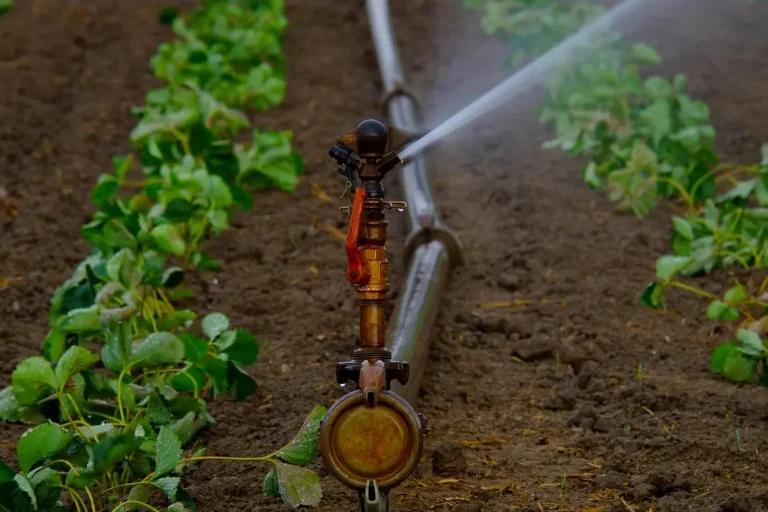
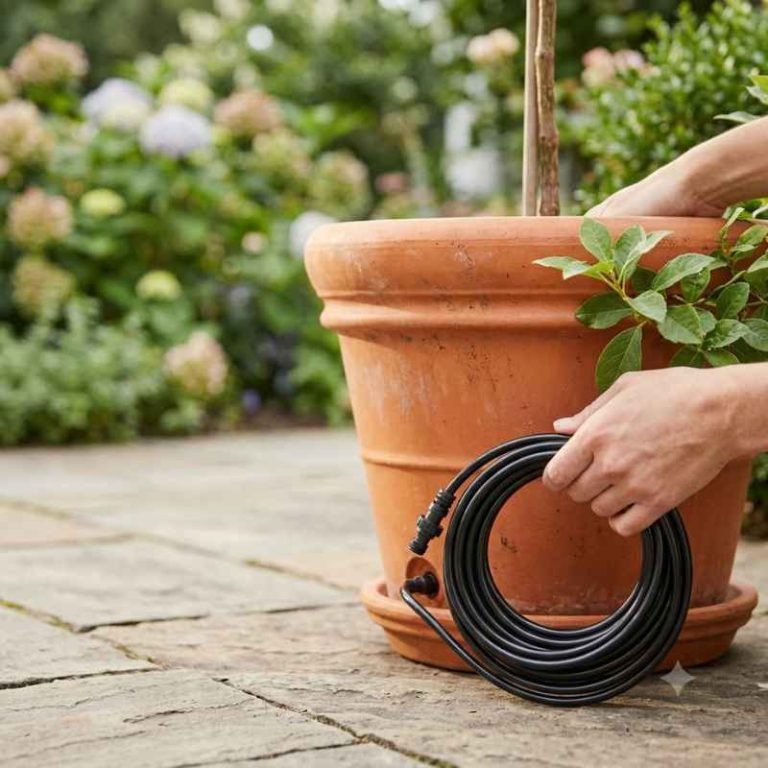
Drip irrigation is a watering method where water goes directly to plant roots through tubes, emitters, and valves. Unlike sprinklers, drip systems use less water and avoid wetting leaves, which reduces disease risks.
Key benefits:
- Saves up to 50% more water than sprinklers
- Delivers water slowly, so soil absorbs it better
- Minimizes weed growth
- Supports healthy plant growth
Drip systems are popular in:
- Farms (for crops like tomatoes, grapes, and strawberries)
- Home gardens (vegetables, flowers, shrubs)
- Greenhouses and nurseries
Most drip systems can be installed above ground or buried. They’re flexible and can be expanded easily. But traditional systems need manual control—you turn them on or off based on your judgment.
Automation In Irrigation: The Basics
Automation means using technology to do tasks without human effort. In irrigation, it’s about controlling water flow automatically, based on pre-set rules or real-time data.
Why automate?
- Plants get water at the best time
- Water use is optimized, reducing waste
- Less manual labor is needed
Automation can be simple (timers) or advanced (smart sensors and controllers). With smart devices, drip irrigation can adjust itself, based on plant needs, weather, or soil conditions.
Types Of Smart Devices Used For Automation
Smart devices bring intelligence to irrigation. These tools sense, control, and communicate. Here are the main types:
Smart Controllers
A smart controller is the “brain” of the system. It decides when and how much to water.
Features:
- Connects to Wi-Fi or Bluetooth
- Uses weather data to adjust schedules
- Can be controlled remotely via apps
Examples:
- Rachio Smart Sprinkler Controller
- Rain Bird ESP-TM2
Soil Moisture Sensors
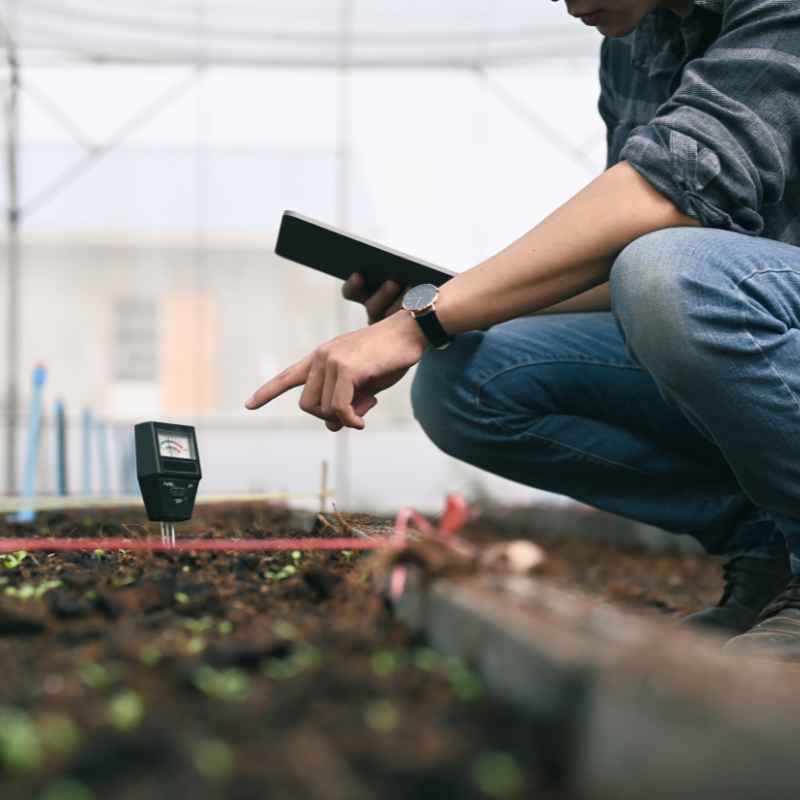
These sensors measure soil moisture and send data to the controller. If the soil is dry, the system waters. If it’s wet, watering is skipped.
Benefits:
- Prevents overwatering
- Saves water and reduces plant stress
Weather Sensors
Weather sensors track temperature, rainfall, humidity, and sunlight. They help decide if watering is needed.
How they help:
- Pause watering during rain
- Adjust for hot or windy days
Flow Meters
Flow meters monitor how much water flows through the system. They detect leaks or blockages, improving efficiency.
Smart Valves
Smart valves open or close automatically, based on instructions from the controller or app.
Mobile Apps
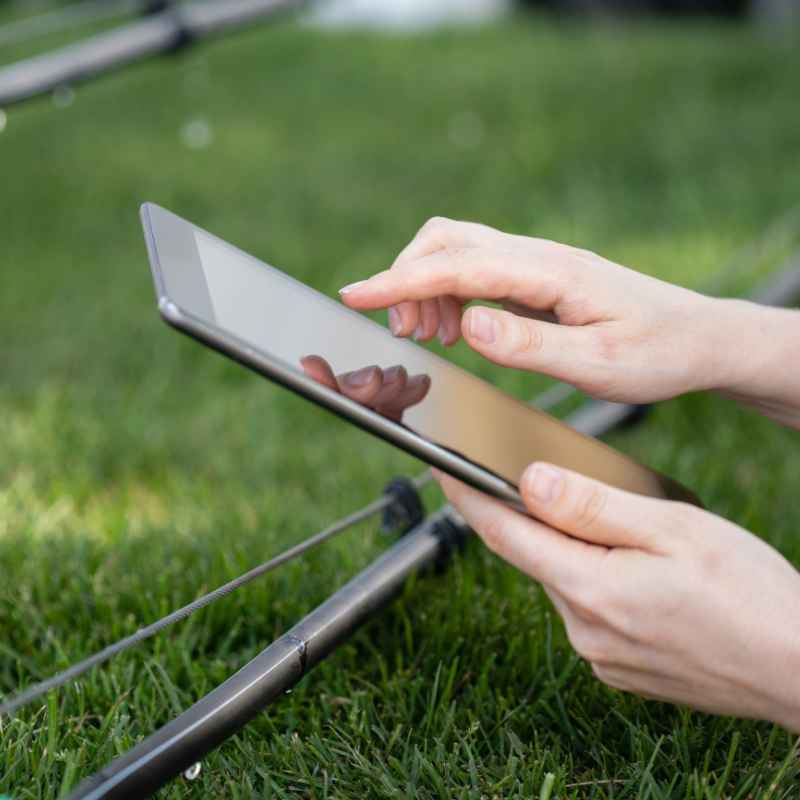
Apps let users control and monitor their irrigation system from anywhere. Some apps show real-time data, send alerts, and let you change schedules on the go.
Integration With Home Assistants
Smart irrigation systems can link with Amazon Alexa, Google Assistant, or Apple HomeKit. You can use voice commands to start or stop watering.
How Does Automation Work With Drip Irrigation?
Automation is possible because smart devices “talk” to each other. Here’s how it works:
- Sensors (soil, weather) collect data and send it to the controller.
- Controller analyzes data and decides when to water.
- Valves open or close, releasing water through drip lines.
- Apps let you monitor and adjust settings remotely.
This loop repeats daily, adapting to changing conditions. If it rains, the system pauses. If the soil dries, watering resumes. Automation can be set for specific zones—different plants get water as needed.
Example Scenario
Let’s say you have tomatoes and lettuce in your garden. Tomatoes need more water; lettuce needs less. A smart controller, linked to soil sensors, checks each zone. If tomatoes are dry but lettuce is moist, only tomatoes get watered.
Comparing Manual Vs Automated Drip Irrigation
Here’s a clear comparison of manual and automated systems:
| Feature | Manual Drip Irrigation | Automated Drip Irrigation |
|---|---|---|
| Control | Hand-operated | Automatic, app-based |
| Water Savings | Moderate | High, due to sensors |
| Labor | High (daily checks) | Low (set and forget) |
| Adaptability | Fixed schedule | Adjusts to weather/soil |
| Cost | Lower upfront | Higher upfront, lower long-term |
| Plant Health | Depends on user | Optimized by data |
Automated systems cost more initially, but save money and time over months and years.
Benefits Of Automating Drip Irrigation With Smart Devices
Automation isn’t just a luxury—it solves real problems:
Saves Water
Smart sensors and controllers use only as much water as plants need. Studies show smart irrigation systems can save 20–50% water compared to manual methods.
Improves Plant Health
Plants get water at the right time and amount. This reduces stress, disease, and nutrient issues.
Reduces Labor
You don’t need to check soil or weather daily. The system does the work, freeing your time.
Prevents Overwatering And Underwatering
Sensors detect soil moisture accurately. The system waters only when needed, avoiding root rot or wilting.
Supports Remote Management
If you travel or manage multiple sites, apps let you control watering remotely. You can get alerts for leaks, dry zones, or system errors.
Adapts To Changing Conditions
Weather sensors and forecast integration adjust watering for rain, heat, or wind. This makes irrigation smarter and more resilient.
Data And Insights
Smart systems track water use, soil moisture, and plant growth. You can analyze data to improve yields or save money.
Reduces Costs Over Time
Water bills drop, plant losses decrease, and maintenance is easier. Though upfront costs are higher, most users see payback within 2–3 years.
Key Components Of An Automated Drip Irrigation System
To automate a drip system, you need the right parts:
- Drip tubing and emitters – carry water to plants
- Smart controller – manages schedules and decisions
- Sensors (soil, weather, flow) – provide real-time data
- Smart valves – control water flow
- Wi-Fi/Bluetooth connectivity – enables remote access
- Mobile app or dashboard – for control and monitoring
Typical System Setup
Here’s a sample setup for a home garden:
| Component | Description | Estimated Cost |
|---|---|---|
| Drip tubing | Flexible pipes for water delivery | $20–$50 |
| Emitters | Deliver water drops to roots | $10–$30 |
| Smart controller | Manages schedules via app | $100–$250 |
| Soil moisture sensors | Measure soil water content | $30–$80 per sensor |
| Weather sensor | Tracks rainfall, temp | $50–$120 |
| Smart valve | Automated water flow | $30–$60 |
Total cost ranges from $240–$590 for a basic automated system. Larger systems cost more.
Step-by-step Guide: Automating Your Drip Irrigation System
If you want to upgrade your manual drip system, here’s how to start:
1. Assess Your Needs
- Identify which plants need automation
- Decide how many zones you want (different plant groups)
2. Choose The Right Smart Controller
- Look for compatibility with your drip system
- Check if it supports multiple zones
- Prefer models with app control and weather integration
3. Select Sensors
- Soil moisture sensors are essential
- Weather sensors are optional but improve accuracy
4. Install Smart Valves
- Match valves to your tubing size
- Ensure they connect to the controller
5. Set Up Connectivity
- Make sure you have strong Wi-Fi or Bluetooth near the system
- Connect devices to your app
6. Test And Calibrate
- Run the system and check each zone
- Adjust emitter flow rates and sensor placement
7. Set Watering Rules
- Use the app to set schedules, moisture thresholds, and weather triggers
- Start with manufacturer recommendations, then fine-tune
8. Monitor And Adjust
- Check data weekly
- Update schedules as seasons change
Pro tip: If you’re new to smart devices, start with one zone and expand gradually. Many beginners miss this step, leading to frustration and wasted money.
Smart Device Options: Popular Models And Brands
Several brands offer reliable smart devices for irrigation:
- Rachio – Smart controllers with weather integration
- Rain Bird – Controllers and sensors for home and farm
- Orbit B-hyve – Affordable smart controllers
- Hunter – Commercial-grade automation
- Netro – AI-powered scheduling
Comparison Of Smart Controllers
Here’s a quick comparison of three leading controllers:
| Brand | Zones Supported | Weather Integration | Mobile App | Price Range |
|---|---|---|---|---|
| Rachio 3 | 8, 16 | Yes (local & forecast) | iOS, Android | $150–$230 |
| Rain Bird ESP-TM2 | 4, 8, 12 | Yes (forecast) | iOS, Android | $110–$200 |
| Orbit B-hyve | 4, 8, 12 | Yes (forecast) | iOS, Android | $95–$180 |
All models support app control and weather-based scheduling. Rachio is often praised for its easy setup and advanced features.
Challenges And Limitations
Automating drip irrigation brings many benefits, but there are obstacles:
Upfront Costs
Smart devices cost more than manual timers. Not all users are ready to invest.
Compatibility Issues
Not every controller or sensor fits all drip systems. Check compatibility before buying.
Connectivity Problems
Wi-Fi or Bluetooth can fail, causing interruptions. A strong signal is essential.
Maintenance
Sensors need regular cleaning and checking. Batteries may need replacement.
Technical Learning Curve
Smart systems have apps, settings, and alerts. Beginners may feel overwhelmed. Start with basic features and learn gradually.
Environmental Factors
Extreme weather (heavy rain, freezing) can damage devices. Protect sensors and controllers from exposure.
Data Privacy
Some devices share data with cloud services. Choose brands with clear privacy policies.
Non-obvious insight: Many people forget that soil type affects sensor readings. Sandy soil dries faster than clay. Always calibrate sensors for your soil.
Real-world Examples: Automated Drip Irrigation In Action
Home Garden In California
A homeowner installed a Rachio controller with two soil moisture sensors. Water use dropped by 35% in the first year. The app notified the owner of a leak, saving plants and preventing high water bills.
Tomato Farm In Texas
A commercial farm automated their drip system with Hunter controllers and weather sensors. Yields increased by 18% due to precise watering, and labor costs dropped by 40%. The system paid for itself in two seasons.
Community Greenhouse In New York
Volunteers used Rain Bird ESP-TM2 controllers and flow meters. They set schedules based on weather forecasts. Plants thrived, and water usage fell by 42%. Volunteers could focus on education, not manual watering.
Urban Rooftop Garden
An apartment complex installed Orbit B-hyve controllers connected to Google Assistant. Residents controlled watering with voice commands. Maintenance staff received alerts for low moisture, improving plant health.
Practical Tips For Beginners
- Start small—automate one zone before expanding
- Place sensors at root level, not surface
- Use app alerts for leaks or low moisture
- Update schedules as seasons change
- Check device compatibility before purchase
- Protect devices from rain, sun, and frost
- Monitor data weekly for better results
Non-obvious insight: Smart systems are only as good as your setup. Poor sensor placement or wrong schedules can waste water. Take time to plan.
Environmental Impact
Automated irrigation isn’t just about convenience. It helps the planet.
Water conservation: Smart systems use less water. This reduces pressure on local supplies and rivers.
Reduced runoff: Because water goes directly to roots, less fertilizer and soil wash away.
Lower carbon footprint: Less manual labor means fewer trips to gardens or farms. Automated systems often use solar power.
Healthier plants: Optimized watering supports stronger plants, which absorb more CO2.
Future Trends In Smart Drip Irrigation
The future is bright for smart irrigation:
- AI-powered scheduling – Systems learn plant needs and adjust automatically
- Integration with smart homes – Devices connect with lighting, security, and weather stations
- Solar-powered sensors – More eco-friendly options
- Better analytics – Detailed reports for water use and plant health
- Affordable devices – Prices dropping as technology improves
Some companies are testing machine learning to predict plant needs. Others are offering subscription services for remote monitoring.
How To Choose The Right System For You
With so many options, choosing can feel overwhelming. Here’s how to decide:
Consider Your Garden Size
Small gardens need fewer zones and sensors. Large farms may need advanced controllers and weather sensors.
Budget
Set a budget for devices, installation, and maintenance. Remember, savings come over time.
Plant Types
Some plants (succulents, cacti) need less water. Match schedules and sensors to plant needs.
Connectivity
If you don’t have strong Wi-Fi, choose Bluetooth or offline options.
Ease Of Use
If you’re new to smart devices, pick systems with simple apps and clear instructions.
Expansion
Choose systems that let you add zones or sensors later.
Common Mistakes To Avoid
- Buying incompatible devices
- Ignoring soil type when calibrating sensors
- Placing sensors too far from plant roots
- Not updating schedules for changing seasons
- Forgetting to check device batteries or connections
- Skipping maintenance (cleaning sensors, valves)
Frequently Asked Questions
Can I Automate An Existing Drip Irrigation System, Or Do I Need To Buy A New One?
Most existing drip systems can be upgraded with smart controllers and sensors. Just check compatibility with your tubing and valves. You rarely need to replace the whole system—just add the automation parts.
Do Smart Irrigation Systems Work During Power Outages?
Many smart controllers have battery backup, but Wi-Fi or app features may stop working. Manual override is possible if needed. It’s wise to check backup options before buying.
How Accurate Are Soil Moisture Sensors?
Modern sensors are quite accurate, but results depend on placement and soil type. Calibration is important—test sensors before relying on them fully. Some advanced models offer self-calibration.
Is Automating Drip Irrigation Expensive?
Upfront costs are higher than manual systems, but you save water, labor, and plant losses over time. Many users see payback within 2–3 years, especially in dry regions.
Are There Risks To Using Smart Irrigation Devices?
Risks include device failure, connectivity loss, and data privacy concerns. Choose reliable brands and protect devices from weather. Always check privacy policies if your system connects to the cloud. For more details, see Wikipedia.
Smart devices are transforming drip irrigation, making it easier, more efficient, and better for the environment. With the right setup, you can enjoy healthier plants, lower bills, and less effort. Automation isn’t just a trend—it’s the future of watering. If you plan carefully, avoid common mistakes, and choose the right devices, your garden or farm will thrive.