Which Automatic Irrigation Robots Work Best for Farm Watering?
Farmers today face big challenges with water. Climate change, drought, and labor shortages make it harder to keep crops healthy. Traditional irrigation often wastes water and time. But new technology is changing everything. Automatic irrigation robots promise smart watering with less effort, higher yields, and better use of resources. These robots are not just gadgets—they can transform how farms work.
But not all irrigation robots are the same. Some are built for large fields, others for smaller areas or special crops. Some use advanced sensors, while others follow simple schedules. If you are looking for the best automatic irrigation robots for farm watering, you need to know which ones really deliver.
This article will guide you through the top models, their features, how they compare, and what really matters when choosing the right robot for your farm.
What Are Automatic Irrigation Robots?
Automatic irrigation robots are machines that water crops using sensors, computer controls, and sometimes artificial intelligence. They can move around the farm or stay fixed. These robots check soil moisture, weather, and plant needs to decide when and how much water to use.
Some robots work fully on their own, while others need some human input.
Types Of Irrigation Robots
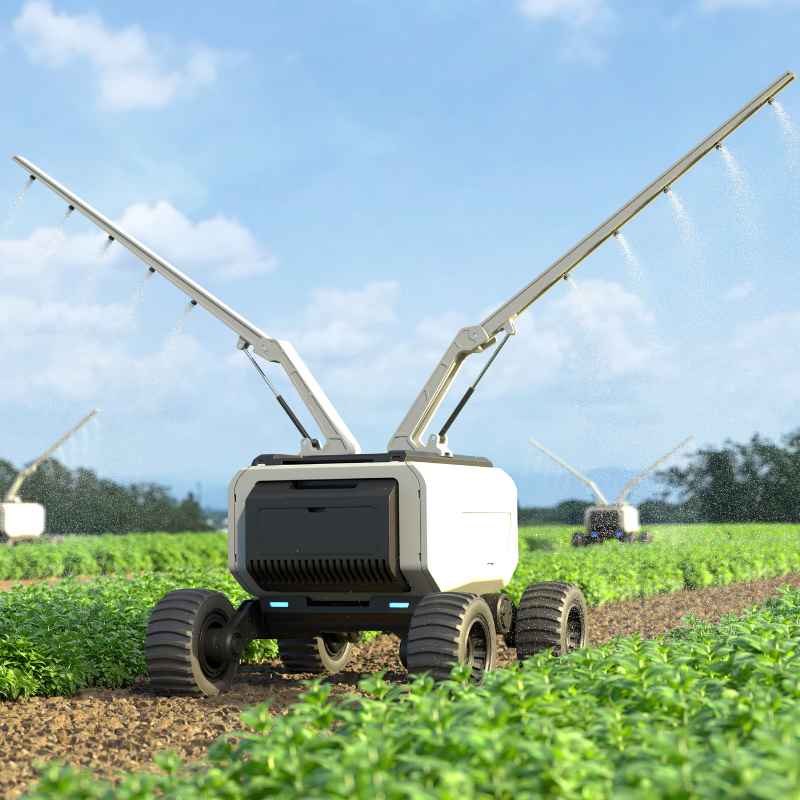
- Mobile robots: Move across fields, watering as they go. Some are like small tractors or carts.
- Fixed robots: Stay in one place but control many valves and sprinklers.
- Drones: Fly above crops and deliver water or monitor irrigation needs.
- Smart irrigation systems: Not true robots, but use sensors and automation to control watering.
Mobile robots are the most advanced and popular for large farms. Fixed systems are common in greenhouses or orchards.
How Do They Work?
Most irrigation robots use a combination of:
- Soil moisture sensors: Detect if the ground is dry or wet.
- Weather stations: Track rain, temperature, humidity.
- GPS and mapping: Guide robots to the right places.
- Water pumps and tanks: Carry and deliver water.
- Software controls: Set schedules and rules.
Some robots learn over time, adjusting watering based on plant growth and changing conditions.

Why Automatic Irrigation Robots Matter
Water is one of the most expensive and limited resources in farming. Using it wisely can mean the difference between profit and loss. Here’s why automatic irrigation robots are important:
- Save water: Robots target only thirsty areas, avoiding waste.
- Reduce labor: No need for workers to carry hoses or set sprinklers.
- Improve yields: Plants get water when they need it, leading to better growth.
- Lower costs: Less water and labor means lower bills.
- Adapt to weather: Robots can pause watering if rain is coming.
Many farms report water savings of 20–50% after switching to smart irrigation robots. In California, some almond growers saw yields rise by 15% and water use drop by 30%. These results are not rare—they show the real power of automation.
Top Automatic Irrigation Robots For Farm Watering
Let’s look at the leading irrigation robots on the market today. Each has its strengths and is suited to different types of farms.
| Robot Name | Type | Suitable Farm Size | Water Savings | Unique Features |
|---|---|---|---|---|
| FarmBot Genesis | Mobile | Small–Medium | Up to 40% | Precision planting, open-source software |
| Naio Oz | Mobile | Medium–Large | 30–50% | Multi-tasking (weeding, watering), GPS navigation |
| Robotic Irrigator X | Mobile | Large | Up to 60% | AI-driven moisture detection, large tanks |
| EcoRobotix ARA | Mobile | Medium–Large | 25–40% | Selective irrigation, solar powered |
| AgriBot S1 | Fixed | Greenhouse/Orchard | 30–45% | Remote control, customizable zones |
| WaterBee Smart Irrigator | Fixed | Small–Medium | Up to 35% | Wireless sensors, cloud data |
| RoboSprinkler Pro | Mobile | Medium–Large | 30–50% | Mapping and scheduling, obstacle detection |
| AgriFly Drone Irrigator | Drone | Large | 20–30% | Quick coverage, aerial monitoring |
| HydroSense AI | Smart System | All sizes | Up to 50% | Real-time analytics, mobile app |
| SprayBot Mini | Mobile | Small–Medium | 25–35% | Compact size, easy to install |
Farmbot Genesis
FarmBot Genesis is one of the most recognized irrigation robots for small and medium farms. It is a mobile robot that also plants seeds and manages the soil. It uses open-source software, meaning you can customize it. Its sensors detect soil moisture and adjust watering automatically.
FarmBot is perfect for vegetable gardens and smaller fields. However, its water tank is not large, so it needs frequent refilling for bigger areas.
Naio Oz
Naio Oz is a strong option for medium to large farms. It is a mobile robot with GPS navigation, letting it follow precise routes. It can weed, water, and monitor crops. Naio Oz adapts to different crops and can cover several acres.
Its water-saving comes from targeted irrigation and avoiding overwatering. It is more expensive than some models, but its multi-function abilities make it a favorite for larger farms.
Robotic Irrigator X
Robotic Irrigator X is built for large-scale farming. It uses AI-driven sensors to check soil moisture and weather patterns. Its large water tanks let it cover big fields without frequent refills. It learns from past watering, improving efficiency over time.
Robotic Irrigator X is not cheap, but its ability to save up to 60% water makes it a strong investment for serious growers.
Ecorobotix Ara
EcoRobotix ARA focuses on selective irrigation. It targets individual plants, delivering water only where needed. ARA is solar powered, so it’s good for farms wanting to lower their carbon footprint. This robot is best for medium to large fields with row crops.
Its selective approach reduces water waste and is gentle on soil.
Agribot S1
AgriBot S1 is a fixed robot designed for greenhouses and orchards. It controls multiple irrigation zones and can be managed remotely. Its sensors measure soil moisture and temperature. AgriBot S1 is easy to install and maintain, making it popular for high-value crops like fruit trees.
It is less suited for open fields.
Waterbee Smart Irrigator
WaterBee is a fixed system with wireless sensors. It uses cloud data to adjust watering schedules. WaterBee is good for small to medium farms, especially those with several crop types. It is affordable, but less flexible than mobile robots.
Robosprinkler Pro
RoboSprinkler Pro is a mobile robot for medium to large fields. It uses mapping software to plan watering routes. Its obstacle detection keeps it safe in busy fields. RoboSprinkler Pro is reliable and easy to use, but not as advanced as models with AI.
Agrifly Drone Irrigator
AgriFly uses drones to water crops from above. It is quick and covers large areas, especially useful for hilly or hard-to-reach fields. Drones can also monitor crops and spot dry spots. AgriFly is not as precise as ground robots, but it is fast and flexible.
Hydrosense Ai
HydroSense AI is a smart irrigation system for farms of any size. It uses real-time analytics and a mobile app for control. HydroSense AI can work with existing sprinklers and pipes, making it easy to upgrade. It is a good choice for farms wanting to start with smart watering before investing in full robots.
Spraybot Mini
SprayBot Mini is a compact mobile robot for small fields and gardens. It is easy to set up and move. Its water-saving is less than bigger robots, but it is perfect for small-scale growers or home farms.
Comparing Performance: Which Robots Really Work Best?
Each robot has its strengths, but performance depends on farm size, crop type, and budget. Here’s a quick comparison of key factors:
| Robot | Coverage Area | Precision | Ease of Use | Cost |
|---|---|---|---|---|
| FarmBot Genesis | Low–Medium | High | Easy | $$ |
| Naio Oz | Medium–High | High | Moderate | $$$ |
| Robotic Irrigator X | High | Very High | Moderate | $$$$ |
| EcoRobotix ARA | Medium–High | Very High | Easy | $$$ |
| AgriBot S1 | Low–Medium | High | Easy | $$ |
| WaterBee Smart Irrigator | Low–Medium | High | Very Easy | $ |
| RoboSprinkler Pro | Medium–High | Moderate | Easy | $$$ |
| AgriFly Drone Irrigator | High | Moderate | Easy | $$$ |
| HydroSense AI | Any | High | Very Easy | $$ |
| SprayBot Mini | Low | Moderate | Very Easy | $ |
Performance Insights
- FarmBot Genesis and EcoRobotix ARA offer high precision but are better for smaller areas.
- Robotic Irrigator X is the most advanced for big farms, with high cost but big water savings.
- Naio Oz is a good middle ground, handling larger fields and multiple tasks.
- AgriFly Drone Irrigator is best for speed and large coverage but is less precise.
- HydroSense AI and WaterBee are easy to use and affordable, suitable for farms starting with automation.
If your farm is small, FarmBot Genesis or WaterBee may be best. For large-scale, Robotic Irrigator X or Naio Oz offer more value. If you need quick coverage, drones like AgriFly are ideal.
Key Features That Matter Most
When choosing an automatic irrigation robot, you should look beyond marketing claims. The most important features are:
- Precision irrigation: Robots must deliver water exactly where and when needed. This saves water and improves plant health.
- Sensor quality: Good sensors mean accurate moisture and weather data. Cheap sensors can mislead robots, causing over- or under-watering.
- Coverage area: Robots should match your field size. Too small means lots of manual work; too big means wasted money.
- Ease of use: Simple setup and control are vital. Complicated robots may need special training.
- Water tank capacity: Larger tanks mean less refilling. This is key for big farms.
- Battery life and charging: Robots should run long enough for your farm. Solar options are a bonus.
- Software and connectivity: Good apps, remote control, and data storage make robots more useful.
- Maintenance needs: Robots should be easy to clean, repair, and update.
- Price vs. value: Don’t just look at the price. Compare savings, reliability, and support.
Common Buyer Mistakes
Many buyers make these mistakes:
- Choosing robots with weak sensors, leading to poor watering.
- Ignoring coverage area, ending up with robots too small or too big.
- Buying without checking software compatibility.
- Forgetting about maintenance and repair costs.
- Believing all robots are fully automatic—some still need human input.
Always ask for a demo or trial if possible. Check reviews from real farmers. Make sure the robot fits your crops and climate.
Real-life Examples And Data
Automatic irrigation robots are not just theory. Farms worldwide use them with strong results. Here are some examples:
- California almond farm: Switched to Robotic Irrigator X, saw water use drop by 30% and yield rise by 15%.
- Dutch greenhouse: Installed AgriBot S1, reduced labor by 80% and water use by 35%.
- French vegetable farm: Used Naio Oz, lowered water waste by 45% and improved crop uniformity.
- Australian wheat farm: Tried AgriFly Drone Irrigator, sped up watering by 300%, though some dry spots remained.
- Urban garden in New York: Adopted FarmBot Genesis, cut water bills by 40%.
These cases show that robots can work in many settings. However, results depend on correct setup and ongoing monitoring.
How To Choose The Best Robot For Your Farm
Choosing the right robot is not just about buying the latest model. Here’s a practical guide:
- Assess your farm size and layout: Measure your fields and check for obstacles.
- Identify crop needs: Some crops need frequent, gentle watering; others need less.
- Check water sources: Make sure your water supply can handle robot demands.
- Set your budget: Include purchase, setup, maintenance, and software fees.
- Compare robots: Look at coverage, precision, features, and reviews.
- Request a demo: Many suppliers offer trials or field demonstrations.
- Plan for support and training: Make sure you can get help if needed.
- Think about future upgrades: Choose robots that can grow with your farm.
Non-obvious Insights
- Integration with existing systems: Many robots can link to your current pipes and sprinklers. This saves money and avoids ripping up fields.
- Data sharing for crop planning: Robots can collect data that helps plan next season’s planting and fertilizing. This is often overlooked but adds big value.
Cost, Roi, And Value
Automatic irrigation robots cost from $2,000 to $60,000 or more. But price alone does not show value. Most farms recover their investment in 2–4 years through water savings, higher yields, and lower labor costs.
- Small robots: $2,000–$8,000, good for gardens and small fields.
- Medium robots: $8,000–$25,000, suited for larger fields.
- Large robots: $25,000–$60,000+, best for commercial farms.
Besides purchase price, include:
- Maintenance: $200–$2,000/year
- Software fees: $100–$1,000/year
- Repairs: Varies by model
ROI is highest for farms with expensive water, high labor costs, or valuable crops. Robots are less helpful where water is cheap and crops are low-value.
Environmental Impact And Sustainability
Automatic irrigation robots help farms become more sustainable. By targeting water, they protect rivers and aquifers. Solar-powered robots reduce carbon emissions. Smart robots also lower chemical runoff by avoiding overwatering.
Some farms have earned sustainability certifications after installing robots. This can help sell crops at higher prices and attract new customers.
Challenges And Limitations
Robots are not perfect. Some common problems include:
- High upfront cost: Many small farms cannot afford the best robots.
- Technical complexity: Robots may need computer skills to operate.
- Maintenance needs: Robots break down and need repairs.
- Sensor errors: Bad readings can lead to poor irrigation.
- Weather risks: Extreme heat or rain can damage robots.
Farmers should keep backup manual systems in case robots fail. Regular maintenance and good training help avoid most issues.
Future Trends In Irrigation Robotics
The next five years will see big changes:
- Lower prices: As robots become popular, prices will drop.
- Better AI: Robots will learn faster and adapt to changing weather.
- Integration with drones: Ground robots and drones will work together.
- Open-source software: More robots will let farmers customize controls.
- More sensors: Robots will measure not just water, but nutrients and plant health.
Robots may soon plan entire watering schedules by themselves, helping even small farms compete with big agribusiness.
Practical Tips For Using Irrigation Robots
- Start small: Begin with one robot or smart system to learn the basics.
- Monitor results: Check water use and plant health regularly.
- Update software: Keep robot programs up to date for best performance.
- Train staff: Make sure everyone knows how to use and fix robots.
- Share data: Use robot data for planning and improving future crops.
Extra Advice
- Clean sensors often. Dust and mud can confuse readings.
- Set alert systems to warn if robots stop working.
- Use robots during off-peak hours to save energy.

Frequently Asked Questions
What Crops Are Best Suited For Automatic Irrigation Robots?
Automatic irrigation robots work well with almost any crop, but they are especially good for row crops (like corn, wheat), vegetables, and fruit orchards. Greenhouses also benefit from fixed robots. Some robots are not ideal for crops that need very precise or delicate watering, such as mushrooms or specialty herbs.
Are Irrigation Robots Difficult To Install And Use?
Most modern robots are designed for easy installation and use. Some plug into existing water lines and require only basic setup. Mobile robots may need mapping, but suppliers usually provide training. The hardest part is connecting software and sensors; after that, daily use is simple.
How Much Maintenance Do Irrigation Robots Need?
Robots need regular maintenance—cleaning sensors, checking batteries, and updating software. Most robots require monthly checks. Repairs are needed if parts break, but most robots are built for tough farm conditions. Maintenance costs are usually $200–$2,000/year.
Can Irrigation Robots Work With Solar Power?
Yes, many robots (like EcoRobotix ARA) use solar panels for charging. Solar power lowers energy bills and is good for farms without reliable electricity. However, robots with large water tanks or heavy motors may need extra power.
Where Can I Find More Information About Automatic Irrigation Robots?
You can find more details and research at the Successful Farming website. They provide news, reviews, and case studies about irrigation robotics.
Farmers are moving quickly toward automation. Choosing the right automatic irrigation robot can save water, money, and time—while growing healthier crops. Start by knowing your farm’s needs, compare the best robots, and use data to make smart choices. The future of farm watering is here, and robots are leading the way.