Where Do Plants Get Raw Materials for Photosynthesis? Explained
Plants are the green engines powering life on Earth, quietly converting light into food, oxygen, and energy. Yet, the process of photosynthesis—the foundation of terrestrial and aquatic ecosystems—remains a marvel of nature’s engineering. But where do plants get the essential raw materials for this vital process? Understanding the origin and movement of these materials not only unravels the mysteries of plant biology but also sheds light on global food production, climate regulation, and even future energy solutions.
Every leaf, stem, and root embodies a story of resource acquisition. From the air we breathe to the soil beneath our feet, plants are expert gatherers, seamlessly drawing in carbon dioxide, water, minerals, and sunlight. Their ability to transform simple molecules into complex sugars supports not just their own growth, but entire food chains and human civilization itself. In this article, we’ll explore exactly where and how plants source the critical raw materials for photosynthesis—delving into the science, the environmental impact, and the fascinating adaptations that make photosynthesis possible.
Key Takeaways
- Plants require carbon dioxide, water, sunlight, and minerals as raw materials for photosynthesis.
- These inputs are primarily obtained from the atmosphere, soil, and sunlight, with roots and leaves playing specialized roles.
- Environmental factors like light intensity, temperature, and water availability directly impact photosynthetic efficiency.
- Human activities and climate change influence the availability and balance of these raw materials.
- Innovations in agriculture and biotechnology are enhancing how plants access and utilize these essential inputs.
- Understanding photosynthetic raw materials is crucial for food security, climate mitigation, and sustainable development.

The Core Raw Materials Of Photosynthesis
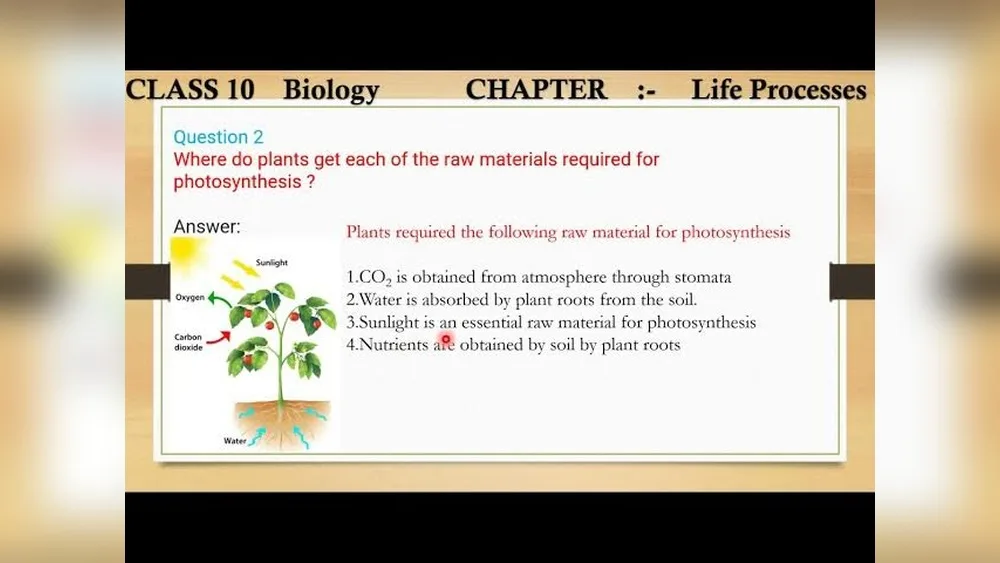
Photosynthesis is the process by which plants, algae, and some bacteria convert light energy into chemical energy, producing glucose and oxygen from simpler substances. The fundamental raw materials required include carbon dioxide (CO₂), water (H₂O), sunlight, and mineral nutrients.
Carbon Dioxide: The Gaseous Ingredient
Carbon dioxide is a colorless, odorless gas found in Earth’s atmosphere at roughly 0.04% concentration. Plants absorb CO₂ primarily through small pores on their leaves called stomata. This gas is a critical carbon source, forming the backbone of glucose and other organic compounds during photosynthesis.
- Source: Atmosphere
- Uptake Mechanism: Diffusion through stomata
Environmental Influence
The concentration of atmospheric CO₂ can vary due to natural cycles and human activities. For example, urban areas and industrial regions may have slightly higher CO₂ levels, which can stimulate faster plant growth —a phenomenon known as the CO₂ fertilization effect. However, excessive CO₂ also contributes to climate change, impacting plant health and distribution. In addition, local CO₂ concentrations can fluctuate daily and seasonally, with higher levels observed at night due to respiration and lower levels during the day when photosynthetic activity is at its peak.
Plants have evolved mechanisms to optimize CO₂ uptake. For instance, some species can adjust the number and opening size of stomata in response to CO₂ availability and humidity, balancing the need for carbon intake with the risk of water loss.
Water: The Essential Solvent
Water serves multiple roles in photosynthesis. It provides hydrogen atoms for glucose synthesis, acts as a solvent for mineral nutrients, and is involved in the release of oxygen as a byproduct. Plants absorb water through their root systems from the soil, which is then transported upward via specialized tissues called xylem.
- Source: Soil moisture, groundwater
- Uptake Mechanism: Osmosis through root hairs
Case Study: Drought Stress In Agriculture
Regions like California’s Central Valley frequently face drought, dramatically affecting crop yields. When soil water is scarce, plants close their stomata to conserve water, but this also limits CO₂ uptake and slows photosynthesis, leading to lower productivity and economic losses.
Drought stress can also induce the production of stress hormones such as abscisic acid, triggering physiological changes that further restrict photosynthetic capacity. In addition, extended periods of water scarcity can damage root systems, reduce nutrient uptake, and increase plant susceptibility to pests and diseases.
Sunlight: The Energy Driver
Sunlight is the energy source that powers photosynthesis. Chlorophyll, the green pigment in leaves, absorbs light—primarily in the blue and red wavelengths—and converts it into chemical energy.
- Source: The sun
- Uptake Mechanism: Absorption by chlorophyll in leaf cells
Light Intensity And Plant Growth
The amount and quality of light directly influence photosynthetic rates. For example, crops grown in greenhouses equipped with supplemental LED lighting systems can achieve higher yields by optimizing both light intensity and spectral quality. Certain plants have adapted to thrive under low-light or shaded conditions, such as those found in forest understories, by developing larger leaves with higher chlorophyll content to maximize light capture.
Conversely, sun-loving plants like corn have leaf structures and pigment compositions optimized for intense light exposure, enabling them to sustain high rates of photosynthesis during long summer days.
Mineral Nutrients: The Unsung Heroes
While not directly used in the photosynthetic equation, minerals such as nitrogen, magnesium, phosphorus, and potassium are crucial for building chlorophyll, enzymes, and cellular structures necessary for efficient photosynthesis.
- Source: Soil minerals, organic matter, fertilizers
- Uptake Mechanism: Active transport through root cells
Example: Magnesium And Chlorophyll
Magnesium is the central atom in the chlorophyll molecule. Soils deficient in magnesium produce yellowing leaves (chlorosis) and reduced photosynthetic capacity, often necessitating the application of mineral fertilizers in commercial agriculture. Other nutrients, such as iron and manganese, are vital for electron transport chains and enzymatic reactions within chloroplasts.
In addition to the macronutrients, trace elements like zinc, copper, and boron play supporting roles in maintaining cellular health and photosynthetic efficiency.
Summary Table: Photosynthetic Raw Materials
| Raw Material | Source | Uptake Structure | Main Role in Photosynthesis |
|---|---|---|---|
| Carbon Dioxide (CO₂) | Atmosphere | Stomata in leaves | Carbon backbone for glucose |
| Water (H₂O) | Soil/Groundwater | Roots and xylem | Hydrogen source, oxygen byproduct |
| Sunlight | Solar radiation | Chloroplasts in leaves | Energy for chemical reactions |
| Mineral Nutrients | Soil/Fertilizers | Root hairs | Chlorophyll, enzymes |
How Plants Acquire Raw Materials
Plants are remarkably efficient at sourcing and utilizing the raw materials they need for photosynthesis. Each component—roots, stems, leaves—plays a specialized role in acquisition and transport.
Root Systems: Water And Mineral Hunters
Roots anchor plants and act as the primary interface for absorbing water and minerals. The root surface is lined with microscopic root hairs, increasing surface area and enhancing absorption.
- Active Transport: Roots use energy to absorb minerals against concentration gradients.
- Symbiotic Relationships: Many plants partner with mycorrhizal fungi, which extend the root system and improve uptake of phosphorus and other nutrients.
Roots also excrete organic acids and other compounds into the soil to mobilize nutrients, making them more accessible for uptake. For example, legumes secrete compounds that attract nitrogen-fixing bacteria, which convert atmospheric nitrogen into forms usable by the plant.
Example: Rice And Mycorrhizae
In paddy fields, rice plants form associations with arbuscular mycorrhizal fungi, boosting phosphorus uptake and improving resilience to nutrient-poor soils. This symbiosis is critical for sustaining high yields in global rice production. Recent studies have shown that mycorrhizal associations can also improve plant tolerance to environmental stresses, such as drought and heavy metal contamination, by enhancing overall root function and soil health.
Leaves: The Gas Exchange Hubs
Leaves are specialized for gas exchange. Their broad, flat surfaces maximize sunlight absorption, while stomata regulate the intake of CO₂ and release of O₂.
- Stomatal Regulation: Guard cells open and close stomata in response to environmental cues, balancing water loss with CO₂ acquisition.
- Internal Transport: Once inside, CO₂ diffuses through leaf tissues to reach chloroplasts.
Leaves are often covered with a waxy cuticle that minimizes water loss while allowing light penetration. Some plants, such as succulents, have specialized structures called hydathodes for expelling excess water, further fine-tuning their water management strategies.
Case Study: C4 Plants And Efficient Co₂ Use
C4 plants like maize and sugarcane have evolved specialized leaf anatomy that concentrates CO₂ near the photosynthetic machinery, minimizing losses and allowing for efficient photosynthesis even under hot, dry conditions. This adaptation is particularly valuable in tropical and subtropical regions, where intense sunlight and high temperatures can otherwise reduce photosynthetic efficiency through increased photorespiration.
Stem: The Conduit
The stem contains vascular tissues—xylem and phloem—that transport water, minerals, and sugars between roots and leaves.
- Xylem: Moves water and dissolved minerals from roots upward.
- Phloem: Distributes sugars and metabolic products throughout the plant.
Stems also provide structural support, elevate leaves for optimal sunlight exposure, and in some species, store water and nutrients. In woody plants, the arrangement of vascular tissues in annual growth rings allows for the study of historical climate conditions and resource availability.
Sunlight Capture: Leaf Orientation And Structure
Plants adapt their leaf orientation and shape to optimize sunlight capture.
- Solar Tracking: Some plants, like sunflowers, adjust leaf position to follow the sun.
- Leaf Arrangement: Canopies are structured to minimize shading and maximize photosynthetic efficiency.
In dense forests, plants may develop shade leaves—larger, thinner leaves with more chlorophyll—to capture the limited sunlight that penetrates the canopy. Conversely, sun leaves are smaller, thicker, and better equipped to handle intense light and heat.
Table: Adaptations For Raw Material Acquisition
| Plant Part | Adaptation | Benefit |
|---|---|---|
| Roots | Root hairs, mycorrhizae | Enhanced water/mineral uptake |
| Leaves | Stomata, broad surface | Efficient gas exchange, sunlight capture |
| Stem | Vascular bundles | Transport of water/nutrients |
| Chloroplasts | High pigment density | Maximized light absorption |

Environmental Factors Affecting Raw Material Availability
Plants operate within dynamic environments where the availability and quality of raw materials can fluctuate dramatically.
Light Intensity And Duration
- Day Length: Equatorial regions offer more consistent sunlight, supporting year-round photosynthesis. In contrast, temperate zones experience seasonal changes impacting plant growth cycles.
- Light Pollution: Artificial lights can disrupt plant circadian rhythms, affecting photosynthetic efficiency.
Light quality, including the color or wavelength of light, also matters. Blue and red wavelengths are most effective for photosynthesis, while green light is largely reflected, giving plants their green color. Urban environments with high levels of artificial light can affect plant flowering times, disrupt normal growth patterns, and influence the timing of leaf drop in deciduous species.
Example: Greenhouse Crop Production
Modern greenhouses use supplemental lighting to extend daylight hours, increase yields, and allow off-season production. According to the U.S. Department of Energy, LED lighting can reduce energy costs by up to 40% compared to traditional systems, while optimizing light quality for photosynthesis. Advanced greenhouses can fine-tune the spectrum and intensity of light to match the specific needs of crops at different growth stages, further enhancing resource use efficiency.
Water Availability And Quality
- Drought: Extended dry periods lead to water scarcity, forcing plants to close stomata and reduce CO₂ uptake.
- Irrigation: In arid regions, irrigation is essential for maintaining crop yields. Over-irrigation, however, can cause waterlogging and root oxygen deprivation.
Water quality matters as well—saline or polluted water can damage roots and interfere with nutrient uptake. Salinity is a growing concern in irrigated agriculture, as it can lead to soil degradation and reduced crop yields.
Case Study: Israel’s Drip Irrigation
Israel pioneered drip irrigation, delivering water directly to plant roots. This method uses up to 60% less water than conventional irrigation, making it a model for water-stressed regions worldwide (Wikipedia). Drip irrigation also reduces the risk of disease and weed growth, as water is targeted precisely where needed.
Atmospheric Co₂ Levels
- Elevated CO₂: Higher concentrations can enhance photosynthesis in some crops, but may not always translate to increased nutritional quality.
- Air Pollution: Pollutants like ozone can damage stomata and reduce CO₂ uptake, harming plant health.
Elevated CO₂ can lead to faster growth and larger yields, but studies have shown that the protein and micronutrient content of staple crops may decline under these conditions, posing potential challenges for human nutrition.
Soil Fertility And Mineral Content
- Soil Type: Sandy soils drain quickly, often requiring more frequent watering and fertilization. Clay soils retain water but may hinder root growth.
- Fertilizer Use: Proper application of mineral fertilizers replenishes nutrients, but overuse can lead to runoff and environmental damage.
Soil health is influenced by organic matter content, microbial activity, and pH. Practices such as composting, reduced tillage, and cover cropping help maintain or enhance soil fertility over time.
Example: Precision Agriculture
Precision agriculture employs sensors and GPS-guided equipment to optimize fertilizer and water application, reducing waste and maximizing photosynthetic raw material availability (USDA). This technology enables farmers to monitor soil conditions in real time and make data-driven decisions that improve efficiency and sustainability.

How Different Plant Types Acquire Raw Materials
Not all plants acquire raw materials in the same way. Adaptations in roots, leaves, and metabolic pathways allow plants to thrive in diverse environments.
Aquatic Vs. Terrestrial Plants
- Aquatic Plants: Absorb CO₂ and minerals directly from water via leaves and stems. Their roots, if present, mainly anchor rather than absorb nutrients.
- Terrestrial Plants: Rely on well-developed root systems to extract water and minerals from soil.
Aquatic environments present unique challenges, such as low oxygen availability for roots and fluctuating nutrient concentrations. Some aquatic plants possess aerenchyma—specialized tissues with air spaces that facilitate gas exchange under water.
Example: Water Lilies
Water lilies have stomata on the upper leaf surface for gas exchange with air, while submerged leaves absorb dissolved CO₂ and minerals from water. Some species can even adjust the position and structure of their leaves to cope with varying water levels and light conditions.
C3, C4, And Cam Plants
Plants have evolved different photosynthetic pathways to optimize raw material use:
- C3 Plants: Most common, use direct CO₂ fixation. Efficient under cool, moist conditions.
- C4 Plants: Concentrate CO₂ in specialized cells, minimizing photorespiration and thriving in hot, sunny environments.
- CAM Plants: Open stomata at night to conserve water, common in arid regions.
The diversity of photosynthetic pathways reflects evolutionary responses to environmental pressures. C4 and CAM plants are particularly important in regions with high temperatures, intense sunlight, or limited water availability.
| Plant Type | Main Adaptation | Typical Environment | Examples |
|---|---|---|---|
| C3 | Direct CO₂ fixation | Cool, moist | Wheat, rice |
| C4 | CO₂ concentration mechanism | Hot, sunny | Maize, sugarcane |
| CAM | Nighttime CO₂ uptake | Arid, desert | Cactus, pineapple |
Parasitic And Carnivorous Plants
- Parasitic Plants: Obtain water and nutrients by attaching to host plants. Examples include mistletoe and dodder.
- Carnivorous Plants: Capture and digest insects to supplement mineral intake, especially in nutrient-poor soils.
These adaptations highlight the incredible flexibility of plants in acquiring essential raw materials, even in challenging environments.
Example: Venus Flytrap
The Venus flytrap thrives in nitrogen-deficient bogs by trapping insects and absorbing their nutrients, supplementing what is available in the soil (Encyclopaedia Britannica). The plant’s rapid leaf movement and digestive enzymes enable it to access nutrients that most other plants cannot.
Human Impact On Photosynthetic Raw Materials
Human activity has profoundly altered the availability and balance of photosynthetic raw materials, with far-reaching consequences for ecosystems and agriculture.
Deforestation And Land Use Change
Clearing forests for agriculture or urban development reduces the area available for photosynthesis, impacting carbon cycles and local climates. According to the FAO, the world lost 4.7 million hectares of forests annually between 2015 and 2020. Fragmentation of forests also disrupts local water cycles and reduces biodiversity, which can impact ecosystem resilience and productivity.
Air And Water Pollution
- Acid Rain: Sulfur and nitrogen emissions can acidify soils, leaching essential minerals and impairing root function.
- Heavy Metals: Industrial runoff can contaminate soil and water, inhibiting nutrient uptake and damaging plant tissues.
Airborne pollutants, such as ground-level ozone, have been shown to reduce crop yields by damaging leaf tissues and inhibiting photosynthesis. In aquatic environments, nutrient pollution from fertilizers can cause algal blooms, depleting oxygen and harming aquatic plants.
Climate Change
- Rising Temperatures: Can increase evaporation, leading to more frequent droughts and reduced water availability.
- CO₂ Fertilization vs. Extreme Events: While elevated CO₂ may boost photosynthesis, climate instability (droughts, floods) often negates these gains.
Changing precipitation patterns can result in both floods and droughts, each presenting unique challenges for plant growth. Increased frequency and severity of storms can lead to soil erosion, further reducing the availability of essential raw materials.
Example: Amazon Rainforest “tipping Point”
Research suggests that ongoing deforestation and climate change could push the Amazon toward a “tipping point,” where reduced rainfall and increased temperatures would dramatically lower photosynthetic capacity and threaten biodiversity (Nature). The loss of this critical carbon sink would have global implications for climate regulation.
Fertilizer Use And Soil Degradation
Modern agriculture relies heavily on synthetic fertilizers to replenish soil minerals. However, excessive use leads to eutrophication of water bodies, loss of soil fertility, and greenhouse gas emissions.
- Sustainable Practices: Crop rotation, cover cropping, and organic amendments help maintain balanced mineral availability and healthy soils.
Adopting integrated nutrient management and reducing dependency on chemical inputs are essential for long-term agricultural productivity and environmental protection. Building healthy soils through regenerative practices can enhance the ability of plants to access raw materials naturally.
Enhancing Raw Material Acquisition: Innovations And Future Directions
With global food demand rising and environmental pressures mounting, enhancing plants’ ability to acquire raw materials for photosynthesis is a key challenge.
Breeding And Genetic Engineering
- Drought-Resistant Varieties: Scientists are developing crop varieties with deeper roots, waxier leaves, or improved stomatal control to thrive in water-limited environments.
- Nitrogen-Use Efficiency: Genetic modifications can help plants assimilate nitrogen more efficiently, reducing fertilizer needs (NCBI).
Selective breeding and gene editing tools, such as CRISPR, are accelerating the development of crops tailored for specific environments and resource constraints. For example, the introduction of genes from drought-tolerant wild relatives into domesticated crops is helping to enhance resilience in the face of climate change.
Soil And Water Management
- Precision Irrigation: Technologies like soil moisture sensors and automated drip systems deliver water precisely where and when it’s needed, minimizing waste.
- Biofertilizers: Harnessing beneficial microbes to enhance mineral uptake and soil health.
Conservation tillage, mulching, and organic farming practices can further improve soil structure and water retention, supporting sustained photosynthetic activity even under challenging conditions.
Artificial Photosynthesis
Researchers are exploring artificial photosynthesis—using solar energy to convert CO₂ and water into fuels and chemicals. While still experimental, this technology could revolutionize energy production and carbon capture (U.S. Department of Energy).
Artificial systems are being designed to mimic the efficiency of natural photosynthesis, with the goal of producing clean energy and reducing atmospheric CO₂. Such innovations could complement natural plant processes and contribute to a sustainable energy future.
Urban Greening And Controlled Environments
- Vertical Farms: Stackable growing systems in urban environments optimize light, water, and nutrient delivery.
- Green Roofs: Enhance local air quality and photosynthetic capacity in cities.
Urban agriculture not only improves food security but also helps mitigate urban heat, reduce air pollution, and increase local biodiversity. Innovations such as hydroponics and aeroponics allow for efficient use of water and nutrients in controlled environments, further reducing the environmental footprint of food production.
Example: Singapore’s Supertree Grove
Singapore’s iconic Supertree Grove features vertical gardens that mimic natural plant functions—harvesting rainwater, generating solar power, and supporting biodiversity. This innovative design showcases the potential of integrating photosynthetic systems into urban infrastructure (Gardens by the Bay). These living structures serve as models for how cities worldwide can increase green space, manage resources efficiently, and enhance the quality of urban life.
Frequently Asked Questions
What Are The Four Main Raw Materials Required For Photosynthesis?
The four main raw materials are carbon dioxide (CO₂) from the atmosphere, water (H₂O) from the soil, sunlight as an energy source, and mineral nutrients (like nitrogen, magnesium, and phosphorus) from the soil. These materials are essential for the chemical reactions that produce glucose and oxygen during photosynthesis.
How Do Plants Absorb Carbon Dioxide?
Plants absorb carbon dioxide through tiny openings on the underside of their leaves called stomata. These pores open and close to regulate gas exchange, allowing CO₂ to diffuse into the leaf, where it is used in the photosynthetic process. Stomatal behavior is highly responsive to environmental cues, ensuring optimal balance between CO₂ intake and water conservation.
Why Is Water Necessary For Photosynthesis?
Water provides hydrogen atoms used to build glucose molecules and supplies electrons for the light-dependent reactions of photosynthesis. It is also the source of the oxygen released as a byproduct. Without sufficient water, photosynthesis slows down or stops, and plants may wilt or die. Water also helps transport minerals from the soil to various plant tissues, supporting overall growth and metabolic functions.
Can Plants Photosynthesize Without Mineral Nutrients?
While plants can perform basic photosynthesis without added minerals, mineral nutrients are crucial for building chlorophyll, enzymes, and cellular structures. Deficiencies in elements like magnesium (for chlorophyll) or nitrogen (for proteins) reduce photosynthetic efficiency and plant growth. Chronic nutrient shortages can lead to stunted growth, leaf discoloration, and lower crop yields.
How Does Climate Change Impact Photosynthetic Raw Materials?
Climate change affects photosynthetic raw materials by altering CO₂ levels, changing precipitation patterns (affecting water availability), increasing temperatures, and influencing soil fertility. Extreme weather events can disrupt the delicate balance required for optimal photosynthesis, impacting both natural ecosystems and agriculture. In the long term, these changes may alter the distribution of plant species and the productivity of major crops.
Plants’ ability to gather and utilize raw materials for photosynthesis is a cornerstone of life, underpinning everything from global food webs to atmospheric oxygen. As our understanding deepens and technology advances, we have new opportunities to enhance these natural processes, ensuring a more sustainable and resilient future for both people and the planet.
By investing in plant science, sustainable agriculture, and innovative technologies, humanity can safeguard the resources that drive photosynthesis—and, by extension, life itself—for generations to come.