When to Plant Grass Seed in Virginia (Seasonal Breakdown)
Planting a lush, resilient lawn in Virginia can be incredibly rewarding, but timing is everything. Whether you’re establishing a new yard, overseeding bare patches, or replacing a tired lawn, planting grass seed at the right time maximizes germination , minimizes weeds, and ensures strong root development.
Virginia’s diverse climate—from the cool mountains to the humid coast—makes timing your seeding essential for success. Homeowners and landscape professionals alike must navigate seasonal temperature swings, rainfall patterns, and the unique needs of different grass species.
Understanding when to plant grass seed in Virginia isn’t just about picking a date on the calendar. It’s about reading the weather, choosing the right grass type, and matching your approach to your region’s microclimate. This guide provides a comprehensive, data-driven breakdown of seasonal planting windows, tailored advice for Virginia’s zones, and expert tips for maximizing your lawn’s growth.
If you want a yard that turns heads and stands up to heat, drought, and foot traffic, learning the optimal planting timeline is your crucial first step.
Key Takeaways
- Early fall (mid-August to late September) is the best time for planting cool-season grasses in most of Virginia.
- Late spring (mid-April to early June) is the ideal window for warm-season grasses, particularly in southern and eastern regions.
- Understanding your USDA Hardiness Zone and local climate is essential for timing your seeding project.
- Preparing the soil and using high-quality seed dramatically improves germination and long-term lawn health.
- Over-seeding is best done in the fall to rejuvenate thin or patchy lawns.
- Monitoring soil temperature and moisture is as important as watching the calendar.

Credit: www.bloomingexpert.com
Understanding Virginia’s Climate And Grass Types
Virginia’s climate is marked by four distinct seasons, with variations between the mountains, Piedmont, and coastal plains. These regional differences play a major role in grass selection and the timing of seed planting.
Virginia’s Climate Zones
Virginia stretches from the Blue Ridge Mountains to the Atlantic Coast, encompassing USDA Hardiness Zones 6a to 8a. This means winter lows can range from -10°F in the mountains to 15°F along the coast. The terrain and elevation also play significant roles, with mountainous areas often experiencing later springs and earlier falls, which shortens the practical growing season for many grasses.
- Western Virginia (Zone 6a/6b): Colder winters, shorter growing season. This region often deals with rapid temperature shifts and occasional late frosts, which can delay planting windows. The thinner soils may also warm up more slowly in the spring, impacting when seeds can be sown.
- Central Virginia (Zone 7a/7b): Moderate winters, transitional climate. Central regions typically provide a balanced environment for both cool- and warm-season grasses, allowing for more flexibility in planting windows and grass selection.
- Eastern Virginia (Zone 7b/8a): Milder winters, longer growing season. The proximity to the Atlantic moderates temperatures, reduces frost risk, and allows for earlier and longer growing periods. However, this region also contends with higher humidity, which can increase disease pressure.
These variations affect soil warming, frost dates, and rainfall patterns—all critical to grass seed success. For example, the Piedmont region’s rolling terrain can cause microclimates where low-lying areas retain frost longer, requiring more careful site evaluation.
Cool-season Vs. Warm-season Grasses
Virginia’s lawns are typically sown with either cool-season or warm-season grasses, each with distinct growth cycles and maintenance requirements.
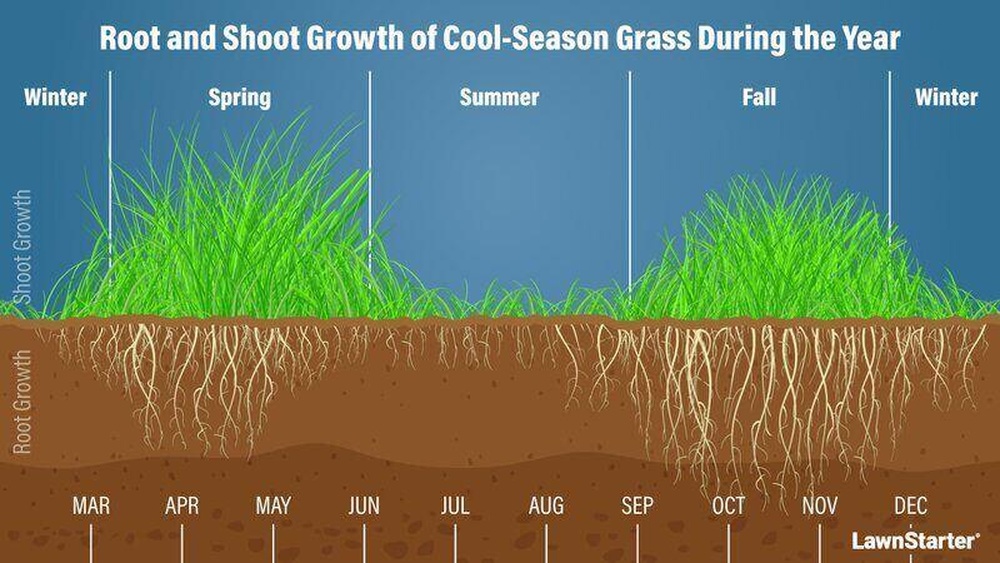
- Cool-Season Grasses: Thrive in spring and fall; ideal for most of Virginia. Their growth slows or even goes dormant in the intense summer heat, but they recover quickly with the return of cooler weather.
- Tall fescue: Highly adaptable, drought and heat tolerant, and requires less frequent mowing.
- Kentucky bluegrass: Known for its dense, carpet-like growth and cold tolerance; however, it prefers full sun and well-drained soils.
- Perennial ryegrass: Offers rapid germination, making it excellent for overseeding and quick repairs, but it may struggle with Virginia’s hot, humid summers.
- Warm-Season Grasses: Peak in summer heat; best for southern/coastal areas. They turn brown and go dormant in the cold, but excel in heat and humidity.
- Bermudagrass: Exceptionally heat- and drought-resistant, ideal for high-traffic or sun-exposed lawns, but may invade flower beds if not contained.
- Zoysiagrass: Forms a dense mat, tolerates heat and moderate shade, and resists weeds when established.
- Centipedegrass: Low-maintenance, prefers acidic soils, but is less tolerant of heavy foot traffic.
Choosing The Right Grass For Your Area
Selecting the right seed blend is crucial for success. For instance, tall fescue remains the most popular choice in Virginia due to its heat and drought tolerance. In contrast, bermudagrass is preferred in Tidewater and southern counties for its summer vigor. It’s also important to consider lawn use (e.g., play, pets, ornamental) and site conditions like shade, soil fertility, and drainage.
Blends combining two or more species (e. g. , tall fescue and Kentucky bluegrass) offer increased resilience to disease, insects, and environmental stresses. Shade-tolerant mixes can help in areas with tree cover, while sun-loving varieties thrive in open, exposed lawns.
| Region | Recommended Grass Types | Best Planting Season |
|---|---|---|
| Mountains (Zone 6) | Tall Fescue, Kentucky Bluegrass | Mid-August to September |
| Piedmont (Zone 7) | Tall Fescue, Kentucky Bluegrass, Perennial Ryegrass | Late August to Early October |
| Coastal Plain (Zone 7/8) | Bermudagrass, Zoysiagrass, Centipedegrass | April to Early June |
For more, see the Virginia Cooperative Extension Lawn Care Guide.

Credit: sunseekerelite.com
The Best Time To Plant Grass Seed In Virginia: Seasonal Breakdown
Timing your grass seeding project is critical for maximizing germination and establishing a healthy, resilient lawn. Virginia’s climate requires a nuanced approach based on grass type and geography.
Fall Seeding: The Gold Standard For Cool-season Lawns
Mid-August through late September is considered the optimal window for planting cool-season grasses throughout Virginia. Why?
- Soil temperatures are still warm (60°F-75°F), promoting rapid germination.
- Cooler air temperatures reduce seedling stress, helping young grass establish before winter.
- Weed competition is lower after summer’s peak, giving your new grass a competitive edge.
- Rainfall increases, helping seeds establish deep roots and reducing the need for supplemental irrigation.
The fall’s combination of warm soil and mild air temperatures enables roots to grow vigorously while top growth remains manageable. Cool nights and increased rainfall also create ideal conditions for seedlings to mature before winter dormancy sets in.
Research from the Virginia Tech Turfgrass Program shows lawns seeded in late summer outperform those seeded in spring by up to 40% in density and drought tolerance. Lawns established in the fall are better able to resist weed invasion, recover more quickly from stress, and require less water in their first year.
Spring Seeding: An Option With Caveats
While mid-March to late April can work for cool-season grasses, spring seeding has drawbacks:
- Weed pressure is higher (crabgrass, foxtail), making it harder for grass seedlings to establish.
- Summer heat can stress new seedlings before roots are established, leading to higher mortality rates.
- More irrigation is often required due to unpredictable spring rains and rapid soil drying.
- Pre-emergent herbicides for weed control cannot be used until new grass is well established, which can leave lawns vulnerable.
Spring seeding is best reserved for patch repairs or when fall was missed. If you must seed in spring, consider using a temporary cover crop or nurse grass to protect seedlings and suppress weeds until cool-season grasses are established.
Warm-season Grasses: Plant In Late Spring
For bermudagrass, zoysiagrass, and centipedegrass, the best planting window is mid-April through early June. Wait until:
- Soil temperatures reach 65°F-70°F at a 2-inch depth.
- Frost risk is past.
Warm-season grasses require sustained warmth for optimal germination and growth. Early planting ensures a long establishment period before the first autumn frost. Late spring seeding allows these grasses to take full advantage of the summer’s heat and light for dense coverage.
This timing gives warm-season grasses a full summer to establish before cooler weather returns. In Virginia’s coastal plain, where summers start early and last longer, the establishment window is even more flexible.
Regional Timing Adjustments
- Southwestern Virginia: Cooler nights may push fall seeding earlier (mid-August). The risk of early frost means it’s crucial not to delay seeding.
- Coastal Plain: Warmer springs allow earlier warm-season seeding (late March/early April). Coastal breezes and humidity can speed up soil warming.
- Northern Virginia: Slightly later fall seeding (early September) due to cooler climate and potential for late-summer heat spikes.
Always check the average first frost date and soil temperatures using resources like the National Weather Service. Microclimates—such as shaded yards or low-lying areas—may require further adjustments.
Case Study: A Tale Of Two Lawns
In Roanoke (Zone 7a), a homeowner seeded tall fescue in early September. The lawn reached 95% coverage by November with minimal weed intrusion, thanks to warm soils and ample fall rainfall. Conversely, in Virginia Beach (Zone 8a), a spring-seeded bermudagrass lawn struggled with patchy establishment until consistent warm weather arrived in late May, illustrating the importance of matching grass type and timing to regional conditions.
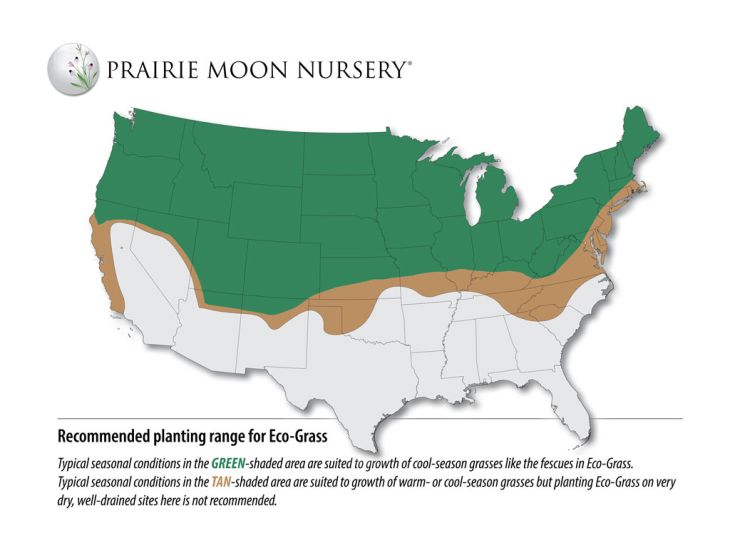
Credit: www.prairiemoon.com
Preparing Your Lawn: Soil, Site, And Seed Selection
Successful grass seed planting is about more than timing—proper soil preparation and seed choice are equally important for a thriving Virginia lawn.
Soil Testing And Amendments
Begin with a soil test (available from the Virginia Tech Soil Testing Laboratory) to identify pH and nutrient needs. Most Virginia soils benefit from:
- Lime to raise pH (ideal: 6.0-6.8 for cool-season, 5.5-6.5 for warm-season grasses). Acidic soils are common in Virginia, especially in older neighborhoods and forested areas.
- Starter fertilizer high in phosphorus to support root growth and early development. Balanced blends with nitrogen and potassium are important for ongoing health.
- Organic matter (compost) to improve soil structure and water retention. Adding compost enhances microbial activity and nutrient cycling, which benefits young grass.
Soil tests also reveal compacted areas or drainage issues, allowing you to correct problems before seeding. Amending soil before planting can boost long-term lawn performance and reduce the need for chemical inputs.
Site Preparation Steps
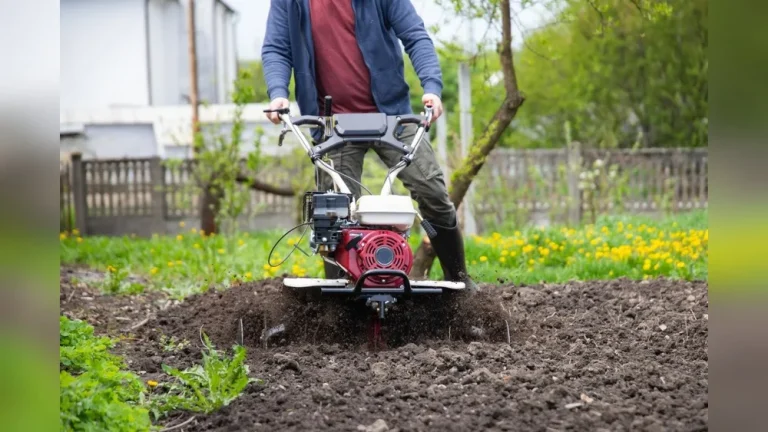
- Remove debris, weeds, and old grass with a rake or tiller. Persistent weeds should be treated a few weeks ahead with a non-selective herbicide if necessary.
- Till to a depth of 3-4 inches to loosen compacted soil and ensure roots can penetrate deeply.
- Level and grade to ensure proper drainage and prevent water pooling, which can cause seed rot.
- Incorporate amendments based on your soil test. Work lime, fertilizer, and compost uniformly into the top few inches.
Proper preparation ensures seeds land in a welcoming environment, maximizing contact with soil and minimizing competition from weeds or unwanted grass types.
Choosing High-quality Seed
Not all grass seed is created equal. For Virginia:
- Look for certified seed with high purity and germination rates. Avoid blends with high percentages of inert matter or weed seeds.
- Use blends (e.g., tall fescue + Kentucky bluegrass) for improved disease and drought tolerance. Blend selection also allows for adaptation to partial shade or heavy use areas.
- Avoid cheap “contractor’s mix” with excessive weed seed or annual ryegrass, which provides temporary color but dies out after one season.
Check the seed label for germination rate (should be above 80%) and the “sell by” date for freshness. Fresh, high-quality seed can be the difference between a patchy and a lush lawn.
Application Methods
For small areas, hand broadcasting works; for larger spaces, use a mechanical spreader for even coverage. Lightly rake the seed into the top 1/8 inch of soil and mulch with straw to retain moisture.
For slopes or erosion-prone sites, consider using a seed blanket or erosion control mat. Always roll the area lightly after seeding to ensure good seed-to-soil contact.
Real-world Example
A homeowner in Charlottesville followed these steps, resulting in a tall fescue lawn that survived a record summer drought with minimal brown patches—while a neighbor who skipped soil testing saw poor germination and persistent weeds. This underscores the value of a science-based, methodical approach to site preparation and seed selection.
Seasonal Maintenance: Watering, Mowing, And Weed Control
Timing your planting is only half the battle—seasonal maintenance ensures your new Virginia lawn thrives through all four seasons.
Watering Newly Planted Seed
- Keep soil consistently moist (not saturated) until grass is 2 inches tall. This often means watering two to three times a day during hot, dry spells.
- Water lightly 2-3 times daily for the first 2 weeks, ensuring water penetrates the top 1/2 inch of soil without causing puddling.
- Reduce frequency, increase depth as roots develop. Transition to deeper, less frequent watering to encourage deep root growth, which is critical for drought resistance.
Drought or overwatering can devastate young seedlings, especially in Virginia’s hot fall days or variable spring weather. Investing in an inexpensive sprinkler timer can help maintain consistent moisture without waste.
First Mowing And Ongoing Care
- First cut: Wait until grass is 3-4 inches tall. Mowing too early can pull out or damage young seedlings.
- Use sharp blades to avoid pulling seedlings and to ensure clean cuts that minimize disease entry points.
- Never remove more than 1/3 of blade length at a time to reduce stress and encourage dense, lateral growth.
- Collect clippings for the first few mowings to reduce the spread of weed seeds and prevent smothering young grass.
Fertilization And Weed Prevention
- Starter fertilizer at planting; nitrogen boost after 4-6 weeks. Avoid high-nitrogen feeds early, which can burn seedlings.
- Avoid “weed and feed” products on new lawns—they may harm seedlings and delay establishment.
- For spring seedings, delay pre-emergent herbicides (e.g., for crabgrass) until grass is well-established, typically 6-8 weeks after germination. Early herbicide application can prevent new grass from taking root.
Managing Pests And Disease
Young lawns are vulnerable to fungal diseases like dollar spot and brown patch—especially during humid Virginia summers. Maintain proper mowing, avoid overwatering, and consider fungicide if history of disease exists. Watch for signs such as discolored patches or fuzzy, mold-like growth, and treat promptly to prevent spread.
Insect pests (e. g. , grubs, sod webworms) are less common in new lawns but can occur, particularly if seeding was delayed into late spring or early summer.
Case Study: Overseeding For Recovery
A Richmond homeowner overseeded a patchy lawn in late September, followed by light mulching and consistent watering. By spring, the lawn was thick and resilient, with broadleaf weeds virtually eliminated—demonstrating the power of fall maintenance and proactive overseeding.
Troubleshooting Common Seeding Challenges In Virginia
Even the most carefully timed and prepared seeding can run into challenges. Here’s how to address common Virginia lawn woes.
Poor Germination
Possible causes:
- Seed planted too deep or too shallow (optimal depth is 1/8–1/4 inch).
- Soil too cold or dry, which slows or prevents germination.
- Old or poor-quality seed, which may have a low viable seed count.
Solutions:
- Ensure seed-to-soil contact; rake lightly after spreading and roll the area if possible.
- Monitor soil moisture and temperature (60°F-75°F is ideal for cool-season grasses).
- Use fresh, certified seed and check the expiration date.
If germination issues persist, re-test your soil for pH or compaction problems and address before reseeding.
Weeds Invading New Lawns
Weeds like crabgrass and chickweed can quickly overtake new lawns, especially in spring plantings.
- Use a starter fertilizer without weed control to avoid harming new seedlings.
- Apply pre-emergent herbicides only after seedlings are well established (typically 6-8 weeks after germination).
- Maintain a thick lawn to outcompete future weeds—dense grass is the best natural weed control.
For tough infestations, manual removal or spot-treatment with selective herbicides may be necessary after the first mowing.
Patchy Or Thin Growth
This can result from:
- Uneven seed distribution, leading to bare spots or clumps.
- Compacted or unamended soil, which restricts root growth.
- Insufficient light (too much shade), a common problem near trees or buildings.
Remedies:
- Spot overseed in thin areas in early fall for best results.
- Aerate compacted soils before reseeding to allow for air and water infiltration.
- Choose shade-tolerant blends for problem areas, and thin overhead branches to improve sunlight penetration.
Disease And Pest Damage
Virginia’s humidity can trigger fungal outbreaks. If you notice brown patches or rings, reduce watering, improve air flow, and consult with a turfgrass extension agent. Address insect issues promptly to prevent long-term damage.
Real-life Example: Beating Crabgrass
In Alexandria, a spring-seeded Kentucky bluegrass lawn was quickly overrun by crabgrass due to early warm weather. The homeowner switched to fall seeding the next year, leading to a dense lawn with minimal weed pressure—highlighting the importance of timing and proper maintenance practices.
Overseeding And Lawn Renovation Strategies
Many Virginia lawns benefit from periodic overseeding, especially after summer stress, drought, or pest damage.
When To Overseed
- Early fall is the best time for overseeding cool-season lawns, as soil temperatures are ideal for germination and weed competition is minimal.
- For warm-season lawns, overseed with ryegrass in late September for winter green color, as warm-season grasses go dormant and turn brown during winter months.
How To Overseed Effectively
- Mow lawn short (1-1.5 inches) and remove clippings to expose soil.
- Aerate soil to improve seed-to-soil contact and reduce compaction.
- Broadcast seed evenly and rake lightly to incorporate seeds into soil.
- Topdress with compost for improved germination, moisture retention, and nutrient supply.
- Water consistently for 2-3 weeks, avoiding dry spells that can kill seedlings.
Regular overseeding helps maintain a dense, uniform lawn that resists weeds, diseases, and drought.
Choosing The Right Overseeding Blend
- For tall fescue lawns, use a blend with at least 2-3 cultivars for diversity and resilience.
- In shady areas, add fine fescue or shade-mix seed for better adaptation.
If you’re renovating a heavily compacted or weed-infested lawn, consider combining overseeding with core aeration or slit-seeding for best results.
Renovation Case Study
A Blacksburg homeowner with a 15-year-old lawn noticed thinning and persistent moss. After a fall overseeding with tall fescue and soil aeration, the lawn rebounded dramatically—surpassing even new sodded yards in the neighborhood. This demonstrates the effectiveness of combining cultural practices with careful overseeding.
Data-driven Comparison: Seeding Times, Grass Types, And Expected Results
Below is a data-driven table comparing planting windows, germination times, and expected lawn establishment for Virginia’s most common grasses. Use this information to plan your seeding and anticipate maintenance requirements.
| Grass Type | Optimal Planting Window | Germination Time | First Mowing | Full Establishment |
|---|---|---|---|---|
| Tall Fescue | Aug 15 – Sep 30 | 7-14 days | 21-28 days | 60-90 days |
| Kentucky Bluegrass | Aug 20 – Oct 10 | 14-21 days | 28-35 days | 90-120 days |
| Perennial Ryegrass | Aug 15 – Oct 1 | 5-10 days | 14-21 days | 45-60 days |
| Bermudagrass | Apr 15 – Jun 1 | 10-30 days | 35-42 days | 90-120 days |
| Zoysiagrass | May 1 – Jun 15 | 14-21 days | 35-49 days | 120-180 days |
| Centipedegrass | Apr 20 – Jun 15 | 14-28 days | 35-49 days | 120-150 days |
For more detailed turf management data, visit the Turfgrass Information Center.
Cost, Labor, And Roi: Comparing Seeding To Sodding In Virginia
Homeowners often wonder whether seeding or sodding is the better investment. Below is a comparison based on Virginia conditions.
| Method | Cost per 1,000 sq. ft. | Labor Required | Establishment Time | Long-Term Results |
|---|---|---|---|---|
| Seeding | $50-$150 | Medium (site prep, watering, mowing) | 2-4 months | Deep roots, adapts to soil |
| Sodding | $400-$700 | High (installation, initial watering) | 2-4 weeks | Instant results, shallow roots initially |
Seeding offers the best value for most Virginia homeowners, provided you plant at the right time and follow best practices. Sodding provides instant coverage but at a higher cost and requires careful watering to ensure roots knit into native soil. For more, see the NC State TurfFiles.
Expert Tips For A Perfect Virginia Lawn
Monitor Soil Temperature
Use an inexpensive soil thermometer to check for optimal planting temperatures. For cool-season grasses, aim for 60°F-75°F; for warm-season, 65°F-70°F. This is more reliable than relying solely on air temperature or calendar dates.
Mulch New Seedings
Apply a thin layer of wheat straw (one bale per 1,000 sq. ft.) to retain moisture and prevent erosion, but avoid heavy mulching that can smother seedlings. Straw also protects seeds from birds and reduces the impact of heavy rain.
Use Starter Fertilizer Wisely
Choose a phosphorus-rich fertilizer (unless your soil test says otherwise) for rapid root development. Avoid over-fertilizing, which can burn young grass and contribute to nutrient runoff. Follow label directions and local regulations regarding phosphorus use.
Water Smart
Water early in the morning to minimize evaporation and fungal risk. Adjust frequency based on rainfall—overwatering leads to shallow roots and increases disease risk. If possible, use drip irrigation or soaker hoses for more efficient water use.
Mow Tall For Health
Set your mower at the higher end of recommended heights (3-4 inches for cool-season, 1-2 inches for bermudagrass) to shade soil, conserve moisture, and outcompete weeds. Taller grass develops deeper roots and is less susceptible to drought and heat stress.
Real-world Example: Achieving A Showpiece Lawn
In Fairfax, a landscape contractor used these strategies to establish a 10,000 sq. Ft. tall fescue lawn in September. By spring, the property had won a neighborhood “best yard” award and required minimal weed control, thanks to proper timing and care.
Frequently Asked Questions
When Is The Absolute Best Time To Plant Grass Seed In Virginia?
The optimal time is mid-August through late September for cool-season grasses such as tall fescue and Kentucky bluegrass. Warm-season grasses like bermudagrass should be planted from mid-April through early June when soil temperatures are reliably above 65°F. Always adjust based on your local frost dates and soil temperature for the best results.
Can I Plant Grass Seed In The Spring In Virginia?
Yes, you can, but spring seeding has more risks—especially higher weed pressure and summer heat stress. If you must seed in spring (March-April), be prepared for more intensive watering and weed management. Fall planting remains the gold standard for most Virginia lawns.
What Is The Fastest-growing Grass Seed For Virginia Lawns?
Perennial ryegrass germinates in as little as 5-10 days and is often included in blends for quick cover. However, for the best long-term results, tall fescue is generally recommended due to its durability and heat tolerance.
How Can I Tell When My Soil Is Ready For Planting Grass Seed?
Check your soil temperature with a thermometer: 60°F-75°F for cool-season grasses, 65°F-70°F for warm-season. The soil should be moist, not soggy, and easy to crumble. Avoid planting if the soil is frozen, waterlogged, or powder-dry.
Is Overseeding Necessary Every Year In Virginia?
Annual overseeding isn’t required, but it’s highly beneficial for lawns suffering from thinning, disease, or heavy foot traffic—especially after harsh summers. Most healthy, well-maintained lawns need overseeding every 2-3 years to stay thick and weed-free.
Additional Resources
For more information and region-specific guidance, consult these expert sources:
- Virginia Cooperative Extension
- NC State Turfgrass Program
- Gardening Know How: Virginia Lawn Grasses
- National Weather Service
- Virginia Tech Soil Testing Laboratory
- Turfgrass Information Center
Creating a vibrant, sustainable lawn in Virginia is all about timing, preparation, and diligent maintenance. By understanding your region, choosing the right grass, and following science-backed planting windows, you’ll enjoy a thick, green yard that’s the envy of your neighborhood for years to come.