Which Part Of The Plant Makes Seeds
The marvel of plant reproduction is all around us, from the towering oaks shedding acorns in autumn to the bright sunflowers brimming with seeds. But which part of the plant is actually responsible for making seeds? While most people know that seeds are essential for the survival and propagation of plants, few understand the intricate biological processes and specialized structures involved in seed production.
This article will explore, in depth, which part of the plant makes seeds, why this process is so critical to ecosystems and agriculture, and how it varies across different plant types.
Understanding seed formation isn’t just botanical trivia, it’s a foundational concept that impacts food security, biodiversity, and even human health. By grasping where and how seeds are made, gardeners, farmers, students, and curious minds can better appreciate the complex life cycles of plants and their irreplaceable role in sustaining life on Earth.
This comprehensive guide will walk you through every step, using real-world examples, data-driven tables, and actionable insights to ensure clarity and authority on the subject.
Key Takeaways
- Seeds are produced in the reproductive parts of plants, primarily within flowers (in angiosperms) and cones (in gymnosperms).
- The ovary of the flower develops into seeds after fertilization, making it the key structure for seed formation in flowering plants.
- Male and female reproductive organs work together in pollination and fertilization, leading to seed development.
- Seed production varies between plant groups, with gymnosperms and angiosperms having distinct mechanisms.
- Understanding seed development is vital for agriculture, conservation, and plant breeding.
- Real-world examples, data tables, and FAQs provided below clarify and extend these concepts.
Credit: www.slideshare.net
The Anatomy Of Seed Production
The Role Of Flowers In Angiosperms
In angiosperms (flowering plants), the process of seed production centers around the flower. Each flower contains both male and female reproductive structures, often within the same bloom, but sometimes on separate flowers or even separate plants.
- Stamen (Male Organ): Produces pollen, which carries sperm cells.
- Carpel/Pistil (Female Organ): Contains the ovary, style, and stigma.
The ovary is the specific part of the flower where seeds originate. After pollination (the transfer of pollen to the stigma), fertilization occurs within the ovary. The fertilized ovules inside the ovary develop into seeds.
Example: In a tomato plant, the yellow flowers contain ovaries that will become the fleshy fruit, with each seed inside originating from an individual ovule.
Cones And Seed Production In Gymnosperms
Unlike angiosperms, gymnosperms (such as pines, spruces, and firs) do not have flowers. Instead, they produce seeds in cones.
- Female cones contain ovules on their scales.
- Male cones release pollen, which is carried by wind to fertilize the ovules.
Once fertilized, the ovules on the female cone’s scales mature into seeds, which are later released for dispersal.
Example: In pine trees, the large woody cones you see contain seeds nestled between their scales.
Specialized Seed Structures In Other Plant Types
While most seed plants fall into the angiosperm or gymnosperm categories, some groups display unique adaptations. For instance, some aquatic plants have highly modified flowers or reproductive organs to suit their environments.
Pro Tip: Understanding the anatomy of plant reproductive parts is essential for successful pollination and seed collection in gardening and agriculture.
Comparison Table: Angiosperms Vs. Gymnosperms Seed Formation
| Feature | Angiosperms (Flowering Plants) | Gymnosperms (Conifers, etc.) |
|---|---|---|
| Main Reproductive Structure | Flower (Ovary) | Cone |
| Location of Ovules | Inside ovary (enclosed) | On cone scales (exposed) |
| Pollination Method | Insects, wind, animals | Mainly wind |
| Seed Protection | Enclosed within fruit | Often naked (not within fruit) |
| Examples | Apple, sunflower, wheat | Pine, spruce, fir |
The Flower: Center Of Seed Creation
Structure And Function Of Floral Organs
The flower is the most recognizable and essential structure for seed production in angiosperms. Its organs are highly specialized for sexual reproduction.
- Petals: Attract pollinators.
- Sepals: Protect the developing bud.
- Stamens: Produce and release pollen.
- Pistil/Carpel: Contains the ovary, style, and stigma.
The ovary at the base of the pistil is where ovules reside. After pollination, pollen travels down the style, fertilizing an ovule, which then becomes a seed.
From Ovule To Seed: A Step-by-step Process
- Pollination: Pollen lands on the stigma.
- Fertilization: Pollen tube grows, sperm fertilizes the ovule.
- Seed Development: Fertilized ovule matures into a seed.
- Fruit Formation: Ovary tissue develops into fruit, housing the seeds.
Example: In apples, the white blossoms contain ovaries that mature into the apple fruit, each containing several seeds.
Case Study: Wheat Seed Production
Wheat is one of the most important crops globally. Its flowers are small and inconspicuous, yet crucial to seed formation.
- Each wheat spikelet contains several florets.
- Fertilized florets develop into grains (seeds).
- Each grain is harvested, milled, and used for food.
According to the Food and Agriculture Organization (FAO), over 760 million tons of wheat are produced annually, all originating from tiny ovules inside flowers.
How Seedless Fruits Differ
Some fruits, like bananas and seedless watermelons, are produced through selective breeding or genetic modification. These plants may still have flowers and ovaries but do not develop mature seeds due to interrupted fertilization.
Warning: Seedless fruit varieties often require human intervention for propagation, as they cannot reproduce naturally via seeds.
Male And Female Reproductive Organs: Teamwork In Seed Formation
The Male Reproductive Organ: Stamen
The stamen consists of the anther and filament. The anther produces pollen grains, each containing male gametes (sperm cells). In most flowering plants, numerous stamens surround the central pistil.
- Anther: Pollen production.
- Filament: Supports the anther.
In wind-pollinated plants like grasses, stamens are long and exposed, maximizing pollen dispersal.
The Female Reproductive Organ: Pistil/carpel
The pistil or carpel is typically at the flower’s center and consists of three main parts:
- Stigma: Receives pollen.
- Style: Pollen tube grows through it.
- Ovary: Contains ovules (future seeds).
The pistil is the ultimate destination for pollen, leading to fertilization and seed formation.
Pollination Mechanisms
Different plants employ a range of pollination strategies:
- Self-pollination: Pollen from the same plant fertilizes its ovules.
- Cross-pollination: Pollen from one plant fertilizes another, increasing genetic diversity.
Common pollinators include bees, butterflies, birds, and wind.
Table: Pollination Methods And Seed Yield
| Pollination Method | Example Plant | Seed Yield Impact |
|---|---|---|
| Insect pollination | Apple | High, due to effective pollen transfer |
| Wind pollination | Maize (corn) | Moderate to high, but less targeted |
| Self-pollination | Pea | Consistent, but less genetic diversity |
Real-world Example: Sunflower Seed Formation
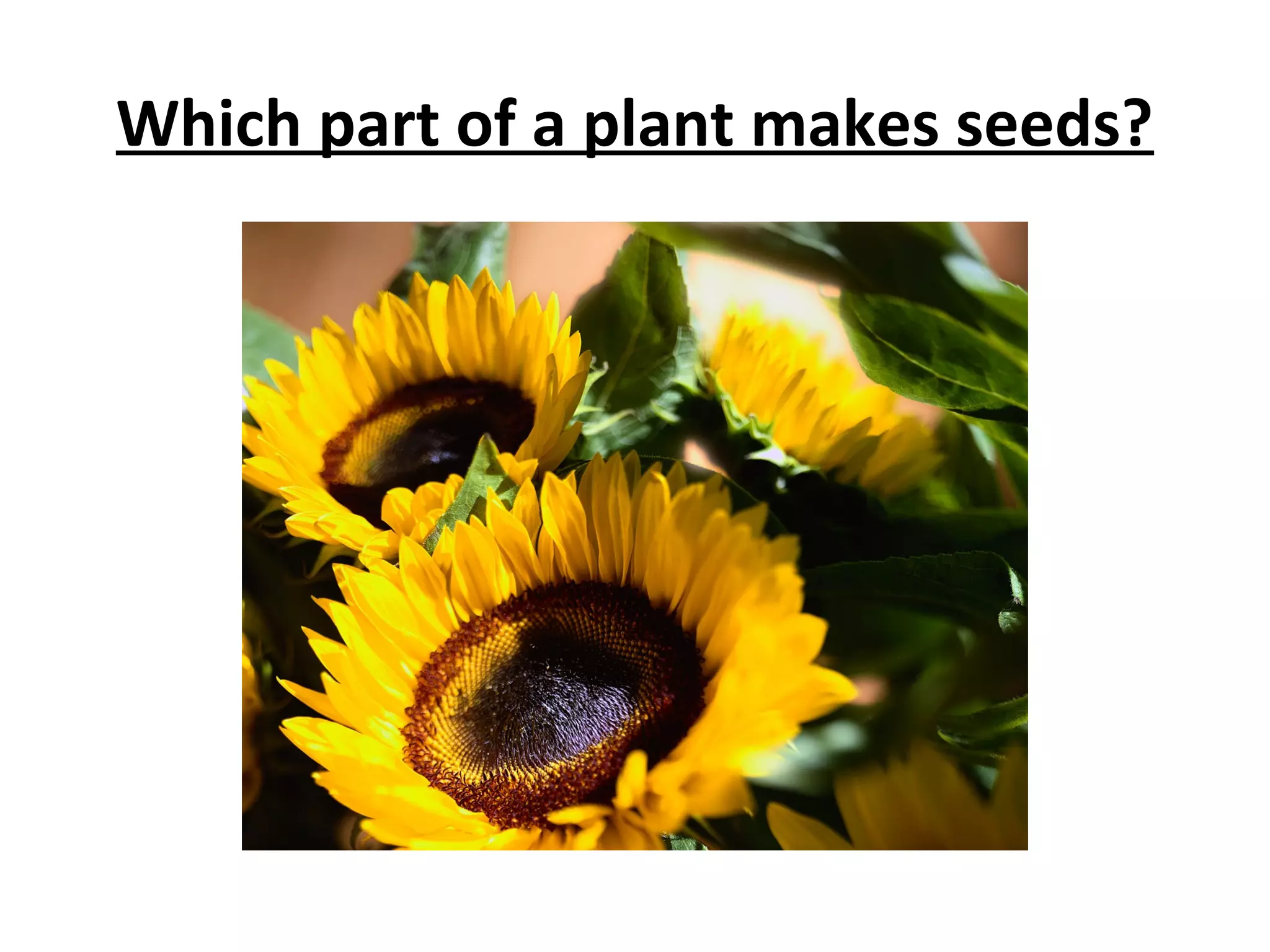
Sunflowers are grown for their oil-rich seeds. Each sunflower head contains hundreds of small flowers, each with its own ovary. After pollination by bees, each floret’s ovary matures into a seed.
Example: A single sunflower can produce over 1,000 seeds, all originating from individual ovaries in the flower head.

Credit: www.growjoy.com
Seed Development: From Fertilization To Maturity
Steps In Seed Formation
Once an ovule is fertilized, it undergoes several changes:
- Zygote Formation: Sperm and egg cell unite.
- Embryo Development: Zygote grows into an embryo.
- Seed Coat Formation: Protective outer layer develops.
- Nutrient Storage: Endosperm or cotyledons store food for the embryo.
The mature seed contains all the essentials for a new plant.
Types Of Seeds
Seeds can be categorized based on the number of seed leaves (cotyledons):
- Monocots: One cotyledon (e.g., corn, wheat).
- Dicots: Two cotyledons (e.g., beans, peas).
Seed Dormancy And Germination
Not all seeds germinate immediately. Many enter a period of dormancy, waiting for optimal conditions. Factors influencing dormancy include temperature, moisture, and light.
Example: Apple seeds often require a cold period before they can germinate, a process known as stratification.
Table: Types Of Seed Dormancy
| Dormancy Type | Trigger to Break Dormancy | Example Plants |
|---|---|---|
| Physical Dormancy | Scarification (breaking seed coat) | Lotus, Mimosa |
| Physiological Dormancy | Cold stratification | Apple, Cherry |
| Morphological Dormancy | Embryo development post-dispersal | Celery, Ginseng |
How Seed Formation Supports Plant Survival
Seeds are adapted for survival and dispersal. Their tough coats protect the embryo, and structures like wings or fleshy fruits help them travel away from the parent plant, reducing competition and spreading the species.
Pro Tip: If collecting seeds for gardening, allow them to fully mature on the plant to ensure maximum viability.
Variations In Seed-making Structures Among Plants
Unique Adaptations In Seed Plants
While the ovary is the main seed-making organ in most plants, there are fascinating adaptations:
- Multiple Ovaries: Some flowers, like raspberries, have many ovaries in a single flower, producing aggregate fruits.
- Single Ovary: Cherries have one ovule per ovary, resulting in a single seed (the pit).
- Non-flowering Seed Plants: Ferns and mosses reproduce via spores, not seeds, and thus lack ovaries.
Example: Coconut Seed Formation
The coconut is one of the largest seeds in the plant kingdom. The coconut “nut” is actually the seed, with the edible white part being the endosperm. This seed forms inside the ovary of the coconut flower.
Double Fertilization In Angiosperms
Flowering plants exhibit a unique process called double fertilization:
- One sperm fertilizes the egg, forming the embryo.
- Another sperm fertilizes two other nuclei, creating endosperm, the seed’s food supply.
This adaptation gives angiosperms a reproductive advantage.
Example: In lilies, double fertilization results in nutrient-rich seeds, improving germination success.
Non-seed Reproduction: A Brief Contrast
While this article focuses on seed-producing plants, it’s important to note that some plants (like ferns, mosses, and liverworts) use spores instead of seeds for reproduction. Spores are produced in specialized structures (sporangia), not ovaries or cones.
Warning: Don’t confuse spore-producing plants with seed plants, only the latter form seeds in ovaries or cones.
The Evolutionary Advantage Of Seed Production
Seeds Vs. Spores: Why Seeds Prevail
Seeds offer several evolutionary benefits over spores:
- Protection: The seed coat shields the embryo from harsh conditions.
- Nutrient Supply: Endosperm or cotyledons provide food for early growth.
- Dormancy: Seeds can wait for years until conditions are right for germination.
- Dispersal Mechanisms: Seeds can be spread by wind, water, or animals.
Real-world Example: Acorns And Oak Trees
Oak trees produce acorns, each containing a single seed. The tough shell protects the embryo, and the acorn’s size allows for substantial nutrient storage, giving the seedling a head start.
Seed Dispersal Strategies
Plants have evolved remarkable ways to spread their seeds:
- Wind: Dandelion seeds float on the breeze.
- Water: Coconut seeds float across oceans.
- Animals: Berries attract birds, which spread seeds in droppings.
Table: Seed Dispersal Methods
| Dispersal Method | Description | Example Plant |
|---|---|---|
| Wind | Seeds with wings or fluff | Maple, Dandelion |
| Water | Buoyant seeds | Coconut, Lotus |
| Animal | Fleshy fruits or sticky coatings | Blackberry, Burdock |
How Seed Production Shapes Ecosystems
Seed-producing plants dominate most terrestrial ecosystems. Their reproductive success enables forests, grasslands, and crops to thrive, supporting countless animal species.
Pro Tip: Encourage native seed-producing plants in your garden to support local wildlife and biodiversity.
Seed Production In Agriculture And Horticulture
Importance Of Seed Quality
High-quality seeds are essential for successful agriculture. Farmers and horticulturists rely on seeds with high germination rates, disease resistance, and desired traits.
- Seed testing labs evaluate seeds for purity, viability, and vigor.
- Hybrid seeds are bred for higher yields and uniformity.
Seed Propagation Techniques
In my experience, starting plants from seed allows for greater control over variety selection and timing. Common propagation methods include:
- Direct sowing: Planting seeds directly in the field.
- Transplanting: Starting seeds indoors, then moving seedlings outside.
Seed Banks And Conservation
To preserve plant diversity, organizations like the Svalbard Global Seed Vault store seeds from around the world. These seed banks are critical for food security and the preservation of rare species.
Crop Trust: Svalbard Global Seed Vault
Case Study: Hybrid Corn Production
Hybrid corn is created by crossing two inbred lines. The parent plants are grown in separate rows, and controlled pollination ensures hybrid vigor. This process has revolutionized agriculture, boosting yields and feeding millions.
Table: Factors Affecting Seed Yield In Crops
| Factor | Impact on Seed Yield | Management Practice |
|---|---|---|
| Pollination success | High pollination = more seeds | Support pollinators, avoid pesticide overuse |
| Soil fertility | Affects seed size and viability | Balanced fertilization |
| Genetic variety | Improved yield and resilience | Use certified seeds, rotate crops |
Human Uses And Cultural Significance Of Seeds
Seeds As Food
Most staple foods, rice, wheat, corn, beans, are seeds. The nutritional value of seeds is unmatched, providing protein, carbohydrates, and essential oils.
- Wheat: Ground into flour for bread and pasta.
- Rice: Staple for over half the world’s population.
- Beans: High in protein and fiber.
Medicinal And Economic Importance
Many seeds have medicinal properties. For example, flaxseed is rich in omega-3 fatty acids, while cardamom seeds are used in traditional medicine.
- Economic value: The global seed market was valued at over $60 billion in 2026, according to Statista.
Seeds In Culture And Symbolism
Seeds symbolize new beginnings, hope, and growth in many cultures. They appear in literature, art, and religious rituals around the world.
Example: The lotus seed in Hinduism and Buddhism represents purity and spiritual rebirth.
Seed Saving And Heirloom Varieties
Gardeners often save seeds from heirloom plants to preserve unique traits and local adaptations. This practice supports biodiversity and food sovereignty.
Pro Tip: Store seeds in cool, dry conditions to maintain viability for future planting.
Frequently Asked Questions
What Is The Difference Between A Seed And A Spore?
A seed is a reproductive structure found in seed plants (angiosperms and gymnosperms) that contains an embryo, nutrient reserves, and a protective coat. Spores, on the other hand, are produced by non-seed plants like ferns and mosses. Spores are single cells without stored food or protective coats, and they require moist environments to germinate.
Can Seeds Develop Without Pollination?
Yes, certain plants can produce seeds without pollination through a process called apomixis. In this scenario, seeds develop from unfertilized ovules, resulting in offspring genetically identical to the parent plant. This occurs naturally in some grasses and dandelions and can be induced in commercial crops for consistent traits.
Why Do Some Fruits Have Many Seeds, While Others Have Only One?
The number of seeds in a fruit depends on the plant’s reproductive strategy and flower structure. Aggregate fruits (e.g., strawberries, raspberries) develop from flowers with many ovaries, resulting in multiple seeds. Simple fruits (e.g., cherries, peaches) typically have a single ovary with one ovule, leading to a single seed.
How Do Seedless Fruits Propagate If They Do Not Produce Seeds?
Seedless fruits, such as seedless grapes and bananas, are propagated vegetatively using cuttings, suckers, or tissue culture. This means new plants grow from parts of the parent plant rather than from seeds, ensuring the continuation of seedless varieties.
What Is The Largest Seed In The Plant Kingdom?
The coco de mer (Lodoicea maldivica) produces the largest known seed, weighing up to 40 pounds (about 18 kg). Native to the Seychelles, this seed is renowned for its size and unique shape, and it plays a significant ecological role in its native habitat.
The journey of seed formation is a story of evolution, adaptation, and survival. From the tiny ovule hidden within a flower to the mighty coconut drifting across the ocean, seeds are at the heart of plant life. By understanding which part of the plant makes seeds, the ovary in flowers, the scales in cones, we unlock deeper insights into agriculture, ecology, and our daily lives.
Whether you’re a student, gardener, or simply curious, the world of seeds offers endless fascination and importance for the future of our planet.