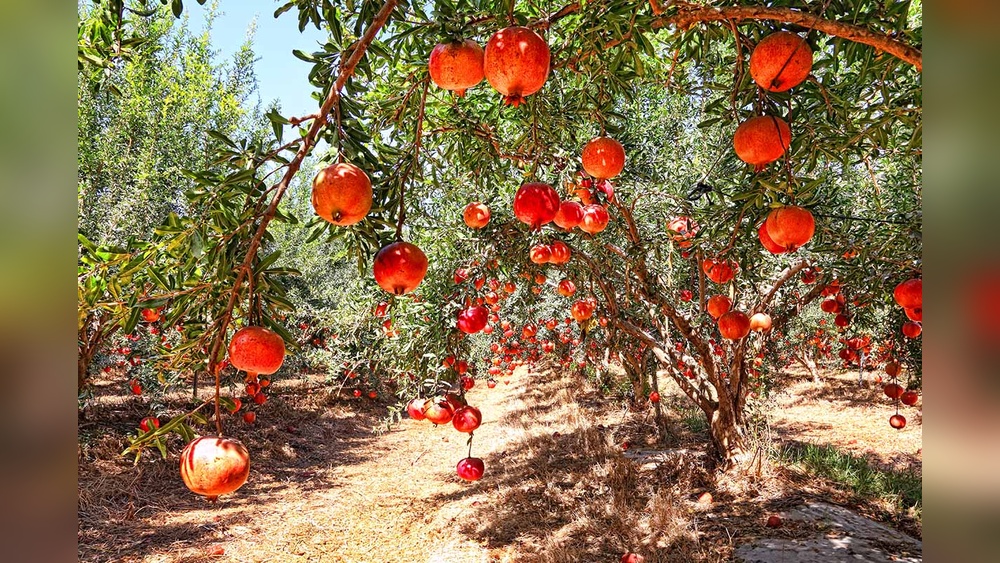
Can I Plant a Pomegranate From Seeds And Grow a Tree?
Growing your own pomegranate tree from seed is an enticing prospect for gardeners, food lovers, and anyone who craves a hands-on connection with nature. The idea of transforming a handful of seeds from a supermarket pomegranate into a flourishing tree offers both practical rewards and a sense of accomplishment.
But is it truly possible to plant a pomegranate from seeds and grow a productive tree? What does the journey from seed to fruit entail, and how does the process compare to other propagation methods?
In this article, we’ll explore every aspect of growing pomegranates from seed. You’ll discover the science behind germination, the practical steps for success, and the real-world challenges faced by home gardeners. We’ll compare seed-grown trees to those propagated from cuttings, analyze the factors influencing fruit quality, and share expert strategies for maximizing your chances.
Whether you’re looking to start a backyard orchard, create a beautiful ornamental tree, or simply satisfy curiosity, this guide will help you make informed decisions, avoid common pitfalls, and enjoy the rewarding experience of nurturing a pomegranate tree from seed.
Key Takeaways
- Pomegranate trees can be grown from seeds, but fruit quality and genetic traits may vary significantly.
- Seed propagation is slower and less reliable for fruit production compared to cuttings, but offers unique genetic diversity.
- Proper seed preparation, germination, and care are crucial for success.
- Expect a waiting period of 3-7 years before a seed-grown tree produces fruit.
- Real-world case studies show mixed results: Some gardeners harvest fruit, others face disappointment.
- This article compares seed-grown vs. cutting-grown pomegranates, provides actionable steps, and answers top FAQs.

Credit: www.youtube.com
Understanding Pomegranate Biology And Seed Propagation
Growing a pomegranate from seed requires a foundational understanding of its biology and reproductive traits. The pomegranate (Punica granatum) is a deciduous shrub or small tree native to the Middle East and South Asia, now cultivated worldwide for its nutritious fruit and ornamental value.
Pomegranate Fruit And Seed Anatomy
The pomegranate fruit consists of a tough outer rind, inside which hundreds of arils (juice-filled sacs) contain individual seeds. Each seed is a potential future tree, but the genetic makeup of seed-grown pomegranates often differs from the parent plant. This occurs because most commercial pomegranates are hybrids, and the seeds do not always “breed true.”
- Arils: The edible, juicy part surrounding the seed.
- Seed: The reproductive structure capable of germinating and growing into a new tree.
The arils not only protect the seeds but also provide an initial source of moisture and nutrients during the early stages of germination in nature. However, for cultivated propagation, removing the aril is critical to avoid fungal issues and improve germination rates.
Inside each seed is a hard, woody covering that protects the embryonic plant. This resilience is part of why pomegranates thrive in arid regions—seeds are built to endure tough conditions until the right moment for sprouting.
Seed Propagation Vs. Vegetative Propagation
Pomegranates can be propagated either by seed or by cuttings. Each method has advantages and drawbacks:
| Method | Genetic Consistency | Time to Fruit | Fruit Quality | Ease of Propagation |
|---|---|---|---|---|
| Seed | Low (variable offspring) | 3-7 years | Unpredictable | Moderate |
| Cuttings | High (clone of parent) | 2-3 years | Consistent | Easy for experienced gardeners |
Seed propagation introduces genetic diversity, which is valuable for breeding and research but less desirable for commercial orchards, where uniformity is prized. On the other hand, cuttings ensure that each new plant is genetically identical to its parent, preserving specific fruit qualities and tree characteristics.
This reliability is why nearly all commercial growers favor cuttings over seeds.
Genetic Variation In Seed-grown Pomegranates
Seed-grown pomegranates may display:
- Variation in fruit color, size, and sweetness
- Differences in tree vigor, disease resistance
- Possibility of non-fruiting or poor-quality fruit
This genetic unpredictability is both a challenge and an opportunity. You might discover a tree with improved disease resistance or unique ornamental traits, but you may also end up with a plant that never produces edible fruit. As a result, growing from seed is best for those willing to experiment and accept uncertain outcomes.
Genetic diversity can also lead to increased resilience in the face of changing environmental conditions. In regions where diseases or pests evolve rapidly, seedlings might offer new resistance genes not present in established cultivars.
Botanical Requirements For Germination
Pomegranate seeds require:
- Freshness: Older seeds lose viability quickly.
- Removal of aril: The sugary coating can inhibit germination.
- Warmth and moisture: Ideal temperatures for germination are 68–77°F (20–25°C).
In addition, seeds benefit from exposure to light during germination, so avoid planting them too deeply. While stratification (a cold period) isn’t usually necessary, in marginal climates, a brief chilling period (1-2 weeks in the fridge) can sometimes improve germination by breaking natural dormancy.

Credit: www.gardenersworld.com
How To Grow Pomegranates From Seed: Step-by-step Guide
Successfully growing a pomegranate from seed involves several critical stages. Attention to detail at each step maximizes your chances of healthy germination and growth.
Seed Collection And Preparation
- Select a ripe, healthy pomegranate from a reputable source, ideally an organically grown fruit to reduce the risk of chemical residue.
- Extract seeds by opening the fruit and separating the arils. Carefully scoop out the arils, ensuring you do not damage the seeds inside.
- Remove the aril: Rinse seeds in water and gently rub to remove the pulp. This prevents fungal growth and improves germination rates. Some gardeners soak the seeds in water for a few hours or overnight to help loosen the pulp.
- Dry seeds: Place cleaned seeds on a paper towel and let them air dry for 24–48 hours. Avoid prolonged drying, which can reduce viability.
For best results, plant seeds as soon as possible after extraction. If storage is necessary, keep them in a cool, dry place, ideally in a breathable paper envelope.
Germination Methods
There are two main approaches:
Direct Sowing
- Sow seeds ¼ inch deep in a well-draining seed-starting mix.
- Keep soil consistently moist, but not waterlogged. Overwatering can lead to rot.
- Cover with plastic wrap or a humidity dome to retain moisture.
- Place in a warm area (68–77°F).
A gentle bottom heat source, such as a seedling heat mat, can further encourage germination and speed up sprouting.
Paper Towel Method
- Place seeds between damp (not soggy) paper towels.
- Seal in a plastic bag and keep at 70–80°F.
- Check for sprouts after 2–4 weeks.
Both methods yield similar results, but the paper towel method allows easy monitoring of progress and quick removal of seeds as soon as roots emerge. For gardeners with limited space or those starting many seeds, this method can save resources and provide better overall control.
Transplanting Seedlings
Once seeds have sprouted:
- Transplant seedlings to small pots with well-draining soil, ideally a mix containing perlite or coarse sand to prevent compaction.
- Provide bright, indirect light; avoid direct sunlight initially as seedlings are sensitive to intense rays.
- Maintain moderate moisture; do not let soil dry out completely, but avoid soggy conditions.
- Fertilize lightly once seedlings have several sets of leaves, using a diluted balanced fertilizer (e.g., 10-10-10).
Seedlings should be monitored for signs of damping-off (fungal disease causing sudden collapse), which is best prevented by good airflow and careful watering.
Outdoor Planting
When seedlings are 3–6 inches tall and the risk of frost has passed:
- Harden off seedlings by gradually exposing them to outdoor conditions over 7–10 days.
- Plant in a sunny location with well-draining soil, ideally enriched with organic matter or compost.
- Space trees 10–15 feet apart for optimal growth and air circulation.
- Water regularly, especially during dry spells. Deep, infrequent watering encourages deep root systems.
Mulching around the base helps retain moisture, suppress weeds, and buffer soil temperatures. In the first year, keep an eye out for weed competition, which can stunt young trees.
Early Care And Growth
Pomegranate trees are relatively drought-tolerant but perform best with consistent moisture and care:
- Mulch to retain soil moisture and suppress weeds; use organic materials such as straw or wood chips.
- Fertilize with balanced fertilizer in spring and early summer; avoid heavy feeding in late summer or fall, which can delay dormancy.
- Prune to remove weak branches and encourage strong structure. In the first two years, focus on shaping the tree and removing any growth that may compete with the central leader.
Regular monitoring for pests and diseases is essential, especially in regions where fungal pathogens or insect pests are common.

Credit: www.youtube.com
Real-world Examples: Successes And Challenges
Understanding the practical realities of growing pomegranates from seed is essential. Here are three real-world case studies that illustrate the spectrum of experiences.
Case Study 1: Backyard Success
A gardener in California planted seeds from a supermarket pomegranate and followed proper preparation and care. After five years, the tree produced its first fruit, which was smaller and less sweet than the original but still edible. The gardener noted:
- Tree vigor was excellent.
- Fruit quality was variable.
- Sense of accomplishment outweighed minor disappointments.
This gardener’s experience highlights the value of patience and attentive care. The tree became a focal point of the backyard, attracting pollinators with its bright red flowers and offering shade as it matured. Although the fruit was not identical to the supermarket variety, the unique flavor was enjoyed by the family.
The gardener also used the tree as a teaching tool for children to learn about plant genetics, pollination, and the natural world.
Case Study 2: Ornamental Value
A hobbyist in Texas grew pomegranate seeds mainly for their ornamental appeal. The tree developed vibrant flowers and glossy leaves but failed to produce fruit after six years. The gardener enjoyed the tree’s beauty, stating:
- Flowering occurred annually.
- No fruit set due to local climate and genetic variability.
The lack of fruit was offset by the spectacular late-spring blossoms, which added striking color to the landscape and attracted hummingbirds. The dense foliage also served as a privacy screen, demonstrating that even non-fruiting pomegranate trees can play an important role in ornamental horticulture.
Case Study 3: Community Garden Challenge
A community garden in New York attempted to grow pomegranates from seed to diversify their orchard. Germination rates were high, but most seedlings failed to thrive outdoors due to cold winters. The project highlighted:
- Need for climate adaptation.
- Importance of selecting cold-hardy varieties.
- Better success with cuttings from established trees.
Some seedlings were moved into containers and overwintered indoors, allowing a few to survive, but these rarely fruited. The garden ultimately shifted to using cuttings from known cold-hardy varieties sourced from reputable nurseries, improving their success and enabling them to share cuttings among members.
These examples demonstrate the variable outcomes of seed propagation. While some gardeners harvest fruit, others value the experience or ornamental qualities. The diversity of outcomes illustrates why growing from seed is an adventure—one that requires flexibility, resilience, and a willingness to embrace both success and failure.
Comparing Seed-grown Vs. Cutting-grown Pomegranate Trees
Choosing between seed propagation and cutting propagation is a crucial decision for any pomegranate grower. Let’s compare their characteristics in detail.
Genetic Consistency And Fruit Quality
Seed-grown trees are genetically unique, often resulting in unpredictable fruit quality. Cutting-grown trees, on the other hand, are clones of the parent and reliably reproduce desirable traits.
| Trait | Seed-Grown Tree | Cutting-Grown Tree |
|---|---|---|
| Fruit Quality | Variable | Consistent |
| Vigor | Unpredictable | Predictable |
| Disease Resistance | May vary | Known level |
| Time to Fruit | 3–7 years | 2–3 years |
| Cost | Low (free from fruit) | Low to moderate (nursery fees) |
Ease Of Establishment
- Seed propagation requires patience and careful attention to germination and early growth. Young seedlings are more sensitive to environmental stress and competition from weeds.
- Cuttings root quickly and produce robust plants, especially when treated with rooting hormone. They can be started in late winter or early spring and are often ready for outdoor planting by late spring or early summer.
Cuttings also have a head start, as they are already several inches tall and have established vascular tissue for nutrient transport.
Disease And Pest Resistance
Seed-grown trees may develop new resistance traits, but also risk susceptibility to unknown diseases. Cuttings inherit the parent’s disease profile.
It’s important to note that while cuttings ensure consistency, they also perpetuate vulnerabilities. For instance, if a widely grown cultivar is susceptible to a new pathogen, all cloned trees are at risk. In contrast, seed-grown populations may contain individuals with natural resistance, a key reason why researchers still use seeds in breeding programs.
Fruit Production Timelines
Seed-grown trees generally take longer to mature. Cutting-grown trees often flower and fruit within two to three years.
This time difference can be significant for those focused on fruit harvests. For home gardeners with limited time or space, cuttings are often the more practical choice.
Cost And Accessibility
Seeds are free and widely available. Cuttings may require access to established trees or purchase from nurseries.
While seeds are the most affordable option, the cost of time and the uncertainty of outcomes should be considered. For gardeners seeking a guaranteed return, the small investment in a named variety cutting is often worthwhile.
Factors Influencing Success When Growing Pomegranates From Seed
Several environmental and biological factors affect the success rate and ultimate productivity of seed-grown pomegranate trees.
Climate And Hardiness
Pomegranates thrive in USDA Zones 7–11. Cold winters can damage or kill young trees. In cooler climates, consider growing pomegranates indoors or in greenhouses.
- Ideal temperatures: 70–85°F during growing season.
- Minimum winter temperature: 15°F for cold-hardy varieties.
In marginal climates (zones 6 or lower), pomegranates can be grown in large containers and moved indoors during winter, or kept in sunrooms and heated greenhouses. Microclimates—such as south-facing walls that reflect heat—can extend the growing range.
Soil And Drainage
Pomegranates prefer:
- Loamy, well-drained soil
- PH 5.5–7.2
- Avoidance of waterlogged conditions
Amending soil with compost improves structure and fertility. Raised beds are an excellent solution in areas with heavy clay or poor drainage.
Watering And Fertilization
- Moderate watering is key; drought stress reduces fruit set.
- Balanced fertilizers support growth; avoid excess nitrogen, which reduces flowering.
During establishment, keep soil evenly moist, but as trees mature, they become more drought-tolerant. Overwatering is a common cause of root disease in young trees.
Sunlight And Air Circulation
- Full sun (6–8 hours daily) is essential for fruit production.
- Airflow reduces disease risk.
Crowded conditions or shaded sites can lead to poor growth and increased susceptibility to fungal problems such as leaf spot and fruit rot.
Pollination
While pomegranates are self-pollinating, cross-pollination by insects can improve fruit set and quality.
To attract pollinators, plant companion flowers nearby and avoid using broad-spectrum insecticides.
Genetic Diversity
Seed-grown trees benefit from genetic diversity, which may enhance adaptation but can also reduce fruit quality.
For those interested in plant breeding, growing several seedlings and selecting the best performers for further propagation is a practical approach to developing regionally adapted varieties.
Troubleshooting Common Problems And Maximizing Success
Growing pomegranates from seed is not without challenges. Here’s how to address the most common issues.
Poor Germination
- Old seeds: Use fresh seeds, ideally within weeks of extraction.
- Improper cleaning: Residual aril can inhibit sprouting.
- Cold temperatures: Maintain warmth throughout germination.
If germination is persistently low, experiment with soaking seeds in a 10% hydrogen peroxide solution for 10 minutes before planting to reduce fungal contamination.
Weak Seedlings
- Insufficient light: Provide bright, indirect sunlight, and if growing indoors, consider using a grow light.
- Overwatering: Allow soil surface to dry slightly between watering.
- Nutrient deficiency: Use diluted fertilizer.
Culling weak seedlings early allows resources and space for the strongest plants.
Disease And Pest Issues
- Fungal infections: Avoid overwatering and ensure good airflow.
- Aphids and scale insects: Control with insecticidal soap or neem oil.
Monitor regularly, as early intervention is easier and more effective.
Slow Growth Or No Fruiting
- Climate mismatch: Grow in greenhouse or indoors if local winters are harsh.
- Genetic variability: Accept variability; fruit quality may not match parent.
Sometimes, hand-pollination with a small paintbrush can improve fruit set, especially in sheltered or indoor settings.
Maximizing Success
Follow these best practices:
- Select seeds from high-quality fruit
- Prepare and clean seeds thoroughly
- Provide optimal conditions for germination and growth
- Patience is key—expect several years before fruiting
Document your process and outcomes. Keeping a gardening journal helps identify what works best in your unique environment and can provide valuable information for others attempting similar projects.
Pomegranate Seed Propagation: Data, Statistics, And Global Trends
Let’s examine data and trends on pomegranate propagation worldwide.
Germination Rates
Studies show pomegranate seed germination rates vary from 50% to 90% depending on preparation and environmental conditions ([ScienceDirect](https://www.sciencedirect.com/science/article/pii/S0304423818300509)). Freshness, temperature, and cleanliness are the most important factors.
Commercial Production
Globally, most pomegranate orchards use cutting propagation for consistency. However, home gardeners increasingly experiment with seed propagation for genetic diversity and novelty.
In some regions, traditional farmers still grow wild pomegranates from seed, maintaining local landraces and contributing to the crop’s genetic pool.
Fruit Yield And Quality
- Seed-grown trees may produce 20–40 lbs of fruit annually after maturity, but fruit size and sweetness are unpredictable.
- Cutting-grown trees yield 40–60 lbs with consistent quality.
| Propagation Type | Average Germination Rate | Average Fruit Yield (per mature tree) | Fruit Quality Consistency |
|---|---|---|---|
| Seed | 70% | 20–40 lbs | Low |
| Cuttings | 90% | 40–60 lbs | High |
Global Cultivation Trends
- India, Iran, and the Mediterranean are leading producers ([Wikipedia](https: //en.wikipedia.org/wiki/Pomegranate)).
- Seed propagation is rare in commercial settings but popular among hobbyists and researchers.
In the United States, California leads in production, with most orchards planted from cuttings. In contrast, small-scale and backyard growers contribute to genetic diversity by experimenting with seeds.
Breeding And Research
Scientists use seed propagation to develop new cultivars with improved traits, such as disease resistance or cold tolerance ([USDA ARS](https://www.ars.usda.gov/ARSUserFiles/60400500/Genetic_Resources/Pomegranate/Pomegranate.html)). Once promising seedlings are identified, they are propagated further by cuttings to establish uniform orchards.
Practical Applications: Why Grow Pomegranates From Seed?
There are several compelling reasons to try growing pomegranates from seed:
Genetic Diversity And Breeding
Seed propagation introduces new genetic combinations, which can lead to unique fruit, improved resilience, or novel ornamental traits. For breeders, the occasional appearance of superior traits can form the foundation for new commercial varieties.
Educational Value
Growing from seed provides:
- Hands-on learning
- Understanding of plant biology
- Satisfaction from nurturing a tree from scratch
Schools, community gardens, and families often use seed projects to teach about genetics, plant growth cycles, and biodiversity.
Ornamental And Landscaping Uses
Seed-grown pomegranates often display beautiful flowers and foliage, making them valuable for landscaping even if fruit production is limited. The trees can be pruned into hedges, standards, or even trained as bonsai.
Cost-effectiveness
Seeds are free and widely available, making this an accessible project for gardeners of all levels. This low-cost entry point is especially appealing for those who want to experiment without a large investment.
Environmental Adaptation
Seed-grown trees may adapt to local conditions, developing unique traits suited to your environment. Over successive generations, plants that thrive in your microclimate can be selected, resulting in a tree population well-suited to your area.
Expert Tips For Growing Pomegranates From Seed
Maximize your chances of success with these expert strategies:
Select High-quality Seeds
- Choose seeds from ripe, healthy fruit.
- Avoid seeds from hybrid varieties if you seek predictable traits.
Where possible, source seeds from local farmers’ markets, as these are more likely to come from varieties adapted to your climate.
Prepare Seeds Properly
- Remove all traces of aril.
- Air-dry seeds before planting.
Some experts recommend a brief soak in a mild fungicide or 10% bleach solution (followed by thorough rinsing) to further reduce disease risk.
Provide Optimal Conditions
- Maintain warm, moist soil during germination.
- Use a humidity dome or plastic wrap to retain moisture.
- Supplement with bottom heat if room temperatures are cool.
Monitor Seedlings
- Transplant when roots emerge and leaves develop.
- Avoid overcrowding; give each seedling space to grow.
Consider thinning to one plant per pot to prevent competition and encourage stronger root systems.
Protect Young Trees
- Shield seedlings from frost and pests.
- Mulch to retain moisture and suppress weeds.
If growing in containers, move them indoors or to a sheltered spot during cold snaps.
Prune For Structure
- Remove weak or competing branches.
- Encourage a strong central leader or balanced bush form.
Annual pruning improves air circulation and supports long-term productivity and ornamental value.
Patience And Persistence
Growing pomegranates from seed is a marathon, not a sprint. Expect to wait several years before fruiting.
Document your process and share your experiences with local gardening communities. Your insights may help others succeed and contribute to the wider knowledge base on pomegranate cultivation.
Frequently Asked Questions
Is It Possible To Grow A Pomegranate Tree From Supermarket Seeds?
Yes, it is possible to grow a pomegranate tree from seeds found in supermarket fruit. However, the resulting tree may not produce fruit identical to the original due to genetic variability. Success depends on proper seed preparation, climate suitability, and care.
How Long Does It Take For A Pomegranate Tree Grown From Seed To Produce Fruit?
A seed-grown pomegranate tree typically takes 3–7 years to mature and produce fruit. The exact timeline depends on environmental conditions, care, and genetic factors. Some trees may flower earlier, while others may never fruit.
Will A Seed-grown Pomegranate Tree Produce Fruit Similar To The Parent?
Not necessarily. Because most commercial pomegranates are hybrids, seed-grown trees can yield fruit that is smaller, less sweet, or even non-edible. For consistent fruit quality, vegetative propagation (cuttings) is recommended.
What Are The Main Challenges When Growing Pomegranates From Seed?
The main challenges include slow growth, unpredictable fruit quality, low germination rates if seeds are not properly prepared, and susceptibility to climate and disease. Patience and proper care are essential.
Are There Benefits To Growing Pomegranates From Seed Instead Of Cuttings?
Yes. Growing from seed introduces genetic diversity, offers educational value, and is cost-effective. It’s ideal for breeders, hobbyists, and those interested in unique ornamental traits. However, for fruit production, cuttings are more reliable.
Resources And Further Reading
To deepen your understanding and access expert guidance, explore these authoritative sources:
- Gardening Know How – Practical tips for growing pomegranates from seed.
- Royal Horticultural Society – Detailed cultivation advice.
- USDA National Agricultural Library – Research and resources on pomegranate genetics.
- Encyclopedia Britannica – Botanical background.
- Food and Agriculture Organization (FAO) – Global pomegranate production.
- ScienceDirect – Scientific research on seed germination.
Growing a pomegranate tree from seed is a rewarding journey that combines patience, curiosity, and a touch of horticultural adventure. While the outcome is never guaranteed, the experience offers invaluable lessons and, sometimes, a fruitful harvest. Whether you seek genetic diversity, ornamental beauty, or simply the thrill of nurturing life from seed, pomegranates are a worthy addition to your gardening repertoire.
By following the steps and strategies outlined here, you’ll maximize your chances for success and enjoy the satisfaction of growing your own tree—rooted in both tradition and innovation.