Are Bricks Safe For Vegetable Gardens? What You Must Know
Bricks have long been a staple in garden design, prized for their durability, classic aesthetic, and versatility in landscaping. However, with the growing popularity of vegetable gardening and the increasing awareness of soil health and safety, many gardeners are asking: Are bricks safe for vegetable gardens ? If you’re considering building raised beds, garden paths, or edging with bricks, it’s essential to understand the potential benefits and risks before incorporating them into spaces where you grow food. This article explores the science, history, and practical realities of using bricks in vegetable gardens , drawing on research, expert opinions, and real-world examples to help you make an informed decision.
Bricks might seem like an obvious choice—after all, they’re solid, easy to stack, and weather-resistant. But not all bricks are created equal, and their safety can depend on factors such as the brick type, manufacturing process, and past uses. Concerns about contaminants, leaching, and soil health often arise, especially with reclaimed bricks or those made decades ago.
Whether you’re a backyard hobbyist or an urban farming advocate, understanding the nuances of brick safety is vital for protecting your harvest and the health of your family.
Key Takeaways
- Modern bricks are generally safe for vegetable gardens, but caution is needed with reclaimed or old bricks.
- Contaminants such as heavy metals or chemicals may be present in certain brick types or those with industrial origins.
- Proper installation and maintenance can minimize risks and enhance garden performance.
- Alternatives like concrete blocks or untreated wood may offer different advantages and drawbacks.
- Real-world examples and studies highlight best practices for using bricks in food-growing spaces.
- Always check local regulations and consult authoritative sources before choosing materials for edible gardens.
Understanding Bricks: Types, Materials, And Manufacturing
Bricks are not a single, uniform product. The term encompasses several distinct types, each with unique properties and potential safety implications for vegetable gardens.
Types Of Bricks Commonly Used In Gardens
- Clay Bricks: Made from fired clay, these are the most traditional and widely used. They’re typically red or brown and highly durable. Clay bricks are known for their ability to withstand the freeze-thaw cycles experienced in many climates, making them a favorite among gardeners who need longevity in their raised beds or paths. Their inert nature means they are less likely to react with soil or water, which is a core reason for their popularity in edible gardens.
- Concrete Bricks: Manufactured from cement and aggregates, these bricks are heavier and often gray. They’re popular in modern landscaping and are sometimes chosen for their uniform size and affordability. However, due to their cement content, they have a higher pH, which can influence soil chemistry.
- Reclaimed Bricks: Salvaged from old buildings or demolition sites, these bricks add character but may carry unknown contaminants. Their weathered appearance is attractive for rustic garden designs, but their origin can be uncertain. Their use is often driven by a desire for sustainability or historical preservation.
- Fire Bricks: Designed for high heat, these are used in ovens or fireplaces and rarely in garden beds. Their unique composition allows them to withstand extreme temperature changes, but they are not typically chosen for garden applications unless leftover from other projects.
- Pressed Earth Bricks: Made from compacted earth, sometimes stabilized with cement or lime. These bricks are popular in eco-friendly building, but the addition of stabilizers can sometimes introduce chemicals into the garden environment.
Manufacturing Processes And Potential Additives
Brick manufacturing involves:
- Raw material selection: Clay, shale, or concrete aggregates are sourced for their unique mineral properties and colors, which can affect the brick’s final characteristics and safety.
- Molding and firing: Bricks are shaped and fired in kilns at temperatures up to 2000°F for clay bricks. This process vitrifies the clay, making it hard and resistant to weathering.
- Additives: For color, durability, or water resistance (e.g., manganese, iron oxide). In some industrial settings, additives include by-products from other industries, such as fly ash or slag, which can introduce trace contaminants. Surface coatings may be applied to enhance weather resistance or appearance, especially in decorative bricks.
Additives or industrial waste used in some bricks can potentially introduce heavy metals or other harmful substances. For example, bricks made with coal ash may contain arsenic or lead. In the past, especially before stricter regulations, manufacturers sometimes incorporated waste materials without thorough testing for leaching potential.
Safety Concerns From Manufacturing
- Modern Standards: Most bricks manufactured today comply with stringent safety regulations, such as ASTM International standards, which limit the use of hazardous materials in bricks intended for construction and landscaping.
- Older/Reclaimed Bricks: May lack safety certifications and could contain residues from paints, sealants, or industrial waste. The lack of historical documentation makes it difficult to ascertain the safety of these bricks, especially those salvaged from industrial or urban demolition sites.
Data Table: Brick Types And Safety Concerns
| Brick Type | Material | Common Uses | Potential Safety Concerns |
|---|---|---|---|
| Clay Brick | Fired Clay | Raised beds, pathways | Generally safe; rare contamination |
| Concrete Brick | Cement, aggregates | Edging, walls | Alkalinity, leaching of lime |
| Reclaimed Brick | Varied | Decorative, structural | Heavy metals, paints, industrial residues |
| Fire Brick | Heat-resistant clay | Ovens, fireplaces | Rarely used in gardens |
| Pressed Earth Brick | Compacted earth | Eco-gardening | Stabilizer chemicals |

Chemical Safety: Leaching And Soil Contaminants
What Is Leaching?
Leaching refers to the movement of chemicals from solid materials into soil and water. When bricks are used in vegetable gardens, there is a risk that harmful substances could migrate into the soil and be absorbed by edible plants. Leaching depends on factors such as soil acidity, moisture levels, and the chemical composition of the bricks themselves. Acidic soils, for example, can accelerate the breakdown of certain minerals in bricks, increasing the risk of heavy metals or other contaminants entering the growing environment.
Potential Contaminants
- Heavy metals: Lead, arsenic, cadmium—these can be especially problematic in reclaimed bricks or bricks containing industrial waste.
- Industrial residues: Coal ash, slag—these can contain a mix of toxic elements including mercury and chromium.
- Paints and sealants: Especially on reclaimed bricks, these can include volatile organic compounds (VOCs), polycyclic aromatic hydrocarbons (PAHs), and legacy chemicals such as PCBs.
- Alkalinity: High pH from concrete bricks can alter soil chemistry, making nutrients less available to plants and potentially affecting crop yields.
Research And Data
A study published by the Environmental Protection Agency (EPA) found that modern, kiln-fired clay bricks rarely leach harmful substances under normal garden conditions. This is primarily because the intense heat during firing locks most minerals into a stable matrix. However, bricks containing industrial by-products or those salvaged from contaminated sites can pose significant risks (EPA Brick Report).
Further research from the University of Minnesota Extension indicates that while the risk from new bricks is low, reclaimed bricks from unknown sources can act as a pathway for soil contamination, especially in urban gardens built on or near former industrial sites.
Example: Lead In Reclaimed Bricks
In older urban areas, reclaimed bricks may have been exposed to lead-based paints or industrial pollution. In a 2016 survey of urban gardens in Chicago, 12% of tested reclaimed bricks contained detectable lead residues exceeding safe soil limits for food crops (Chicago Tribune). Lead is particularly hazardous because it can accumulate in leafy greens and root vegetables, entering the food chain and posing risks to children and adults.
How To Minimize Chemical Risks
- Choose new, certified bricks for vegetable beds to ensure compliance with modern safety standards.
- Avoid bricks from unknown or industrial sources, especially those with visible staining, paint, or residues.
- Test soil regularly for contaminants, particularly if you suspect past industrial use or if reclaimed bricks are present.
- Use a physical barrier (e.g., landscape fabric, heavy-duty plastic) between bricks and soil to limit direct contact and reduce the potential for leaching.
Soil Testing Protocol
- Collect soil samples adjacent to brick structures, targeting areas most likely to be affected by leaching.
- Send samples to a certified lab for analysis. Many university extensions offer affordable soil testing services.
- Review results for lead, arsenic, and other heavy metals. Compare to safe gardening thresholds provided by the EPA or your local health department.
Data Table: Common Brick Contaminants And Health Risks
| Contaminant | Source | Health Risk | Safe Limit (ppm) |
|---|---|---|---|
| Lead | Old paint, industrial waste | Neurological, developmental | 100 |
| Arsenic | Coal ash, treated bricks | Cancer, skin lesions | 20 |
| Cadmium | Industrial by-products | Kidney, bone damage | 1.4 |
| Alkalinity | Concrete bricks | Plant nutrient lockout | N/A |

Physical Safety And Durability In Garden Applications
Benefits Of Using Bricks In Vegetable Gardens
- Longevity: Bricks can last decades, resisting rot and weathering. Unlike untreated wood, which may need replacement every 5–10 years, bricks remain stable and visually appealing for far longer.
- Structural stability: Good for raised beds, edging, and walls. Their weight helps keep beds in place, even in areas with heavy rainfall or watering.
- Aesthetic appeal: Classic look, blends with many garden styles. Bricks complement both formal and informal garden designs and can be arranged in various patterns for visual interest.
- Low maintenance: Unlike wood, bricks don’t require frequent replacement, sealing, or treatment. They’re also resistant to insect and rodent damage.
Bricks also provide thermal mass, which can help moderate soil temperatures in raised beds, extending the growing season in cooler climates by absorbing warmth during the day and releasing it at night.
Risks And Downsides
- Sharp edges: Can cause injury if not properly installed. It’s important to set bricks so sharp or broken edges are not exposed in high-traffic areas.
- Slippery surfaces: Wet bricks may be hazardous for garden paths, especially if moss or algae grow on them. Textured or sanded bricks can help reduce this risk.
- Settling and shifting: Poor foundation can lead to instability. Bricks laid directly on soil may shift over time, particularly in regions with freeze-thaw cycles or heavy rainfall.
Bricks can also harbor weeds and pests in the cracks between them if not properly installed or maintained, so regular inspection and cleaning are necessary.
Real-world Example: Raised Bed Construction
The University of California Cooperative Extension recommends bricks for raised beds due to their durability and ease of stacking. In their demonstration gardens, brick beds lasted over 20 years with minimal maintenance (UCANR). However, they caution against using old bricks with visible paint or cracks, which may harbor contaminants. In addition, they suggest using a compacted gravel or sand base to minimize shifting and to help with drainage.
Installation Best Practices
- Lay bricks on a stable, level base (gravel or sand) to prevent settling and facilitate drainage.
- Use mortar or dry stacking depending on desired permanence. Mortared bricks provide a solid, permanent structure but are harder to alter or repair.
- Ensure bricks are free from visible paint or residue. Clean reclaimed bricks thoroughly before installation.
- Seal gaps to prevent soil loss and weed growth. For maximum safety, consider a liner (landscape fabric or heavy-duty plastic) between bricks and soil.
Maintenance Tips
- Inspect annually for cracks or shifting, especially after winter or heavy rains.
- Clean bricks with water (avoid harsh chemicals that can leach into soil).
- Replace damaged bricks promptly to maintain both safety and aesthetics.
- Remove moss or algae growth to prevent slips on paths.
Comparing Bricks With Alternative Garden Materials
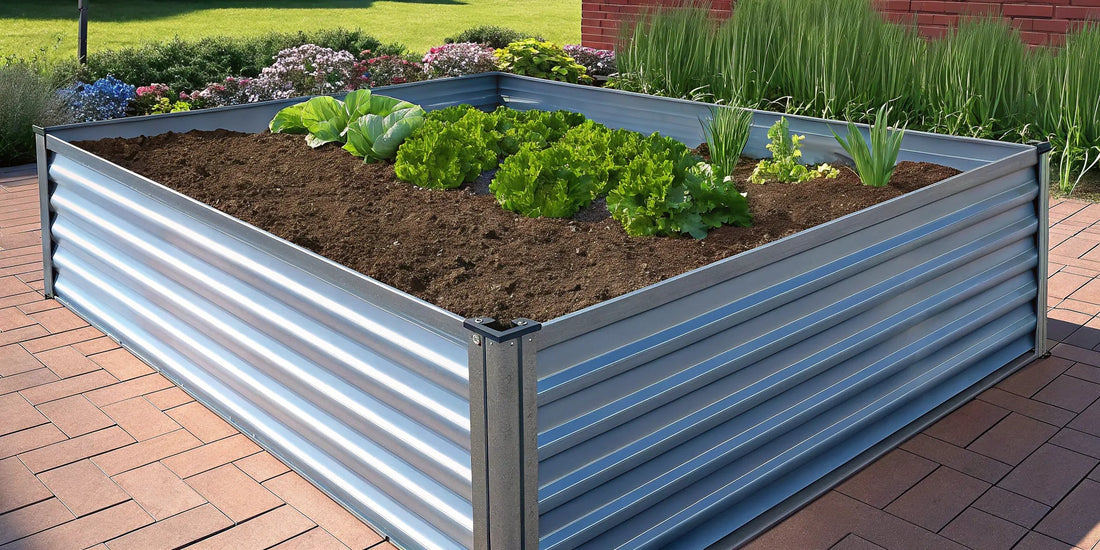
Gardeners often weigh bricks against other popular materials for raised beds and garden edging. Each option has its pros and cons regarding safety, durability, and sustainability.
Common Alternatives
- Concrete Blocks: Affordable, strong, but may leach lime and raise soil pH. Some gardeners use hollow blocks filled with soil or compost for planting herbs or flowers.
- Untreated Wood: Natural, but prone to rot and pests. Untreated wood like cedar or redwood is popular for its appearance and lower cost, but will eventually decompose.
- Recycled Plastic Lumber: Eco-friendly, but can be expensive. Plastic lumber is resistant to rot and pests and often made from recycled materials, but may contain additives or release microplastics over time.
- Stone: Durable, often safest, but heavy and costly. Natural stone provides excellent durability and an attractive look but requires more effort to transport and install.
Comparison Table: Bricks Vs. Common Alternatives
| Material | Durability | Safety | Cost | Maintenance |
|---|---|---|---|---|
| Bricks | Very High | High (if new) | Medium | Low |
| Concrete Blocks | High | Medium (alkalinity) | Low | Low |
| Untreated Wood | Medium | Medium (rot risk) | Low | High |
| Recycled Plastic Lumber | High | High | High | Low |
| Stone | Very High | Very High | High | Low |
Environmental And Health Considerations
Bricks made from natural clay are typically free from toxic chemicals, provided they are manufactured to modern standards. However, the environmental impact of manufacturing bricks includes energy use, greenhouse gas emissions, and resource extraction. Clay extraction can degrade local landscapes, and firing bricks consumes significant energy.
Alternatives like recycled plastic can reduce environmental footprint by utilizing waste, but may introduce concerns about microplastics or chemical additives over time. Stone is often considered the most inert and environmentally benign, especially if sourced locally, but it is heavy and expensive. Untreated wood is renewable but decomposes more quickly and may harbor fungal diseases if not maintained.
For a sustainable garden, it’s important to weigh both the safety and ecological impact of your chosen material, considering the full lifecycle from extraction or production to disposal or recycling.
Case Study: Urban Community Garden In New York
The Brooklyn Grange urban farm uses new clay bricks for raised beds, citing their non-reactive properties and longevity. Soil tests performed annually have shown no detectable heavy metals near brick beds (Brooklyn Grange). For garden paths, they use reclaimed bricks, but only after thorough cleaning and testing. This practice has allowed them to maintain both historical character and food safety.
Regulatory Guidance And Expert Recommendations
Government And University Guidelines
- USDA: Advises using only untreated, non-contaminated materials in food gardens (USDA Urban Soil Safety).
- EPA: Recommends soil testing if using reclaimed materials, and provides specific guidelines for safe lead levels in soils used for growing food.
- State Extension Services: Suggest avoiding bricks from industrial or unknown origins, and provide resources for sourcing safe building materials.
Many state and local agencies provide detailed guides on raised bed construction, including recommended materials and soil safety protocols. Check with your county extension office or local health department for region-specific recommendations.
Certification And Labeling
Look for bricks that:
- Are labeled for garden use or landscaping.
- Meet ASTM International standards for safety and environmental performance.
- Are free from visible paint, sealant, or residue, which could indicate contamination.
Some manufacturers now provide environmental product declarations (EPDs) or certifications indicating low emissions and non-toxicity, which is especially useful for organic or school gardens.
Local Regulations
Some municipalities restrict certain materials in edible gardens. For example, they may prohibit the use of pressure-treated wood, railway ties, or reclaimed bricks with unknown histories. Always check local codes before building with bricks.
Example: Seattle Urban Agriculture Code
The City of Seattle requires raised bed materials to be free from contaminants and recommends new bricks over reclaimed ones for vegetable gardens (Seattle.gov). Their guidelines are designed to protect public health in community gardening projects.
Real-world Examples And Case Studies
1. Home Gardener Success Story: Safe Brick Raised Beds
Sarah, a backyard gardener in Portland, built her raised beds with new, kiln-fired clay bricks. She had her soil tested before and after installation and found no change in heavy metal levels. Her tomatoes, carrots, and greens thrived, and she appreciated the beds’ durability and appearance. Sarah noted that her beds required no maintenance beyond occasional weeding, and she was able to expand her garden by adding more bricks in future seasons.
2. Community Garden Risk: Lead In Reclaimed Bricks
A community garden in Detroit used reclaimed bricks for bed edging. Soil tests later revealed elevated lead levels near the bricks, traced to old paint residues. The group replaced bricks with stone, removed contaminated soil, and improved safety for future harvests.
This experience emphasized the importance of verifying the origin and safety of any reclaimed material used in edible gardens.
3. School Garden: Concrete Bricks And Ph Issues
A school garden in Arizona used concrete bricks for raised beds. While structurally sound, the soil adjacent to the bricks showed elevated pH, causing nutrient lockout for sensitive crops. The school added compost and organic matter to buffer pH and successfully grew lettuce and beans. They now recommend routine pH testing and amending the soil as needed to other schools in their district.
Lessons Learned
- Always test soil when using reclaimed materials, both before and after installation.
- Monitor pH with concrete bricks and adjust with compost or sulfur if necessary.
- Use new bricks for best safety and performance, especially in settings where children or vulnerable populations are present.
Practical Tips For Using Bricks In Vegetable Gardens
Selecting Safe Bricks
- Prefer new, kiln-fired clay bricks from reputable suppliers.
- Avoid bricks with visible paint, sealant, or cracks, as these can harbor or release contaminants.
- If using reclaimed bricks, source from non-industrial, residential sites and clean thoroughly with water and a stiff brush. Consider requesting documentation on their origin if possible.
Installation Guidelines
- Lay bricks on gravel or sand base for drainage and stability.
- Stack bricks tightly with minimal gaps to reduce soil loss and weed invasion.
- Use mortar only if a permanent structure is desired, but be aware that some mortars contain lime which can affect soil pH.
- Separate bricks from soil with landscape fabric if concerned about leaching, particularly for reclaimed bricks or in high-risk areas.
Maintenance And Monitoring
- Inspect regularly for damage or residue, and replace any compromised bricks.
- Clean bricks with water only—avoid detergents or chemicals that could leach into the soil.
- Test soil annually, especially near brick borders and in high-production areas.
Enhancing Safety
- Grow leafy greens and root crops away from brick edges if using reclaimed bricks or if soil testing raises concerns.
- Add organic matter (compost, leaf mold) to buffer soil pH if using concrete bricks or if soil tends toward alkalinity.
- Consider mulching the interior of beds to further buffer any potential leaching.
Frequently Asked Questions
Are Bricks Safe For All Types Of Vegetables?
Most new bricks are safe for all vegetables, including root crops and leafy greens. If using reclaimed bricks, avoid planting sensitive crops (like carrots or potatoes) directly adjacent to brick edges unless soil tests confirm safety.
Can I Use Old Or Reclaimed Bricks From Demolition Sites?
Reclaimed bricks can be used if they’re free from paint, sealants, or industrial residues, and if soil testing confirms the absence of heavy metals. Always clean and inspect bricks before use. If you’re unsure, opt for new bricks or use reclaimed bricks for non-edible landscaping features only.
How Do I Test Soil For Contamination Near Brick Structures?
Collect soil samples within 6 inches of brick edges and send them to a certified soil lab. Request tests for lead, arsenic, cadmium, and pH. Compare results to EPA safety guidelines. Repeat testing every 1–2 years or after any major garden modifications.
Will Bricks Affect My Soil Ph Or Plant Growth?
Concrete bricks may raise soil pH, affecting nutrient availability. Clay bricks are generally neutral. Monitor pH regularly and add organic matter if needed to maintain optimal growing conditions. Soil pH can be easily adjusted with amendments if necessary.
What Is The Best Way To Install Bricks For Raised Beds?
Lay bricks on a stable, level base (gravel or sand), stack tightly, and use mortar if desired. Consider a landscape fabric barrier between bricks and soil for added safety, especially with reclaimed bricks.
Resources And Further Reading
For gardeners seeking more information on brick safety and soil health, consult these authoritative resources:
- Wikipedia: Brick
- EPA Brick Report
- UCANR Raised Beds Guide
- USDA Urban Soil Safety
- Chicago Tribune Urban Garden Lead Study
- Seattle Urban Agriculture Code
Bricks can be a safe, durable, and beautiful addition to vegetable gardens—when chosen and installed with care. By understanding the types, risks, and best practices, you’ll protect your crops and create a garden that thrives for years to come. Always prioritize safety, consult local guidelines, and test your soil regularly for peace of mind and a bountiful harvest.