What Are Considered Fall Vegetables for Gardens? Full List
Fall vegetables are crops that thrive in cooler temperatures and shorter daylight hours, making them ideal for autumn gardening. This comprehensive guide lists the best fall vegetables for your garden and explains why they perform so well in cooler conditions.

Freedom Farms
Set of 25 Autumn Garden Seed Set…
- 25 Heirloom & Non-GMO Seed Varieties - Carefully selected for fall planting success, including leafy greens, root crops, brassicas…
- Optimized for Cool Weather - Ideal for sowing in late summer through early fall. Grow healthy crops well into winter in temperate…
- Quality Packaging - Each variety comes in a labeled, moisture-resistant paper envelope to help preserve freshness and reduce humid…
As an Amazon Associate I earn from qualifying purchases.
Simply put, fall vegetables include leafy greens like kale and spinach, root crops like carrots and beets, and cruciferous vegetables like broccoli and Brussels sprouts. These crops benefit from cooler weather, often producing sweeter, more tender harvests.
Key Takeaways
- Fall vegetables are cold-tolerant crops that improve in flavor after light frosts.
- Leafy greens, root vegetables, and brassicas are the main categories of fall vegetables.
- Planting in late summer allows you to harvest well into autumn and early winter.
- Fall vegetables require less watering and pest pressure than spring crops.
- Using row covers can extend your fall harvest by several weeks.

What Are Fall Vegetables?
Fall vegetables are edible plants that grow best when daytime temperatures range from 55°F to 75°F and nights are cool. They are typically planted in late summer or early autumn and harvested before the ground freezes.
Unlike warm-season crops (tomatoes, peppers, cucumbers), fall vegetables can tolerate light frosts. Many even improve in flavor after a frost because cold temperatures convert starches into sugars. The Old Farmer’s Almanac notes that fall vegetables like parsnips and carrots become noticeably sweeter after a frost.
These crops fall into three main categories:
- Leafy greens – spinach, kale, lettuce, Swiss chard, arugula
- Root vegetables – carrots, beets, radishes, turnips, parsnips
- Brassicas (cruciferous) – broccoli, cauliflower, Brussels sprouts, cabbage, kohlrabi
According to the University of Minnesota Extension, many fall vegetables can be direct-sown in late July through August for a continuous harvest from October through December.
Tip: Choose quick-maturing varieties (under 60 days) when planting fall vegetables in short-season climates.
Benefits of Growing Fall Vegetables
Growing fall vegetables extends your garden’s productivity and improves soil health. Cooler weather means fewer pests like aphids and tomato hornworms, which peak in summer. The USDA reports that fall gardening can add 4–6 weeks of fresh harvests to your annual growing cycle.
Here are the main advantages:
- Less watering – cooler temps reduce evaporation
- Fewer weeds – many weed seeds don’t germinate in cool soil
- Better flavor – frost converts starches to sugar in roots and greens
- Extended harvest – with row covers, you can harvest into December in zones 5–7
- Soil improvement – leftover roots add organic matter when tilled in spring
- Lower pest pressure – cabbage worms and flea beetles are less active
The Royal Horticultural Society found that kale grown in autumn contains 30% more vitamin C than spring-grown kale, making fall vegetables a nutritional powerhouse.
Important: Check your first frost date and count backward from there using the days to maturity on each seed packet to ensure a full harvest.
Full List of Fall Vegetables (By Category)
Below is a comprehensive list of fall vegetables you can grow in your garden. We have organized them by type and included days to maturity and frost tolerance.
| Vegetable | Type | Days to Maturity | Frost Tolerance |
|---|---|---|---|
| Spinach | Leafy Green | 40–50 | Very Hardy |
| Kale | Leafy Green | 50–70 | Very Hardy |
| Swiss Chard | Leafy Green | 50–60 | Moderate |
| Arugula | Leafy Green | 35–45 | Moderate |
| Lettuce (leaf) | Leafy Green | 45–60 | Moderate |
| Carrots | Root | 60–80 | Very Hardy |
| Beets | Root | 50–70 | Very Hardy |
| Radishes | Root | 25–35 | Moderate |
| Turnips | Root | 40–60 | Very Hardy |
| Parsnips | Root | 100–130 | Very Hardy |
| Broccoli | Brassica | 60–90 | Hardy |
| Cauliflower | Brassica | 60–100 | Moderate |
| Brussels Sprouts | Brassica | 90–120 | Very Hardy |
| Cabbage | Brassica | 70–100 | Very Hardy |
| Kohlrabi | Brassica | 45–60 | Hardy |
This table covers the most common fall vegetables. For northern zones (USDA 3–5), stick to the shorter-maturing varieties. Gardeners in warmer zones (7–9) can plant a wider range of brassicas and root crops.
How to Grow Fall Vegetables Successfully
Growing fall vegetables requires a slightly different approach than spring planting. The key is timing and soil preparation. Follow this step-by-step process to maximize your autumn harvest.
- Find your first fall frost date. Use the NOAA frost date map or your local extension service. Count backward from that date using the days to maturity of each crop, then add 14 days for slower growth in cooler fall soils.
- Prepare the soil. Remove spent summer crops and add 2 inches of compost or well-rotted manure. Fall vegetables prefer slightly alkaline soil (pH 6.0–7.0). Do a quick soil test.
- Sow seeds directly or transplant. For root crops (carrots, beets, radishes) always direct-sow. For brassicas and leafy greens, you can start seeds indoors 4–6 weeks before planting and transplant hardened seedlings.
- Water consistently. Autumn temperatures may trick you into watering less, but young seedlings need 1 inch of water per week until established. Use drip irrigation to avoid leaf wetness that encourages fungal diseases.
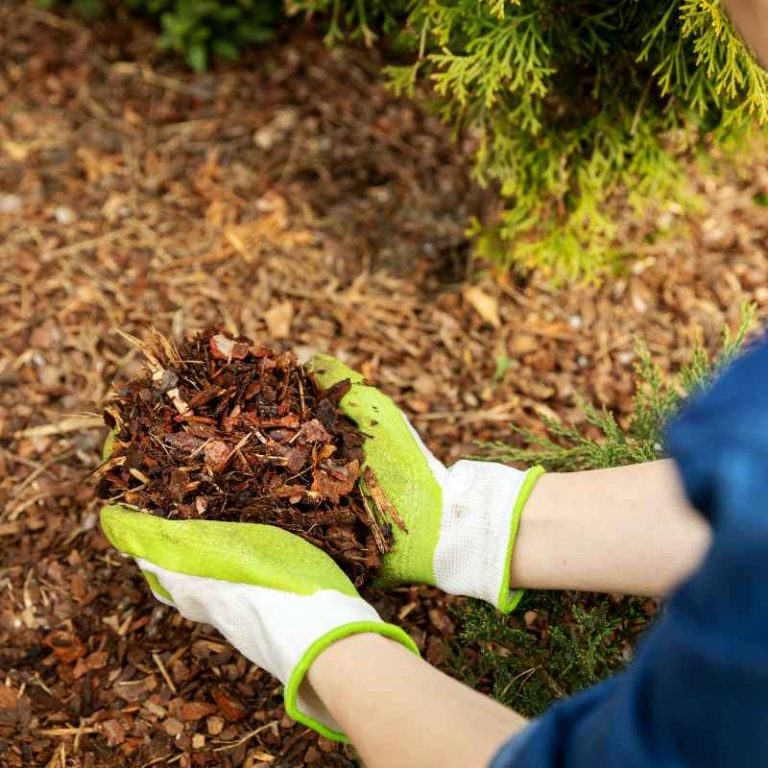
- Mulch around plants. A 2-inch layer of straw or shredded leaves keeps soil cool and moist, suppresses weeds, and protects roots from early frosts.
- Protect from early frost. Use row covers or cloches when temperatures dip below 28°F. Remove covers during sunny days to prevent overheating.
- Fertilize lightly. Apply a balanced 10-10-10 fertilizer at half strength once after seedlings reach 4 inches tall. Too much nitrogen produces excessive leaf growth at the expense of roots or heads.
Warning: Do not plant fall vegetables in soil where cabbage family plants grew the previous season. This can harbor clubroot disease and pests like root maggots.
Common Mistakes When Planting Fall Vegetables
Even experienced gardeners make mistakes with fall vegetables. Avoid these pitfalls to keep your autumn harvest on track.
- Planting too late. Many fall crops need 60+ days to mature. If you plant after August in zone 5, you risk losing the harvest to hard frost. Use a calendar and stick to it.
- Ignoring soil temperature. Seeds germinate poorly when soil exceeds 85°F. In late summer, water the ground deeply and shade the seed bed with burlap or shade cloth until temperatures drop.
- Overwatering in cool weather. Once temperatures consistently stay below 60°F, reduce watering to once every 5–7 days. Soggy soil leads to rot in root vegetables and powdery mildew on greens.
- Skipping pest control. Though pest pressure is lower, flea beetles, cabbage worms, and slugs still attack fall crops. Use diatomaceous earth or BT spray for caterpillar control.
- Harvesting too early. Many fall vegetables improve with frost exposure. Carrots, parsnips, kale, and Brussels sprouts need at least two light frosts before their peak sweetness. Wait until after the first frost to harvest.
The National Gardening Association estimates that 40% of fall vegetable failures are due to poor timing. Use their planting calculator based on your zip code for precise sowing dates.
Best Companion Plants for Fall Vegetables
Companion planting helps fall vegetables repel pests, attract pollinators, and improve nutrient uptake. The table below shows effective pairings.
| Fall Vegetable | Good Companions | Avoid |
|---|---|---|
| Kale | Beets, celery, onions, potatoes | Strawberries, tomatoes |
| Broccoli | Dill, rosemary, beets, carrots | Strawberries, pole beans |
| Carrots | Lettuce, onions, radishes, tomatoes | Dill, fennel |
| Spinach | Cabbage family, strawberries, beans | Potatoes |
| Beets | Lettuce, onions, brassicas | Pole beans, mustard greens |
Planting companions not only boosts yields but also confuses pests. For example, planting radishes near carrots deters carrot flies. OSU Extension reports that interplanting can increase total fall harvest by 15–25%.
Tip: Sow quick-growing radishes between rows of slower broccoli or Brussels sprouts. The radishes will be harvested before the brassicas need the space.
Fall Vegetable Harvesting Tips
Knowing when and how to harvest fall vegetables ensures peak flavor and longevity. Here are guidelines for the main types.
- Leafy greens: Harvest outer leaves when they are 4–6 inches long. Leave the inner crown to continue growing. Stop harvesting when nighttime temperatures regularly drop below 20°F.
- Root vegetables: Carrots and beets can stay in the ground after frost; mulch heavily with straw to keep soil from freezing. Harvest parsnips after two or more hard frosts for maximum sweetness.
- Brassicas: Cut broccoli heads when the buds are tight and dark green. Harvest Brussels sprouts from the bottom up once they reach 1–1.5 inches in diameter.
- Storage: Most fall vegetables store well. Keep root crops in damp sand in a cool (32–40°F) root cellar. Leafy greens are best eaten fresh but can be blanched and frozen.
A study by Kansas State University found that fall-harvested broccoli retains vitamin C levels 50% higher than spring-harvested broccoli stored for the same duration. Cool soil temperatures slow nutrient degradation.
Why Fall Vegetables Taste Better
Many gardeners swear that fall vegetables taste superior to their spring counterparts. Science backs them up. Cold temperatures trigger a process called “cold sweetening” – plants convert stored starches into simple sugars like glucose and fructose.
This natural antifreeze lowers the freezing point of cell sap, protecting the plant from frost damage. As a side effect, crops like carrots, parsnips, kale, and Brussels sprouts become noticeably sweeter and less bitter.
The USDA Agricultural Research Service confirms that fall-grown spinach has higher levels of flavonoids and antioxidants compared to summer-grown spinach. Cooler nights also reduce respiration rates, meaning sugars stay in the leaves longer.
For maximum flavor, harvest fall vegetables after they have been exposed to at least two light frosts (28–32°F) but before a hard freeze (below 25°F). This window gives you the sweetest, most tender produce of the season.

Frequently Asked Questions
When should I plant fall vegetables?
Plant fall vegetables in late July through mid-August for northern zones (USDA 3–5), and from mid-August to early September for warmer zones (6–9). Count back from your first fall frost date using the days to maturity on each seed packet.
What are the easiest fall vegetables for beginners?
Spinach, radishes, kale, and beets are the easiest fall vegetables to start with. They germinate quickly, tolerate light frosts, and require minimal maintenance. Radishes mature in just 25–35 days, giving you a fast harvest.
Can I grow fall vegetables in containers?
Yes, many fall vegetables grow well in containers. Use pots at least 12 inches deep for root crops and 8 inches deep for leafy greens. Ensure good drainage and place containers where they receive at least 6 hours of sun per day.
How do I protect fall vegetables from frost?
Use floating row covers, old blankets, or cloches made from plastic bottles. Remove covers during the day to allow air circulation. Watering the soil before a frost can also release heat overnight and protect roots.
What fall vegetables can survive winter?
Kale, Brussels sprouts, parsnips, and carrots can overwinter in mild climates (zones 7–9) or under heavy snow cover in colder zones. In zones 4–6, mulch heavily with straw to keep the ground from freezing solid, and you can harvest into early winter.
Final Thoughts
Growing fall vegetables is a rewarding way to extend your gardening season and enjoy sweeter, more nutritious produce. By choosing the right crops, timing your planting carefully, and protecting them from early frost, you can harvest fresh food well into autumn. Start planning your fall garden now and experience the difference cooler weather makes in flavor and yield.
Related pick: Check today's price on Amazon