How to Use Railroad Ties for Landscaping the Safe Way
Transforming an ordinary landscape into a visually striking, durable, and low-maintenance outdoor space often requires creative materials. Among the most robust and rustic options, railroad ties have found a unique place in landscaping . Their rough-hewn look, weight, and durability make them a favorite for retaining walls , raised beds, garden borders, and even steps. However, not all railroad ties are created equal, and their use brings both distinct advantages and serious safety considerations. While these massive timbers can add character and function, they may harbor chemicals—most notably, creosote—that pose risks to people, pets, and plants.
Choosing to use railroad ties for landscaping requires more than just design vision. It demands an understanding of safety protocols, environmental impact, sourcing options, installation techniques, and ongoing maintenance. Whether you’re a homeowner seeking a rustic touch, a landscaper aiming for cost-effective solutions, or a property manager balancing aesthetics with safety, making informed decisions is critical. In this guide, you’ll discover the safest ways to use railroad ties while adhering to best practices and regulatory standards, ensuring your landscape is both beautiful and safe for years to come.
Key Takeaways
- Railroad ties offer durability and a rustic aesthetic but may contain hazardous chemicals like creosote.
- Opt for safe alternatives such as new untreated wood, concrete, or recycled plastic for projects involving food crops or frequent human contact.
- Proper installation and sealing can minimize exposure risks and prolong tie lifespan.
- Disposal and sourcing of used ties are regulated—purchase only from reputable suppliers.
- Real-world examples highlight both the benefits and challenges of using railroad ties responsibly.

Credit: www.gardeningetc.com
Understanding Railroad Ties: Types, Benefits, And Risks
Railroad ties, also known as railway sleepers, have been a mainstay in landscaping for decades. However, understanding the different types, their benefits, and the associated risks is crucial before integrating them into your outdoor projects.
Types Of Railroad Ties
- Used (Reclaimed) Wood Ties: Traditionally soaked in creosote, these are most commonly available but pose the greatest safety risks. Creosote is a complex mixture of hundreds of chemicals, which makes reclaimed ties particularly hazardous for residential use.
- New Wood Ties: Can be purchased untreated or with modern, less toxic preservatives such as ACQ (Alkaline Copper Quaternary) or Copper Azole. These are safer options, although untreated wood may be more susceptible to decay.
- Concrete Ties: Growing in popularity for landscaping, though heavier and harder to cut. Concrete ties offer an industrial look and are virtually maintenance-free, making them ideal for areas where longevity and structural integrity are priorities.
- Composite/Recycled Plastic Ties: Engineered for safety and longevity, with no chemical leaching. They are available in various sizes and colors, and their resistance to rot and pests makes them a strong contender for sustainable landscaping.
Benefits Of Railroad Ties In Landscaping
- Durability: Designed to withstand decades of heavy train traffic, railroad ties are built for extreme conditions. Their dense structure and weight provide stability for retaining walls and steps, even in areas prone to soil erosion or shifting.
- Cost-effective: Reclaimed ties are often cheaper than new timbers. For large projects, such as terracing a slope or building a long garden border, the cost savings can be significant compared to stone or concrete.
- Aesthetics: Provide a rugged, rustic look. The weathered appearance of used ties adds character, and their substantial size creates a bold visual impact.
- Versatility: Suitable for retaining walls, borders, steps, and raised beds. They can also be adapted for creative projects such as benches, pergola posts, or rustic fence lines.
Risks And Safety Concerns
- Creosote Leaching: A major concern with used wood ties; creosote is a probable human carcinogen according to the CDC. Exposure to creosote can cause skin irritation, respiratory issues, and long-term health effects.
- Soil and Water Contamination: Chemicals may seep into soil, threatening plants, wildlife, and water tables. This is especially problematic in areas with high rainfall or poor drainage.
- Direct Contact Hazards: Risk of burns, rashes, or respiratory issues from handling or inhaling fumes. Children and pets are especially vulnerable to accidental contact.
- Legal Restrictions: Many municipalities restrict or ban the use of creosote-treated wood in residential landscapes. Violating these regulations can lead to fines and mandatory removal of contaminated materials.
Real-world Example: Urban Community Garden
In 2017, a community garden in Portland, Oregon, was forced to remove its raised beds constructed from used railroad ties after soil testing revealed high levels of polycyclic aromatic hydrocarbons (PAHs), exceeding EPA safety thresholds. This case underscores the importance of material selection, especially in spaces used to grow food. The remediation process involved excavating contaminated soil and replacing the beds with untreated cedar, which was an expensive but necessary correction to ensure community safety.

Credit: www.jwlumber.com
Safe Sourcing: Where And How To Get Railroad Ties
Sourcing safe railroad ties is the first step to a responsible landscaping project. The market is saturated with reclaimed materials, so knowing what to look for—and what to avoid—is essential.
Where To Buy Railroad Ties
- Home Improvement Stores: Major chains like Home Depot and Lowe’s offer new, untreated, or less-toxic treated timbers. These stores typically label products with treatment information, making it easier for consumers to select safe materials.
- Landscape Supply Yards: Often stock both reclaimed and new ties. Staff can provide guidance on the suitability and safety of different products, especially for projects with specific requirements.
- Railroad Salvage Companies: Offer authentic used ties, but with greater safety risks. These companies may sell large volumes for commercial landscaping, but buyers should verify the treatment and condition before purchase.
- Specialty Suppliers: Sell concrete or recycled plastic alternatives. These suppliers may also offer delivery and installation services, making them a one-stop solution for complex landscaping projects.
What To Look For
- Labeling: Always check for product labeling indicating treatment type (e.g., “untreated,” “ACQ-treated,” etc.). If no label is present, ask for certification or documentation from the supplier.
- Condition: Avoid ties with excessive cracks, oozing creosote, or strong odors. Damaged ties may leach chemicals more readily and could compromise structural integrity.
- Supplier Reputation: Buy from reputable dealers who comply with local regulations. Look for suppliers with positive reviews and clear safety policies.
Regulatory Compliance
- EPA Guidelines: The EPA prohibits use of creosote-treated wood for residential landscaping where frequent contact is expected. Details can be found at the EPA Creosote Information page. Ignoring these guidelines can result in costly remediation and legal action.
- Local Codes: Some cities and states have stricter bans; always check local ordinances before purchasing. For example, municipalities in Washington and California have banned creosote ties in residential and public spaces due to environmental concerns.
Cost Comparison Table
The following table compares average costs and safety of different types of railroad ties (2026 US national averages):
| Type of Tie | Average Cost (per tie) | Treatment | Recommended For | Safety Level |
|---|---|---|---|---|
| Used Wood Tie | $15–$30 | Creosote | Non-contact landscaping | Low |
| New Wood Tie | $25–$45 | Untreated or ACQ | General landscaping | Moderate–High |
| Concrete Tie | $45–$75 | N/A | Retaining walls, steps | Very High |
| Composite Tie | $60–$90 | Recycled Plastic | All uses | Very High |
Real-world Example: Sourcing In California
In California, strict environmental codes mean that most landscape supply centers no longer sell used creosote-treated ties. Instead, they offer new, pressure-treated or composite ties, ensuring compliance with state law and consumer safety. This shift has helped reduce incidents of soil and water contamination and has encouraged homeowners to select safer, more sustainable materials.
How To Use Railroad Ties Safely In Landscaping Projects
Proper use and installation of railroad ties can mitigate risks and maximize their functional and aesthetic value. Here’s a comprehensive guide to safe installation and handling.
Planning And Design Considerations
- Project Location: Never use creosote-treated ties for raised beds, children’s play areas, or anywhere with frequent human or pet contact. For areas with high foot traffic, prioritize concrete or composite ties to minimize exposure.
- Drainage: Incorporate gravel or drainage pipes behind retaining walls to prevent moisture buildup and tie deterioration. Poor drainage can accelerate rot and increase the risk of chemical leaching.
- Permits: Some municipalities require permits for retaining walls over a certain height. Check local building codes to ensure compliance and avoid costly delays.
Handling And Preparation
- Protective Gear: Always wear gloves, long sleeves, and a mask when handling used ties. This protects skin and lungs from chemical exposure and splinters.
- Cutting: Use a saw equipped with a HEPA vacuum to minimize dust. Never burn railroad ties; toxic fumes can result. If possible, cut ties outdoors and away from children, pets, or food preparation areas.
- Sealing: Apply a heavy-duty exterior sealant to all cut surfaces and exposed wood to limit chemical leaching. Consider a double-coating for areas exposed to water or direct sunlight. For added protection, use sealants with UV inhibitors to prolong wood life.
Installation Methods
- Base Preparation: Excavate a level trench and lay a compacted gravel base for stability. This prevents settling and helps distribute weight evenly.
- Anchoring: Use rebar, spikes, or landscape screws to secure ties together and into the ground. Anchoring is especially important on slopes or for walls over two feet high.
- Stacking: Stagger joints for strength, especially in retaining walls. This technique prevents weak points and increases structural integrity.
- Backfilling: Use gravel to promote drainage and reduce wood-to-soil contact. For retaining walls, consider installing a geotextile fabric to separate soil from the ties and further reduce leaching.
Safe Use Cases
- Garden Borders: Place ties as single-layer edging, away from edible gardens. For flower beds, use new or composite ties to avoid chemical exposure.
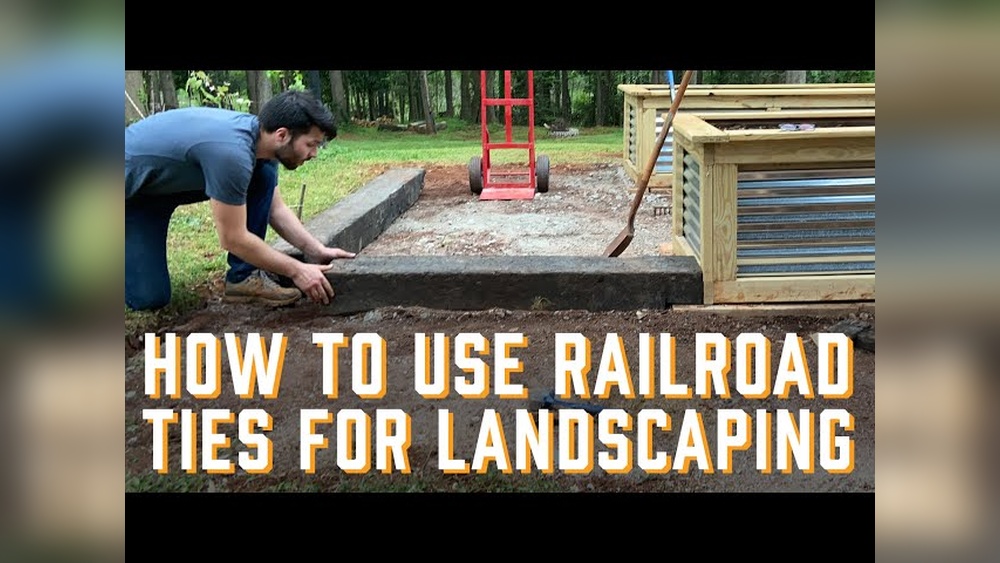
- Pathways and Steps: Use ties as risers or pavers, ensuring they’re sealed and away from intensive contact areas. You can create visually appealing steps by combining ties with stone or gravel.
- Retaining Walls: For slopes and terraces, anchor ties securely and backfill properly. For taller walls, reinforce with steel rods or brackets to increase longevity and safety.
Real-world Example: Residential Steps
A homeowner in Colorado installed railroad tie steps along a sloped backyard, using new, ACQ-treated ties. Ties were anchored with rebar and sealed with a UV-resistant exterior wood sealant, ensuring both stability and minimized chemical exposure. Five years later, the steps remain structurally sound and safe for regular use.
The owner conducts annual inspections and re-applies sealant as needed, demonstrating how routine maintenance can extend the life of wood in challenging climates.

Credit: www.youtube.com
Alternatives To Railroad Ties For Safe Landscaping
Given the safety and regulatory challenges, many landscapers and homeowners explore alternative materials that mimic the look or function of railroad ties without the associated risks.
Treated Landscape Timbers
- Pressure-treated pine with ACQ (alkaline copper quaternary) is widely available and safe for most landscape applications. This treatment protects wood from rot and insects without the toxicity of older preservatives like CCA or creosote.
- More uniform in size and easier to cut than old railroad ties. They are also lighter, making installation less labor-intensive.
Concrete Blocks
- Segmental retaining wall blocks are engineered for durability and ease of installation. These blocks can be stacked dry or with adhesive, offering flexibility for DIY projects.
- Offer a modern look and can be stacked without mortar for flexible designs. They are available in various shapes and colors to suit different landscape styles.
Recycled Plastic Timbers
- Made from post-consumer plastic, these ties are impervious to rot and do not leach chemicals. They are also resistant to pests and mold.
- Available in various colors and textures to mimic wood. Manufacturers often provide warranties of 50 years or more, making them a long-term investment.
Stone And Brick
- Natural stone or brick can provide rustic or formal aesthetics. Stone is especially popular for terracing steep slopes or creating elegant garden features.
- Higher upfront cost but nearly unlimited durability and no chemical concerns. Maintenance is minimal, and the materials can be repurposed if landscape needs change.
Comparison Table: Railroad Ties Vs. Alternatives
| Material | Durability (Years) | Maintenance | Chemical Risk | Cost (per ft) |
|---|---|---|---|---|
| Used Railroad Tie | 20–30 | Low–Medium | High | $2–$4 |
| Pressure-Treated Timber | 15–25 | Low | Low–Moderate | $2–$5 |
| Concrete Block | 50+ | Very Low | None | $5–$10 |
| Recycled Plastic Timber | 50+ | Very Low | None | $7–$12 |
| Natural Stone | 50+ | Very Low | None | $10–$20 |
Real-world Example: School Playground Upgrade
A school in New Jersey replaced aging railroad tie borders with recycled plastic timbers for its playground. The result: zero chemical risk, improved durability, and maintenance savings, all while meeting state safety regulations. Feedback from parents and teachers highlighted the improved safety and aesthetics, and the school reported lower repair costs over time.
Environmental Impact And Disposal Of Railroad Ties
Railroad ties, especially those treated with creosote, carry significant environmental burdens if not handled responsibly.
Environmental Concerns
- Soil Contamination: Creosote leaches over time, contaminating soil and potentially entering groundwater. Contaminated soil can require professional remediation, which is costly and disruptive.
- Wildlife Hazards: Chemicals can harm beneficial insects, birds, and amphibians. Studies have shown creosote exposure can cause developmental issues in amphibians and reduce biodiversity.
- End-of-Life Issues: Improper disposal can result in regulatory penalties and environmental harm. Burning or burying treated ties releases toxins into the air and water.
Proper Disposal Methods
- Landfill Restrictions: Many landfills refuse creosote-treated wood. Always call ahead. Some facilities may accept small quantities for a fee, but larger volumes typically require hazardous waste processing.
- Hazardous Waste Facilities: Some regions require disposal at designated hazardous waste sites. These facilities are equipped to handle and contain toxic materials.
- Recycling: New, untreated ties or composite ties may be recycled or repurposed. For example, composite ties can be ground down and made into new products, closing the recycling loop.
For up-to-date guidance, consult your local waste authority or refer to the EPA Household Hazardous Waste guidelines.
Regulatory Standards
- Federal Regulations: The Resource Conservation and Recovery Act (RCRA) regulates the disposal of hazardous waste, including creosote-treated wood. Violations can result in fines and mandatory remediation.
- State Laws: States like California and New York have additional restrictions. Always check with state environmental agencies for current regulations and permitted disposal sites.
Case Study: Municipal Retaining Wall Removal
In 2019, the city of Seattle removed over 1,000 feet of creosote-treated ties from a public park, transporting the waste to a certified hazardous waste facility. The project, though costly, prevented further soil and water contamination and set a new standard for public safety.
The city documented improved water quality and reduced chemical runoff in nearby streams, demonstrating the environmental benefits of responsible disposal.
Maintenance And Long-term Care
Proper maintenance extends the life of railroad tie landscaping and ensures ongoing safety.
Regular Inspections
- Check for cracks, splinters, or oozing creosote annually. Early detection allows for timely repairs and reduces the risk of chemical exposure.
- Look for settling or shifting, especially after heavy rains or freeze-thaw cycles. Structural integrity is key to preventing accidents and maintaining the aesthetics of your landscape.
Sealant Reapplication
- Reapply exterior wood sealant every 2–3 years for ties exposed to weather. Use sealants specifically designed for wood in outdoor environments.
- Choose products rated for outdoor, heavy-duty use. A quality sealant can protect against UV damage, moisture, and chemical leaching.
Pest And Rot Prevention
- Remove vegetation growing against ties to improve air circulation. Plants and mulch can trap moisture, accelerating rot and increasing pest risk.
- Address standing water or poor drainage quickly. If ties are submerged for extended periods, they may deteriorate faster and increase leaching.
Repair And Replacement
- Replace damaged ties promptly to avoid safety hazards. Damaged wood can collapse or expose sharp edges.
- Use steel brackets or rebar to reinforce sagging or shifting structures. Reinforcement extends the life of walls and steps.
Maintenance Table: Key Tasks And Frequency
| Maintenance Task | Recommended Frequency | Purpose |
|---|---|---|
| Inspect for Cracks/Oozing | Annually | Detect chemical leaks and structural issues |
| Sealant Reapplication | Every 2–3 years | Reduce leaching and UV damage |
| Pest/Rot Check | Twice per year | Prevent wood decay and pest infestation |
| Structural Reinforcement | As needed | Maintain stability and safety |
Legal, Health, And Safety Guidelines
Navigating the legal and health aspects of using railroad ties is as important as the installation itself.
Legal Considerations
- Residential Restrictions: Many localities prohibit creosote ties for raised beds, playgrounds, and other high-contact areas. Fines and legal action can follow violations.
- HOA Rules: Homeowners Associations may have specific material guidelines. Always consult HOA bylaws before starting your project.
- Building Permits: Retaining walls over 4 feet often require engineering and permits. In some areas, inspections are required during and after installation.
For more on legal requirements, consult National Park Service Technical Brief.
Health Precautions
- Personal Protection: Always use gloves, long sleeves, and a respirator when cutting or handling ties. Protective gear reduces the risk of skin irritation and inhalation of toxic particles.
- Children and Pets: Keep them away from newly installed or oozing ties. Educate family members about the risks and instruct them to avoid contact.
- First Aid: Wash skin immediately if exposed to creosote; seek medical attention for burns or severe reactions. Keep emergency contact numbers handy during installation.
Regulatory Agencies
- EPA: Oversees chemical use and disposal standards. Their guidelines are regularly updated and should be reviewed before any major project.
- OSHA: Sets workplace safety standards for handling treated wood. Contractors and professionals must comply with OSHA regulations to avoid penalties.
- Local Health Departments: May offer additional guidance and soil testing. Some departments provide free or low-cost soil tests for contaminants.
Real-world Example: Regulatory Violation
A landscaping company in Texas was fined $15,000 in 2026 for using reclaimed creosote ties in a school playground, violating both EPA and state health department guidelines. The incident highlights the importance of due diligence and compliance. The school had to replace all affected areas, resulting in additional expenses and community concern.
Frequently Asked Questions
Is It Safe To Use Old Railroad Ties For Vegetable Gardens?
No, old railroad ties treated with creosote should never be used for vegetable or herb gardens. Creosote can leach into soil and be absorbed by edible plants, posing health risks if consumed. Opt for untreated or food-safe materials for any garden growing food crops. Cedar, redwood, or composite materials are recommended for raised beds.
How Can I Tell If A Railroad Tie Is Treated With Creosote?
Creosote-treated ties are usually dark brown or black, have a strong tar-like odor, and may feel oily or sticky, especially in warm weather. If unsure, ask your supplier or consult product documentation. Never assume a used tie is untreated. When in doubt, select new, labeled timbers.
Can I Seal Used Railroad Ties To Make Them Safer?
Applying a high-quality exterior sealant can reduce, but not eliminate, chemical leaching from creosote-treated ties. Sealant should be reapplied regularly. However, this is not a guarantee of safety, particularly for high-contact or food-growing areas. If safety is a concern, use alternatives like composite or concrete.
Are There Eco-friendly Alternatives To Railroad Ties?
Yes, recycled plastic timbers, stone, and concrete blocks are excellent eco-friendly alternatives. They offer durability, zero chemical leaching, and are widely available. These options are especially recommended for playgrounds, raised beds, and public spaces. Many municipalities offer rebates or incentives for using sustainable materials.
How Do I Legally Dispose Of Creosote-treated Railroad Ties?
Creosote-treated ties are considered hazardous waste in many areas. Contact your local landfill or hazardous waste facility for disposal instructions. Never burn or bury them, as this can release toxic chemicals into the environment. For more information, visit the EPA’s hazardous waste page.
Landscaping with railroad ties can be rewarding, but only when approached with a thorough understanding of the materials, risks, and regulations involved. By prioritizing safety, environmental responsibility, and legal compliance, you can achieve both functional and beautiful outdoor spaces. Whether you choose to use new, untreated ties or modern alternatives, a well-informed plan will ensure your landscape stands the test of time—and keeps your family, pets, and environment safe. For more expert landscaping tips and regulations, explore resources like the American Society of Landscape Architects and the Wikipedia entry on railroad ties.