When To Lime Vegetable Gardens For The Best Results
Gardening enthusiasts and professional growers alike know that soil health is the foundation of a productive vegetable garden . Yet, one crucial practice often overlooked is liming—adjusting soil pH to create optimal growing conditions. Many gardens fail to reach their full potential not because of poor plant selection or inadequate watering, but due to the silent culprit of acidic soil. Understanding when to lime your vegetable garden can be the game-changer for abundant harvests, vibrant plant health, and sustainable soil fertility.
Timing is everything in gardening, and this is especially true with lime applications. Apply lime at the wrong time, and it may not integrate properly, leaving your crops struggling. Apply it at the right moment, and you’ll unlock the full nutrient potential of your soil, reduce disease risks, and foster resilient vegetables.
In this comprehensive guide, we’ll explore the science behind liming, the best timing strategies, regional and crop-specific considerations, and practical steps for success—empowering you to make confident, data-driven decisions for your vegetable garden.
Key Takeaways
- Soil pH levels are critical to vegetable health; most crops thrive in slightly acidic to neutral soils (pH 6.0–7.0).
- Best time to lime is typically in the fall, allowing time for soil chemistry to adjust before spring planting.
- Lime application rates depend on soil test results, crop needs, and lime type.
- Proper incorporation and moisture are vital for lime effectiveness.
- Regional climate and vegetable type can alter liming recommendations.
- Regular soil testing is essential to avoid over- or under-liming.

Understanding Soil Ph And Liming
What Is Soil Ph And Why Does It Matter?
Soil pH measures the acidity or alkalinity of garden soil, ranging from 0 (very acidic) to 14 (very alkaline), with 7 being neutral. Most vegetable crops prefer a pH between 6.0 and 7.0. Outside this range, nutrient availability declines and plants may suffer from deficiencies or toxicities. For example, acidic soils (pH below 6.0) can lock up essential nutrients like calcium and magnesium, while increasing the solubility of toxic metals like aluminum.
A less-discussed effect of improper pH is the impact on beneficial soil microbes. Many of the bacteria and fungi responsible for breaking down organic matter and releasing plant nutrients struggle to survive in acidic soils. This means that even if you add compost or fertilizer, plants may not benefit unless the soil pH is within the proper range.
In extremely acidic soils, root development can be stunted, and the overall soil structure can deteriorate over time.
How Lime Affects Soil Chemistry
Agricultural lime (usually pulverized limestone, primarily calcium carbonate) is used to raise soil pH, neutralizing excess acidity. When lime is added to acidic soil, a chemical reaction occurs: the calcium in the lime replaces hydrogen ions in the soil, reducing acidity. This shift improves nutrient uptake, promotes beneficial microbial activity, and creates an environment where vegetables can flourish.
Lime not only provides calcium (an essential secondary nutrient for plants) but, depending on the type, can also add magnesium—a critical element for photosynthesis. As the soil becomes less acidic, nutrients such as phosphorus become more available. This is particularly important for root crops and fruiting vegetables, which require substantial phosphorus for healthy development.
Types Of Lime Used In Vegetable Gardens
There are several types of lime suitable for gardens:
- Calcitic Lime: High in calcium carbonate, excellent for correcting calcium deficiencies. It is best for gardens where soil tests indicate low calcium but adequate magnesium. Calcitic lime dissolves slowly, providing a steady release of nutrients and gradual pH adjustment.
- Dolomitic Lime: Contains both calcium carbonate and magnesium carbonate, ideal if soil tests show low magnesium. Magnesium is crucial for chlorophyll production and energy transfer within the plant. Dolomitic lime is especially valuable in regions where sandy soils or repeated cropping have depleted magnesium reserves.
- Hydrated Lime: Fast-acting but can burn plants if misapplied—rarely recommended for home gardens. Hydrated lime should only be considered for quick fixes in severe cases and under professional guidance, as its rapid reaction can overshoot the desired pH and harm soil life.
The University of Minnesota Extension recommends dolomitic lime for soils lacking magnesium and calcitic lime when only calcium is needed (UMN Extension).
When Is Liming Necessary?
Soil acidity builds up over time due to factors like rainfall, fertilizer use, and organic matter decomposition. Acidic rainfall, especially in regions with significant air pollution, can also lower soil pH gradually. Certain fertilizers, particularly those high in ammonium or urea, acidify the soil as they break down.
Organic matter, while beneficial, also contributes organic acids as it decomposes.
Signs that liming may be needed include:
- Poor vegetable growth despite adequate fertilization
- Yellowing leaves or nutrient deficiency symptoms (especially magnesium, calcium, or phosphorus)
- Moss or weeds preferring acidic conditions (such as sorrel and plantain)
- Soil test pH below 6.0
Regular soil testing is the only way to accurately determine if, and how much, lime is necessary. Testing also reveals if your soil is trending more acidic over time, allowing for proactive liming before problems arise.
The Best Timing For Liming Vegetable Gardens
Why Timing Matters
Lime works slowly, often taking several months to fully react with soil. Applying lime at the right time ensures it can alter the soil pH before the growing season begins. If applied too close to planting, lime may not have enough time to adjust the pH, and crops could still suffer from acidity-related issues.
The rate at which lime reacts depends on factors such as particle size (finer lime reacts faster), soil moisture, and soil temperature. In cold or dry conditions, lime takes even longer to become effective. This is why timing and proper incorporation are so critical for predictable results.
Fall Vs. Spring Application
Fall is widely regarded as the ideal time for liming. This gives the lime several months to react with the soil, especially if the winter brings rain or snow that helps move lime particles into the root zone.
Applying lime in fall also allows soil organisms to begin adjusting to the new pH before the rapid flush of biological activity in spring. Fall liming fits well into the annual garden clean-up routine—after crops are removed but before the ground freezes.
This timing also reduces the risk of lime interfering with spring fertilizer applications.
Spring application is possible, especially if you missed the fall window, but lime should be applied at least 2–3 months before planting for best results.
Applying lime in the spring can help correct pH for late-planted crops, but rapid-acting hydrated lime is not recommended due to the risk of overcorrection. For early spring vegetables, fall liming is especially important, as there may not be enough time for spring-applied lime to work before planting.
| Application Season | Advantages | Disadvantages |
|---|---|---|
| Fall | – Maximum reaction time – Rain/snow aid incorporation – Prepares soil for spring | – May require planning ahead – Not ideal if crops are overwintering |
| Spring | – Can address recent acidity – Useful for missed fall application | – Limited reaction time – May not fully benefit early crops |
Weather And Soil Conditions
For lime to work, there must be moisture to facilitate the chemical reactions. Avoid applying lime when the soil is frozen or waterlogged. The ideal conditions are:
- Soil is workable (not too wet or frozen)
- Rain is forecast within a few days to help wash lime into the soil
- No immediate planting—allow at least 2–3 months for lime to react
Additionally, applying lime to a dry, dusty soil surface can result in wind loss or uneven distribution, while applying to saturated soils can cause compaction and poor incorporation. Monitoring local weather patterns helps ensure your lime application is both effective and environmentally responsible.
Crop Rotation And Liming Intervals
Not all vegetables have the same pH requirements. For example, potatoes prefer slightly more acidic soils (pH 5. 5–6. 5), while cabbages and broccoli thrive closer to neutral (pH 6. 5–7. 0). Plan your liming schedule based on crop rotation plans, applying lime before planting pH-sensitive crops.
Long-term crop rotation plans can improve soil health and reduce the need for frequent liming. For instance, rotating legumes (beans, peas) with leafy greens or root crops can help balance soil pH and nutrient cycling. Keep detailed records of your rotation and liming history to optimize both yield and soil quality.
It’s usually unnecessary to lime every year. Most soils only need liming once every 2–3 years, depending on rainfall, soil type, and crop demands.
Real-world Example: Liming In A Home Garden
A home gardener in the Pacific Northwest observed stunted tomato growth and yellow leaves. After testing, the soil pH was found to be 5. 4. The gardener applied dolomitic lime in October, incorporated it with a rototiller, and by April, the soil pH reached 6.
7. The following season, tomato yields nearly doubled, and leaf color improved dramatically.
This example highlights the importance of timely liming and soil testing. It also demonstrates how correcting soil pH can address issues that fertilizers alone cannot solve.
How To Test, Apply, And Incorporate Lime Effectively
Soil Testing: The Critical First Step
Never guess when it comes to liming. Soil tests provide precise pH readings and often include lime recommendations. You can:
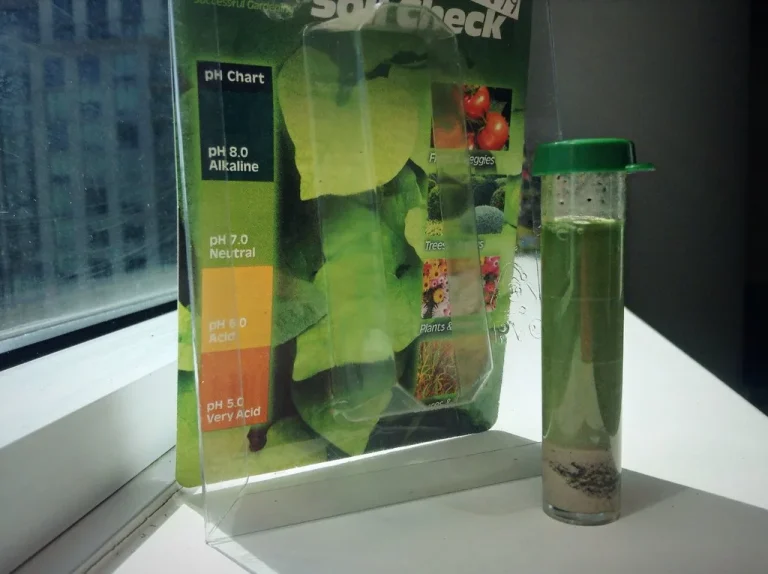
- Use a DIY soil test kit (available at garden centers)
- Send samples to a certified soil laboratory for detailed analysis (recommended every 2–3 years)
- Contact your local extension office for guidance
Collect soil samples from several spots in your garden, mix them, and follow the instructions for testing.
Lab tests not only reveal pH but also buffer pH (how easily the soil changes pH), organic matter content, and nutrient levels, allowing for a more nuanced liming strategy. Extension offices often provide interpretation services to help you understand and act on your results.
Calculating Lime Requirements
The amount of lime needed depends on:
- Soil pH (current and target)
- Soil type (clay soils require more lime than sandy soils)
- Type of lime used (calcitic vs. dolomitic)
Most soil test reports specify the amount of lime (in pounds per 1,000 sq ft) needed. As a general guideline:
- Sandy soils: 25–50 lbs per 1,000 sq ft
- Loamy soils: 50–75 lbs per 1,000 sq ft
- Clay soils: 75–100 lbs per 1,000 sq ft
For very acidic soils or those with a history of heavy fertilizer use, the lime requirement may be higher. Always round down rather than up to avoid overshooting your target pH.
Methods For Spreading Lime
Even application is crucial. Use:
- Drop spreaders for precise distribution
- Broadcast spreaders for larger gardens
- Hand application for small plots—follow with raking
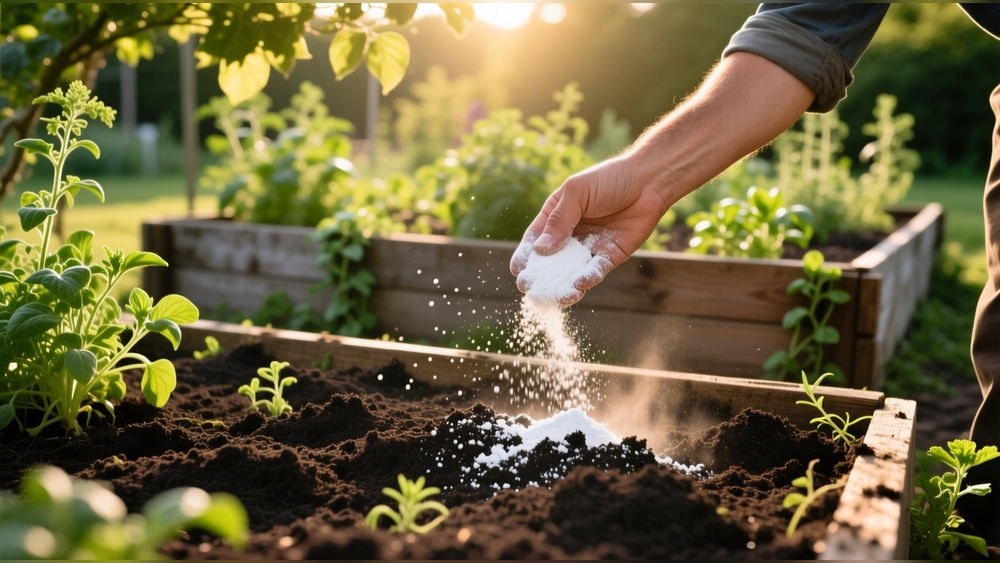
After spreading, incorporate the lime 4–6 inches deep using a rototiller, spade, or garden fork. Surface-applied lime takes much longer to react than lime mixed into the root zone.
On sloped gardens, apply lime along contour lines to minimize runoff. In raised beds or container gardens, mix lime into the entire soil profile for uniform results.
Irrigation And Weather Considerations
After application and incorporation, water the area if rain is not expected. Moisture activates the lime and speeds up its reaction with soil acids.
Avoid overwatering, which can wash lime below the root zone or cause nutrient leaching. A slow, steady watering is best. Mulching after liming can help retain moisture and stabilize soil temperature, further promoting lime effectiveness.
Case Study: Market Farm Liming Practice
A commercial grower in Georgia running a 5-acre vegetable operation applies lime every three years based on soil test results. By using a broadcast spreader and incorporating lime each fall, the grower has maintained soil pH between 6. 3 and 6.
7, resulting in consistent yields and reduced fertilizer costs.
This systematic approach demonstrates the economic benefits of regular soil testing and strategic liming—healthy soil reduces input costs and increases farm profitability.

Crop-specific And Regional Liming Considerations
Ph Preferences Of Common Vegetables
Different vegetables have unique pH requirements. Here is a reference table:
| Vegetable | Optimal pH Range | Liming Recommendation |
|---|---|---|
| Tomato | 6.0–6.8 | Lime if pH < 6.0 |
| Carrot | 6.0–7.0 | Lime if pH < 6.0 |
| Potato | 5.5–6.5 | Do NOT over-lime |
| Broccoli/Cabbage | 6.5–7.0 | Lime if pH < 6.5 |
| Beans/Peas | 6.0–7.5 | Lime if pH < 6.0 |
Other crops, such as onions, lettuce, and spinach, are also sensitive to low pH and respond well to liming. Acid-loving crops, including sweet potatoes and blueberries, should not be limed unless pH drops below their already low preferred range.
Regional Soil Differences
- Northeastern US: Acidic soils common due to heavy rainfall; liming often needed every 2–3 years.
- Southeastern US: Warm, humid climate accelerates soil acidification; regular liming is essential.
- Midwest/Plains: Less acidic soils; liming less frequently required.
- Western US: Alkaline soils in arid areas; liming rarely needed.
Some coastal regions experience rapid acidification due to high rainfall and sandy soils, while regions with limestone bedrock may naturally have higher pH. Understanding your region’s typical soil profile helps you anticipate liming needs.
For more on regional soil differences, see the USDA NRCS Soil Health page.
Organic Gardens And Liming
Organic vegetable gardens can safely use agricultural lime, as it is a natural mineral product. However, always check for OMRI certification if you’re seeking organic compliance (OMRI).
Some certified organic gardeners use alternative pH adjusters, such as crushed eggshells or oyster shell flour, but these act more slowly and require larger quantities. Regardless of product, soil testing and careful application are just as important in organic systems.
Real-world Example: Liming In Raised Beds
In California, a school garden using raised beds found soil pH dropping to 5. 7 after several years of compost addition and irrigation. By liming in the fall and integrating the lime thoroughly, the school restored pH to 6. 5, improving lettuce and radish yields and reducing disease problems.
This case highlights the fact that even intensively managed soils—such as those in raised beds—require ongoing monitoring and occasional pH adjustment for best results.
Risks, Mistakes, And How To Avoid Over-liming
Common Liming Mistakes
- Skipping soil tests and applying lime blindly, which can lead to overcorrection and nutrient imbalances.
- Applying lime too close to planting—not allowing enough time for pH adjustment, limiting the benefit to crops.
- Over-liming, which can make soils too alkaline and reduce nutrient availability.
- Neglecting to incorporate lime—surface applications are slow to react, especially in clay or compacted soils.
- Ignoring soil type—using the same amount of lime regardless of texture, resulting in inconsistent results.
Additional mistakes include applying lime at the same time as phosphorus fertilizers (which can cause phosphate lock-up), or using construction lime/quicklime, which is not suitable for gardens.
Signs Of Over-liming
- Poor plant growth despite fertilization
- Chlorosis (yellowing leaves)
- Micronutrient deficiencies, especially iron and manganese
- Soil pH above 7.0
Other symptoms include leaf tip burn, poor root development, and in severe cases, wilting or dieback. Over-limed soils may also become compacted and suffer from reduced biological activity.
If over-liming occurs, soils may require sulfur or acid-forming fertilizers to correct the pH, or simply time and the addition of organic matter.
Environmental Impact And Lime Selection
Overuse of lime can leach into groundwater or disrupt soil biology. Always use agricultural lime—avoid quicklime or hydrated lime unless specifically recommended by a soil scientist.
Responsible liming practices protect local waterways from runoff and preserve beneficial soil life. Always store lime in a dry place, and avoid application immediately before heavy rain.
For safe and environmentally conscious liming, consult resources such as the US EPA Agricultural Impact page.
Data Table: Symptoms Of Under-liming Vs. Over-liming
| Symptom | Under-Liming (Acidic Soil) | Over-Liming (Alkaline Soil) |
|---|---|---|
| Leaf Color | Yellowing, purpling | Yellowing, interveinal chlorosis |
| Growth Rate | Stunted | Stunted |
| Root Health | Poor, with browning | Poor, with limited branching |
| Yield | Low | Low |
Maximizing The Benefits Of Lime For Long-term Garden Health
Integrating Lime With Fertility Plans
Lime affects not just pH, but also nutrient dynamics. For instance, lime can reduce the need for phosphorus fertilizers by making existing phosphorus more available. However, liming too close to fertilizer application can sometimes cause nutrient tie-up. Ideally, lime is applied in the fall, and fertilizers are added in spring before planting.
When integrating lime with your fertility plan, consider using crop residues, compost, and cover crops to further enhance soil quality. These amendments, combined with proper liming, promote a balanced soil ecosystem—ensuring that nutrients remain available throughout the growing season. For example, growing a winter cover crop after fall liming can help retain nutrients and improve soil texture, making spring planting easier and more productive.
Building Organic Matter And Soil Structure
Healthy soils buffer pH changes and reduce the frequency of liming. Add compost, well-rotted manure, and cover crops to build soil organic matter and improve structure. These practices:
- Slow down soil acidification
- Enhance nutrient holding capacity
- Support beneficial microbes
High organic matter also improves water retention and root penetration, making the soil more resilient to drought and compaction. A diverse soil food web, fostered by regular additions of organic matter, helps maintain a stable pH and reduces the risk of both under- and over-liming.
For more on building soil health, visit the Soil Science Society of America.
Monitoring And Adjusting Over Time
- Test soil pH every 2–3 years, or more often if you notice changes in plant health or after heavy fertilizer use.
- Track lime application dates and amounts in a garden journal or spreadsheet.
- Adjust liming schedule based on test results, observed plant health, and regional climate variations.
Regular monitoring allows you to catch pH drift early and maintain optimal growing conditions. Consider testing different garden areas separately, especially if you have a large or diverse plot, to tailor liming practices more precisely.
Case Study: Community Garden Success
A community garden in Boston coordinated a liming schedule across all plots. By testing annually and liming only when necessary, the garden maintained ideal pH for all members, resulting in record tomato and pepper harvests and a significant reduction in disease outbreaks.
This collective approach demonstrates that coordinated soil management can benefit not just individual gardeners but entire communities. Shared resources for soil testing and bulk lime purchases can also reduce costs and improve outcomes.
Frequently Asked Questions
What Is The Main Purpose Of Adding Lime To Vegetable Gardens?
Lime is added to vegetable gardens primarily to raise soil pH and reduce acidity. This adjustment makes nutrients more available to plants, boosts microbial activity, and creates optimal conditions for most vegetables to thrive. Without proper pH, even well-fertilized soils can limit plant health and yield.
How Soon After Liming Can I Plant Vegetables?
It is generally best to wait 2–3 months after liming before planting vegetables. This allows time for the lime to react with the soil and adjust the pH. If you must plant sooner, ensure the lime is thoroughly incorporated and keep in mind that full benefits may not be realized in the first season.
For perennial beds or overwintered crops, liming should be done post-harvest or during the dormant season to avoid disrupting active roots.
Can I Use Wood Ash Instead Of Lime In My Garden?
Wood ash can raise soil pH and supply potassium, but it is less predictable than agricultural lime and can quickly make soil too alkaline if overapplied. Use wood ash sparingly, test soil regularly, and avoid using it around acid-loving crops like potatoes or blueberries. For more, see Gardening Know How.
Are There Vegetables That Do Not Benefit From Liming?
Yes. Potatoes prefer slightly acidic soil (pH 5.5–6.5) and may develop scab disease if soil is over-limed. Other acid-loving crops include sweet potatoes and blueberries. Always check the pH preference of your vegetables before liming.
How Often Should I Lime My Vegetable Garden?
Frequency depends on soil type, rainfall, and crop rotation, but most gardens require liming every 2–3 years. The only way to know for sure is to test your soil pH regularly and lime only when the pH drops below optimal levels for your crops.
Maintaining the proper pH in your vegetable garden is a cornerstone of successful, sustainable gardening. By understanding when and how to apply lime, you set the stage for healthier plants, improved yields, and more resilient soil. With careful timing, regular soil tests, and attention to the specific needs of your crops and region, liming becomes a powerful tool in your gardening toolkit—helping you reap the best possible results season after season.