How to Collect Dahlia Seeds From Plants (Easy Fall Guide)
Growing dahlias isn’t just about enjoying their spectacular blooms throughout the summer and fall. For many gardeners, the real reward comes later—when those vibrant flowers fade and the opportunity arises to collect your own dahlia seeds. Harvesting and saving dahlia seeds is a satisfying way to propagate new, unique varieties, enjoy the full lifecycle of your garden, and share homegrown beauty with others. Yet, for those new to seed saving, the process can seem shrouded in mystery and uncertainty: When are the seeds ready? How do you harvest and store them properly? What tools and timing ensure the best results?
This comprehensive guide removes the guesswork, offering a step-by-step roadmap for collecting dahlia seeds from your own plants, especially during the crucial fall window. We’ll explore why seed saving is both a science and an art, how to identify and harvest viable seeds, the tools and techniques that maximize your success, and the essential tips for storing seeds so they remain viable for future seasons.
Whether you’re an experienced dahlia grower or an enthusiastic beginner, you’ll find actionable advice, expert insights, and practical examples to make this fall’s seed collection your most rewarding yet.
Key Takeaways
- Dahlia seeds produce unique plants, often with surprising flower colors and forms, due to genetic diversity.
- Collecting seeds requires choosing the right flowers, careful timing, and proper drying techniques for best viability.
- Storing dahlia seeds in cool, dry, and dark conditions preserves their germination rate for up to several years.
- Growing from seed is different from propagating tubers—seed-grown dahlias rarely resemble their parent plant.
- This guide covers step-by-step instructions, troubleshooting, and expert tips for a successful fall seed harvest.
Credit: www.longfield-gardens.com
Understanding Dahlia Seed Production
Dahlias are known for their spectacular variety, but understanding their genetic complexity is crucial before diving into seed collection. Unlike some garden flowers, dahlias are highly heterozygous—meaning that seeds produced by a specific dahlia often result in offspring quite different from the parent plant.
How Dahlias Reproduce
Dahlias can be propagated in two primary ways:
- Tuber Division: Cloning the parent plant, ensuring identical flowers.
- Seed Collection: Sexual reproduction, yielding genetically diverse offspring.
When pollinators like bees visit dahlia blooms, they transfer pollen between flowers, often from different varieties. This cross-pollination results in seeds with unique genetic makeups—a delight for those seeking novel flower forms and colors. The genetic shuffle that occurs means even seeds from the same parent plant can grow into remarkably different dahlias, offering a living experiment in garden genetics.
Seed Versus Tuber Propagation: Key Differences
| Method | Genetic Diversity | Time to Flower | Reliability of Traits |
|---|---|---|---|
| Tuber Division | Low (clones) | 1 year | High (same as parent) |
| Seed Collection | High (unique plants) | 1-2 years | Low (traits vary) |
While tuber division is reliable and popular for replicating favorite varieties, seed propagation is where the adventure lies. This process can lead to unexpected results—a pink dahlia might yield yellow, red, or bi-colored offspring, and petal shape and size can differ dramatically.
Pollination And Seed Set
A single dahlia plant can produce hundreds of seeds in a season, but not every bloom will set seed. Open-centered and single-flowered varieties tend to produce more seeds, while double blooms (with many petals) often yield fewer due to limited access for pollinators. Environmental factors such as wind, temperature, and the presence of pollinators play a major role in seed set. In gardens where pollinators are scarce, you may notice significantly fewer seeds.
It’s also worth noting that some specialty dahlias are bred to be sterile and may never produce viable seeds. If you’re growing exhibition varieties, check with the supplier or breeder regarding seed potential.
Why Collect Dahlia Seeds?
- Genetic Diversity: Grow never-before-seen dahlias.
- Cost Savings: Reduce annual tuber purchases.
- Gardener’s Legacy: Pass down unique strains.
- Adaptation to Local Conditions: Over time, seed saving can lead to dahlias that are better adapted to your specific garden microclimate.
For more on dahlia genetics, see the Dahlia Wikipedia page.
Credit: www.moblumen.com
Preparing For Seed Collection
Success in collecting dahlia seeds hinges on thoughtful preparation during late summer and early fall. The right groundwork ensures you’ll harvest mature, viable seeds ready for storage and future planting.
Selecting The Right Flowers
Not all dahlia blooms are created equal when it comes to seed production. To maximize your seed yield:
- Choose open-centered varieties: These are more likely to be pollinated.
- Mark potential seed heads: Use ribbon or garden tags to identify blooms you wish to save for seed.
- Avoid deadheading: Leave selected flowers on the plant until fully mature.
- Observe pollinator activity: Note which plants are most visited by bees and butterflies; these often yield more seeds.
- Consider color and form: If you’re aiming for certain traits, select flowers with those characteristics to maximize your chances, although results will still vary.
Timing Your Harvest
The timing of your seed collection is critical. Seeds need time to develop and mature within the spent flower head.
- Wait until after first frost: In cooler climates, this ensures maximum seed development.
- Check for browning and drying: Mature seed heads will be brown, dry, and papery.
- Monitor weather: Harvest before heavy rains, which can cause seeds to rot or disperse.
- Extend the season: In areas with early frost, consider covering plants with frost cloth to prolong seed maturation. This extra week or two can significantly improve seed quality.
Tools And Materials Needed
Gather these items before starting:
- Sharp scissors or pruning shears for clean cuts that minimize plant damage.
- Paper envelopes or small containers for collecting and sorting seeds.
- Labels and permanent markers to avoid losing track of varieties.
- Mesh or paper bags (for air drying) to prevent mold while allowing airflow.
- Gloves (optional, to protect hands from prickly spent blooms).
- Magnifying glass (optional, for close inspection of seeds).
- Garden notebook for tracking observations and results year over year.
Real-world Example: Prepping For A Successful Harvest
In the Pacific Northwest, master gardener Emily Chen sets aside a dozen marked dahlia plants each September. She avoids deadheading these, allowing the blooms to fade naturally. By mid-October, she finds that about half the seed heads are mature and ready for collection, thanks to her careful planning and strategic selection.
Emily has found that marking blooms with colored ribbon makes it easier to keep track of which plants were most productive or attractive, streamlining her efforts for the following year.
How To Identify And Harvest Mature Dahlia Seeds
The heart of successful seed saving is learning to recognize and harvest fully mature seeds. Collecting too early or from immature heads can lead to poor germination and wasted effort.
Recognizing Mature Seed Pods
A mature dahlia seed head will have:
- Brown, crispy petals and bracts
- A papery, dry feel when squeezed gently
- Exposed central disc with visible seeds
- Seeds that are easily detached from the central disc
Immature seed heads remain green and fleshy—these are not ready for harvest. If you’re unsure, wait a few more days; patience usually results in higher viability.
Other signs of maturity include a loosening of the seed structure within the head. If the seeds begin to drop out when you tap the head, they are likely ready to harvest.
Step-by-step Harvesting Guide
- Cut the Seed Head: Use clean, sharp scissors to snip the spent flower head from the stem, leaving a short section of stem attached. This makes handling and drying easier.
- Dry the Seed Head: Place the cut heads in a mesh bag or on a screen in a well-ventilated, dry location for 5–10 days. Avoid direct sunlight, which can damage seeds. If weather is damp, increase ventilation with a fan or move indoors.
- Extract the Seeds: Once fully dry, gently break apart the seed head. Inside the central disc, you’ll find small, elongated, dark brown or black seeds attached to chaff.
- Clean the Seeds: Separate viable seeds from chaff and debris. Viable seeds are plump and firm; empty husks are flat and light.
- Final Inspection: Use a magnifying glass to check for cracks or mold; discard any questionable seeds.
Visual Guide: Identifying Viable Seeds
| Seed Description | Viable? |
|---|---|
| Dark brown/black, plump, firm | Yes |
| Light, thin, papery, hollow | No |
| Green or soft | No |
Troubleshooting Common Problems
- Moldy or rotten seeds: Caused by harvesting too early or wet weather. Discard affected seed heads.
- No seeds found: Some varieties, especially doubles, set very few seeds. Try open-centered varieties next season.
- Low germination: Ensure seeds are fully mature and properly dried before storage.
- Difficulty removing seeds: If seeds stick to the disc, they may need more drying time.
Case Study: Maximizing Seed Yield In A Community Garden
At the Royal Horticultural Society’s dahlia trial gardens, volunteers found that using mesh bags over maturing seed heads prevented loss from birds and wind, increasing their viable seed collection by 40% compared to uncovered heads. They also experimented with hand pollination, gently transferring pollen from one flower to another with a soft brush, further boosting seed set in less productive varieties.
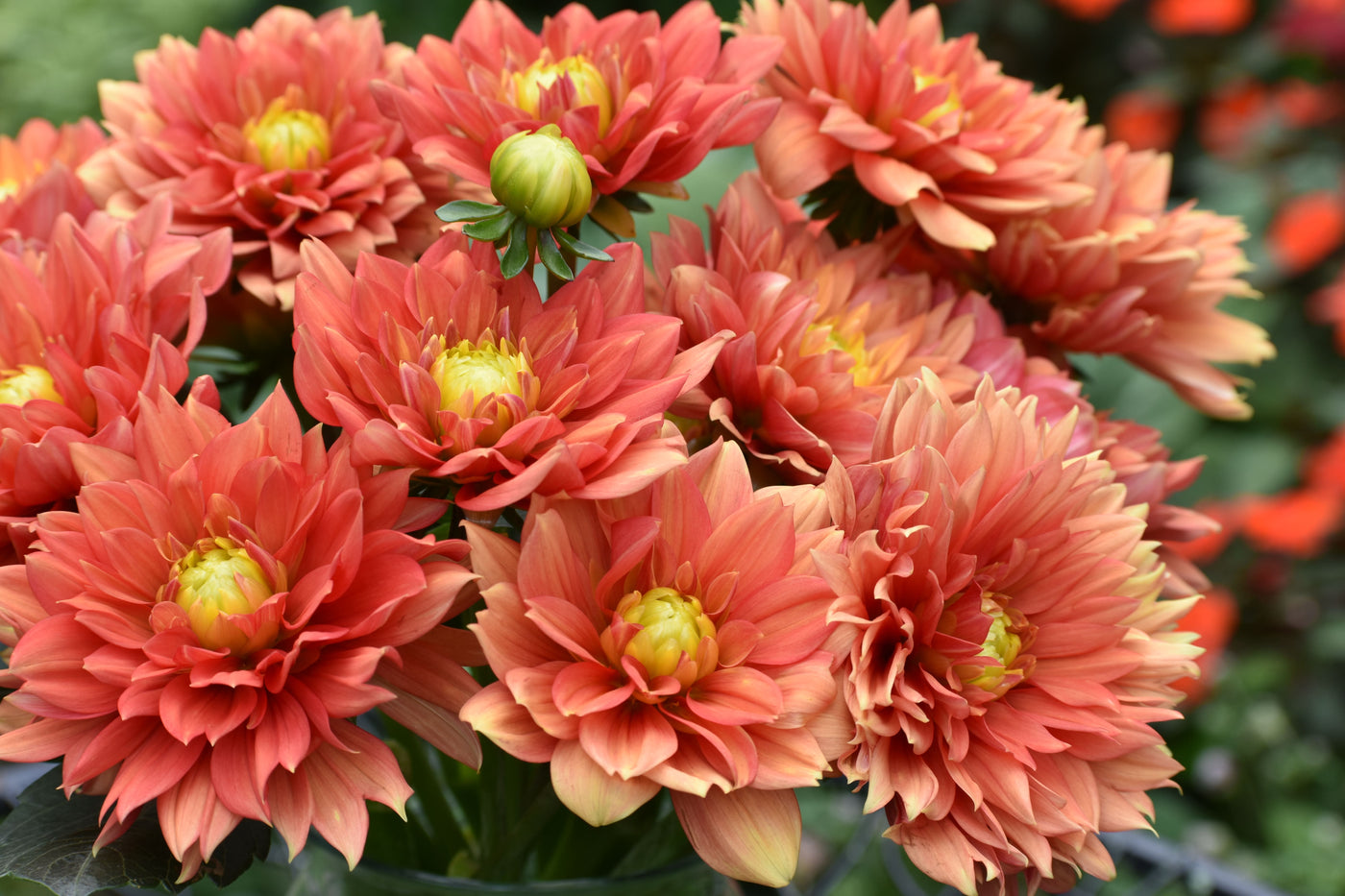
Credit: www.longfield-gardens.com
Drying, Cleaning, And Testing Dahlia Seeds
Proper post-harvest handling is essential to maintain seed viability. Even the best-collected seeds can lose germination potential if exposed to moisture or improper storage.
Drying Seeds Correctly
- Spread seeds on paper towels or screens in a single layer.
- Keep in a dry, well-ventilated space for 7–14 days.
- Avoid high humidity: Use a dehumidifier if needed in damp climates.
- Gently stir seeds daily to ensure even drying and prevent clumping or mold formation.
- Use silica gel packets around, but not in direct contact with, seeds for extra moisture control.
Cleaning And Sorting Seeds
After drying:
- Remove all plant debris, chaff, and immature seeds.
- Inspect each seed: Discard any that are discolored, shriveled, or damaged.
- For large batches, gently roll seeds between your hands to separate chaff.
- Optional water test: Drop seeds into a bowl of water; viable seeds usually sink, while empty shells float. Dry seeds thoroughly after any water testing to prevent mold.
Testing Seed Viability
Before storing, it’s wise to test a sample of your seeds for viability.
Quick Viability Test:
- Place 10–20 seeds between damp paper towels.
- Keep in a warm spot (65–75°F) for 5–7 days.
- Count how many seeds sprout. An 80%+ rate is excellent; below 50% indicates poor quality.
For more rigorous testing, consider planting a small tray of seeds in sterile seed-starting mix and monitoring germination rates under controlled conditions.
Real-world Example: Improving Germination Rates
In a 2026 home trial, gardener Mark Rivera tested three batches of dahlia seeds. He found that seeds dried for at least 10 days in a humidity-controlled environment had a 90% germination rate, while seeds dried for less than 5 days dropped to 60%.
This underscores the value of thorough drying for long-term seed success. Mark also noted that gently rubbing seeds between two fine screens helped separate stubborn chaff without damaging viable seeds.
Data Table: Factors Affecting Dahlia Seed Viability
| Factor | Impact on Viability | Recommended Practice |
|---|---|---|
| Drying time | Longer drying improves viability | 7–14 days minimum |
| Humidity | High humidity decreases viability | Store in dry area |
| Seed maturity | Immature seeds rarely sprout | Harvest only brown, dry heads |
| Storage temperature | Cooler temps extend seed life | Below 50°F ideal |
Storing And Labeling Dahlia Seeds
Once you’ve harvested and prepared your seeds, proper storage preserves their viability for future seasons.
Best Practices For Seed Storage
- Use paper envelopes or glass jars: Paper allows seeds to breathe; glass is ideal if kept bone dry.
- Add silica gel packets: These absorb excess moisture and prevent mold.
- Store in a cool, dark, and dry place: A refrigerator or cool basement works well.
- Avoid plastic bags: These can trap moisture and encourage mold unless using desiccant packets.
- Check seeds monthly during the first few months for signs of moisture or mold, especially if stored in less-than-ideal conditions.
Labeling For Future Success
Accurate labeling is essential, especially if you collect from multiple varieties.
Include on each envelope:
- Variety name and color (if known)
- Date of harvest
- Notes on flower form or source
- Personal observations: For example, “early bloomer” or “excellent pollinator activity.”
- Batch number or code: Useful for tracking results in future seasons.
Longevity And Germination Rates
Stored correctly, dahlia seeds remain viable for 2–3 years, though germination rates decline with age. For more information on seed longevity, see the Seed Savers Exchange guide. To maximize results, aim to sow seeds within one year of harvest.
Real-world Example: Community Seed Swaps
In Portland, Oregon, local gardeners organize autumn seed swaps. Properly labeled dahlia seed envelopes are in high demand, as each packet holds the promise of “mystery dahlias” for next spring. Clear labeling ensures recipients know the origin and year, maintaining trust and maximizing the joy of discovery.
These exchanges have led to the introduction of new local favorites, highlighting the community-building aspect of seed saving.
Sowing Dahlia Seeds: From Harvest To Bloom
Saving dahlia seeds is only the first step—growing these seeds into healthy, blooming plants is the true reward.
When And How To Sow Dahlia Seeds
- Start indoors in early spring: 6–8 weeks before the last frost.
- Use seed trays or small pots: Fill with light, well-draining seed-starting mix.
- Plant seeds 1/4 inch deep: Mist lightly with water.
- Keep at 65–75°F: Provide bright, indirect light.
- Cover trays loosely with clear plastic to retain moisture, removing once seeds sprout.
- Avoid overwatering: Seedlings are prone to damping off.
Germination Timeline
- Seeds sprout in 7–14 days under optimal conditions.
- Transplant seedlings outdoors after the last frost, when soil warms.
- Monitor for true leaves: Once seedlings develop their first set of true leaves, they can be transplanted to individual pots if desired.
Early Care For Seedlings
- Thin seedlings: Remove weaker plants, leaving the strongest.
- Fertilize lightly: Use balanced, diluted fertilizer once true leaves appear.
- Harden off: Gradually acclimate seedlings to outdoor conditions over 7–10 days.
- Watch for pests: Young dahlia seedlings are attractive to slugs and snails; use barriers or organic controls as needed.
Expectations: Flowering And Tuber Production
- Most seed-grown dahlias bloom their first year if started early indoors.
- Tuber formation: These plants will also form tubers, which can be dug and stored for future years.
- Flower variation: Expect a wide range of colors, shapes, and sizes—even from a single batch of seeds.
- Tag favorites: Mark standout plants so you can lift, store, and propagate their tubers in subsequent years.
Case Study: Surprising Results From Seed-grown Dahlias
At the New York Botanical Garden, horticulturists found that less than 10% of seed-grown dahlias resembled their parent plants. However, several seedlings produced award-worthy blooms, proving the value and excitement of genetic variation. Many gardeners report that their favorite garden surprises come from seed-grown dahlias, making each growing season an adventure.
Troubleshooting And Common Challenges
While collecting and growing dahlia seeds is straightforward, some challenges can arise. Understanding these obstacles—and how to overcome them—will boost your confidence and success rate.
Low Or No Seed Set
- Cause: Poor pollination, weather extremes, or growing double-flowered varieties.
- Solutions:
- Grow more single or open-centered dahlias.
- Encourage pollinators by planting companion flowers.
- Consider hand-pollinating with a soft brush.
- Avoid using insecticides during bloom, as these can reduce pollinator visits.
Mold And Rot
- Cause: Harvesting seed heads too soon or storing in humid conditions.
- Solutions:
- Only collect fully dry, brown seed heads.
- Dry seeds thoroughly before storage.
- Add silica gel packets to storage containers.
- Use mesh bags for drying to maximize airflow.
Poor Germination
- Cause: Immature or poorly stored seeds.
- Solutions:
- Test a few seeds before planting the whole batch.
- Store seeds in a refrigerator or cool cellar.
- Discard any seeds that look shriveled or discolored.
- Use fresh seed-starting mix to minimize disease risk.
Unpredictable Flower Types
- Cause: Genetic diversity in seed-grown dahlias.
- Solutions:
- Embrace the surprise! Tag favorite plants for tuber propagation in future years.
- Share “mystery” seed-grown dahlias with friends and neighbors.
- Keep detailed notes on plant characteristics to guide future selection.
Pest And Disease Issues
- Aphids and slugs: Protect seedlings with row covers or organic deterrents.
- Fungal diseases: Use clean pots and sterile soil when starting seeds.
- Damping off: Avoid overwatering and ensure good air circulation.
Tips For Maximizing Seed Collection And Garden Success
Taking your dahlia seed-saving journey to the next level requires a few advanced strategies and gardener’s tricks.
Encourage Pollinators
- Plant a diverse array of flowers: Sunflowers, cosmos, and marigolds attract bees.
- Avoid pesticides: These can harm beneficial insects.
- Provide water sources: Shallow dishes with pebbles support pollinators.
- Create pollinator “corridors”: Plant pollinator-friendly flowers in clusters for greater effect.
- Leave some wild areas: Allowing a patch of your garden to grow wild can provide habitat for pollinators.
Marking And Tagging
- Use bright, weatherproof tags: Mark potential seed heads early.
- Keep a garden notebook: Record which varieties produce the best seeds.
- Photograph blooms and plants: Visual records aid in tracking plant performance and seed results.
Participate In Seed Exchanges
- Join local or online seed swaps: Connect with other dahlia enthusiasts.
- Label and share your seeds: Help preserve genetic diversity.
- Share germination and bloom results: Building a community knowledge base benefits all participants.
Stay Informed And Inspired
For up-to-date research and growing tips, visit resources like the American Dahlia Society and the Royal Horticultural Society. Attend local garden club meetings or webinars to learn from experienced growers and share your own experiences.
Real-world Example: Creating A “dahlia Seed Bank”
In 2026, a suburban gardening club launched a dahlia seed bank, collecting and cataloging seeds from more than 50 local gardens. Their efforts not only created a living archive of unique varieties but also fostered community and encouraged experimentation among novice and expert growers alike.
Each participant contributed notes and photos, helping the group identify promising new varieties and adapt growing methods to local conditions.
Frequently Asked Questions
How Can I Tell If My Dahlia Seeds Are Viable?
Viable dahlia seeds are plump, firm, and dark brown or black. You can test viability by sprouting a few seeds between damp paper towels for a week. If most sprout, your batch is healthy. For added confidence, try the float test: viable seeds usually sink in water, while hollow shells float.
Will Seeds From My Favorite Dahlia Produce Identical Flowers?
No. Due to genetic variation, seed-grown dahlias usually differ from the parent plant in color, shape, and size. For exact copies, propagate by tuber division instead. However, some gardeners have succeeded in stabilizing certain traits over several generations by consistently selecting and saving seeds from plants with those desirable characteristics.
Can I Collect Seeds From Double-flowered Dahlias?
It’s possible but less likely. Double-flowered dahlias often produce few viable seeds because their tightly packed petals limit pollination. Single and open-centered varieties are more reliable seed producers. If you’re determined to try, consider hand-pollinating to improve the odds.
How Should I Store Dahlia Seeds For Best Longevity?
Store dry seeds in paper envelopes or sealed glass jars with a silica gel packet, in a cool (below 50°F), dark, and dry location. Properly stored, seeds remain viable for up to three years. Avoid storing seeds near fruits or vegetables, as ethylene gas can reduce seed viability.
When Is The Best Time To Collect Dahlia Seeds?
Late fall, just after the first frost and once seed heads are brown and dry, is ideal for harvesting mature, viable dahlia seeds. In mild climates, you may be able to extend the collection period into early winter, provided plants and seed heads remain healthy.
Harvesting dahlia seeds from your own garden is a deeply rewarding pursuit, blending patience, curiosity, and a love of botanical surprises. By following the steps outlined in this guide—from selecting and marking blooms to drying, storing, and sowing seeds—you’ll not only save money and foster sustainability but also unlock a world of unique, homegrown dahlias.
Whether you’re aiming to breed show-stopping varieties or simply enjoy the thrill of discovery, fall is the perfect time to start your seed-saving journey and nurture a legacy of garden beauty for years to come. The seeds you collect this autumn may surprise you with their beauty, resilience, and diversity—making each gardening season richer and more fulfilling than the last.