How to Put Landscape Fabric Around Trees the Right Way
Creating a healthy landscape around trees involves more than just planting and watering. One of the most effective tools for promoting tree health and controlling weeds is landscape fabric . While landscape fabric is widely used in home gardens and professional landscaping , improper installation can do more harm than good. Roots can suffocate, water penetration may be compromised, and the fabric can become a haven for pests if not handled correctly. So, how do you put landscape fabric around trees the right way? This guide walks you through the step-by-step process, backed by research, expert advice, and actionable tips for both novice gardeners and experienced landscapers.
As urban and suburban yards increasingly prioritize low-maintenance beauty and sustainability, weed barriers like landscape fabric have become a staple. Yet, the debate over its benefits and drawbacks continues. We’ll clarify when and why landscape fabric works, how to install it to maximize tree health, and what common mistakes to avoid. Whether you’re protecting a sapling or managing a mature landscape, these best practices will help ensure your trees thrive for years to come.
Key Takeaways
- Proper installation of landscape fabric around trees reduces weeds without harming tree roots or soil health.
- Using the right materials and techniques ensures water and nutrients reach roots effectively.
- Common mistakes—like wrapping too close to the trunk or using non-breathable fabric—can damage trees.
- Mulching over fabric enhances aesthetics and increases the barrier’s effectiveness.
- Regular maintenance and monitoring are essential for long-term success.
- Case studies show increased tree growth and reduced maintenance with correct landscape fabric use.

Credit: www.reddit.com
Understanding Landscape Fabric And Its Role Around Trees
What Is Landscape Fabric?
Landscape fabric is a porous material—usually made from woven polypropylene or polyester—designed to block sunlight and prevent weed growth while allowing air and water to reach the soil. It’s available in various thicknesses and grades, from lightweight options for annual beds to heavy-duty fabrics for perennial landscapes and trees.
Landscape fabric is engineered to balance weed suppression with soil health. By permitting water and nutrients to flow through, it avoids the pitfalls of impermeable barriers. Some advanced fabrics are even infused with antimicrobial agents to further reduce pest and disease buildup, making them ideal for environments where plant health is paramount.
Benefits Of Using Landscape Fabric
- Reduces weed competition: By blocking sunlight, landscape fabric prevents most weeds from germinating.
- Minimizes soil erosion: It holds soil in place during heavy rains or wind.
- Improves water retention: Water passes through to roots, but evaporation is reduced.
- Enhances aesthetic appeal: Keeps mulch and decorative stones neat and tidy.
- Reduces maintenance: Less time weeding and more time enjoying your landscape.
- Controls soil temperature: Provides a moderating effect, reducing extreme fluctuations that can stress roots.
Recent studies suggest that the use of landscape fabric can reduce weed emergence by up to 90% compared to bare soil, according to the American Society for Horticultural Science. This high level of weed suppression is especially valuable in climates with aggressive weed growth, where manual weeding is not sustainable.
Additionally, landscape fabric can help protect newly planted trees from competition with established turfgrass, which often robs young roots of moisture and nutrients. The fabric acts as a physical boundary, giving trees a head start in their formative years.
Limitations And Risks
Despite its benefits, improper installation can:
- Restrict air and moisture to roots.
- Cause roots to grow into or above the fabric.
- Increase susceptibility to pests and diseases under the fabric.
- Degrade soil quality over time if organic matter isn’t replenished.
- Lead to compaction issues if soil beneath the fabric is not properly prepared.
Landscape fabric is not a one-size-fits-all solution. If not installed with care, it can create a barrier to healthy soil processes. For example, soil microorganisms and earthworms may have reduced access to the surface, impacting nutrient cycling. This risk is minimized by selecting the right fabric and covering it with organic mulch, which slowly decomposes and adds nutrients back to the soil.
Why Trees Need Special Consideration
Tree roots are not static; they expand as the tree matures. Unlike annual flowers or shrubs, trees require an environment where roots can breathe, absorb water, and exchange gases with the atmosphere. Suffocating roots with an impenetrable barrier or placing fabric too close to the trunk can lead to root rot, girdling, and even tree death. Therefore, understanding the unique needs of trees is critical for success.
Trees also have a symbiotic relationship with soil fungi (mycorrhizae), which help them absorb nutrients. Landscape fabric that is too restrictive can interfere with these beneficial organisms. It’s important to balance weed control with the preservation of this ecosystem, making careful fabric selection and placement crucial.

Credit: www.youtube.com
Choosing The Right Landscape Fabric For Trees
Types Of Landscape Fabric
Selecting the right fabric is the first step toward a healthy, low-maintenance tree base. The main types include:
- Woven fabric: Best for trees; durable, allows air and water flow.
- Non-woven fabric: More like felt; good for moisture retention but less breathable—often used in flower beds, not ideal for trees.
- Spun-bonded fabric: Lightweight, breathable, and easy to handle; suitable for light-duty applications.
Choosing between these types depends on the tree species, site conditions, and intended lifespan. Woven fabrics are generally recommended for their balance of durability and permeability, especially in areas with perennial plants and established trees.
Comparison Table: Landscape Fabric Types
| Type | Permeability | Durability | Best Use |
|---|---|---|---|
| Woven | High | 10+ years | Trees, shrubs, perennials |
| Non-woven | Moderate | 5-8 years | Flower beds, moisture control |
| Spun-bonded | High | 3-5 years | Vegetable gardens, temporary use |
Key Selection Criteria
- Permeability: Choose a fabric that allows water and air to pass through freely.
- UV resistance: Look for UV-stabilized options for longevity.
- Tear resistance: Important for high-traffic or exposed areas.
- Eco-friendliness: Some newer fabrics are biodegradable; consider for sustainability.
- Thickness: Thicker fabrics offer greater durability but may reduce permeability. Balance is key.
A high-quality landscape fabric will typically have a permeability rating above 100 gallons per square foot per minute. This ensures that even during heavy rains or irrigation, water will not pool or run off, but will reach the roots where it’s needed most.
Recommended Brands And Products
- Dewitt Pro 5 Weed Barrier: UV-stabilized, woven, ideal for trees (Dewitt Company)
- Scotts Landscape Fabric: Widely available, affordable, good permeability
- GardenMate Professional: Heavy-duty, long lifespan
Always purchase from reputable suppliers to ensure you’re getting genuine landscape fabric and not plastic sheeting, which can suffocate roots. If you’re installing around valuable specimen trees, consider professional-grade options that guarantee performance and longevity.

Credit: www.reddit.com
Step-by-step Guide: How To Install Landscape Fabric Around Trees
Step 1: Prepare The Area
- Clear debris: Remove weeds, grass, rocks, and old mulch from around the base of the tree. Take extra care to eliminate invasive weeds such as bindweed or Bermuda grass, which can penetrate fabric if not properly eradicated.
- Measure the area: Determine the diameter of the tree’s canopy (dripline) for optimal coverage. For young trees, a radius of at least 3 feet is recommended; for mature trees, measure to the edge of the canopy.
- Rake and level: Smooth the soil to create a flat surface for fabric installation. If the soil is compacted, loosen it gently with a garden fork to improve air and water penetration.
Step 2: Cut And Fit The Fabric
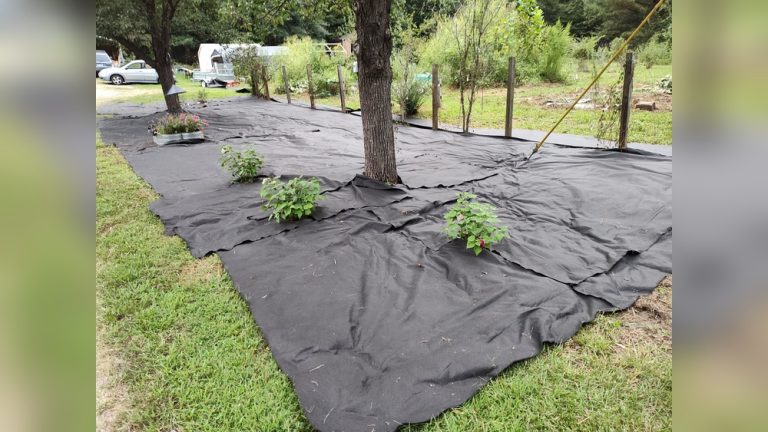
- Cut fabric to size: The fabric should cover the area from the trunk out to the dripline (the edge of the farthest-reaching branches). For irregularly shaped canopies, cut the fabric in a rounded or oval shape for full coverage.
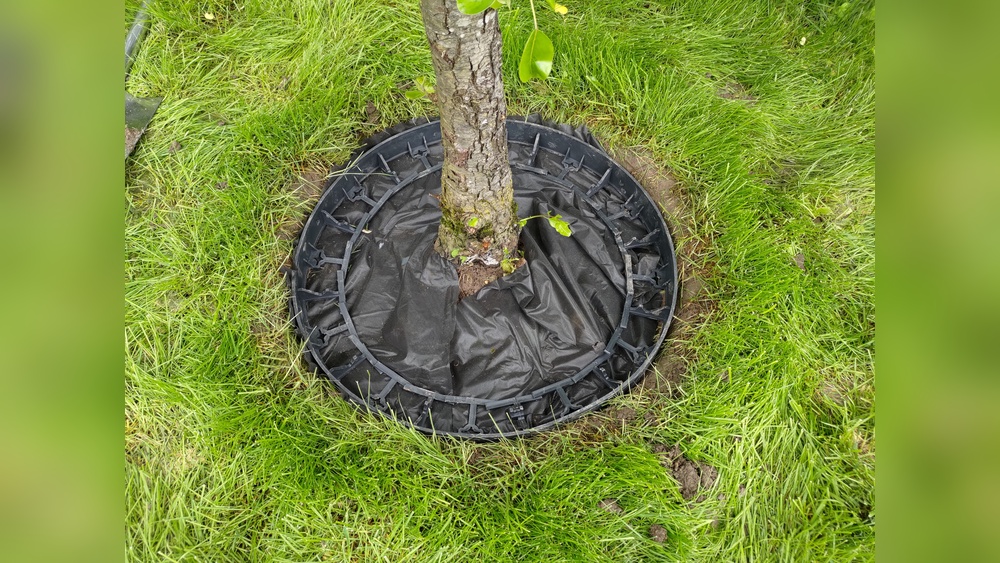
- Create a center slit: Cut a straight line from one edge to the center, then a small circle to fit around the tree trunk. This allows you to wrap the fabric around the trunk without damaging roots.
- Fit fabric around trunk: Gently lay the fabric around the base, ensuring it’s not tight against the trunk. Leave at least 6 inches of open soil between the fabric and the trunk to allow for gas exchange and prevent moisture buildup.
Step 3: Secure The Edges
- Overlap edges: If using multiple pieces, overlap by at least 6 inches to prevent weed breakthrough. This overlap is crucial for stopping aggressive weeds that can exploit gaps.
- Anchor fabric: Use landscape fabric pins or stakes every 12-18 inches around the perimeter. For windy locations or sloped sites, increase the number of pins for added security.
Step 4: Mulch Over The Fabric
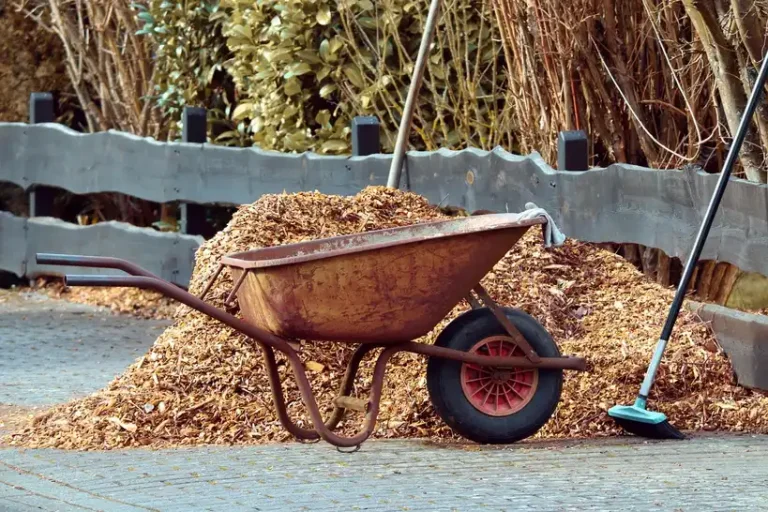
- Choose natural mulch: Wood chips or shredded bark are preferred for trees. These types of mulch decompose slowly, providing nutrients and fostering beneficial soil organisms.
- Spread evenly: Apply 2-3 inches of mulch over the fabric, keeping mulch at least 2-3 inches away from the trunk to prevent rot. For larger trees, extend mulch coverage as far as the dripline for maximum benefit.
- Smooth and tidy: Rake for an even, attractive appearance. Avoid creating “mulch volcanoes,” which are mounds piled against the trunk; these can cause fungal infections and attract pests.
Step 5: Water And Monitor
- Test permeability: Water the area to ensure moisture passes through to the roots. If water pools, check for soil compaction or fabric blockage.
- Inspect regularly: Check for weeds, fabric exposure, or signs of root issues every few months. Look for evidence of new root growth above the fabric, which may indicate the need to expand the coverage area.
Visual Guide: Installation Steps
| Step | Action | Key Consideration |
|---|---|---|
| 1 | Clear and level soil | Remove debris for good contact |
| 2 | Cut and fit fabric | Allow room around trunk |
| 3 | Secure with pins | Prevent shifting or wind lift |
| 4 | Mulch over fabric | Don’t pile against trunk |
| 5 | Water and monitor | Check for proper moisture |
Key Mistakes To Avoid
- Placing fabric too close to the trunk: Can cause rot and pest problems. Always maintain at least 6 inches of space.
- Using plastic sheeting: Unlike landscape fabric, plastic does not allow air/water exchange, leading to poor soil health and potential root suffocation.
- Skipping mulch: Exposed fabric deteriorates quickly under UV light, reducing its lifespan and effectiveness.
- Ignoring regular checks: Over time, roots may grow above the fabric or weeds may take hold. Annual inspection is essential to catch problems early.
For a detailed illustrated guide, refer to the Arbor Day Foundation.
Best Practices For Long-term Tree Health
How Wide Should The Fabric Extend?
The dripline is generally the best indicator for how wide to install landscape fabric. This is the area directly under the outer circumference of the tree’s canopy, which is where most feeder roots are located.
- Young trees: Extend fabric at least 3 feet from the trunk.
- Mature trees: Go out as far as the dripline (often 6-10+ feet).
- Group plantings: If trees are planted in clusters, extend fabric to cover the combined dripline area for each tree.
Extending the fabric to the dripline ensures that the tree’s most active roots have access to moisture and nutrients, while weeds are kept at bay. For species with shallow roots, such as maples and birches, consider an even wider coverage.
Mulching Best Practices
- Mulch depth: 2-3 inches is ideal. More than 4 inches can suffocate roots, while less than 2 inches may not suppress weeds effectively.
- Mulch material: Use coarse, organic mulch like wood chips, which decomposes slowly and adds nutrients to the soil. Avoid dyed or rubber mulch, which can leach chemicals and offer little nutritional benefit.
- Mulch volcanoes: Avoid piling mulch against the trunk, which can cause disease and pest problems. The best practice is to maintain a flat, even layer with a clear space around the base of the tree.
Mulch also acts as a buffer against temperature extremes, protecting roots from freezing in winter and overheating in summer. As mulch decomposes, it encourages beneficial microbes, improving soil fertility and structure.
Regular Maintenance And Inspection
- Annual checkups: Inspect fabric and mulch annually for tears, shifting, or weed growth. Address any gaps or exposed fabric immediately to maintain effectiveness.
- Refresh mulch: Top up mulch as it decomposes or is washed away. Organic mulch should be replenished every 1-2 years, depending on climate and site conditions.
- Adjust fabric as tree grows: Cut further out as the dripline expands to prevent root girdling. Mature trees may require periodic adjustment to accommodate expanding root systems.
Integrating With Irrigation
If your landscape uses drip irrigation, ensure emitters are placed under the fabric so water reaches roots directly. For trees with deep root systems, consider supplemental deep watering during dry periods to support healthy growth.
Case Study: Urban Park Tree Mulching
In a 2026 project, the city of Seattle replaced plastic sheeting with woven landscape fabric and natural mulch around 200 city park trees. Within two years, tree canopy density increased by 18%, and annual weeding labor dropped by 70% (Seattle Parks Department). This demonstrates the long-term value of proper installation and maintenance.
Landscape Fabric Vs. Other Weed Control Methods
Organic Mulch Alone
- Pros: Adds nutrients, supports soil life, easy to refresh.
- Cons: Weeds can germinate in mulch, requires regular replenishment.
Organic mulch is often favored in ecological landscaping, as it supports earthworms and soil microbes. However, in areas with aggressive weeds, mulch alone may not provide sufficient suppression.
Herbicide Use
- Pros: Quick and effective for large areas.
- Cons: Risk of chemical runoff, damage to tree roots, environmental concerns.
Herbicides may be effective for initial site clearing but are discouraged near trees due to the risk of root damage and negative impacts on soil organisms. Many municipalities now restrict herbicide use in public spaces.
Manual Weeding
- Pros: No chemical or synthetic input.
- Cons: Labor-intensive, especially for large or heavily infested areas.
Manual weeding is sustainable but often impractical for large landscapes or busy homeowners. It can also disturb shallow tree roots if done carelessly.
Data Table: Weed Control Options Compared
| Method | Weed Suppression (%) | Soil Health Impact | Labor Requirement |
|---|---|---|---|
| Landscape Fabric + Mulch | 90 | Neutral to Positive | Low (annual checkup) |
| Mulch Alone | 60 | Positive | Moderate (refresh mulch) |
| Herbicides | 85 | Negative | Low |
| Manual Weeding | 50 | Positive | High |
Expert Opinion
The University of California Agriculture and Natural Resources recommends a combination of landscape fabric and mulch for the best balance of weed control and soil health (UCANR). In their studies, landscapes managed with this approach demonstrated increased soil moisture and reduced weed pressure, supporting healthier trees with less labor.
Real-world Examples And Case Studies
Homeowner Success Story: The Smiths’ Maple Tree
When the Smith family moved into their new home, they inherited a mature maple struggling under a mat of weeds. After clearing the area, they installed woven landscape fabric and 3 inches of hardwood mulch, careful to keep the fabric 6 inches from the trunk.
Two years later, the tree showed improved leaf color, fewer surface roots, and required only occasional weeding.
The Smiths also noticed that the soil remained moist longer between waterings, reducing their irrigation needs. Their experience highlights the role of landscape fabric in both weed suppression and water conservation.
Commercial Landscape: Office Park Entrance
A Boston office park replaced grass and groundcover with a ring of river birches surrounded by landscape fabric and decorative stone mulch. Maintenance costs dropped by 40%, and tree health improved, with fewer pest issues and better soil moisture retention.
The property manager credited the reduction in maintenance to the durability of the fabric and the stability of the mulch, which remained tidy and attractive throughout the year, even during heavy rains.
Community Garden: Teaching Youth About Tree Care
A community garden in Atlanta used biodegradable landscape fabric and pine bark mulch during a youth gardening program. Within one season, participants observed 80% fewer weeds and learned about the value of proper tree care, leading to long-term stewardship habits.
This project also demonstrated how biodegradable fabrics can be integrated into educational settings, teaching both environmental responsibility and practical gardening skills.
Troubleshooting Common Problems
Weeds Growing Through The Fabric
- Cause: Tears, fabric degradation, or insufficient overlap.
- Solution: Patch holes promptly, add more pins, and keep a thick layer of mulch. For persistent weeds, consider using a pre-emergent herbicide before laying fabric.
Tree Roots Growing Above The Fabric
- Cause: Fabric placed too close to the trunk, roots seeking air or water.
- Solution: Recut fabric farther out from the trunk; use a more permeable material. In some cases, temporarily remove fabric to allow root adjustment.
Water Pooling On The Surface
- Cause: Poor permeability or compacted mulch.
- Solution: Use higher-quality, woven fabric; fluff mulch to improve drainage. Aerate the soil if necessary.
Fabric Breaking Down Quickly
- Cause: Exposure to UV light or poor-quality material.
- Solution: Always cover fabric with mulch; choose UV-stabilized options. Replace degraded fabric as soon as possible to maintain weed suppression.
Case Study: Solving Root Girdling
A city in Ohio noted declining health in street trees surrounded by old, non-breathable fabric. Arborists replaced it with permeable, woven fabric, cut further from the trunk, and mulched properly. Within 18 months, new root growth improved, and tree decline slowed, illustrating the importance of fabric choice and installation.
Environmental Impact And Sustainability Considerations
Is Landscape Fabric Eco-friendly?
Traditional landscape fabrics are made from synthetic polymers, but innovations now include biodegradable options made from plant-based materials. These break down over 2-5 years, reducing long-term waste.
- Biodegradable options: Made from cornstarch, jute, or coir.
- Recyclable: Some woven fabrics are accepted by recycling programs.
- Reduced landfill impact: Choosing biodegradable or recyclable fabrics supports greener landscaping.
Biodegradable fabrics are especially popular in organic gardens and public spaces, where environmental stewardship is a priority. While they may need more frequent replacement, they contribute organic matter to the soil as they decompose.
Table: Environmental Impact Of Weed Barriers
| Barrier Type | Material | Decomposition Time | Soil Impact |
|---|---|---|---|
| Traditional Woven Fabric | Polypropylene | 10+ years | Neutral |
| Biodegradable Fabric | Jute, coir, cornstarch | 2-5 years | Positive (adds organics) |
| Plastic Sheeting | Polyethylene | 50+ years | Negative (compacts soil) |
External Resources
For more on sustainable landscaping, see the EPA’s Soak Up the Rain: Trees and Wikipedia: Landscape Fabric.
Frequently Asked Questions
What Is The Best Distance To Keep Landscape Fabric From The Tree Trunk?
The fabric should be kept at least 6 inches away from the tree trunk to prevent rot, allow gas exchange, and reduce pest and disease risks. For trees with thick bark or shallow roots, consider extending this gap to 8-12 inches.
How Often Should I Replace The Landscape Fabric Around Trees?
High-quality woven fabric can last 5-10 years if covered with mulch and maintained. Check annually for tears or shifting, and replace as needed. Biodegradable fabrics may require replacement every 2-5 years.
Can I Plant Flowers Or Shrubs Over Landscape Fabric Around Trees?
Yes, but you must cut holes in the fabric for each plant. Avoid crowding tree roots, and use only compatible plants that won’t compete heavily with the tree. Choose drought-tolerant species to minimize water competition.
Does Landscape Fabric Prevent All Weeds?
No, but it reduces weed growth by up to 90%. Some weeds may grow on top of the mulch or in holes, but regular maintenance keeps them manageable. Aggressive perennials or those with rhizomes may still find a way through if installation isn’t thorough.
Is Landscape Fabric Safe For All Tree Species?
Most trees benefit from proper use of landscape fabric, but species with shallow roots (like maples) require extra care. Always choose permeable, woven fabric and avoid plastic sheeting. Consult a local arborist for species-specific recommendations.
Putting landscape fabric around trees the right way is a blend of science, art, and ongoing stewardship. By choosing the right materials, installing them correctly, and maintaining your landscape, you’ll create a healthy environment for your trees to thrive with less effort and fewer weeds.
Whether you’re caring for a single specimen or an entire orchard, these best practices will help you enjoy the beauty and benefits of robust, resilient trees for years to come.