How to Plant Salad Greens From Seed Indoors
Sow salad greens indoors in about 1 to 2 inches of mix, scatter seed thinly at about 20 to 40 seeds per square inch for baby leaves, and keep lights about 2 to 4 inches above the tray. Crowded seed and weak light make seedlings stretch, collapse, and produce far less edible leaf. This guide covers tray depth, seeding rates, moisture, temperature, and lighting so you can harvest tender baby greens from seed.
Why indoor salad greens work
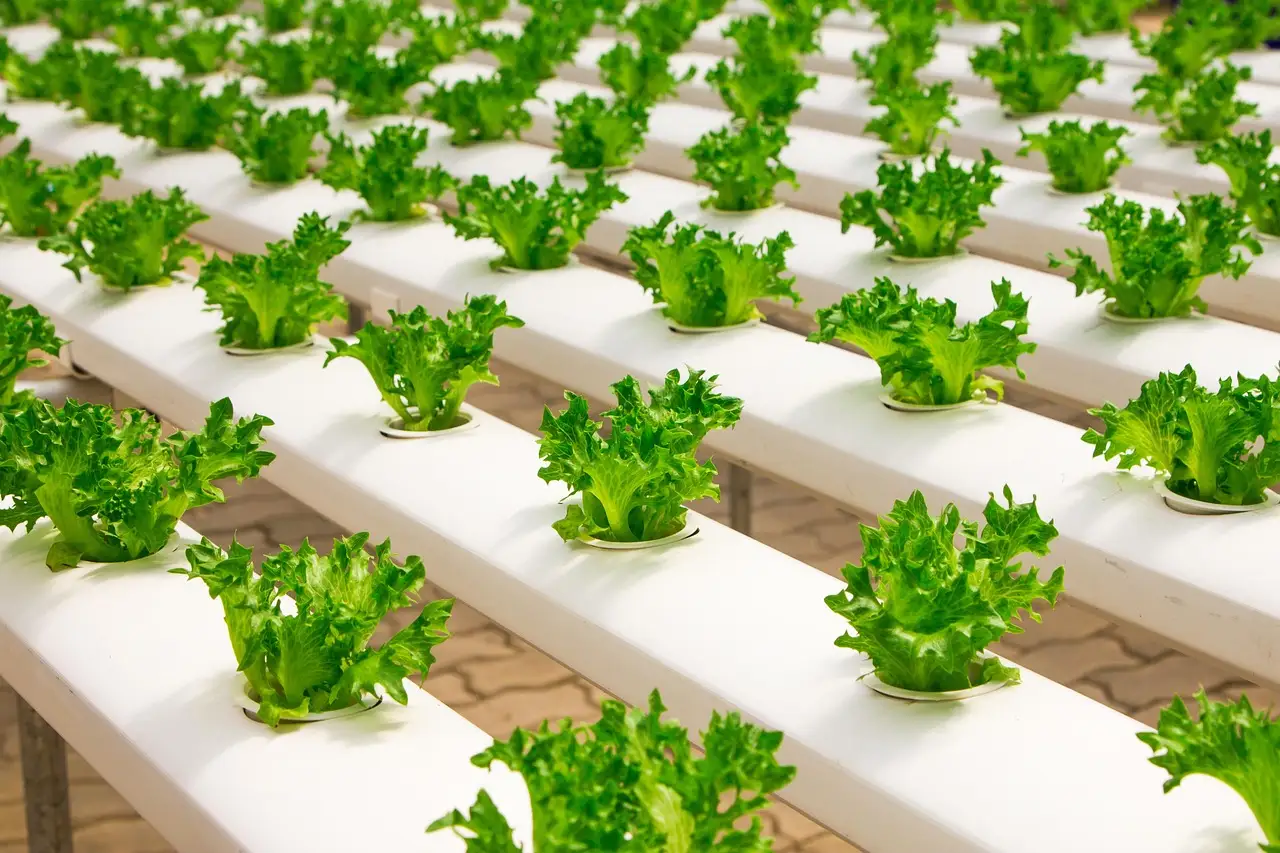
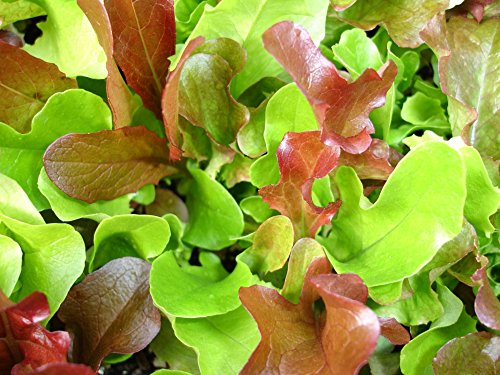
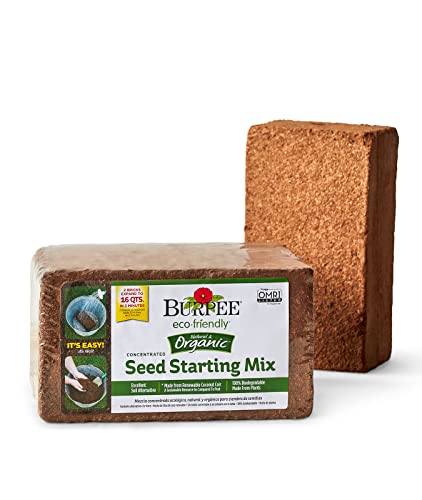
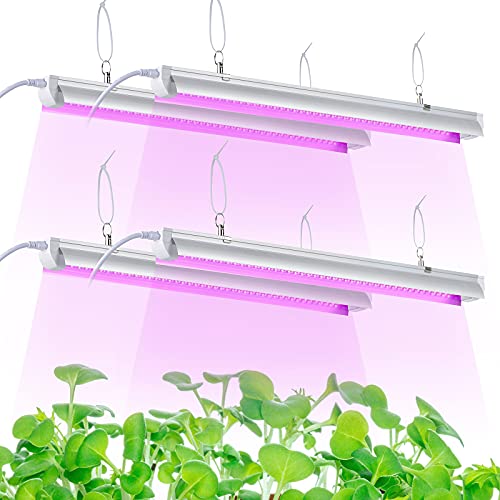
Leafy greens are some of the easiest vegetables to grow indoors, and they fit a winter salad crop well because you harvest leaves, not fruits. Leaf lettuce, arugula, mustard greens, mâche, and mesclun mixes all suit shallow containers or trays when you want baby leaves or repeated cuttings.
Indoor success comes from matching three things: enough light, a shallow but roomy tray, and a mix that stays moist without packing down. South- and west-facing windows are the best window choices, but winter light is often too weak for steady growth, so grow lights give more reliable results.
What you’ll need
- Shallow tray or food-safe container with drainage
- Well-draining potting mix or seed-starting mix
- Salad seed: leaf lettuce, arugula, mustard greens, mâche, or mesclun mix
- Spray bottle or gentle watering can
- Grow light, if natural light is limited
- Humidity dome or clear cover, optional for germination
- Labels and a marker
- Small scissors for harvest
Salad greens cheat sheet
Use this to turn packet language into a usable indoor sowing plan. The depth ranges are shallow on purpose; tiny salad seeds need contact with moist mix, not burial. For baby leaves, the goal is quick, even germination and enough room for leaves to expand before crowding starts.
| Green type | Sowing depth or range | Expected days to baby-leaf harvest |
|---|---|---|
| Leaf lettuce | Surface sow to 1/8 inch | 21 to 35 days |
| Arugula | 1/8 inch | 14 to 25 days |
| Mustard greens | 1/8 to 1/4 inch | 14 to 28 days |
| Mâche | Surface sow to 1/8 inch | 30 to 45 days |
| Mesclun mix | Follow the smallest seed in the mix, usually surface sow to 1/8 inch | 14 to 35 days |
Mesclun mixes can include red and green leaf lettuces, arugula, mustard, cress, kale, endive, chervil, parsley, bok choi, and spinach. Pick blends with similar germination times so one species does not bolt ahead while another is still emerging. Iceberg and romaine are poor indoor picks compared with looseleaf types.
Do salad greens need grow lights indoors?
They do not always need them, but winter greens usually do better with them. A sunny window can work for some greens, yet grow lights are the steadier choice when natural light is weak. Keep lights close to seedlings, often 2 to 4 inches above the tray, and run them 10 to 12 hours daily.
Windowsill-only setup
A south- or west-facing window is the best place to start if you are using sunlight alone. East-facing windows can work for slower growth, but northern windows are least successful. Turn the tray every day so stems do not lean hard toward the glass.
If seedlings still stretch, move the tray closer to the brightest pane and thin the sowing more aggressively next time. A windowsill crop is best for a modest harvest, not a packed tray.
Budget grow-light setup
Cheap fluorescent shop lights are enough for winter greens, and they are often easier to manage than a countertop hydroponic unit. Keep the light less than 2 inches from seedlings once they emerge, then raise it only enough to avoid touching the leaves. Use a simple timer for 10 to 12 hours a day.
Say your tray sits in a dim apartment kitchen. A 10-inch-wide tray under a shop light, kept close to the canopy, will usually hold tighter seedlings than the same tray on a windowsill alone.
How deep should you sow salad green seeds?
For most salad greens, sow very shallowly. Surface sow tiny seed, then cover with a light dusting of mix no deeper than 1/8 inch; mustard can take up to 1/4 inch. The goal is moist seed-to-soil contact with enough oxygen for sprouting, not a buried seedbed.
Parsley is an exception if you are mixing it into a salad blend plan: parsley seeds should be soaked for 24 hours before planting. That is for parsley only, not for the rest of the greens in the tray.
- Fill the tray. Add 1 to 2 inches of well-draining seed-starting mix and level it gently. A mix made from half sterile potting soil and half compost can work in trays, but a sterile or seed-starting mix is preferred for cleaner germination.
- Moisten the surface. Water until the mix is evenly damp, then stop before water pools. The mix should hold moisture without compacting.
- Sow by seed size. Scatter tiny seed over the surface, then cover lightly to the depth in the cheat sheet. Larger salad seed still needs only a thin cover.
- Press, then mist. Gently press seeds into the mix for contact, then mist the surface once more.
Suppose a tray of arugula is buried under half an inch of mix. Germination slows, and the sprouts that do emerge often look pale and weak. The fix is not more water; it is shallower sowing next time.
How thickly should you sow salad greens in trays?
For baby leaves, scatter seed much more thickly than you would for full-size heads. A workable sowing target is about 20 to 40 seeds per square inch, then thin only if the stand is visibly packed. That density favors quick harvests before stems become thin and crowded.
Leaf lettuce is best as baby leaf or cut-and-come-again in shallow trays. Arugula and mustard also handle repeated harvests well. Mâche grows more slowly but forms compact rosettes for cooler indoor conditions, so it needs a little more patience than the faster greens.
- Estimate the tray area. Divide the surface into small zones so you can sow evenly instead of dumping seed in one corner.
- Scatter thinly. Aim for the stated seed density, then tap the tray side to spread seed across the surface.
- Leave airflow room. Do not pack the tray edge to edge with seed. Wider containers give roots more space and better spacing.
- Recheck after emergence. If seedlings touch leaf to leaf before the first true leaves, snip extras at the soil line so the rest can finish cleanly.
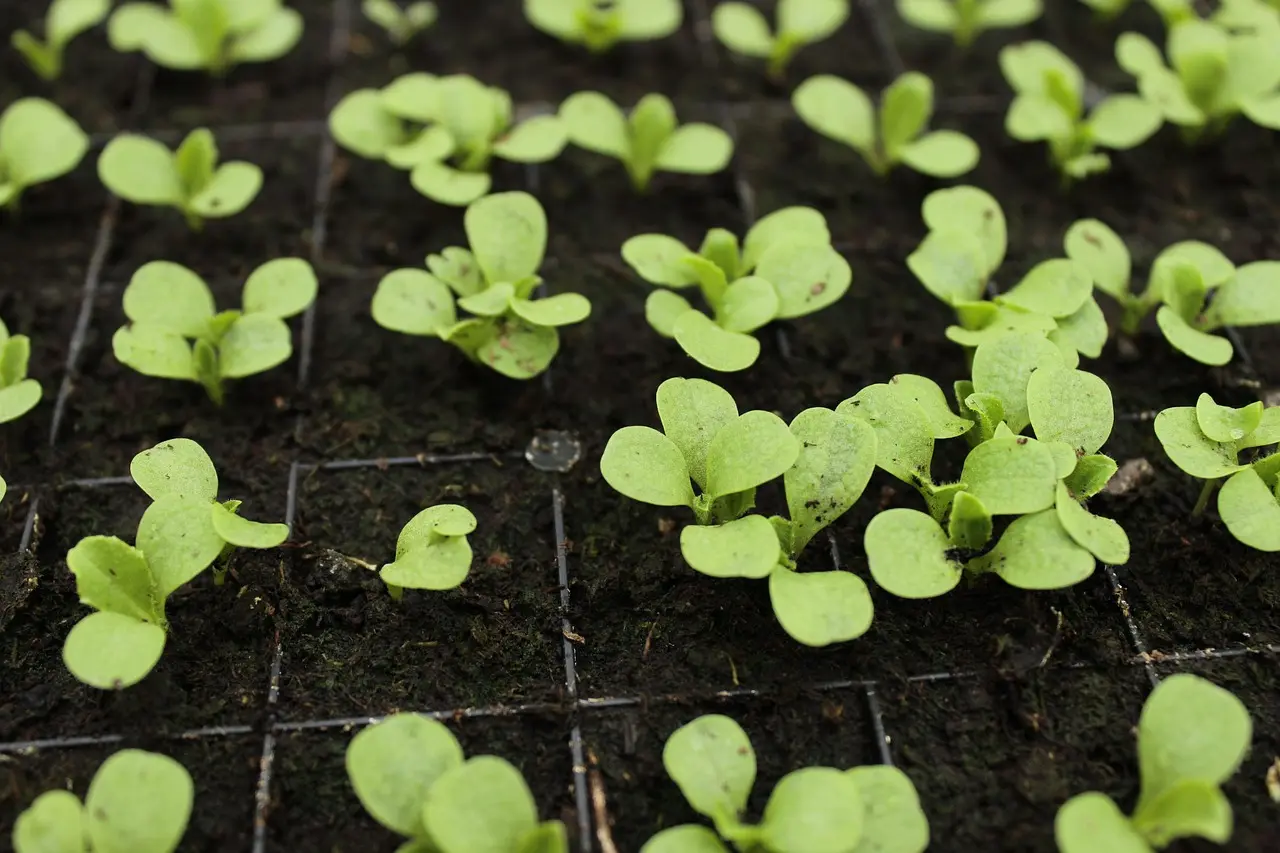
A common first-timer mistake is scattering salad seeds too densely in a shallow seed tray, which leads to crowded, weak seedlings indoors. A dense carpet looks productive for a week, then the lower leaves yellow, air stops moving through the stand, and the harvest turns stringy. Thin sowing avoids that trap.
Common mistakes
The main failures are easy to spot once you know the pattern. Leggy seedlings point to weak light. Mold and damping-off usually follow overwatering or poor airflow. Crowding shows up as thin stems, uneven leaf size, and a tray that looks full before it is ready to eat.
| Mistake | Visible symptom | What caused it |
|---|---|---|
| Too deep | Slow or patchy sprouting | Seeds were buried too far below the surface |
| Too wet | Mold on the surface or collapsing stems | Mix stayed soggy and air could not reach the roots |
| Too crowded | Long, weak stems and tiny leaves | Seeds were sown too thickly for the tray size |
If that didn’t work, try this next: move the light closer by 1 inch, then check the tray again the next day. If stems are still stretching, add a second light source or switch the tray to a brighter window ledge.
For watering trouble, let the top of the mix dry slightly before the next watering, then resume with a fine mist or bottom watering. For crowding, thin more hard than feels comfortable; one crowded tray usually gives less food than one thinned tray.
How to plant salad seeds
Start with shallow trays, fine mix, and a light sowing. Salad seed wants even moisture, close light, and enough surface room to form baby leaves before the stand closes in. In practical terms, that means shallow sowing, moderate density, and a harvest plan that begins early.
Keep the tray near a bright window or under a light source, and do not treat all greens the same. The faster crops, like arugula and mustard, are ready sooner; mâche takes longer but stays compact in cooler indoor conditions.
- Choose the right tray. Use a shallow container with drainage or a food-safe growing system, and avoid overcrowding from the start.
- Add the right mix. Fill with a well-draining sterile or seed-starting mix that stays damp without packing down.
- Sow and cover lightly. Scatter seed at the depth and density in the cheat sheet, then mist to settle it in.
- Place under bright light. Use a sunny window or a grow light kept close to the seedlings.
- Harvest early. Cut baby leaves with scissors once they reach usable size, and take only part of the tray if you want cut-and-come-again growth.
Frequently asked questions
What greens grow best indoors from seed?
Leaf lettuce, arugula, mustard greens, mâche, and mesclun mixes are the best starting points. Leafy greens are the easiest vegetables to grow indoors, while iceberg and romaine are much harder at home. For the fastest return, choose arugula or mustard; for cooler, compact growth, choose mâche.
How do you grow greens indoors?
Use a shallow tray, fill it with seed mix, sow shallowly, and keep the surface evenly moist. Then place the tray in a south- or west-facing window or under a grow light for 10 to 12 hours daily. Harvest as baby leaves before the tray becomes crowded.
How deep should I sow salad green seeds indoors?
Most salad seeds should be surface sown or covered to about 1/8 inch. Mustard can go to 1/4 inch, but deeper than that usually slows sprouting. Press the seed into moist mix so it stays in contact with the surface.
How do you plant greens in a garden?
Outdoors, the same greens need deeper soil, more spacing, and protection from heat or cold swings. Direct-sow after soil conditions suit the crop, and thin seedlings more widely than you would in a tray. The indoor method is faster and tighter; the garden method is broader and slower.