When Can You Plant Gladiolus Bulbs
Every gardener knows the thrill of seeing vibrant gladiolus spikes erupt from the soil, transforming a garden into a tapestry of color. But timing is everything: plant too early, and bulbs may rot or fail to sprout; plant too late, and you risk missing the bloom window altogether. Gladiolus bulbs, also known as corms, require careful planning and knowledge of your climate zone to ensure a stunning summer show. Understanding when to plant gladiolus bulbs is more than a matter of calendar dates, it’s about reading the soil, climate, and your own garden’s needs to maximize blooms and longevity.
Whether you’re a novice gardener or a seasoned horticulturist, getting gladiolus timing right can mean the difference between a spectacular display and disappointment. In this guide, we’ll dissect the science behind planting windows, share real-world examples, and provide actionable advice based on authoritative sources.
From soil temperature to frost dates and succession planting, you’ll learn how to create a gladiolus calendar that works for your garden, wherever you are. Let’s explore the practicalities, data, and strategies for planting gladiolus bulbs so you can enjoy their iconic blooms all season long.
Key Takeaways
- Gladiolus bulbs should be planted after the last spring frost when soil warms to at least 55°F (13°C).
- Planting windows vary by USDA Hardiness Zone; timing is crucial to avoid bulb rot or missed blooms.
- Stagger planting every two weeks for continuous summer flowering.
- Soil preparation and drainage are essential for healthy gladiolus growth.
- Real-world examples show how climate and microclimates affect gladiolus planting success.
- Consult local extension offices or the USDA Plant Hardiness Zone Map for precise timing.

Credit: www.youtube.com
Understanding Gladiolus Bulbs And Their Growth Cycle
Gladiolus are renowned for their tall, striking flower spikes and wide range of colors. Their bulbs, technically called corms, store nutrients for the plant’s growth and are the foundation for robust blooms. The growth cycle of gladiolus begins with the corm’s dormancy during winter, followed by sprouting in spring, flowering in summer, and entering dormancy again in fall.
Gladiolus Corm Anatomy And Function
Each gladiolus corm consists of a swollen underground stem, covered in protective tunics. As temperatures rise and soil conditions become favorable, the corm sprouts roots and shoots, eventually producing leaves and flower spikes. Healthy corms are firm, free from mold, and typically 1, 2 inches in diameter.
Dormancy And Sprouting
Gladiolus corms are dormant during winter, surviving cold and moisture fluctuations. When soil temperatures reach 55°F (13°C), dormancy breaks, and corms begin to sprout. This critical temperature threshold triggers the development of roots and shoots, ensuring vigorous growth.
Flowering And Post-bloom Care
After sprouting, gladiolus plants grow rapidly, producing flower spikes within 70, 90 days, depending on cultivar and conditions. Post-bloom care involves allowing foliage to die back naturally, enabling corms to store energy for the next season. In colder climates, corms must be lifted and stored indoors to prevent winter damage.

Credit: www.youtube.com
The Science Of Timing: When To Plant Gladiolus Bulbs
Planting gladiolus bulbs at the right time is crucial for healthy plants and spectacular blooms. The optimal planting window depends on climate, soil conditions, and regional frost dates.
Soil Temperature And Frost Dates
Gladiolus corms thrive when soil temperatures reach at least 55°F (13°C). Planting before this threshold risks bulb rot and poor sprouting. Use a soil thermometer to check temperature at planting depth (4, 6 inches). In most US regions, this occurs shortly after the last spring frost.
The USDA Hardiness Zone Map is a valuable tool for determining your region’s frost dates. For example:
- Zone 3, 4: Late May to early June
- Zone 5, 6: Early to mid-May
- Zone 7, 8: Late April to early May
- Zone 9, 10: Mid to late March
Succession Planting For Continuous Blooms
To enjoy gladiolus flowers throughout the summer, practice succession planting. Plant corms every two weeks from the last frost until early summer. This strategy ensures staggered blooms and extends the display period.
Regional Variations
Microclimates can affect planting windows. For instance, coastal areas may warm earlier than inland zones, while urban gardens often have warmer soil due to heat islands. Consult local extension offices for tailored advice. The Old Farmer’s Almanac provides regional frost dates and gardening tips.
Example: Southern California Vs. Midwest
A gardener in Southern California (Zone 10) may plant gladiolus as early as March, while a Midwest gardener (Zone 5) waits until May. In my experience, planting too early in the Midwest led to poor sprouting and weak stems, but waiting until soil warmed produced vigorous, tall spikes.
| Region | USDA Zone | Last Frost Date | Planting Window |
|---|---|---|---|
| Pacific Northwest | 7, 8 | Late April | Late April, June |
| Midwest | 5, 6 | Early May | Early May, June |
| Southeast | 8, 9 | Late March | Late March, May |
| Southwest | 9, 10 | Mid March | Mid March, May |
Preparing Soil And Site For Gladiolus Bulbs
Proper soil preparation is key to successful gladiolus growth. These bulbs prefer well-drained, fertile soil in a sunny location.
Assessing And Amending Soil
Gladiolus thrive in loamy, well-drained soil with a pH of 6.0, 6.5. Heavy clay or poorly drained soils increase the risk of bulb rot. Before planting , test your soil’s pH and drainage. Amend clay soils with organic matter or sand to improve aeration.
- Loosen soil to a depth of 12 inches.
- Add compost or well-rotted manure to enrich soil.
- Check drainage: Water should not pool for more than 24 hours after rainfall.
Sunlight And Spacing Requirements
Choose a site with full sun (at least 6 hours daily). Gladiolus planted in partial shade may produce fewer blooms and weaker stems. Space bulbs 6, 8 inches apart to prevent overcrowding and promote airflow.
Planting Depth And Technique
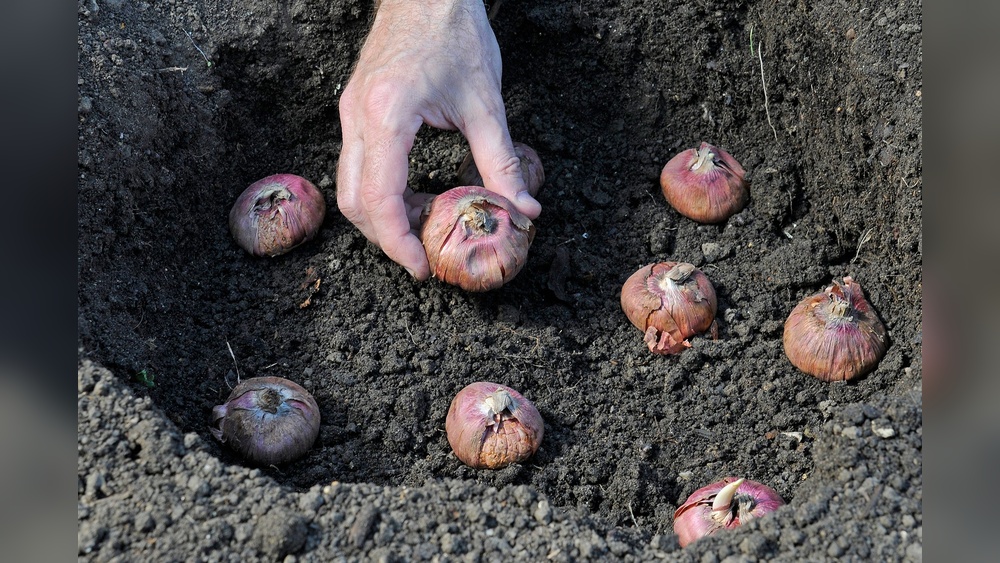
Plant corms 4, 6 inches deep, with the pointed end facing upward. Deeper planting stabilizes tall flower spikes and protects bulbs from temperature fluctuations.
- Water thoroughly after planting.
- Mulch lightly to conserve moisture and suppress weeds.
Example: Urban Garden Soil Remediation
In a city garden, soil often contains debris and compacted clay. One gardener in Chicago improved gladiolus success by double-digging beds and mixing in leaf compost, resulting in taller spikes and more vibrant blooms.
| Soil Type | Drainage | Recommended Amendment | Bloom Quality |
|---|---|---|---|
| Loamy | Excellent | Minimal compost | High |
| Clay | Poor | Sand, organic matter | Medium |
| Sandy | Good | Compost, peat moss | Medium, High |
| Urban (compacted) | Variable | Leaf compost, double-digging | Medium |

Credit: www.youtube.com
Gladiolus Planting Strategies: Maximizing Blooms And Longevity
Planting gladiolus isn’t just about timing, it’s about creating a display that lasts through the summer. Strategic planning can optimize bloom periods and bulb health.
Staggered Planting For Extended Color
Planting corms every two weeks from spring into early summer ensures continuous blooms. Each batch flowers about 70, 90 days after planting , so staggered planting maintains color from June through September.
- First batch: Plant after last frost.
- Second batch: Two weeks later.
- Continue until early summer.
Companion Planting And Garden Design
Gladiolus pair well with dahlias, lilies, and zinnias. These combinations maximize garden diversity and attract pollinators. Avoid overcrowding with aggressive plants that compete for nutrients.
Lifting And Storing Corms In Cold Climates
In USDA Zones 6 and below, gladiolus corms should be lifted and stored before winter. After foliage dies back, dig up corms, dry them, and store in a cool, dry place. This prevents freezing and preserves corms for next year.
Example: Succession Planting In Community Gardens
A community garden in New York implemented staggered gladiolus planting, resulting in vibrant blooms from June through September. Each gardener chose different cultivars and planting dates, creating a patchwork of color and extending the flower show.
Climate And Microclimate Effects On Gladiolus Planting
Local climate and microclimate conditions can dramatically impact gladiolus success. Understanding your environment is essential for optimal timing and performance.
Usda Hardiness Zones And Planting Adjustments
The USDA Hardiness Zone Map divides the US into regions based on average minimum winter temperatures. Gladiolus are not winter-hardy below Zone 7, so bulbs must be lifted in colder regions. Warmer zones allow for earlier planting and longer bloom periods.
Microclimates: Urban, Coastal, And Rural Variations
Microclimates, small areas with unique climate conditions, can affect soil temperature and planting windows. Urban gardens often warm faster due to concrete and heat retention. Coastal gardens may have milder winters and earlier springs, while rural gardens are susceptible to late frosts.
Pro Tip: Use Local Weather Apps
Track soil and air temperatures using weather apps and soil thermometers. Local extension offices provide tailored advice and frost date calculators, helping you fine-tune your planting calendar.
Example: Coastal Vs. Inland Planting Windows
A gardener near San Francisco (coastal Zone 9) planted gladiolus in March, while an inland gardener in Sacramento (Zone 9) waited until April due to cooler nights. Both achieved successful blooms, but coastal conditions favored earlier planting.
Gladiolus Cultivar Selection And Bloom Timing
Choosing the right gladiolus cultivars can affect bloom time, color, and garden performance. There are hundreds of cultivars, each with unique traits.
Early, Mid, And Late-blooming Varieties
Gladiolus cultivars are categorized as early, mid, or late-blooming. Early varieties flower in 70 days, mid-season in 80 days, and late varieties in 90+ days. Mixing these types in your planting plan ensures a long bloom season.
Color And Height Options
Cultivars range from miniature (under 2 feet) to tall (up to 5 feet). Choose colors and heights to complement your garden design. Some popular cultivars include:
- ‘Ben Hur’: Deep pink, tall spikes, late blooming
- ‘Green Star’: Unique green blooms, mid-season
- ‘Nova Lux’: Bright yellow, early blooming
Disease Resistance And Hybrid Options
Hybrid gladiolus often have improved disease resistance and larger blooms. Look for cultivars labeled as resistant to Fusarium and other common diseases.
Example: Mixing Cultivars For Maximum Impact
A gardener in Dallas planted ‘Ben Hur’, ‘Green Star’, and ‘Nova Lux’ in succession, creating a garden with overlapping bloom times and a striking color palette.
| Cultivar | Bloom Time (Days) | Height | Color | Disease Resistance |
|---|---|---|---|---|
| Ben Hur | 90 | 5 ft | Deep pink | Moderate |
| Green Star | 80 | 3 ft | Green | High |
| Nova Lux | 70 | 4 ft | Yellow | Moderate |
| Espresso | 85 | 3.5 ft | Red | High |
Troubleshooting Gladiolus Planting Challenges
Even with careful timing, gladiolus planting can face challenges such as bulb rot, poor sprouting, and pest problems. Addressing these issues early is crucial for success.
Bulb Rot And Poor Drainage
Bulb rot is common when gladiolus are planted in cold, wet soils. To prevent rot:
- Wait until soil reaches 55°F (13°C)
- Improve drainage with sand or organic matter
- Avoid overwatering after planting
Weak Stems And Sparse Blooms
Weak stems result from shallow planting, inadequate sunlight, or overcrowding. Ensure bulbs are planted 4, 6 inches deep and spaced 6, 8 inches apart. Provide full sun for robust growth.
Pest And Disease Management
Gladiolus are susceptible to pests such as thrips and diseases like Fusarium wilt. Inspect corms before planting and use disease-resistant cultivars. Rotate crops annually to minimize soil-borne problems.
Example: Diagnosing Early Sprout Failure
A gardener in Oregon experienced poor sprouting after planting too early in cold, damp soil. By delaying planting until soil warmed, sprouting rates improved, and bloom quality increased significantly.
Post-planting Care For Gladiolus Bulbs
Proper care after planting is essential for healthy gladiolus plants and abundant flowers. This includes watering, feeding, and maintenance.
Watering Protocols
Gladiolus require consistent moisture but dislike soggy soil. Water deeply after planting, then maintain moisture with weekly irrigation (about 1 inch per week). Avoid overhead watering to prevent fungal issues.
Fertilization And Feeding
Apply a balanced fertilizer (10-10-10) at planting and again when flower spikes emerge. Avoid over-fertilizing, which can cause lush foliage but fewer blooms.
Mulching And Weed Control
Mulch beds lightly with straw or shredded leaves to conserve moisture and suppress weeds. Keep mulch away from stems to prevent rot.
Example: Improving Bloom Quality With Proper Feeding
A gardener in Atlanta applied slow-release fertilizer at planting and supplemented with liquid feed as spikes appeared, resulting in larger, brighter blooms and longer-lasting flowers.
Frequently Asked Questions
When Is The Best Time To Plant Gladiolus Bulbs Indoors For Forcing?
For indoor forcing, plant gladiolus bulbs in pots 8, 10 weeks before your desired bloom date. Use well-drained potting mix, keep temperatures above 60°F (16°C), and provide bright indirect light. This method allows for winter or early spring blooms indoors.
Can Gladiolus Bulbs Be Planted In Containers Outdoors?
Yes, gladiolus bulbs thrive in containers if provided with at least 12 inches of soil depth and adequate drainage. Use a quality potting mix, space corms 3, 4 inches apart, and place containers in full sun. Container planting is ideal for patios and small gardens.
Are Gladiolus Bulbs Frost Sensitive After Planting?
Gladiolus corms are highly sensitive to frost once planted. If unexpected cold snaps occur after planting, cover beds with frost cloth or mulch to protect emerging shoots. In regions with unpredictable spring weather, delay planting until frost risk is minimal.
How Long Does It Take For Gladiolus Bulbs To Bloom After Planting?
Most gladiolus bulbs bloom 70, 90 days after planting, depending on cultivar and conditions. Early varieties may flower in as little as 70 days, while late types take closer to 90 days. Succession planting can extend bloom time throughout the summer.
What Is The Shelf Life Of Gladiolus Bulbs Before Planting?
When stored in a cool, dry place (50, 60°F, 10, 15°C), gladiolus bulbs can be kept for up to six months before planting. Avoid damp or humid environments to prevent mold and rot. Inspect corms regularly and discard any that show signs of deterioration.
Gladiolus bulbs reward careful planning with dazzling displays and enduring blooms. By understanding soil temperatures, regional climate, and cultivar selection, you can enjoy a garden full of color all summer long. Pay close attention to timing, site preparation, and aftercare to maximize your gladiolus success. For more in-depth guidance, consult the Wikipedia: Gladiolus page or your local extension office for regional specifics. With the right strategies, your gladiolus bulbs will deliver vibrant spikes and lasting beauty season after season.