Why Is My Female Plant Producing Seeds? Causes Explained
If you’ve ever looked closely at your carefully nurtured female plants—whether they’re cannabis, peppers, tomatoes, or another fruiting species—and discovered seeds forming where you expected only fruit or flowers, you’re not alone. For gardeners and cultivators, unexpected seed production in female plants is both puzzling and frustrating. This phenomenon not only reduces the quality of your harvest but can point to underlying issues in your growing environment or plant genetics.
Understanding why your female plant is producing seeds is crucial for both hobbyists and commercial growers. Seeds in female plants, especially those intended for fruit or sinsemilla (seedless cannabis), can compromise taste, texture, yield, and market value. By exploring the science behind plant reproduction, pollination, and environmental stress, you can troubleshoot the causes, prevent future occurrences, and optimize your plant’s performance.
This guide will take you through the biology, environmental triggers, genetic factors, and practical solutions to help you decode why your female plants are producing seeds.
Key Takeaways
- Female plants produce seeds when pollination occurs—either by male plants, hermaphroditic changes, or environmental triggers.
- Stress factors such as light leaks, temperature swings, and nutrient imbalances can cause female plants to develop male flowers and self-pollinate.
- Genetics and strain stability play a significant role; unstable genetics increase the risk of hermaphroditism.
- Careful environmental control and prompt removal of male or hermaphroditic plants are essential for preventing unwanted seed formation.
- Regular inspections and understanding plant biology help maintain high-quality, seedless yields.
The Biology Of Female Plants And Seed Production
Female plants are the cornerstone of fruit and seed production in most flowering species. Understanding their reproductive biology is essential to diagnose why seeds are forming.
The Role Of Female Flowers
Female plants produce pistillate flowers, which contain the reproductive organs responsible for developing seeds upon fertilization. In crops like cannabis, tomatoes, and peppers, it’s the female flowers that generate the fruit or the desired harvest material.
- Cannabis: Female flowers (buds) develop pistils that are receptive to pollen. When pollen comes into contact with the sticky stigma, fertilization occurs, and seeds begin to form within the flower structure.
- Tomatoes and Peppers: Female parts (stigmas) are present in the flowers, awaiting pollen for fruit and seed formation. These crops are mostly self-fertile, but cross-pollination can occur and lead to variations in fruit and unexpected seed formation.
In addition, certain fruiting plants such as melons, cucumbers, and squash display clear differentiation between male and female flowers. Female flowers are typically identified by the presence of an immature fruit at their base, which only develops fully if pollination happens.
Pollination: How Seeds Form
Seeds result from pollination, the transfer of pollen from the male anther to the female stigma. In most species:
- Wind or insects carry pollen to the stigma. Bees, butterflies, and other pollinators play a critical role in facilitating pollination, especially in outdoor gardens.
- Pollen fertilizes the ovule within the ovary. The pollen tube grows down the style, allowing sperm cells to reach the ovule.
- The fertilized ovule develops into a seed. The surrounding tissue often forms fruit, encapsulating the seeds.
Some plants, like corn, release vast quantities of pollen into the air, resulting in high rates of cross-pollination. Others, such as tomatoes, have flowers that are tightly closed, reducing accidental pollination. Understanding these mechanisms is vital for identifying sources of unwanted seeds.
Parthenocarpy Vs. Fertilization
Some plants can produce parthenocarpic fruit (seedless fruit) without fertilization, but most require pollination to create seeds. For example, commercial bananas are parthenocarpic, but most garden fruits are not.
Parthenocarpy can be induced through breeding or hormonal treatments and is highly sought after in crops like cucumbers and grapes. However, most home-grown varieties do not possess this trait, and pollination remains the primary driver of seed development.
The Importance For Growers
Seedless female plants are desirable for:
- Higher potency (in cannabis): Seedless buds contain more cannabinoids and less plant material.
- Improved texture/taste (in fruits): Seeds can make fruits bitter, fibrous, or unpleasantly crunchy.
- Market value (sinsemilla cannabis, seedless grapes): Seedless products command higher prices and consumer preference.
Seed formation in your female plants usually indicates unintended pollination or a hermaphroditic response, both of which can be prevented with proper management.

Credit: www.growweedeasy.com
Main Causes: Why Is Your Female Plant Producing Seeds?
There are several core reasons why female plants develop seeds. Understanding these is the first step toward prevention.
Presence Of Male Plants
The most common cause is accidental pollination by male plants. Male plants produce pollen which, if released, fertilizes female flowers.
- Outdoor gardens: Pollen can travel miles on the wind. Even a distant neighbor’s male plants may pose a risk, and pollen from wild plants can infiltrate your garden.
- Indoor grows: Even a single male plant can pollinate an entire room. The enclosed environment amplifies pollen dispersal, and HVAC systems can spread pollen throughout the space.
Example: Cannabis Grow Room
A grower in Colorado noticed seeds in all his cannabis buds. After inspection, he found a single male plant in the corner, which had released pollen and fertilized every female plant in the room. This underscores the importance of early and frequent inspections, especially during the pre-flowering stage.
Hermaphroditism In Female Plants
Some female plants can develop male flowers under stress, becoming hermaphrodites. These flowers release pollen, causing self-pollination.
- Cannabis: Hermaphroditic plants are a frequent cause of seeded buds. They may develop “bananas” (elongated male flowers) even late in the flowering cycle, leading to unexpected seeds.
- Cucumbers: Some varieties can self-pollinate under stress, producing fruits with seeds even in the absence of male flowers.
Triggers for hermaphroditism:
- Light stress (leaks during dark periods): Plants perceive inconsistent light as a threat and may react by producing male flowers.
- Physical damage (pruning, pests): Injury can disrupt hormonal balances, leading to sex reversal.
- Chemical stress (pesticides, nutrient burn): Harsh chemicals or nutrient excesses can force plants to adapt in ways that encourage hermaphroditism.
- Genetics (unstable strains): Some cultivars are inherently more likely to develop hermaphroditic traits, especially if bred from unstable parents.
Environmental Stress Factors
Environmental stress is a powerful trigger for seed production in female plants.
Light Stress
- Interrupted dark cycles can cause female plants to develop male flowers. This is particularly common in cannabis, where strict photoperiods are necessary for proper development.
- Even small light leaks (e.g., from equipment LEDs) can trigger this. Light pollution from nearby sources, like street lamps, can also affect outdoor grows.
Temperature And Humidity Extremes
- High temperatures (>85°F/29°C) or low humidity can induce stress. Plants may respond by accelerating reproductive processes, including seed production.
- Sudden swings in conditions are especially problematic. Rapid changes can shock plants, causing unexpected flower development and pollination.
Nutrient Imbalances
- Over-fertilization or deficiencies (especially in phosphorus or potassium) can disrupt flowering. Plants lacking vital nutrients may prioritize survival by producing seeds.
- Nutrient lockout can mimic stress, leading to hermaphroditism. Improper pH or salt buildup can prevent nutrient uptake, manifesting as stress symptoms.
Genetic Predisposition
Some plants are genetically prone to develop seeds due to unstable breeding or poor selection.
- Bagseed cannabis: Seeds from unknown or pollinated sources are more likely to produce hermaphrodites. These plants lack the rigorous selection needed for reliable female-only growth.
- Heirloom tomatoes/peppers: Open-pollinated varieties may carry unstable traits. While valued for flavor and diversity, they may exhibit more variability and a tendency to produce seeds under stress.
Accidental Cross-pollination
Even if you only grow female plants, pollen from nearby gardens or wild plants can reach your crop:
- Windborne pollen (especially in corn, cannabis, and certain fruit trees): Pollen can travel for miles, making outdoor growers vulnerable to cross-pollination.
- Pollinator insects transferring pollen from male to female flowers: Bees and other insects may visit multiple gardens, facilitating genetic exchange.
Example: Pepper Cross-pollination
A home gardener in California found seeds in her sweet peppers. Investigation revealed that a neighbor’s hot peppers had released pollen, causing cross-pollination and resulting in seeds—and unexpected spicy traits—in her harvest. This illustrates how even well-managed gardens can be affected by external factors.
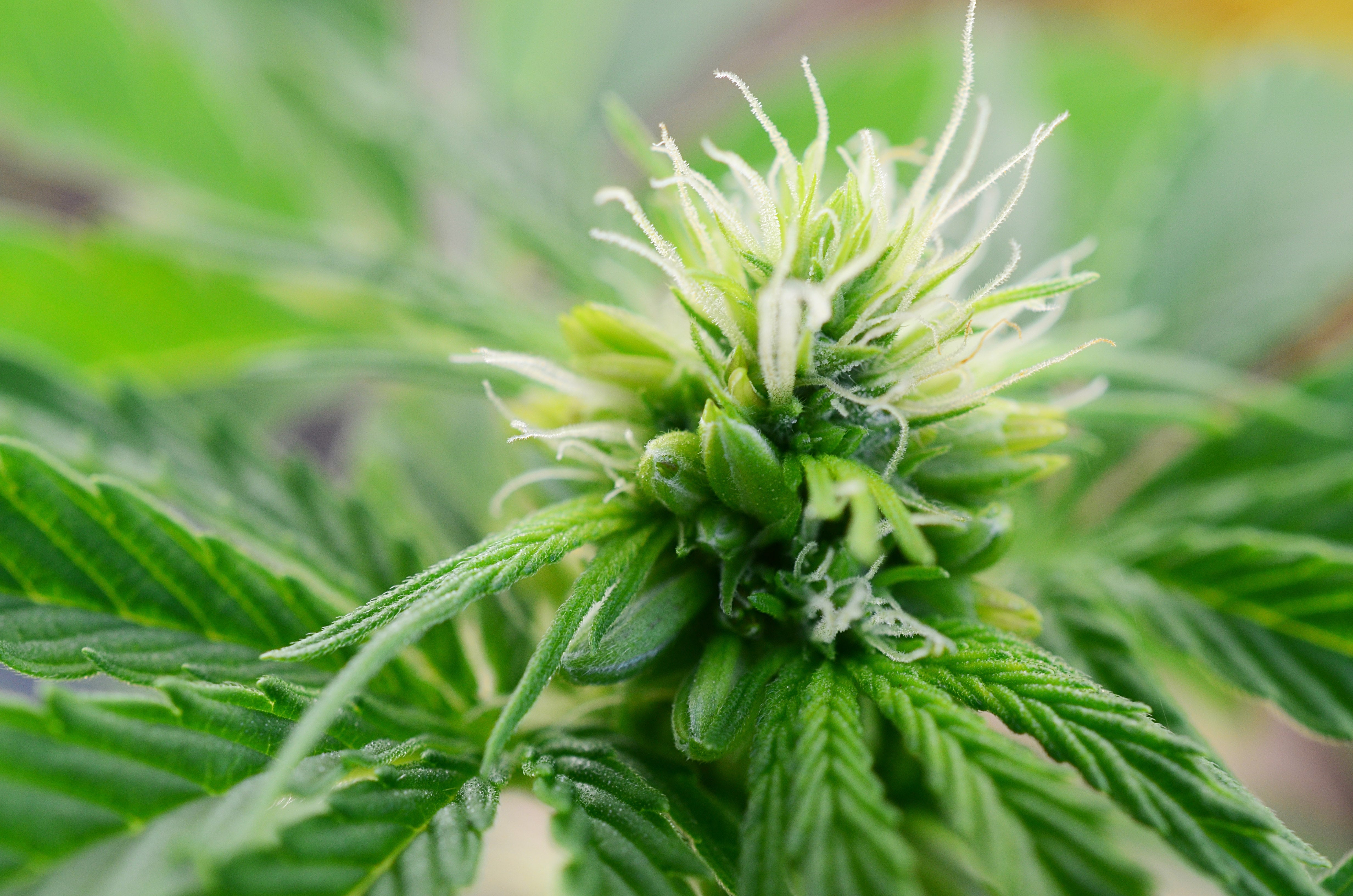
Credit: happyhydro.com
How To Identify The Source Of Seeds In Female Plants
Determining the cause of seed production is crucial for effective intervention.
Inspecting For Male Or Hermaphroditic Flowers
Regularly check your plants for male flowers (pollen sacs) or hermaphroditic growths:
- Male flowers look like small balls or clusters. In cannabis, these appear as grape-like bunches distinct from female buds.
- Hermaphroditic flowers may have both pistils (female) and stamens (male). You may notice yellow “bananas” or mixed floral structures.
Key areas to inspect:
- Lower branches (often where male flowers first appear): These are less visible and can be overlooked, so check thoroughly.
- Hidden nodes and shaded spots: Hermaphroditic growths can emerge in low-light areas or where physical damage has occurred.
Frequent and detailed inspection during pre-flowering and early flowering stages is essential. Use a magnifying glass if necessary, especially for small or tightly packed flowers.
Analyzing Environmental Conditions
- Check for light leaks: Stand in your grow space during the dark period and look for any stray light. Even a brief interruption can trigger stress responses.
- Monitor temperature and humidity: Use data loggers to track trends. Look for spikes or drops that coincide with seed development.
- Review your nutrient regimen for possible imbalances: Compare plant symptoms to known deficiencies or toxicities and adjust accordingly.
Documenting environmental changes can help pinpoint the cause. Keep a grow diary to record daily conditions and interventions.
Assessing Genetics And Seed Source
- Trace the origin of your seeds or clones: Identify whether they are from reputable breeders, bagseed, or local sources.
- Avoid “bagseed” or seeds from unknown pollinated plants: These are more likely to carry unstable genetics.
- Use feminized seeds from reputable breeders when possible: These are bred for stability and reduced risk of hermaphroditism.
Consider genetic testing or lab analysis in commercial settings to verify plant sex and stability.
Reviewing Recent Changes
Consider any recent changes:
- New plants introduced? New arrivals may carry pollen or unstable genetics.
- Changes in fertilizer or watering schedule? Nutrient shifts can stress plants.
- Construction or activities near your garden that could introduce pollen? Nearby landscaping, tree trimming, or new plantings may affect your microclimate.
Table: Common Causes And Diagnostic Clues
| Cause | Diagnostic Clues | Most Affected Plants |
|---|---|---|
| Male plant presence | Clusters of pollen sacs, sudden widespread seeds | Cannabis, squash, cucumbers |
| Hermaphroditism | Single flowers with both pistils and stamens, isolated seeds | Cannabis, peppers, cucumbers |
| Environmental stress | Light leaks, heat spikes, uneven watering, nutrient issues | All flowering plants |
| Cross-pollination | Nearby plants of same species, seeds with hybrid traits | Peppers, tomatoes, corn |
| Genetic instability | Bagseed, mixed results, repeated hermaphrodites | Cannabis, heirloom varieties |

Credit: en.wikipedia.org
Environmental And Cultural Factors Affecting Seed Production
Understanding how your growing environment influences seed formation helps prevent future problems.
Light Management
Proper light cycles are essential, especially for photoperiod-sensitive plants like cannabis.
- Ensure complete darkness during the dark period. Plants rely on uninterrupted darkness to regulate flowering hormones.
- Use blackout curtains, seal doors, and cover indicator lights. Even small amounts of light can disrupt photoperiod-sensitive plants.
For outdoor growers, consider the placement of your garden relative to streetlights or neighboring homes. Shade cloths or temporary covers can help mitigate light pollution.
Temperature And Humidity Control
- Maintain stable temperatures (65–80°F/18–27°C) and appropriate humidity (40–60%). Fluctuations can cause plants to shift reproductive strategies.
- Use fans, HVAC, or dehumidifiers in indoor grows. Proper air circulation prevents heat buildup and fungal diseases.
Monitoring and adjusting environmental parameters with automated systems can enhance consistency and reduce stress-related seed production.
Nutrient And Watering Practices
- Avoid overfeeding or underfeeding. Both extremes can lead to stress and unwanted flower development.
- Use a balanced, species-appropriate fertilizer. Tailor your feeding schedule to each plant’s needs and stage of growth.
- Monitor pH to prevent nutrient lockout. Soil or hydroponic pH should be checked regularly, as incorrect values can inhibit nutrient uptake and mimic deficiency symptoms.
Consider slow-release fertilizers for steady nutrition and drip irrigation for consistent moisture.
Pest And Disease Management
- Pests and pathogens can stress plants, triggering hermaphroditism. Aphids, mites, and fungal infections all disrupt growth.
- Inspect regularly and use integrated pest management (IPM) techniques. Physical barriers, beneficial insects, and organic treatments help maintain plant health.
A healthy plant is less likely to shift reproductive strategies or produce seeds unexpectedly.
Physical Damage
- Rough handling, excessive pruning, or wind damage can induce stress responses. Support heavy branches with stakes or trellises to prevent breakage.
- Avoid unnecessary plant trauma. Minimize movement during flowering and handle plants gently.
Physical damage often leads to localized hermaphroditism, so focus on prevention during sensitive growth phases.
Table: Optimal Vs. Stressful Environmental Conditions
| Factor | Optimal Condition | Stressful Condition | Impact on Seeds |
|---|---|---|---|
| Light | Uninterrupted darkness | Light leaks at night | Hermaphroditism, self-pollination |
| Temperature | 65–80°F (18–27°C) | Above 85°F (29°C), frequent swings | Stress-induced seed production |
| Humidity | 40–60% | Below 30% or above 70% | Poor pollination control, disease risk |
| Nutrients | Balanced, appropriate regime | Deficiency, toxicity, lockout | Floral abnormalities, hermaphroditism |
Genetic And Species-specific Considerations
Not all plants are equally susceptible to unwanted seed formation. Genetics and breeding history are key.
Cannabis: Feminized Vs. Regular Seeds
- Feminized seeds are bred to produce only female plants, reducing risk but not eliminating hermaphroditism. They are created by inducing female plants to produce pollen, then using that pollen to fertilize other females. While this process selects for female traits, environmental stress can still trigger hermaphroditism.
- Regular seeds can produce both males and females, requiring removal of males. Growers must inspect plants closely and cull males early.
According to a 2018 survey by NCBI, up to 30% of home cannabis growers report accidental seeding due to missed male or hermaphroditic plants. This highlights the importance of genetic selection and vigilant observation.
Tomatoes, Peppers, And Other Fruit-bearing Plants
- Self-fertile species can sometimes self-pollinate even without male plants, but true seed formation still requires pollen transfer. For example, tomatoes can pollinate themselves, but environmental factors (like wind or insects) increase cross-pollination risk.
- Open-pollinated vs. hybrid varieties: Hybrids are more stable, while open-pollinated varieties may show more genetic variability. Open-pollinated plants are often chosen for their flavor and adaptability but may have higher rates of unwanted seed production.
Heirlooms And Bagseed
- Heirloom strains often have less breeding for stability, leading to higher rates of hermaphroditism. They may also be more sensitive to environmental changes.
- Bagseed (cannabis seeds from commercial flowers) often carries unknown genetics, increasing the risk. These seeds may produce unpredictable plants with a higher likelihood of seed formation.
Examples: Real-world Genetics
- Commercial Cannabis Grow (USA, 2026): A commercial operation growing from feminized seeds reported only 2% of plants showing hermaphroditism, compared to 15% in a batch grown from bagseed. The difference was attributed to better breeding practices and environmental controls.
- Heirloom Tomato Patch (UK, 2019): A grower experienced high rates of seeding and unusual fruit shapes, later traced to genetic instability in an old heirloom variety. Switching to hybrid seeds improved fruit quality and reduced seed count.
Table: Genetics And Seed Risk In Common Crops
| Plant | Seed Type | Risk of Accidental Seeds | Notes |
|---|---|---|---|
| Cannabis | Feminized | Low–Moderate | Stress can still induce hermaphroditism |
| Cannabis | Bagseed | High | Unstable genetics, frequent hermaphrodites |
| Tomato | Hybrid | Low | Stable, less prone to cross-pollination |
| Tomato | Heirloom | Moderate–High | Open-pollinated, more variable traits |
| Pepper | Open-pollinated | Moderate | Cross-pollination possible, especially with nearby hot peppers |
Practical Solutions: How To Prevent Seed Production In Female Plants
Once you understand the causes, you can take actionable steps to prevent unwanted seeds.
Remove Male And Hermaphroditic Plants Promptly
- Inspect all plants before flowering. Early detection is key; use identification guides and magnifying tools.
- Remove any plant showing male flowers or hermaphroditic traits immediately. Isolate and discard affected plants to prevent pollen spread.
For large grows, consider assigning dedicated inspection personnel and scheduling routine checks throughout the flowering cycle.
Control Your Environment
- Seal your grow space to prevent pollen entry. Use weather stripping, caulking, and heavy doors for physical barriers.
- Use air filtration (HEPA filters) in indoor grows. These trap airborne pollen and contaminants.
- Maintain optimal temperature, humidity, and light cycles. Automated sensors and timers can provide greater precision and reduce human error.
Consider installing environmental monitoring systems with alarms for deviations.
Use Stable Genetics
- Purchase seeds from reputable breeders. Look for certifications, reviews, and lab-tested products.
- Choose feminized or stable hybrid varieties when possible. Research the breeder’s history and plant lineage.
- Avoid growing from bagseed or unknown sources. While tempting for cost savings, these carry higher risk.
If you do use bagseed, keep detailed records and monitor plants closely for any signs of instability.
Isolate From External Pollen Sources
- Grow indoors or in greenhouses for maximum control. Enclosed environments reduce exposure to external pollen.
- If outdoors, plant at a distance from other gardens growing the same species. Coordinate with neighbors and local growers to minimize cross-pollination risks.
- Use physical barriers (e.g., pollen-proof netting) if cross-pollination risk is high. Netting and screens can help reduce insect and wind-borne pollen.
Consider planting hedges or tall structures as windbreaks.
Manage Stress
- Avoid unnecessary pruning during flowering. Limit physical interventions to early growth stages.
- Maintain consistent watering and feeding. Establish schedules and use moisture sensors.
- Protect plants from pests, diseases, and physical damage. Employ IPM strategies and provide structural support.
Stress management is an ongoing process, not a one-time fix.
Case Study: Sinsemilla Cannabis Cultivation
A sinsemilla (seedless) cannabis grower in Oregon implemented rigorous environmental controls, used only feminized seeds, and inspected plants daily. As a result, the operation produced seedless, high-quality buds for three consecutive years, demonstrating the effectiveness of combined genetic and environmental management.
This grower also engaged in community outreach, educating neighboring growers about pollen risks, and coordinated flowering cycles to avoid overlap with nearby male plants.
Handling Unavoidable Seeds
If you do find seeds:
- Remove them before consumption (for edibles, oils, etc.). Seeds can alter flavor and texture.
- Do not use seeds from hermaphroditic plants for future cultivation. These are likely to produce more hermaphrodites.
- If growing for fruit, harvest early to reduce seed development. Some fruits can be picked before seeds mature.
Consider composting unwanted seeds or using them for animal feed, depending on crop type.
Troubleshooting Checklist: Step-by-step Guide
When you find seeds in your female plants, follow this troubleshooting guide:
- Inspect for male flowers on all plants.
- Check for hermaphroditic growths, especially after recent stress.
- Evaluate your environment for light leaks, temperature spikes, or humidity drops.
- Review genetics—are your seeds from a stable, known source?
- Consider nearby plants—are there related species that could cross-pollinate?
- Adjust your practices based on findings (remove plants, fix environmental issues).
Document each step and result for future reference. Consistent troubleshooting leads to improved outcomes season after season.
Advanced Tips For Seedless Growing
For serious growers, advanced strategies can further reduce seed risk.
Pollen Filtration And Airflow
- Install HEPA filters in intake and exhaust systems. These capture even microscopic pollen grains.
- Use positive pressure to keep unfiltered air out. Pressurize grow rooms so air flows outward, preventing pollen intrusion.
Regularly maintain filters and check airflow patterns to ensure efficiency.
Timed Planting
- Stagger planting times to avoid overlap with nearby pollen-producing crops. Adjust sowing dates to minimize risk.
- Use early or late varieties to escape peak pollen periods. Plant selection can dramatically reduce exposure.
Coordinate with local growers or agricultural extension services for regional pollen calendars.
Growth Regulators
- Some growers experiment with plant growth regulators to suppress male flower development (note: May not be legal or recommended in all regions). These substances can alter hormonal balances and improve seedless outcomes.
Research local regulations and consult experts before using any chemical treatments.
Lab Testing
- In commercial settings, test samples for early signs of male or hermaphroditic development. Genetic screening and tissue culture can identify problem plants before they flower.
Investing in lab analysis can save time and resources in large-scale operations.
Legal Considerations
- In some jurisdictions, growing male cannabis plants is illegal due to cross-pollination risks. Always follow local laws.
Stay informed about evolving regulations and participate in community education to reduce accidental pollination.
For more advanced information, visit resources like APSnet and Royal Horticultural Society.
Frequently Asked Questions
Why Do Only Some Of My Female Plants Have Seeds While Others Do Not?
This usually indicates localized pollination—either only some plants were exposed to pollen, or only a few developed hermaphroditic flowers. Environmental stress or genetic variability can cause isolated seed formation. Inspect all plants carefully to find the source.
Uneven airflow, microclimates, and staggered flowering times can also create pockets of pollination. Detailed mapping of your garden can help identify problem areas.
Can Seeds From My Female Plant Be Used To Grow New Plants?
Seeds from hermaphroditic or cross-pollinated plants are likely to produce unstable offspring—plants more prone to hermaphroditism or unwanted traits. For best results, use seeds from reputable breeders or clones from healthy, seedless plants. Learn more at Wikipedia: Plant Breeding.
Using unstable seeds may be acceptable for experimental breeding, but not for commercial or high-quality crops.
How Far Can Pollen Travel To Pollinate My Female Plants?
Pollen can travel miles on the wind, especially for plants like cannabis or corn. Insects can also transfer pollen over long distances. Growing indoors or in greenhouses is the most effective way to prevent accidental pollination. For details, see this study on pollen dispersal.
Local weather conditions, wind direction, and landscape features all influence pollen movement.
Are There Any Benefits To Plants Producing Seeds?
While seed production is essential for plant reproduction and breeding, it is typically undesirable in crops grown for fruit, buds, or culinary use due to reduced quality and yield. However, seeds are valuable for breeders and genetic conservation.
Seeds can be used to develop new cultivars, preserve biodiversity, or adapt crops to changing climates.
How Can I Tell The Difference Between A Pollinated And Unpollinated Female Flower?
Pollinated flowers often show swelling at the base (ovary) and may develop browning pistils. Over time, seeds become visible inside the fruit or flower. Unpollinated female flowers remain seedless and pistils stay white or vibrant. For visual guides, check out resources like Gardening Know How.
Careful observation and comparison to healthy, seedless flowers will help you spot pollination early.
As you’ve learned, female plant seed production is a multifaceted issue involving biology, environment, genetics, and cultivation practices. By understanding the causes and applying vigilant growing methods, you can keep your crops seedless, potent, and high quality. Remember, prevention starts with knowledge, regular inspections, and a commitment to best practices.
With the right strategies, every gardener can enjoy bountiful, seedless harvests season after season. For more on this, see our guide on Seeds & Bulbs.