Can You Get Seeds From Feminized Plants? Honest Answer
Cannabis cultivation has rapidly evolved, driven by advances in genetics and a growing community of passionate growers. Among the most significant innovations are feminized seeds—cannabis seeds bred to produce only female plants, which are prized for their resinous, cannabinoid-rich flowers. But as more growers rely on feminized seeds, a pivotal question arises: Can you actually get seeds from feminized plants? The answer impacts not just home growers, but also commercial producers, breeders, and the future of cannabis genetics.
This question isn’t as straightforward as it might seem. The process of producing seeds from feminized plants involves complex genetics, careful manipulation of plant biology, and an understanding of both the benefits and limitations of modern breeding techniques. If you’re a grower considering producing your own seeds, or simply curious about the science behind feminized cannabis, this article delivers an honest, detailed answer—backed by research, real-world examples, and expert insight.
Key Takeaways
- Feminized plants can produce seeds, but the process differs from traditional seed production and often requires specialized techniques.
- Seeds produced from feminized plants are also feminized, but genetic stability and vigor may vary compared to regular seeds.
- Hermaphroditism and stress can cause unintentional seed production in feminized crops, impacting quality.
- Breeders and commercial growers use feminized seeds for efficiency but must manage genetic diversity and stability.
- Home growers can create feminized seeds, but should understand the risks, best practices, and legal considerations.
- Genetic quality, yield, and plant health are influenced by the origin and handling of feminized seeds.
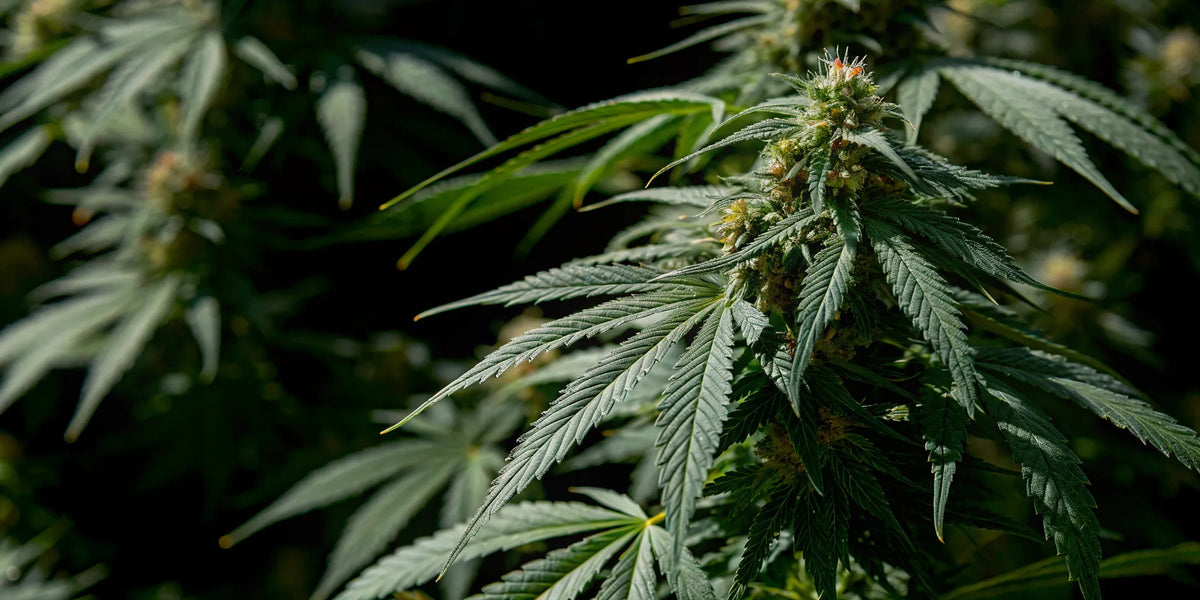
Credit: trilogeneseeds.com
Understanding Feminized Cannabis Seeds
What Are Feminized Seeds?
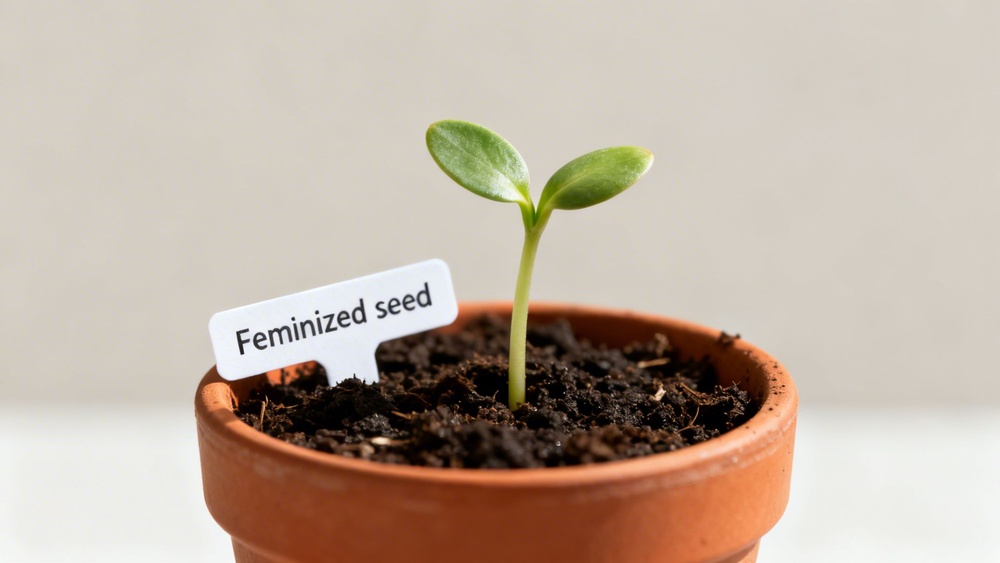
Feminized seeds are cannabis seeds that have been specifically bred to eliminate male chromosomes, ensuring that every plant grown from them will be female. Since only female cannabis plants produce the high-THC, resinous buds sought after by both medicinal and recreational users, feminized seeds have become the standard for most growers.
The creation of feminized seeds has revolutionized cannabis cultivation, making it possible for even small-scale and home growers to optimize their harvests. In the past, growers using regular seeds would have to identify and remove male plants early in the flowering stage to prevent pollination, which can be time-consuming and labor-intensive.
With feminized seeds, this extra step is largely eliminated, streamlining the cultivation process and allowing growers to focus resources on nurturing productive, high-yielding female plants.
How Are Feminized Seeds Created?
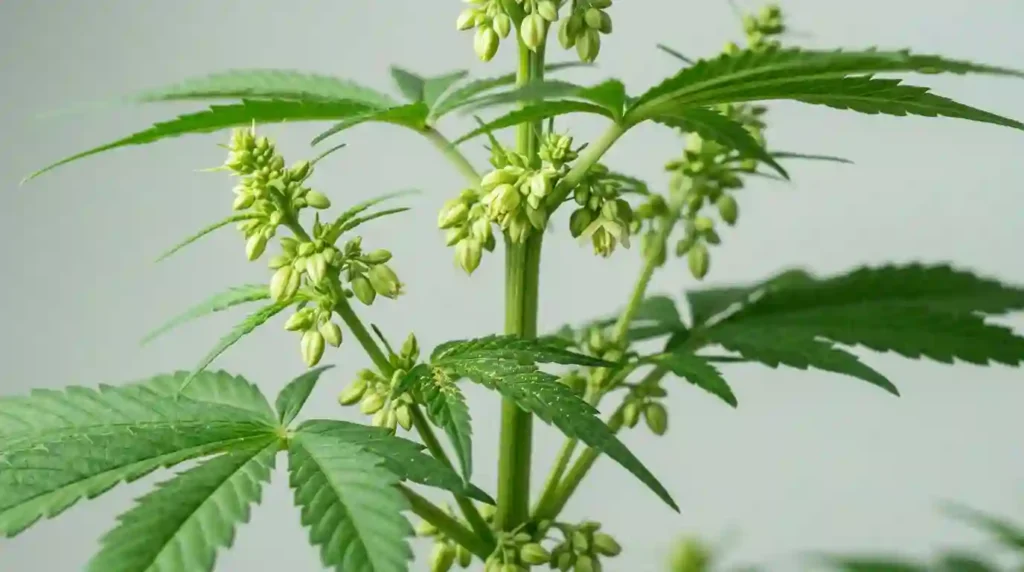
Feminized seeds are produced by inducing a female cannabis plant to develop male flowers capable of releasing pollen. This is typically achieved through one of two methods:
- Chemical induction: Using substances like colloidal silver or silver thiosulfate to force a female plant to produce pollen. Colloidal silver is popular among hobbyists because it’s widely available and relatively safe to use, while commercial breeders often favor silver thiosulfate for its consistency and effectiveness.
- Stress induction: Exposing a female plant to environmental stress (such as interrupted light cycles, drought, or physical injury) to trigger male flower development. This method is less predictable and often leads to a higher risk of hermaphroditism in the offspring.
Pollen from these “reversed” female plants is then used to pollinate another female, resulting in seeds with female-only genetics. This process, known as “feminized-to-feminized pollination,” is a cornerstone of modern seed production. For a more detailed look at the science, see this Wikipedia article on cannabis breeding.
Why Are Feminized Seeds So Popular?
- Maximized yields: No males to cull, so all plants produce flowers, significantly increasing the harvestable crop. This efficiency is especially important for growers with limited space or legal plant count restrictions.
- Space efficiency: Every plant grown contributes to the harvest, allowing growers to maximize production per square foot.
- Simplified cultivation: Less need to sex plants or remove males, reducing labor and risk of accidental pollination.
- Consistency: Feminized seeds enable more predictable crop outcomes, which is crucial for both commercial operations and medical patients who rely on specific cannabinoid profiles.
- Economic benefits: By ensuring that every plant is productive, growers can reduce wasted resources and increase profitability.
Regular Vs. Feminized Seeds: A Comparison
Below is a comparison of regular and feminized seeds:
| Feature | Regular Seeds | Feminized Seeds |
|---|---|---|
| Sex Ratio | ~50% male, ~50% female | ~99% female |
| Seed Production | Requires male & female plants | Requires special techniques |
| Genetic Diversity | High | Lower |
| Ease of Use | Complex (must remove males) | Easy (no males to remove) |
| Best For | Breeding, genetic preservation | Flower production, beginners |
Additionally, regular seeds are often used by breeders looking to create new strains or preserve old ones, due to their broader genetic variability. Feminized seeds, on the other hand, are ideal for those seeking simplicity and uniformity in their crops.
Can Feminized Plants Produce Seeds?
The Biological Possibility
Feminized plants, being genetically female, are not naturally equipped to produce seeds on their own. Seed production in cannabis requires male pollen to fertilize female flowers. However, with the proper techniques, even feminized plants can be induced to produce pollen—thus enabling them to pollinate other females and create seeds.
The process relies on manipulating the plant’s natural hormonal balance. By suppressing ethylene production (a hormone responsible for female flower development), breeders can encourage female plants to express male characteristics temporarily. This targeted approach allows for controlled breeding and enables the production of seeds without the need for true male plants.
Methods Of Seed Production From Feminized Plants
- Feminized-to-feminized pollination: By chemically or hormonally inducing one feminized plant to produce pollen, you can pollinate another feminized plant. This method is favored for its predictability and high success rate in generating all-female seeds.
- Hermaphroditic self-pollination: Sometimes, environmental stress causes a feminized plant to develop male flowers and self-pollinate, leading to seed formation. While this can be useful in emergencies, it is generally avoided due to the increased risk of passing on hermaphroditic traits.
Real-world Example: Commercial Seed Production
A commercial seed bank seeking to offer feminized seeds will select a robust female phenotype, induce male flowers using silver thiosulfate, collect the pollen, and then pollinate a different female plant . The resulting seeds are feminized, with a high probability of producing female offspring. The entire process is conducted under controlled environmental conditions to minimize stress and reduce the likelihood of unintended genetic mutations. For more on this process, see Royal Queen Seeds.
Limitations And Risks
- Genetic bottleneck: Repeated self-pollination or feminized-to-feminized breeding can reduce genetic diversity, increasing susceptibility to pests and disease. Over time, this can lead to what’s known as “genetic drift,” where undesirable traits become more prevalent.
- Hermaphroditism: Seeds from a plant that hermed due to stress may carry a higher risk of producing hermaphrodites. This is a significant concern for both commercial and home growers, as hermaphroditic plants can pollinate themselves and nearby crops, leading to seeded buds and lower-quality harvests.
- Unintended pollination: If pollen is not carefully controlled, it can spread to other plants in the grow space, resulting in unwanted seeds in the harvest.
Case Study: Home Grower Seed Production
A small-scale grower in California wanted to preserve a favorite feminized strain. Using colloidal silver, they reversed one plant and pollinated another. The resulting seeds all produced female plants, but about 15% showed hermaphroditic traits—likely due to stress factors or genetic predisposition.
This highlights the importance of selecting stable parent plants and maintaining optimal growing conditions throughout the process.
Credit: cannabisplantcare.com
How Feminized Seed Production Works
Chemical Induction Methods
The most reliable way to get seeds from feminized plants is by using chemical agents to induce male flower formation. Colloidal silver and silver thiosulfate are the most common choices.
- Colloidal silver: Sprayed daily on a branch during early flowering, it inhibits ethylene production, triggering male flowers. After 2-3 weeks, treated branches develop pollen sacs, which are collected and used for pollination. The rest of the plant can continue to flower normally.
- Silver thiosulfate: Considered more potent and consistent, but more chemically complex. It is typically applied as a foliar spray and requires careful handling due to potential toxicity. Silver thiosulfate is favored in commercial settings for its higher success rate and reduced risk of residual chemicals remaining on the plant.
Both methods demand attention to detail, precise timing, and consistent application for optimal results. It’s crucial to start treatments just before the plant enters the flowering phase, as timing impacts both the quantity and viability of the pollen produced.
Step-by-step: Feminized Seed Production
- Select a healthy female plant with desirable traits. Look for plants that are vigorous, pest-resistant, and free from hermaphroditic tendencies.
- Apply the chemical agent as per established schedules (usually 2-3 weeks during early flowering). Consistency is key—missing applications can reduce the effectiveness of the treatment.
- Collect pollen from the induced male flowers. Use clean tools and store pollen in a dry, cool environment if not used immediately.
- Pollinate another female plant (or a different branch of the same plant). This can be done using a small brush or by gently shaking pollen over target flowers.
- Harvest seeds after 4-6 weeks. Seeds should be fully mature, dark in color, and hard to the touch.
For a detailed guide, reference Leafly’s explanation of feminized seed production.
Natural Hermaphroditism And Its Consequences
A plant that becomes hermaphroditic (developing both male and female flowers due to stress or genetics) can self-pollinate and produce seeds. However, these seeds often carry the hermaphroditic trait, leading to future crops with unwanted male flowers and reduced bud quality. This is a significant issue in commercial operations, where even a small number of hermaphroditic plants can ruin an entire crop by seeding the flowers and reducing market value.
Examples of stressors that can trigger hermaphroditism include:
- Irregular light cycles (light leaks during the dark period)
- Severe pruning or physical damage during flowering
- Nutrient deficiencies or toxicities
- Overcrowding or root-bound conditions
Managing these environmental variables is critical to maintaining the quality and reliability of feminized seed production.
Data Table: Chemical Vs. Hermaphroditic Seed Production
| Method | Seed Quality | Hermaphrodite Risk | Reliability |
|---|---|---|---|
| Chemical Induction | High (if source plant is stable) | Low (if stable genetics) | Very reliable |
| Hermaphroditic Stress | Variable | High | Unreliable |
Real-world Example: Commercial Breeding
A European seed company uses only genetically stable, stress-tested females for chemical induction, reducing the risk of passing on hermaphroditic traits. Their feminized seeds consistently produce robust, high-yielding female plants. The company invests heavily in quality control and genetic testing to ensure long-term customer satisfaction and maintain its reputation in the global seed market.

Credit: sensiseeds.com
The Genetics Behind Feminized Seeds
Chromosomal Makeup
Cannabis plants have sex chromosomes: females are XX, males are XY. Feminized seeds are bred from two female (XX) plants, so all offspring inherit two X chromosomes, making them genetically female.
This genetic certainty is what makes feminized seeds so valuable. The absence of the Y chromosome eliminates the chance of producing true male plants, simplifying planning and cultivation for growers of all scales.
Stability And Variation
Feminized seeds can be remarkably stable—if the parent plants are carefully selected and not prone to hermaphroditism. However, excessive inbreeding or reliance on unstable genetics can lead to:
- Increased risk of hermaphroditism.
- Reduced vigor or yield.
- Loss of unique traits.
Breeders often “outcross” with unrelated female lines to maintain some genetic diversity, but this requires advanced knowledge and careful record-keeping. The challenge is striking a balance between uniformity and diversity, ensuring reliable crops while safeguarding against pests, diseases, and environmental changes.
Comparison Table: Regular Vs. Feminized Seed Genetics
| Aspect | Regular Seeds | Feminized Seeds |
|---|---|---|
| Sex Chromosomes | XX (female), XY (male) | XX (female only) |
| Genetic Variation | High | Moderate to low |
| Hermaphrodite Risk | Lower (if stable) | Potentially higher |
| Suitability for Breeding | Excellent | Limited |
Expert Insight
According to research published in the journal “Frontiers in Plant Science,” careful selection and stress testing of parent plants are essential for producing high-quality feminized seeds with minimal hermaphroditic tendencies (Frontiers in Plant Science). The study also emphasizes the importance of maintaining genetic records and periodically introducing new genetics to reduce the risk of inbreeding depression.
Pros And Cons Of Getting Seeds From Feminized Plants
Advantages
- Guaranteed female offspring: Maximizes bud production, ideal for growers with limited space.
- Preservation of elite clones: Allows favorite phenotypes to be reproduced as seeds, safeguarding valuable genetics against loss.
- No need for male plants: Simplifies cultivation and reduces risk of accidental pollination.
- Predictable results: Easier to maintain uniformity across crops, leading to more consistent quality and yields.
- Cost and time savings: Reduces labor associated with identifying and removing male plants.
Disadvantages
- Potential for hermaphroditism: Especially if parent plants are unstable or subjected to stress.
- Reduced genetic diversity: Can impact long-term vigor and adaptability, potentially making crops more vulnerable to disease or environmental changes.
- Complexity: Requires technical skill and careful handling of chemicals, as well as meticulous record-keeping to track genetic lines.
- Not ideal for advanced breeding: Those seeking to create new strains or maintain landrace genetics may be better served by regular seeds.
When Is It Worth It?
Producing seeds from feminized plants is most valuable when:
- You wish to preserve a specific phenotype that isn’t available elsewhere.
- You need a reliable, all-female crop for personal, medical, or commercial use.
- Space or legal limits restrict the number of plants you can grow, making maximized productivity essential.
- You want to reduce the risk of accidental pollination and seed formation in your buds.
Real-world Example: Preserving A Rare Strain
A medical cannabis patient in Colorado used feminized seed production to save a rare CBD-rich strain after losing access to clones. The process preserved the unique cannabinoid profile and allowed ongoing cultivation for personal use. This demonstrates the value of feminized seed production for genetic preservation in situations where clones or regular seeds are unavailable or impractical.
Common Challenges And Solutions
Hermaphroditism Management
- Avoid stress: Maintain stable light cycles, consistent watering, and avoid physical damage. Light leaks during the dark period are a common cause of hermaphroditism and should be eliminated.
- Genetic screening: Use only plants with no history of hermaphroditism for breeding. Keep detailed notes on plant behavior across multiple cycles.
- Environmental controls: Use high-quality timers for lights and automated systems for irrigation to minimize the risk of human error.
Pollination Control
- Isolate plants: Prevent accidental pollen transfer by physically separating pollen-producing plants from the rest of the crop. Use dedicated grow tents or rooms for seed production.
- Monitor timing: Apply chemicals precisely and collect pollen carefully, as timing affects both the quality and quantity of seeds produced.
- Cleanliness: Sterilize tools and workspaces to avoid cross-contamination between plants.
Ensuring Seed Viability
- Proper drying and storage: Allow seeds to mature fully on the plant, then dry and store in a cool, dark place. Immature seeds may have low germination rates or weak seedlings.
- Germination testing: Test a small batch before large-scale planting to ensure seeds are viable and healthy.
- Labeling: Clearly label all seeds with parent strain and date of production to maintain accurate genetic records.
Legal Considerations
In many regions, producing seeds—even for personal use—may be regulated or prohibited. Always check your local laws and comply with all requirements. Penalties for illegal seed production can range from fines to criminal charges. For up-to-date legal information, see NORML’s legal resources.
Best Practices For Producing Feminized Seeds
Selecting Parent Plants
- Choose vigorous, healthy females with desirable traits (yield, potency, resistance to pests and diseases).
- Avoid plants with any sign of hermaphroditism, as these traits can be passed to offspring.
- Grow candidates for several cycles to ensure stability before using them in breeding.
Chemical Application Protocols
- Use colloidal silver or silver thiosulfate as directed by reputable guides. Wear protective gear and handle chemicals with care.
- Apply consistently, starting just before the flowering stage and continuing daily for 2-3 weeks or until male flowers develop.
- Rinse plants thoroughly after pollen collection to remove any residual chemicals before allowing buds to develop for consumption.
Pollination Techniques
- Collect pollen from the induced male flowers by tapping them over a clean surface or using a small brush.
- Use a small brush or gently tap flowers over the female plant to deposit pollen. Target specific branches to control seed production.
- Tag pollinated branches for easy identification and record-keeping.
Harvesting And Storing Seeds
- Wait until seeds are fully mature (usually 4-6 weeks post-pollination). Mature seeds are typically dark brown or gray with visible stripes.
- Dry seeds thoroughly before storage to prevent mold or rot.
- Store in airtight containers, preferably refrigerated, to maintain viability for future use.
Table: Steps For Feminized Seed Production
| Step | Description | Key Considerations |
|---|---|---|
| 1. Parent Selection | Choose healthy, stable females | Avoid hermaphrodites |
| 2. Chemical Induction | Apply colloidal silver or STS | Follow safety guidelines |
| 3. Pollen Collection | Harvest pollen from induced flowers | Prevent contamination |
| 4. Pollination | Apply pollen to female flowers | Label branches |
| 5. Seed Harvesting | Collect mature seeds | Dry thoroughly |
| 6. Storage | Store in cool, dark, airtight container | Check germination rates |
Impact On Cannabis Cultivation And Breeding
Home Growers
For the home grower, feminized seeds offer simplicity and reliability, but those interested in breeding or genetic preservation must be cautious. Over-reliance on feminized seeds can limit genetic diversity and increase risks associated with hermaphroditism. Home growers are encouraged to occasionally incorporate regular seeds or clones into their gardens to maintain a healthy genetic pool.
Commercial Producers
Commercial cultivators value feminized seeds for their efficiency and predictability. However, seed producers must invest in genetic screening and stress testing to maintain quality and minimize risk. Large operations often run parallel breeding programs using regular seeds to ensure ongoing access to diverse and robust genetics, which can be reintroduced if issues arise in the main production line.
Breeders
Serious breeders often use regular seeds to maintain or expand genetic diversity but may use feminized seeds to stabilize specific traits or produce all-female hybrids. This hybrid approach allows breeders to take advantage of the benefits of feminized seeds while mitigating the risks of genetic bottlenecking. For more on breeding strategies, see ICMag’s breeding forum.
Preservation Of Rare Genetics
Feminized seed production can be a powerful tool to preserve rare or elite clones—especially when environmental or legal pressures limit plant numbers or access to genetic material. By converting valuable female plants into seed form, growers and breeders can ensure the long-term survival of unique genetics.
The Future Of Feminized Seeds
Advances In Breeding Technology
Modern cannabis breeding is rapidly evolving, with techniques like marker-assisted selection and tissue culture opening new possibilities for feminized seed production. Marker-assisted selection enables breeders to identify and select for specific genetic traits (such as cannabinoid profiles or pest resistance) at the seedling stage, dramatically improving efficiency. Tissue culture allows for the preservation and rapid multiplication of elite genetics, reducing reliance on traditional cloning and seed production methods.
Legalization And Market Trends
As more regions legalize cannabis, demand for high-quality feminized seeds continues to grow. Seed banks and breeders are investing in better genetics, transparency, and third-party testing. According to a 2026 report by Statista, the global cannabis seed market is expected to reach $3.5 billion by 2027, with feminized seeds representing the largest segment.
The rise of legal cannabis markets has also driven innovation in packaging, traceability, and branding. Consumers are increasingly seeking seeds with verified lineage, lab testing, and guarantees against hermaphroditism, pushing the industry toward greater accountability.
Ethical And Environmental Considerations
Over-reliance on feminized seeds and monoculture practices can reduce genetic diversity, making crops more vulnerable to pests and disease. Sustainable growers and breeders are addressing these risks by:
- Maintaining genetic libraries of regular seeds and rare strains.
- Rotating genetics in production cycles to prevent inbreeding.
- Supporting open-source breeding efforts to share and preserve diverse genetics for future generations.
Case Study: Large-scale Commercial Grow
A Canadian licensed producer uses feminized seeds exclusively for their 10,000-plant facility, but maintains a separate genetic preservation program using regular seeds and clones. This dual strategy ensures both production efficiency and long-term genetic security. By periodically introducing new genetics, the company guards against the risks of monoculture and maintains a competitive edge in the dynamic cannabis market.
Frequently Asked Questions
What Is The Difference Between Feminized And Regular Seeds?
Feminized seeds are bred to produce only female plants, which create the cannabinoid-rich flowers sought by most growers. Regular seeds produce both male and female plants, requiring growers to identify and remove males to prevent pollination. Feminized seeds simplify cultivation and maximize yields, while regular seeds are preferred for breeding and genetic diversity.
Can Seeds From Feminized Plants Produce Male Plants?
If feminized seeds are produced correctly—from stable, non-hermaphroditic females using chemical induction—the resulting seeds will be nearly 100% female. However, stress or poor genetics can sometimes lead to hermaphroditic offspring, which may express male flowers. True male plants are extremely rare from properly feminized seeds.
Are Feminized Seeds Less Potent Or Lower Quality?
Not inherently. The potency and quality of feminized seeds depend on the genetics of the parent plants and the breeding process. High-quality feminized seeds from reputable breeders can produce plants as potent and vigorous as those from regular seeds. However, poorly produced feminized seeds may have issues with vigor, stability, or hermaphroditism. For more, see Sensi Seeds.
Is It Legal To Produce Seeds From Feminized Cannabis Plants?
Legality varies by country and region. In some places, producing seeds—even for personal use—is legal, while in others it remains prohibited. Always check local regulations before producing or distributing cannabis seeds. For the latest legal updates, consult American Cannabis Company.
How Can I Avoid Hermaphroditism When Producing Feminized Seeds?
Start with genetically stable, stress-tested female plants. Use proper chemical induction techniques, avoid environmental stress, and select only plants with no history of hermaphroditism. Regularly monitor your crop for any male flowers and remove them promptly.
As cannabis genetics and cultivation technology continue to advance, the ability to get seeds from feminized plants offers both opportunities and challenges. With the right knowledge, techniques, and attention to detail, growers can harness feminized seed production for reliable, high-quality crops—while preserving the genetic diversity and resilience essential for the future of cannabis. For more on this, see our guide on Seeds & Bulbs .