Is Cocoa Mulch Safe for Vegetable Gardens?
Cocoa mulch is generally safe for vegetable plants and soil, but it is a poor choice for beds or paths that dogs can reach. If pets have access, skip it. Ignoring that risk can mean cocoa mulch ingestion, vomiting, or an emergency vet visit. This guide breaks down plant safety, human use, and pet risk for seedlings, raised beds, and different vegetable garden setups.
What cocoa mulch


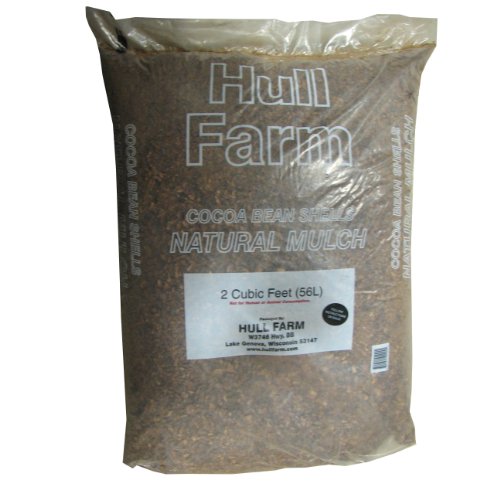
Cocoa shell mulch is made from roasted cocoa bean shells. It is often sold as a decorative mulch for moisture retention and weed suppression, and some product pages also note a chocolate aroma that can last about three weeks. In vegetable beds, that scent matters far less than access, depth, and drainage.
Common garden uses and what it can do
In ornamental beds, cocoa shell mulch can slow surface drying and cut weed growth. It is also sold for containers and ground beds. Some listings state a fertilizer value of 2.5-1-3, and one product page says the mulch will not burn vegetation, but those are product-specific claims, not a blanket safety rule for food crops.
Why the chocolate scent matters less than safety
The smell may make cocoa mulch seem harmless, but the scent is not the deciding factor for edible beds. The key questions are whether children or dogs can reach it, whether seedlings are still fragile, and whether the bed stays too wet. A pleasant odor does not offset a higher pet risk.
Is cocoa mulch safe for vegetable gardens?
Cocoa mulch can be used around some vegetable plantings, but it is not the best default mulch for every edible bed. It is acceptable only where you can control access, keep it off stems, and manage moisture well. For direct-contact edible beds and dog-accessible areas, safer mulches are usually a better fit.
Direct-contact edible beds
For beds where leaves, fruit, or low stems sit directly on the mulch zone, cocoa mulch is a mixed choice. It can help with weeds and moisture, but it adds pet risk and can hold too much surface dampness if the bed is crowded. Straw, shredded leaves, or untreated bark are easier choices for most harvest crops.
Raised beds with food crops
Raised beds do not remove the concern. If a raised bed is open to dogs, cocoa mulch is still a poor pick. If the bed is fenced or screened and drains well, it can be used more safely, especially after plants are established and stems are sturdy. Even then, keep the layer thin enough for airflow.
Seedling rows and new transplants
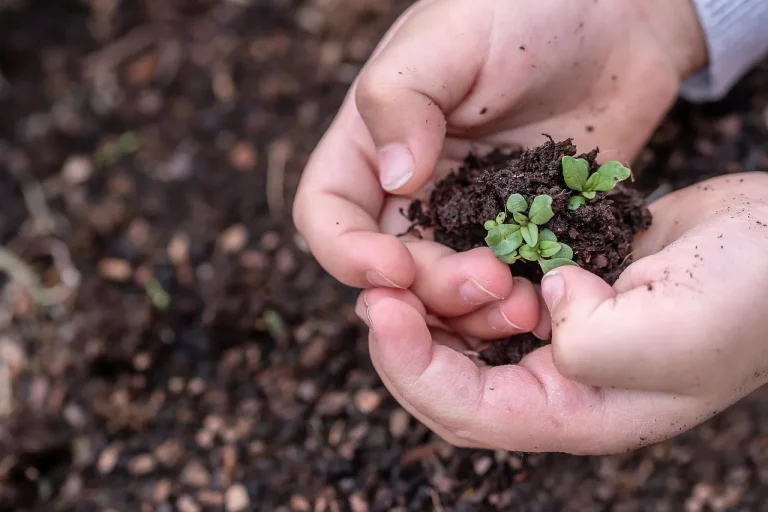
Seedlings are the least forgiving stage. Apply mulch after plants have sprouted and anchored, not over tiny stems or buried cotyledons. Fragile new growth can be damaged by mulch edges, and the surface layer can trap too much moisture around tender tissue. In fresh rows, wait until the plants can handle the cover.
How cocoa mulch affects vegetable plants
For plant health, cocoa mulch works like other surface mulches: it can slow evaporation and block weeds. The catch is that a vegetable garden needs airflow and drainage, not a heavy blanket. Too much mulch, or mulch packed against stems, can create a damp, stagnant surface that invites mold.
Moisture retention and weed suppression
Cocoa shell mulch is often used for moisture retention and weed suppression. That can help between rows and around established plants. It should support soil moisture, not keep the surface soaked. The goal is damp, not saturated. Excess wetness can encourage mold, especially in humid weather or tightly planted beds.
Mulch depth and airflow
A suggested coverage amount is one inch of cocoa mulch. That is a useful starting point for vegetable beds, especially where airflow matters. Some package directions may call for more, but deeper layers can slow drying, reduce gas exchange at the surface, and speed decomposition. In crowded beds, less is often safer than more.
Keeping mulch off stems and crowns
Keep mulch back from fragile stems and crowns. One placement tip is to apply cocoa mulch close to plant stems with caution because edges may cut fragile stems. That means the material can touch the soil zone near a plant, but it should not pile directly into the stem base. Leave a small ring of open space around each plant.
Suppose a tomato transplant is set into about a 3-foot bed, and the mulch is mounded right against the main stem. That can trap moisture at the base and rub tender tissue as the plant moves. If the mulch is pulled back a few inches, the same bed keeps weed pressure down without pressing on the stem.
Can cocoa mulch hurt dogs?
Yes. Cocoa bean shell mulch can be toxic to dogs if ingested. The risk is different from plant-safety concerns because a bed can be fine for vegetables and still be unsafe for pets. If dogs can reach the mulch, dig in it, or eat it, it should be avoided or fully blocked off.
Vomiting, diarrhea, and ingestion risk
Reported dog-ingestion symptoms include vomiting, diarrhea, fast heart rate, tremors, and seizures. If a toxic dose is ingested, veterinary care is advised immediately. That makes cocoa mulch a poor choice for any garden edge, path, or open bed that a dog can access unsupervised.
When to avoid it completely
Avoid cocoa mulch completely if a dog can roam the vegetable area, if the bed is beside a fence where paws can reach in, or if the mulch is used along a path that a pet uses daily. Even decorative use becomes a real risk when the shell pieces are reachable.
Say your roughly 25-square-foot raised bed sits beside a patio gate, and a medium-sized dog likes to nose along the edge. In that setup, cocoa mulch is a bad tradeoff. A dog only needs a small, reachable patch to make the risk worth skipping the product entirely.
Can you Use cocoa mulch here?
| Setup | Risk level | Why it matters | Safer alternative mulch choices |
|---|---|---|---|
| Direct-contact edible beds | Moderate | Works for moisture and weeds, but food crops need airflow and easier cleanup. | Straw, shredded leaves, untreated bark |
| Raised beds | Moderate to high | Use is more reasonable only if pets cannot reach the bed and drainage is good. | Straw, shredded leaves, composted leaf mulch |
| Seedling rows | High | Fragile stems can be disturbed, buried, or stressed by surface moisture. | Fine straw, shredded leaves, light compost topping |
| Dog-accessible gardens | High | Pet toxicity risk outweighs decoration and weed control. | Straw, shredded leaves, untreated bark, pine needles where suitable |
| Humid climates | Moderate to high | Wet mulch can stay damp too long and encourage mold. | Shredded leaves, lighter straw layer, open soil between plants |
| Container vegetables | Moderate | Small pots dry and rewet quickly, so depth and drainage matter more. | Straw, fine bark, shredded leaves |
How to use mulch safely around vegetables
Use cocoa mulch only after plants are established, keep it off fragile stems, and watch moisture closely. The same product can be acceptable in one bed and a bad fit in another. Bed stage, airflow, and pet access matter more than the label on the bag.
Apply after plants are established
Apply mulch after planting and sprouting, when stems are sturdy enough to stay clear of the surface layer. Do not bury seedlings or cover newly opened crowns. If the bed has just been planted, wait until the plants have gained enough height to sit above the mulch line.
Watch moisture and drainage
The mulch should be wet after application, but not saturated, to reduce mold risk. That is especially important in humid climates and in beds with dense foliage. If the mulch stays soggy for days, the layer is too heavy, the bed drains poorly, or both.
Check bag condition and storage
Stored bags should be sheltered from rain because wet bags may develop fungus. Heavy bags can also point to water exposure. Before using a bag of cocoa shell mulch, check for clumps, musty odor, or visible growth. If the bag seems damp or degraded, do not spread it in a food bed.
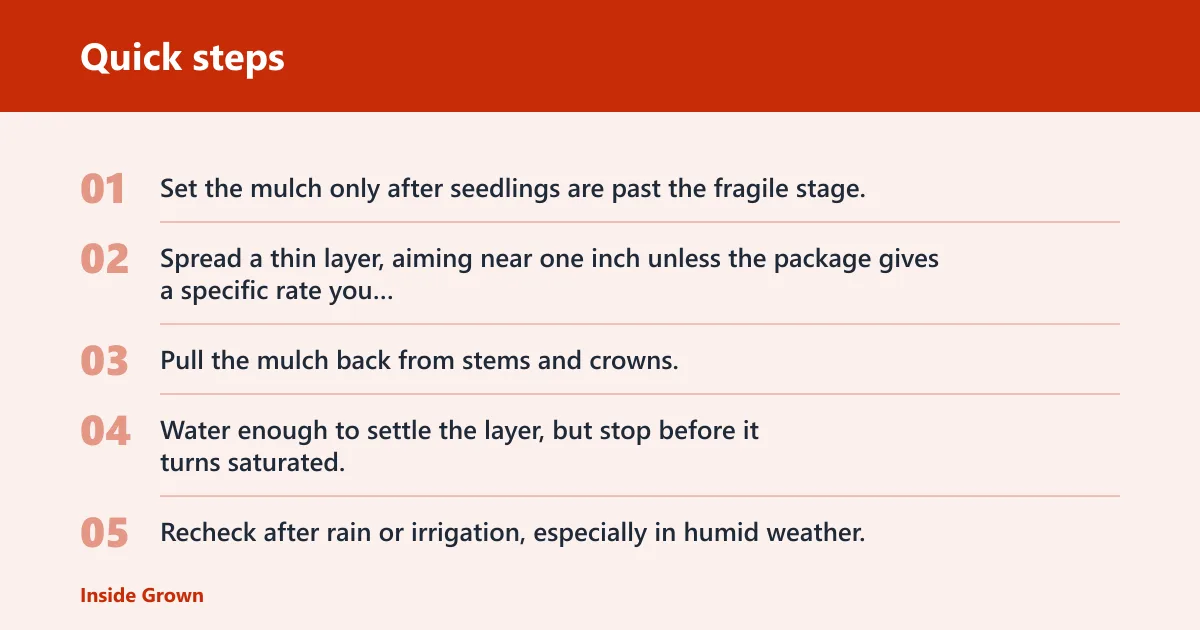
- Set the mulch only after seedlings are past the fragile stage.
- Spread a thin layer, aiming near one inch unless the package gives a specific rate you can support with airflow and drainage.
- Pull the mulch back from stems and crowns.
- Water enough to settle the layer, but stop before it turns saturated.
- Recheck after rain or irrigation, especially in humid weather.
Safer mulch choices for edible beds
For most vegetable gardens, straw, shredded leaves, and untreated bark are safer defaults than cocoa mulch. They avoid the dog toxicity issue and are easier to justify in harvest beds, seedling rows, and places where maintenance needs to stay simple. Choose the lightest option that fits the crop and climate.
Straw for annual vegetables
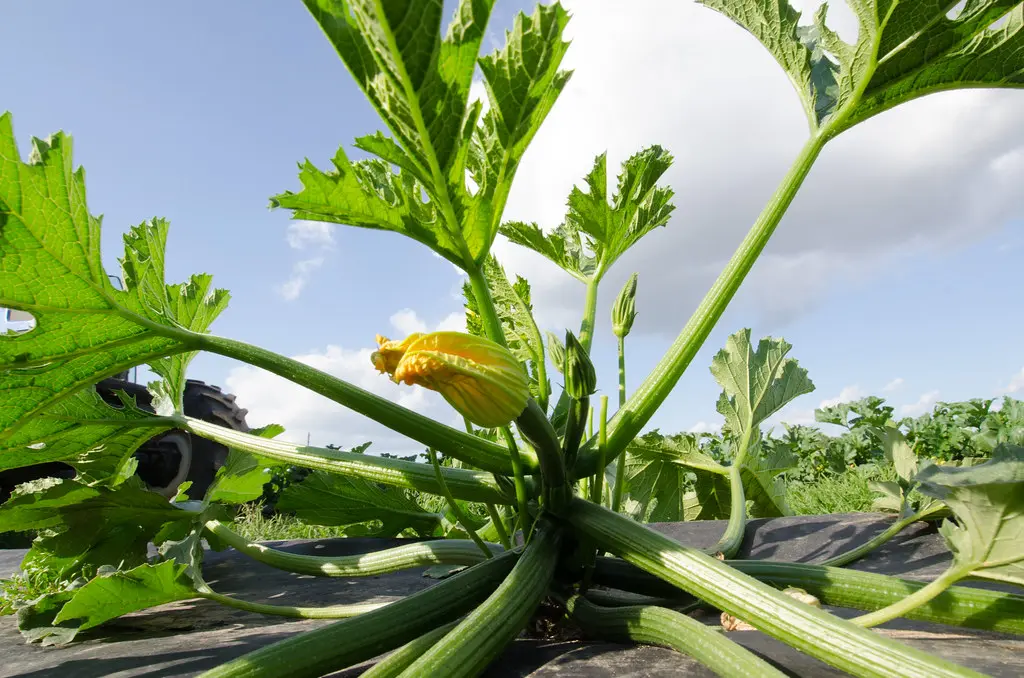
Straw is a common choice for tomatoes, peppers, squash, and other annual crops. It is light, easy to pull back for planting, and simple to replace. It is also a better match for beds that need frequent access during harvest and pruning.
Shredded leaves for low-cost coverage
Shredded leaves are useful when you want coverage without a heavy bagged product. They break down into the soil over time, which can be helpful in edible beds. They also avoid cocoa-shell pet toxicity and are easy to spread around established plants.
Untreated bark and other alternatives
Untreated bark can work in some beds and pathways, though it is usually less suitable for very fine seed rows than straw or leaves. Pine needles may fit some crops and soil conditions. The main point is simple: if dogs are present or the bed is tightly packed, choose a safer mulch first.
Frequently asked questions
Is cocoa shell mulch good for vegetable gardens?
It can be useful for moisture retention and weed suppression, but “good” depends on the setup. It is more reasonable in fenced or screened beds than in open, dog-accessible areas. In harvest beds, the best choice is often the one that protects plants without creating extra risk.
Is coco mulch good for vegetable gardens?
Yes, in limited situations. It can help with moisture and weeds, but it should not be treated as a universal vegetable mulch. If a dog can reach the bed, or if seedlings are still fragile, a different mulch is the better call.
Should you put mulch on your vegetable garden?
Usually yes, because a vegetable garden benefits from moisture control and weed suppression. The main question is which mulch fits the bed. A thin layer applied after planting and sprouting is safer than a heavy cover placed too early or packed against stems.
Can cocoa mulch hurt vegetable plants?
It can, if it is too deep, too wet, or pushed against stems and crowns. The material itself is not the main problem; the setup is. In a crowded or humid bed, poor airflow and excess wetness can create mold and stress young plants.
Is cocoa mulch safe for dogs around vegetable beds?
No, not if dogs can access it. Cocoa bean shell mulch can be toxic to dogs if ingested, and reported symptoms include vomiting and diarrhea, along with more serious signs. If a dog can enter the garden, use a safer mulch instead.