Best Alpine Plants for Rock Garden Displays: research shows
For a sunny rock garden, choose low-growing alpine plants that suit different micro-sites—such as crevice dwellers, scree spreaders, trough plants, and dry-pocket specialists—and begin with roughly a handful to a dozen species. Pick the wrong drainage, and crowns rot, plants stall, and the display turns patchy fast. This guide compares bloom window, mature size, and drainage needs so you can place each plant where it fits.
Quick comparison
| Product | Badge | Best for | Price | ||
|---|---|---|---|---|---|
 | Saxifraga Exarata Seeds, Furrowed Saxifrage, HardyGeneric | Our pick | 50 hardy evergreen alpine seeds | $5.99 Price as of 12 Oct 2026 | View |
 | VegTrug Self Watering Kit for Wall Hugger Medium 1.8mVegTrug | Upgrade pick | Self-watering 1.8m wall planter system | $159.99 Price as of 12 Oct 2026 | View |
 | 22Day Seeds: Seeds Rock Cress Rainbow22Day Seeds | Budget pick | Rock cress rainbow mix seed pack | $8.98 Price as of 12 Oct 2026 | View |
 | NAFOGAR Garden Auger Drill Bit for Planting – Pack of (2) –NAFOGAR | Pair with it | 2-piece hex drive garden auger set | $22.98 Price as of 12 Oct 2026 | View |
This quick comparison is built around site type first, then size, sun, drainage, bloom window, and failure risk. That order matters in rock gardens, where a plant can look good and still fail if winter wet or summer scorch does not match its roots.
Alpine plants come from exposed mountain sites with strong sun and scant moisture. Many stay close to the ground to cut wind exposure, so they suit fissures, ledges, troughs, and pockets where soil stays open and drains fast.
How we chose
The shortlist follows micro-habitat fit, not flower color alone. It also favors compact growth forms such as cushions, mats, rosettes, and dwarf perennials, because those forms sit naturally among rockwork instead of swallowing it.
Drainage came second. Sunny siting and excellent drainage matter more than almost any other factor in alpine plantings, and a practical mix of gravel or sand helps keep water from pooling around roots.
Bloom timing and failure risk also count. A good alpine garden needs spring color, summer texture, and, where possible, a few plants that hold interest into the cool season without turning soft in wet weather.
Saxifraga: best for crevices and tight pockets
- Thrives in alpine environments with excellent cold tolerance
- Forms dense cushion-like mounds with delicate flowers
- Perfect for crevices, stone walls, and troughs
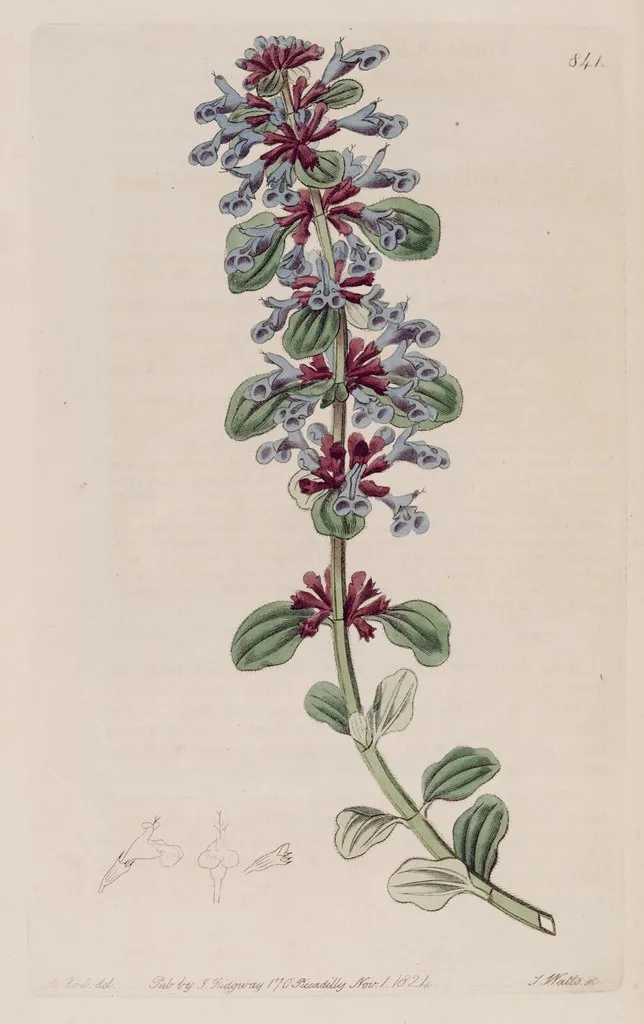
Saxifraga is the strongest anchor for a crevice-driven rock display. It suits tight seams, stone joints, and narrow pockets because its compact habit lets it settle into rock fissures without pushing aside slower neighbors, and its delicate flowers add detail without bulk.
It fits gardeners who want one genus with range. Saxifraga includes many species and cultivars, so you can find forms that stay very tight, form small cushions, or spread just enough to soften a ledge.
The drawback is simple: it dislikes wet feet. In heavy soil or a pocket that catches runoff, crowns can fail quickly, so it needs the sharpest drainage in the garden and little patience for winter wet.
Sempervivum: best for dry, shallow soil
- Includes heirloom, organic, and open-pollinated varieties
- Seeds selected to thrive in various climates and zones
- 100% non-GMO guarantee for natural growing experience
Sempervivum is the dry-site specialist for shallow pockets, stone caps, and sunbaked ledges. Its rosette form and fleshy leaves store moisture well, and it is widely valued for drought resistance and tolerance of poor soils.
Use it where water disappears fast and soil depth is thin. It works especially well in pockets above retaining walls, in gravel-top pockets, and at the edge of rock piles where other alpine plants dry too quickly.
The main drawback is winter wet. If soil stays damp around the crown, rosettes can rot or split, so this plant needs grit, slope, and excellent runoff more than feeding or rich compost.
Dianthus: best for a fragrant rockery edge
Dianthus suits the edge of the rockery, where its neat clumps can spill slightly over stone without covering it. The flowers are fragrant, come in a broad color range, and look best in full sun with open air around the stems.
This is a strong choice for borders between paving, gravel, and rock. It gives you a tidy height that stays small enough for front-of-bed placement while still adding a clear floral note in a display built around texture.
Its drawback is crowding. If taller neighbors shade it or if the soil holds too much moisture, flowering drops and stems can weaken, so place it where sun reaches the crown all day.
Androsace: best for miniature mats and cushions
Androsace is one of the best plants for crevice planting and miniature rock work. It prefers rocky crevices, forms small mats or cushions, and carries tiny flowers that reward close viewing rather than distant display.
Use it where the goal is precision. It suits troughs, vertical cracks, and very small pockets in stonework, especially where a larger alpine would look oversized or out of scale.
The drawback is sensitivity to poor siting. It dislikes closed, stale pockets and can fail if the crevice holds moisture for long periods, so it needs excellent drainage and a fairly lean mix.
Lewisia: best for bright color in sharp drainage
Lewisia is the bright-flowering option for sunny, sharply drained sites. It suits full sun and well-drained soil, and its succulent-like foliage helps it cope with dry pockets once established.
Use it in exposed troughs, gravelly slopes, and raised pockets where water moves through fast. The flowers bring high color to a display that might otherwise rely too heavily on foliage and stone.
The drawback is heat combined with wetness. In a pocket that stays wet after rain, the crown can decline quickly, and in intense reflected heat without enough drainage, the plant can struggle.
Thymus: best for low edging and scent
Thymus is a low creeping plant for sunny edges, path joints, and the front of a rock garden. It carries aromatic foliage, works as both an ornamental and a culinary herb, and stays low enough to knit between stones.
Use it where you want a soft apron around boulders or paving. It can handle light foot traffic better than many alpines, and its foliage adds interest even when flowers are finished.
The drawback is overgrowth in shade or damp soil. It needs well-drained conditions, and if you shear it too late in the season, woody sections can become thin before fresh growth returns.
Phlox subulata: best for spring coverage
Phlox subulata is the spring carpet for banks, ledges, and broad rock faces. It is a low-growing plant that blooms in spring, spreads to cover ground, and gives useful pollinator value while in flower.
Choose it when you need a quick visual sweep across an exposed slope. It works well where a creeping mat can bridge stone and soil, softening hard edges without requiring much vertical space.
The drawback is competition. If you place it beside very slow growers, it can smother them over time, so give it room on outer ledges rather than in the tightest crevice zones.
What alpine plants stay small and won’t overwhelm rocks?
The safest small choices are plants with cushion, mat, rosette, or dwarf-perennial habits. Dianthus stays compact at the rockery edge, Androsace fits tiny pockets with miniature cushions, and Gentiana gives strong color without spreading into bulky mounds.
Suppose a 90 cm-wide trough is meant to hold five plants and show stone between them. A spreading selection that doubles in width by midsummer can bury the structure, while a cushion-form plant keeps the rock visible.
Dianthus at the rockery edge
Dianthus stays small enough for front placement and gives clear fragrance along paths and edges. It is best when you want a neat flowering line that does not hide stone faces.
Androsace for miniature mats and cushions
Androsace is the miniature choice for crevices and troughs. Its low mat or cushion form keeps it from overwhelming rocks, but it needs careful drainage and a pocket that does not stay wet.
Gentiana for compact color without bulk
Gentiana is a perennial option for rock gardens that want blue flowers without a sprawling habit. It brings cool-season bloom interest and remains visually contained if the site is open and well drained.
Gentiana: best for cool-season blue flowers
Gentiana brings one of the clearest blue flower colors in alpine planting. It is a perennial that suits rock gardens well when placed in cool, open, sharply drained pockets rather than in rich border soil.
Use it where spring and autumn shoulders matter. It adds color when many other rock plants have already moved past peak bloom, so it helps stretch display time beyond the obvious spring flush.
The drawback is site sensitivity. It generally performs best where roots stay cool but never soggy, and a site that bakes dry and hot all day can shorten its display.
What alpine plants need full sun and sharp drainage?
Most of the strongest rock-garden alpines want both conditions, but Lewisia, Sempervivum, Saxifraga, Thymus, and Phlox subulata are the clearest matches. The right pocket should shed water fast, sit in open sun, and never feel heavy after rain.
Mix gravel or sand into the planting pocket to improve drainage, and set the plant slightly proud of the surrounding soil so runoff moves away from the crown. If water lingers, the site is too wet for most alpine roots.
What to mix into the planting pocket
Use grit, gravel, or coarse sand to open the soil structure. This helps prevent waterlogging, which is the main path to crown rot and root rot in alpine plantings.
How to position plants by runoff
Place the most sensitive plants at the top or side of a slope, not in the lowest catch point. Crevice plants can sit deeper in stone, but only where the fissure drains freely and does not act like a sump.
Signs the site is too wet
Soft crowns, faded leaves after rain, and plants that stop growing while nearby gravel stays dark are warning signs. In rock gardens, wetness is often a drainage problem, not a watering problem.
Lewisia: best for bright color in sharp drainage
- Faster than shovels, preventing sore hands and blisters
- Compatible with standard 3/8 inch hex drive tools
- Broad applicability for digging planting holes and beds
Lewisia earns a second mention here because its main virtue is simple placement discipline: full sun, excellent drainage, and a pocket that sheds water fast. It is a good pick if you want high-color flowers and succulent-like foliage in the same small space.
It suits gardeners building troughs, raised scree pockets, or a sharply sloped rock bed. The display is strong where sunlight reaches the crown and gritty soil dries quickly after rain.
The drawback is the narrow margin for error. In humid, still, or water-retentive pockets, it declines faster than more forgiving alpines, so it belongs in the driest part of the garden.
Thymus: best for low edging and scent
Thymus is hard to beat for low, fragrant edging. It forms a creeping cover that can soften rock joints and path edges while still leaving stone visible, and it can also be clipped lightly for kitchen use.
It is useful where you need a plant that reads as texture first and flower second. The foliage is the feature most of the season, and it handles dry, sunny edges well after establishment.
A common first-timer mistake is placing thyme in a shaded pocket that stays damp. The plant then stretches, thins, and loses its compact outline, so keep it on the sunniest edge and trim it lightly after bloom.
Phlox subulata: best for spring coverage
Phlox subulata is the spreading spring cover for sunny ledges and open banks. It gives quick coverage, a strong pollinator signal during bloom, and a low habit that suits front-of-rockery positions.
It works well where you want a burst of seasonal color over a wide area. Keep it away from miniature crevice plants, though, because its spread can crowd slower growers if space is tight.
The drawback is its vigor. It can overrun careful layouts, so it belongs on outer slopes, broad ledges, or places where its mat can expand without swallowing the display.
Micro-habitat selection table and placement checklist
This table matches each plant to the site it fits best. The key is to think like water: where it enters, where it leaves, and where roots sit in between.
| Plant | Best site type | Sun exposure | Drainage level | Expected bloom window | Common failure mode |
|---|---|---|---|---|---|
| Saxifraga | Crevices, stone joints, tight pockets | Full sun to bright open light | Excellent, very sharp | Spring to early summer, species dependent | Crown rot in trapped moisture |
| Sempervivum | Dry pockets, shallow soil, rock caps | Full sun | Excellent | Summer flowering on mature rosettes | Winter wet and rot |
| Dianthus | Rockery edge, front border, gravel apron | Full sun | Very good | Late spring to summer | Weak flowering in shade |
| Androsace | Vertical cracks, troughs, miniature pockets | Bright sun to high light | Excellent, fast drying | Spring | Failure in stale, wet crevices |
| Lewisia | Raised pockets, scree, shallow troughs | Full sun | Excellent, gritty | Spring to summer | Heat stress with excess moisture |
| Thymus | Edges, joints, path margins | Full sun | Very good to excellent | Late spring to summer | Thinning in damp shade |
| Phlox subulata | Banks, ledges, broader drifts | Full sun | Good to very good | Spring | Smothering slower plants |
| Gentiana | Open pockets, cool rock gardens | Full sun to light shade in hot climates | Very good | Cool-season interest, often spring or autumn by type | Decline in stagnant wet soil |
- Choose the driest pockets for Saxifraga, Lewisia, and Sempervivum, and reserve broader ledges for Phlox subulata and Dianthus.
- Set each plant so runoff moves away from the crown, then top-dress with gravel or grit to keep the surface open.
- Leave space for mature spread, especially around creeping mats, so slow growers are not buried later in the season.
Picture a 1.2-meter trough on a south-facing patio. Put Androsace in the narrowest fissure, a small Saxifraga in the next pocket, and Thymus at the edge where it can trail slightly without blocking the stone.
Say your rock garden has a shallow slope that dries fast after rain. That site suits Lewisia and Sempervivum better than any plant that prefers richer, moister soil, because the display gains from the lean, open drainage.
Which one should you buy
Start with Saxifraga if you want the most adaptable crevice anchor. It is the best budget-friendly choice here, and its species and cultivar range gives you more ways to fit a plant into a tight rock feature.
Choose Sempervivum for the hottest, driest pockets. Choose Lewisia if you want the strongest flower color in sharply drained sun. Choose Androsace when the space is tiny and the rock work deserves a miniature plant, not a broad one.
If you want the longest visual run, combine Phlox subulata for spring, Dianthus for early summer, Gentiana for cooler bloom interest, and Thymus for foliage that keeps the edges neat after flowers fade.
Frequently asked questions
What are the best alpine plants for a rock garden?
The best alpine plants for a rock garden are the ones that match the site first: Saxifraga for crevices, Sempervivum for dry shallow soil, Lewisia for sunny gritty pockets, Androsace for tiny cracks, and Phlox subulata for broader spring coverage. The right fit matters more than flower color alone.
Which alpine plants stay small and won’t overwhelm rocks?
Dianthus, Androsace, Saxifraga, and many Gentiana forms stay relatively compact and suit small rockwork. Look for cushion, mat, rosette, or dwarf growth forms. Avoid placing vigorous spreaders in tight pockets, because they can cover stone detail faster than expected.
What alpine plants need full sun and sharp drainage?
Lewisia, Sempervivum, Thymus, Saxifraga, and Phlox subulata all need open sun and very good drainage. If a pocket stays damp after rain, the site is wrong for most of them. Gravel or sand in the planting mix helps keep roots oxygenated.
Which alpine plants bloom for the longest time?
Long display usually comes from mixing bloom windows rather than relying on one plant. Phlox subulata gives spring coverage, Dianthus extends color into early summer, Lewisia carries bright flowers in warmer weather, and Gentiana can add cool-season interest depending on type and climate.
How do I stop alpine plants from rotting in a rock garden?
Use sharp drainage, keep crowns above the surrounding soil line, and avoid low spots that collect runoff. Mix gravel or coarse sand into the pocket, and place the most sensitive plants on slopes or ledges rather than at the bottom of a basin.
Can alpine plants handle drought once established?
Many can, especially Sempervivum, Thymus, and several Saxifraga types. They cope with strong sun and little water on mountain sites. Even so, drought tolerance does not cancel drainage needs; a dry site that stays soggy after rain still causes losses.
Which alpine plants are best for crevices and gravel pockets?
Saxifraga and Androsace are the best fits for crevices, with Saxifraga offering more species and cultivar choice and Androsace excelling in miniature rocky habitat. Lewisia also works in gritty pockets if the site is sunny and drains quickly.
How do I combine alpine plants for year-round interest?
Mix growth forms and bloom windows. Use Saxifraga or Androsace in cracks, Sempervivum for evergreen rosettes, Phlox subulata for spring spread, Dianthus for edge flowers, and Thymus for foliage. That combination keeps the display varied even when only one plant is in bloom.