Can You Prune Houseplants in Winter or Wait?
Prune houseplants in winter only if they are actively growing under strong light or need dead, damaged, or diseased growth removed; otherwise wait until spring. Poor timing can slow recovery, stunt new growth, and leave cut stems open to rot. This guide gives a species-by-species rule set for common indoor plants, plus the few winter cuts that are safe now.
Can you prune houseplants in winter or should you wait until spring?



Winter pruning is usually safest for plants that are still growing enough to heal quickly, or for cuts that remove broken, dead, or diseased tissue. For many houseplants, lower light and slower growth make winter a poor time for major shaping cuts. For routine pruning, spring is often the better window because growth resumes and the plant can replace lost tissue sooner.
When winter pruning is usually safe
Use winter pruning for active growers such as pothos, philodendrons, and Swedish ivy, especially if they are pushing new leaves under bright indoor light. Healthy ficus trees, rubber plants, and dracaenas can often handle light shaping cuts. The key is simple: if the plant is growing, it can usually recover faster than a resting plant.
Winter pruning also makes sense when you have no choice. Dead stems, snapped vines, pest-damaged tips, and diseased sections should come off right away so the problem does not spread. The cut should solve a problem, not trigger a full reshaping job.
When waiting for spring is the better call
Wait for spring if the plant is blooming, resting, or storing energy. Flowering holiday plants, succulents in a quiet period, and dormant bulbs all handle winter cuts poorly. When light increases and growth restarts, the plant has more energy to seal cuts and replace removed foliage.
Reduced winter light matters. A plant that is already growing more slowly has less energy to seal cuts, rebuild foliage, and support new shoots. Heavy pruning at that point can leave the plant set back for weeks.
Which houseplants can you prune now?
Prune now only if the plant is actively growing or needs a small corrective cut. Fast-growing foliage plants and some healthy woody indoor plants are the best winter candidates. Keep the cuts light. If the plant is already slowed down, wait.
Fast-growing foliage plants
Pothos, philodendrons, and Swedish ivy are often among the better winter-pruning candidates for common beginner plants. These plants usually respond well to light tip pruning, vine shortening, and removal of long, bare stems. They are still better off with small, targeted cuts than with a hard winter reset.
These plants still need a limit. Trim only enough to correct shape, control length, or remove damaged growth. A plant that is thin from low light should not be cut back hard in the middle of winter.
Healthy woody indoor plants
Ficus trees, rubber plants, and dracaenas can also tolerate light winter pruning when they are healthy. Use them for small height corrections, not a dramatic reset. If the plant is stressed, slow to rebound, or already dropping leaves, hold off until spring.
With woody indoor plants, pruning quality matters more than pruning volume. Clean cuts and careful placement reduce the chance of dieback along the stem. If a plant is dropping leaves, yellowing, or stressed from cold drafts, skip shaping cuts until spring.
Which houseplants should you leave alone?
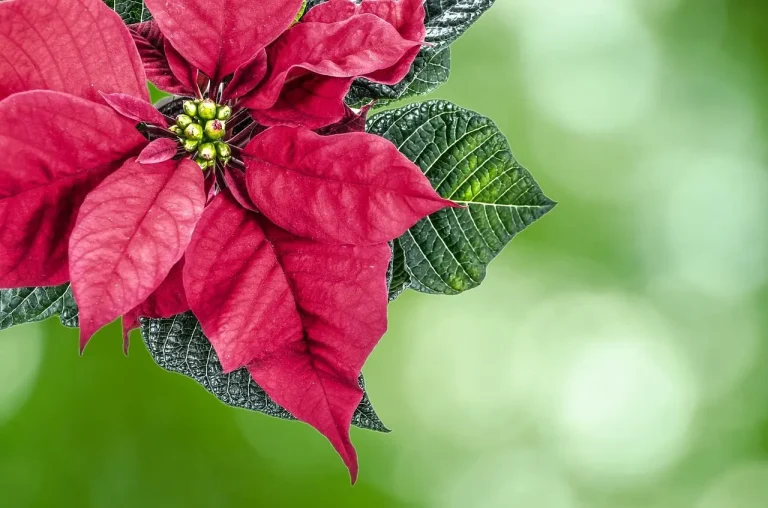
Leave blooming, resting, or energy-storing plants alone during winter unless you are removing dead or damaged tissue. Poinsettias and Christmas cacti should not be cut back before their bloom cycle ends. Succulents and dormant bulbs also do better with minimal disturbance until growth resumes.
Flowering holiday plants
Poinsettias should not be pruned before winter, and Christmas cacti should not be cut back before winter. Waiting until the bloom cycle is finished protects the flowers and preserves the growth the plant needs for its next flush.
For these plants, remove only clearly dead or broken parts during winter. Save shaping cuts for after bloom, when the plant shifts back into growth. That timing protects flowers and avoids wasting stored energy.
Succulents and dormant bulbs
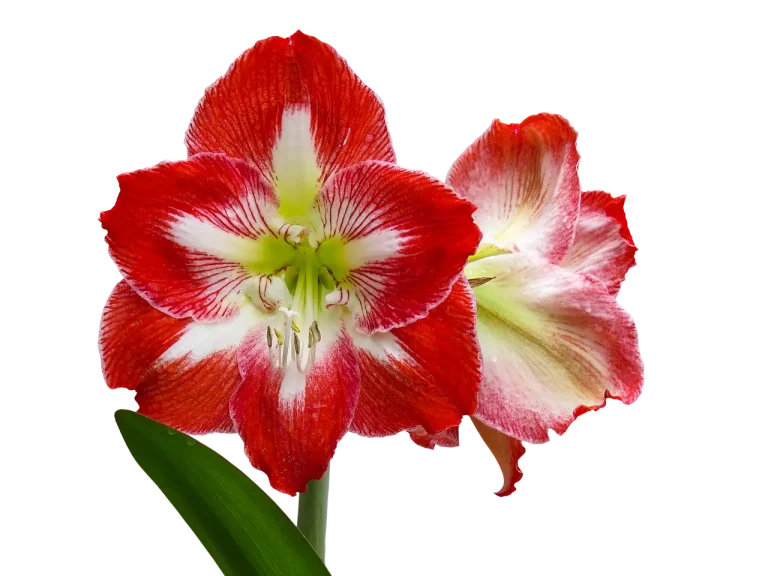
Succulents generally need minimal disturbance in winter, so avoid unnecessary pruning. They are built to conserve resources, not to replace a lot of tissue during a low-light season. Dormant bulbs such as amaryllis, paperwhites, and hippeastrums need rest rather than cutting.
For bulbs, the winter job is usually cleanup, not pruning. Remove spent flower stalks only if the plant has finished blooming and the foliage is naturally fading, but do not cut into healthy storage tissue. If the plant is resting, let it rest.
Houseplant pruning decision table
| Plant group | Winter action | Signs it’s okay now | What to avoid | Reason | Risk level |
|---|---|---|---|---|---|
| Pothos | Prune now | Fresh vine extension, active leaf production, and firm stems | Hard cutback on sparse vines or during very low light | Fast-growing foliage plant that usually handles light pruning when it is actively growing. | Low |
| Philodendrons | Prune now | New leaves, climbing growth, and healthy nodes along the stem | Heavy shaping when the plant is leggy from winter light loss | Active vines and stems can recover well from small shaping cuts. | Low |
| Swedish ivy | Prune now | Noticeable new tips and quick response to prior pinching | Removing too much at once from a thin, tired plant | Responsive, fast-growing foliage plant that tolerates winter tip pruning better than resting plants. | Low |
| Ficus trees | Prune now | Healthy leaves, stable growth, and no recent stress from drafts or move | Large cuts on a dropping or yellowing plant | Healthy woody indoor plants can take light shaping cuts in winter. | Moderate |
| Rubber plants | Prune now | Firm stems and steady foliage with no obvious cold stress | Shaping while the plant is already shedding leaves | Woody growth can handle careful shaping if the plant is not stressed. | Moderate |
| Dracaenas | Prune now | Top growth is active and can support a small height correction | Cutting back more than needed during a slow winter stretch | Can tolerate pre-winter pruning when cuts are limited and the plant is healthy. | Moderate |
| Leggy tropical foliage plants | Only remove dead/damaged growth | Broken tips, dead leaves, or a clearly damaged stem section | Trying to “fix” winter legginess with a hard reset | Lengthy stems may look untidy, but heavy winter pruning can slow recovery. | Moderate |
| Poinsettias | Wait until spring | Only after bloom has finished and the plant is shifting back into growth | Pruning before the bloom cycle ends | Should not be pruned before winter bloom cycle ends. | High |
| Christmas cacti | Wait until spring | After flowering has finished and new segment growth resumes | Cutting back while buds or flowers are still present | Should not be cut back before winter flowers finish. | High |
| Succulents | Only remove dead/damaged growth | Rot-free stems and only a small cleanup is needed | Routine pruning during a slow, low-light period | Winter disturbance is usually unnecessary and can slow recovery. | Moderate |
| Amaryllis, paperwhites, hippeastrums | Wait until spring | After the plant has finished flowering and foliage is naturally declining | Cutting healthy storage tissue or forcing active pruning during rest | Dormant bulbs need a rest period rather than active pruning. | High |
| Resting or slow-growing houseplants | Wait until spring | New shoots, visible tip growth, or a clear return to active growth | Major shaping when the plant is conserving energy | Lower light and slower regrowth make major cuts riskier in winter. | High |
How much can you prune at once?
In winter, keep pruning small. The safest common guidance is to remove no more than one-third of the foliage at once, though the right amount varies by plant type, stem structure, and overall plant health. If a plant needs more than that, save the rest for spring unless you are removing dead, broken, or diseased growth that cannot wait.
The one-third rule
The one-third limit helps prevent shock. Removing too much leaf area reduces the plant’s ability to make energy when light is already weak. For a winter-pruned houseplant, the goal is correction, not a full reset.
Say your pothos has three long vines and one damaged stem. Remove the damaged stem first, then shorten only one healthy vine if the plant still has dense foliage. That keeps enough leaf mass to support recovery.
Where to make the cut
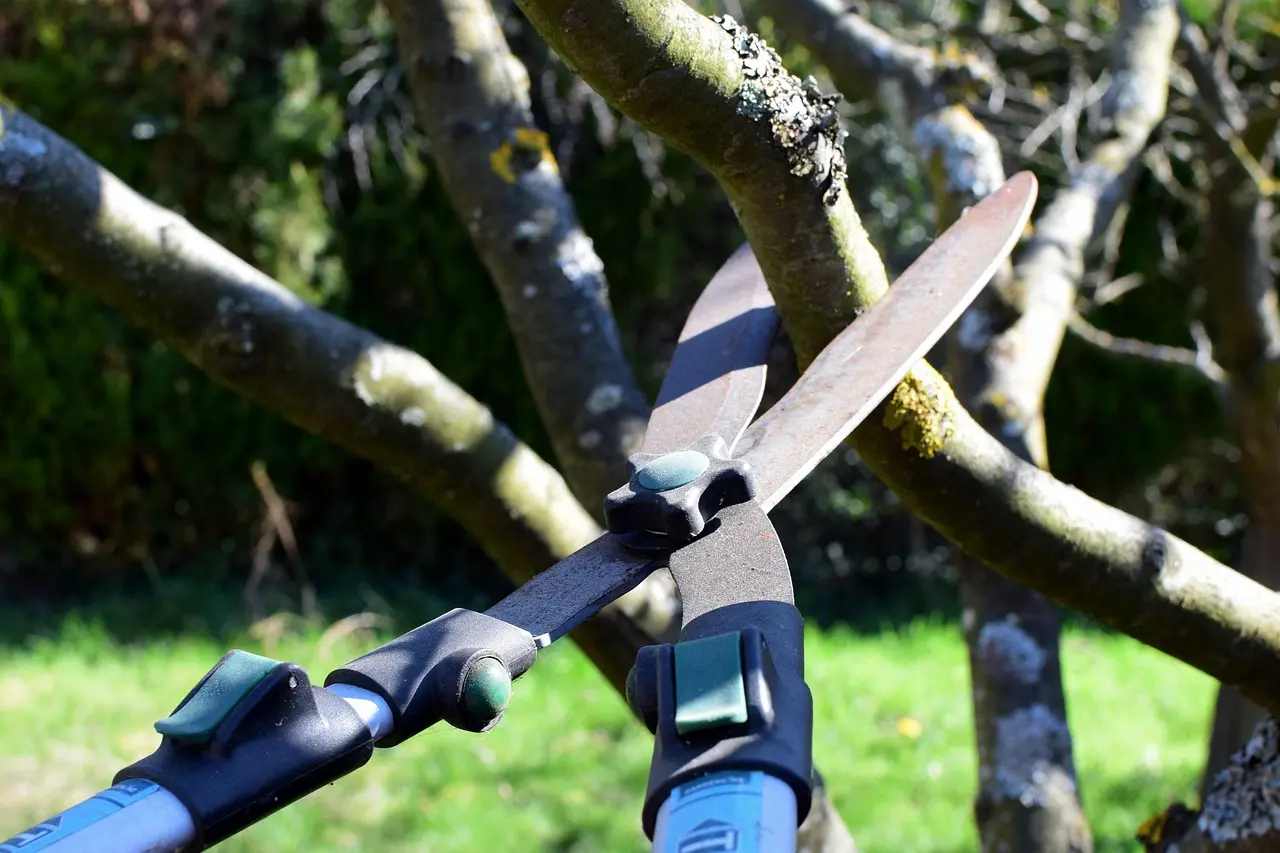
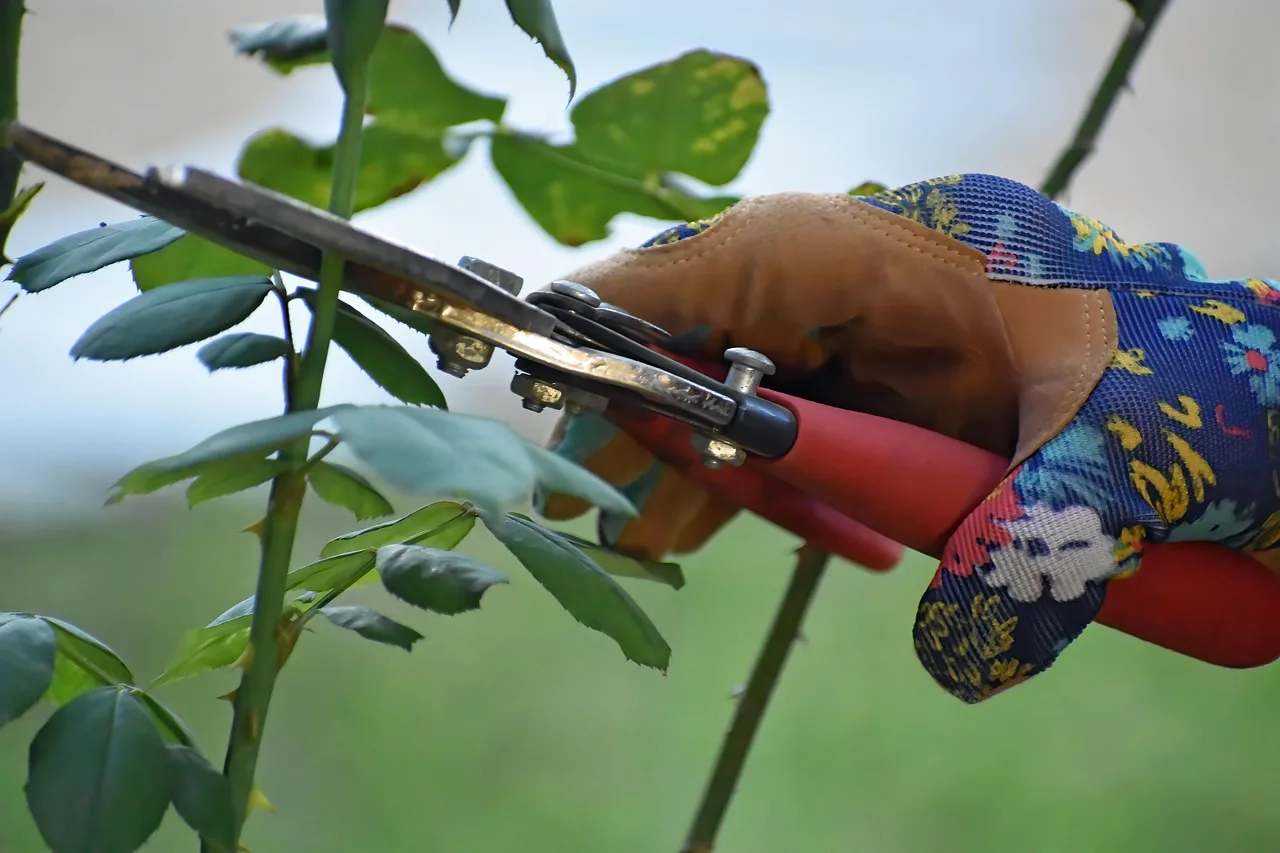
Use sterilized pruning shears cleaned with rubbing alcohol before you start. Make each cut just above a leaf node, and angle it at forty-five degrees when that shape fits the stem and the cut can drain cleanly. That placement supports cleaner healing and reduces the chance of a stub dying back.
Do not crush stems with dull tools. A clean cut closes faster than a torn one, which matters more in winter when recovery is slower. If you move from a diseased stem to a healthy one, disinfect the blades again.
Winter pruning checklist
Use this checklist before you cut. It keeps winter pruning limited, clean, and tied to plant condition rather than habit.
-
Check the plant’s growth stage.
Look for new leaves, active tip growth, or fresh shoots. If the plant is blooming, resting, or clearly slowed by short days, wait unless you need to remove damaged tissue.
-
Identify the plant type.
Fast-growing foliage plants and healthy woody indoor plants are the most likely winter candidates. Poinsettias, Christmas cacti, succulents, and dormant bulbs should usually be left alone.
-
Remove only what is necessary.
Take off dead, broken, or diseased growth first. If you are shaping the plant, keep the cutback light and stay under the one-third foliage limit.
-
Disinfect your tools.
Wipe pruning shears with rubbing alcohol before you cut and again after diseased material. Clean tools lower the chance of spreading rot or pests from one stem to another.
-
Cut above a node.
Place each cut just above a leaf node or joint at a forty-five degree angle when appropriate for the stem. That gives the remaining stem a better chance to seal cleanly and push new growth later.
-
Watch aftercare closely.
Keep the plant in bright, indirect light and avoid extra stress from overwatering. If recovery is slow, do not repeat pruning. Wait for spring growth restart, when pruning resumes more safely.
A common first-timer mistake is pruning a leggy plant in winter because it looks messy. Suppose a 3-foot philodendron has long bare internodes and two healthy leaves at the top. A light trim is fine, but a heavy cutback can leave the plant too weak to replace lost foliage until spring.
Another common problem is treating dead tissue and live shaping the same way. If a rubber plant has one blackened stem tip after cold-window damage, remove only the dead section now. Save any larger shape correction for when new growth begins.
Frequently asked questions
Should you prune leggy houseplants in winter or wait for spring growth?
Wait for spring growth if the plant is just leggy from low light and not actively putting out new leaves. Winter pruning is best reserved for active growers or for cleanup cuts that remove dead, damaged, or diseased tissue. If the plant can hold its shape until spring, it usually recovers better then.
Which houseplants can be pruned before winter?
Fast-growing foliage plants such as pothos, philodendrons, and Swedish ivy are the best winter candidates. Healthy ficus trees, rubber plants, and dracaenas can also take light shaping cuts. Keep the pruning limited, and avoid cutting back plants that are already flowering or clearly resting.
Which houseplants should not be pruned during winter dormancy?
Poinsettias and Christmas cacti should not be cut back before winter bloom ends. Succulents should also be left with minimal disturbance, and dormant bulbs such as amaryllis, paperwhites, and hippeastrums need rest rather than pruning. For these plants, only remove dead or broken pieces if needed.
How much of a houseplant can I prune at once in winter?
Keep winter pruning to no more than one-third of the foliage. That limit helps reduce shock when light is low and regrowth is slow. If a plant needs more than that, cut only the damaged parts now and wait for spring to finish shaping.
What is the best time of year to prune houseplants?
Spring is best for most houseplants because new growth begins and the plant can recover faster. At that point, the plant is coming out of winter rest, so pruning usually carries less stress. That is the better time for shaping, size control, and fuller cutbacks.
How do I know if my plant is ready for pruning?
Check for active growth, healthy leaves, and a plant that is not already stressed by low light, cold drafts, or pests. If you see new shoots, the plant is more likely to handle pruning. If it is blooming, resting, or thinning out from winter conditions, wait or make only minimal cleanup cuts.