How to Choose Between Direct Sowing and Starting Indoors
Direct sow seeds when the crop dislikes root disturbance, matures quickly, or can handle your outdoor conditions; start indoors when the plant needs a longer season, warm germination, or an early head start. The right method depends on crop biology, soil temperature, and the quality of your indoor setup. Use the comparison below to choose the least risky path for each seed.
Comparing the two planting methods
Direct sowing is the lower-handling option and usually the safest choice for root crops, quick crops, and plants that tolerate cooler soil. Starting indoors gives you more control over warmth, timing, and early growth. The best method is the one that matches the crop’s root structure, season length, and your setup.
| Decision factor | Direct sowing | Starting indoors |
|---|---|---|
| Root disturbance risk | Lowest, because seedlings stay put | Higher, because roots are moved later |
| Temperature control | Depends on outdoor soil warmth | Better control with trays, warmth, and moisture |
| Best crop fit | Cool-season crops and root crops | Warm-season crops and slow starters |
| Setup needs | Less equipment, less labor | More space, light, and monitoring |
| Budget and labor | Usually cheaper and quicker | Costs more in trays, mix, light, and time |
| Timing control | Follows weather and soil conditions | Lets you sow weeks before outdoor planting |
Direct sowing
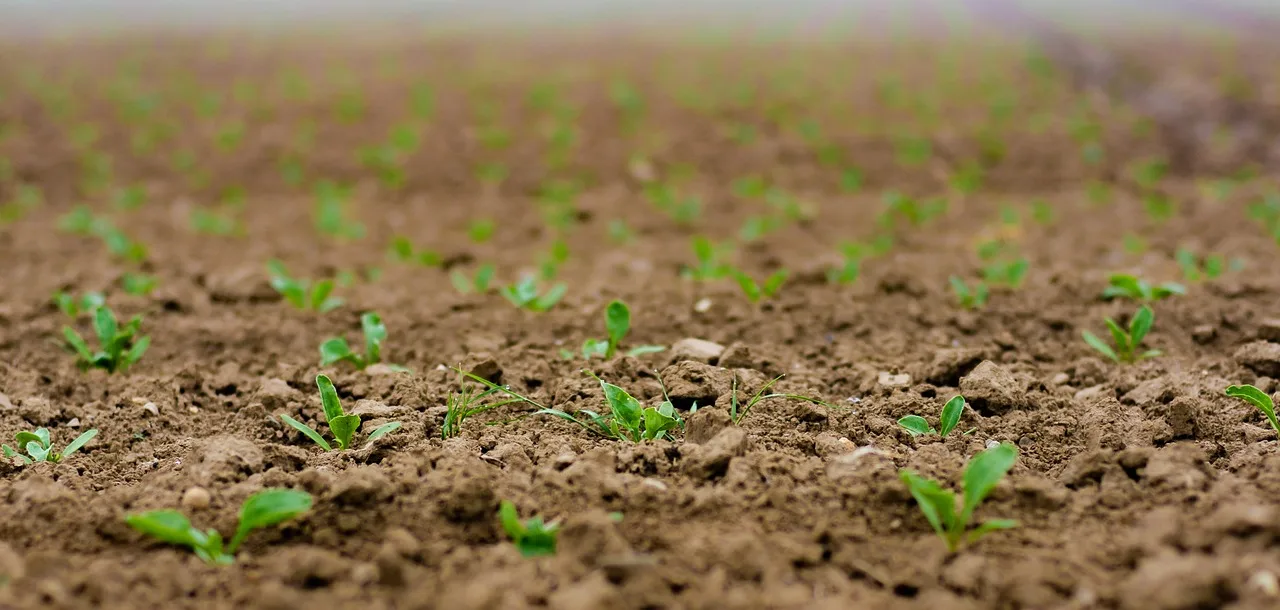
Direct sowing means planting seed in the bed, row, or container where the crop will stay until harvest. It is the clearest choice for crops that germinate in cooler soil, grow quickly, and do not like root disturbance. Because seedlings never need transplanting, it also avoids early shock.
Starting indoors
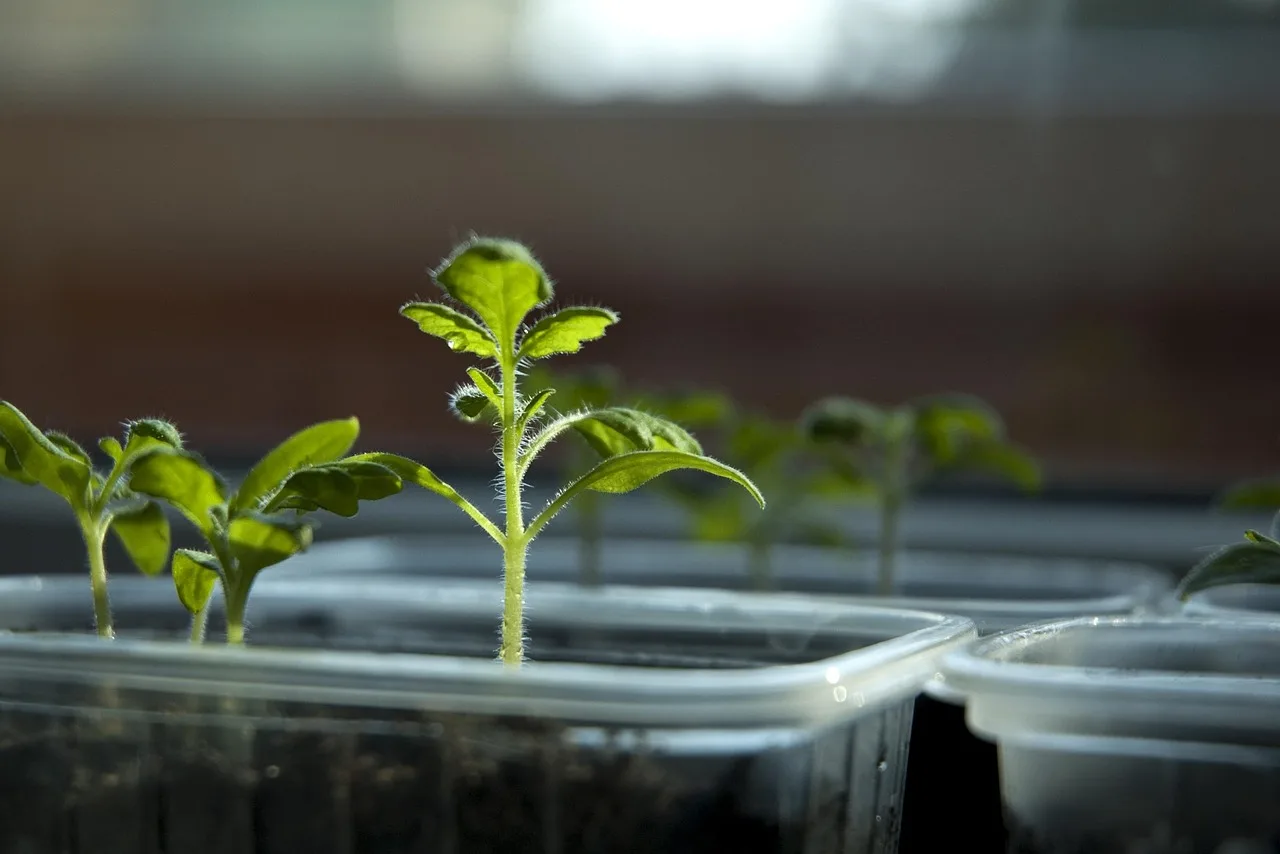
Indoor seed starting means sowing seeds in trays or pots before moving them outside. It works best for crops that need warmth, a longer season, or more control than outdoor conditions can give. The method only pays off when light, moisture, and temperature are strong enough to keep seedlings compact.
Where soil temperature matters most
Outdoor sowing depends on soil temperature as much as air temperature. If soil is cold, wet, or compacted, seed can sit too long before sprouting. A soil thermometer gives you a clearer answer than guesswork, especially in spring when daytime warmth and ground temperature can differ.
-
Check your seed packet.
Read whether the packet says indoor or outdoor sowing, plus planting depth and weeks before last frost. Those directions are the first filter because they account for each crop’s germination needs. -
Measure soil temperature.
Use a soil thermometer in the bed or container mix before direct sowing. If the crop needs warmer soil than your site has now, wait or start indoors. -
Match the crop’s tolerance.
Keep taproot crops and other transplant-sensitive seeds outside when possible. If the crop stores poorly after root disturbance, direct sowing is usually the safer path. -
Check your indoor light.
If you do not have grow lights and only have a bright windowsill, avoid relying on it for most seedlings. Weak light produces stretched, thin growth that makes transplanting harder.
What is direct sowing?
Direct sowing is planting seed into the final bed, row, or container where the crop will grow to harvest. It is the simplest method for cool-season crops, quick crops, and roots that dislike moving. It also reduces transplant shock because seedlings never have to be lifted and reset.
Why it works best for some crops
This method suits crops that germinate in cooler soil and establish quickly. The New York Botanical Garden recommends 6 to 8 hours of direct sun per day for direct-sown vegetables, so light matters too. If the site is warm enough and the soil is workable, direct sowing is often the cleanest start.
Which crops should stay outdoors?
Crops with sensitive roots, fast maturity, or a strong dislike for transplanting usually do best when direct sown. Taproot vegetables are the clearest case, and many cool-season crops also fit this method because they tolerate cooler soil and do not need a long indoor runway.
Taproot crops
Carrots, parsnips, beets, radishes, and turnips are the main red-flag group because root disturbance can fork, stunt, or deform them. The risk is highest when seedlings are lifted from trays with crowded roots or transplanted late into dry soil. For these crops, direct sowing is usually the default.
Beets are direct sown 1/2 inch deep and 1 inch apart in rows or in a raised bed. Carrots are direct sown 3/8 inch deep, with 15 inches between rows on the NYBG guide. Those details matter because shallow, even placement improves emergence and reduces wasted seed.
Cool-season crops
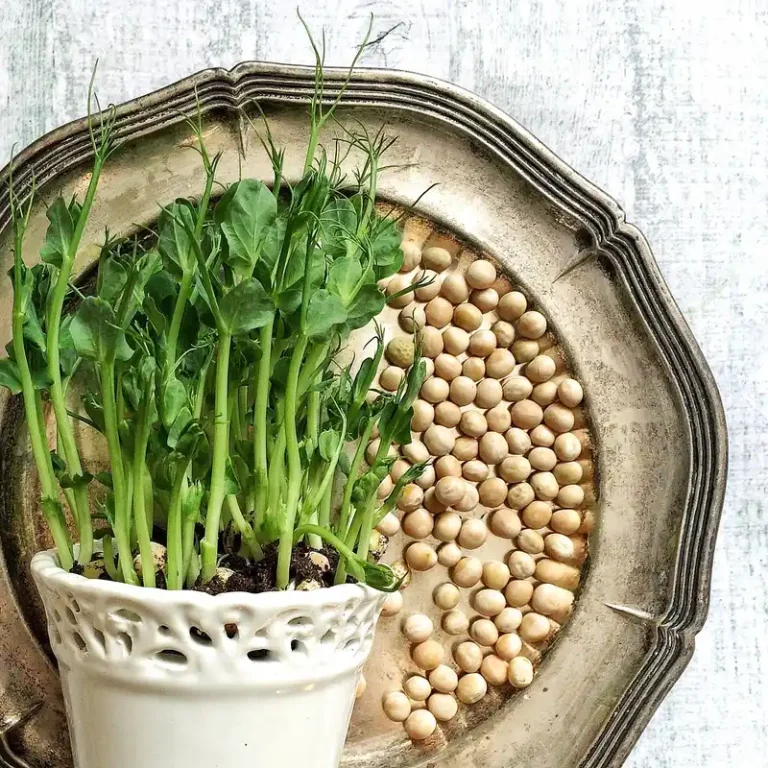
Peas, lettuce, spinach, and many radish plantings usually direct sow well because they tolerate cooler soil and do not need a long warm-up indoors. Direct sowing also avoids the common problem of indoor seedlings becoming too large before outdoor planting time arrives.
Gray-area crops
Cucumbers, squash, beans, lettuce, and chard can go either way depending on climate and setup. Beans are a strong direct-sow crop; bush beans are direct sown 1 inch deep and 2 inches apart in rows or a raised bed. Cucumbers and squash can be started indoors in some cases, but they dislike root disturbance and often transplant best when seedlings are very young.
If your bed is ready, the soil reads 55°F, and you want peas and carrots in the ground now, direct sowing fits better than indoor trays. Both crops tolerate cooler conditions, and the roots stay undisturbed from the start, which lowers risk and keeps the planting process simple.
When should you start seeds indoors?
Start indoors when the crop needs warmth, a longer season, or more control than your outdoor space can offer. Warm-season vegetables and slow germinators often need this head start, especially in short-season gardens where waiting for soil warmth would push harvest too late.
Warm-season vegetables
Tomatoes, peppers, eggplant, and basil often need indoor starts because they need more warmth and time to mature. The Gardensmallholder lists tomatoes, peppers, and aubergines as crops commonly started indoors, and it notes that many crops need several weeks of indoor growing before transplanting. That window helps seedlings build size before outdoor planting.
Weeks before last frost
Use the last frost date to count backward for indoor sowing. Seed packet instructions usually tell you how many weeks before last frost to begin, and that timing matters because seedlings that wait too long indoors can outgrow their pots before outdoor planting is safe.
-
Find your last frost date.
Use it to set the transplant calendar for warm-season crops. This matters because outdoor planting too early can stall growth or kill young seedlings. -
Count back from transplant time.
Follow the packet’s weeks-before-last-frost range, then match that to the crop’s pace. A 6 to 10 week indoor run can fit some crops, but packets should still decide the exact window. -
Provide strong light.
Use grow lights if windowsill light is weak or uneven. The Gardensmallholder warns against windowsill-only starting without grow lights, because seedlings stretch toward poor light and become thin. -
Keep moisture steady.
Use a fine, even watering pattern so seed does not dry out or sit soggy. Indoor trays dry faster than garden soil, but excess moisture can also invite damping-off and weak roots.
Indoor light and heat needs
Indoor starting works best when light, temperature, and moisture are controlled. Grow lights stop seedlings from getting leggy when windows alone are not enough. A heat mat can warm germination for crops that want extra heat, while a seed-starting mix keeps roots lighter and better aerated than dense garden soil.
How do climate and setup change the choice?
Your climate decides how much time a seed has before weather turns. Short-season gardens often need indoor starts for warm crops, while milder climates can direct sow more often. Space matters too, because trays, lights, and heat mats take room that a small apartment or crowded shelf may not have.
Last frost date
The last frost date is the anchor for indoor sowing and transplant timing. In colder regions, it can make the difference between a crop maturing on time and one that never catches up. In warmer regions, the window for direct sowing may open earlier and stay open longer.
Short-season gardens
Short-season gardens usually favor indoor starting for tomatoes, peppers, eggplant, and other warm-season vegetables with long maturation times. Direct sowing still makes sense for peas, lettuce, spinach, radishes, and beans when soil conditions fit. The choice is about matching calendar length to crop demand.
Container gardens versus in-ground beds
Containers warm and dry out faster than in-ground beds, which can help some direct-sown crops germinate sooner but can also dry seed too quickly. In-ground beds usually hold moisture more evenly and give roots more buffer. For indoor starts, containers at home add another constraint: if you cannot fit a light and a tray system, direct sowing may be the lower-risk option.
Suppose you’re planting tomatoes in a short-season climate and need seedlings ready before the last frost passes. Starting tomatoes indoors is the stronger option if you can supply good light and warmth. Direct sowing lettuce or radishes in a container after soil warms is often the safer choice for that space.
Seed-starting decision table
Use this checklist table to make a crop-by-crop call. Score each crop and situation across the four variables, then follow the output. A low transplant tolerance score or a red-flag root type pushes you toward direct sowing. A long season or weak outdoor warmth pushes you toward indoor starting.
| Crop or situation | Transplant tolerance | Soil-temperature need | Days to maturity | Indoor setup quality | Red flag | Best method |
|---|---|---|---|---|---|---|
| Carrots | Very low | Cool to moderate soil | Moderate | Any | Taproot crop; forks or stunts when moved | Direct sow |
| Parsnips | Very low | Cool soil | Long | Any | Taproot crop; dislikes disturbance | Direct sow |
| Beets | Low | Cool soil | Moderate | Any | Taproot crop; root shape suffers after transplanting | Direct sow |
| Tomatoes | Moderate if young | Warm soil | Long | Strong light and warmth | Stalls in cold soil | Start indoors |
| Peppers | Low to moderate | Warm soil | Long | Strong light and warmth | Slow to mature outdoors | Start indoors |
| Cucumbers | Low | Warm soil | Moderate | Good light, limited handling | Roots resent disturbance | Either, but direct sow is often safer |
| Beans | Low | Warm soil | Fast | Any | Transplants can be set back | Direct sow |
| Lettuce | Moderate | Cool soil | Fast | Good light or outdoor shade | Bolts in heat | Either |
| Short-season tomato crop | Moderate if young | Warm soil | Long | Strong light and warmth | Outdoor season ends too soon | Start indoors |
| Windowsill-only setup | Varies by crop | Varies | Varies | Weak light | Leggy seedlings without grow lights | Direct sow or upgrade setup |
Choose direct sowing or starting indoors
Choose direct sowing if the crop has a taproot, matures quickly, or tolerates cooler soil; if your indoor setup is weak; or if you want the lowest-cost, lowest-handling approach. Choose starting indoors if the crop needs heat, a long season, or earlier timing than your outdoor weather allows.
Choose direct sowing if…
- The packet says outdoor sowing and the soil is already in range.
- The crop has a taproot or reacts badly to root disturbance.
- Your space is small and you do not have good grow lights.
- You want to skip trays, mix, and transplant labor.
Choose starting indoors if…
- The crop needs 6 to 10 weeks of growth before transplanting.
- The crop is warm-season and your soil stays cool in spring.
- Your climate has a short season and a late safe-planting date.
- You can give seedlings strong light, warmth, and steady moisture.
Our picks by need
Better germination control: RooTrimmer 1020 tray set

- Tall humidity domes support germination
- Reusable trays for multiple seasons
- Drainage-free design contains excess moisture
Based on the manufacturer’s specs and published product details, this 5-pack of 1020 trays with tall domes suits seeds that need higher humidity during germination. The reusable trays make sense for repeated seed-starting cycles, and the tall dome helps hold moisture without crowding seedlings too soon.
The drawback is that a dome is only part of the setup. It does not fix weak light, and a drainage-free tray can hold excess water if watering gets heavy.
Better seedling light: VIPARSPECTRA P700 grow light

- Designed for seedlings and veg plants
- Dimmable 4-level brightness control
- Full-spectrum LED for indoor growing
This 70-watt dimmable full-spectrum light is the clearest fit when a windowsill will not keep seedlings compact. The adjustable brightness is useful for young starts and more mature transplants, especially in small indoor spaces where natural light is uneven.
The drawback is that it still takes setup space and hanging support. It also does not replace proper watering or temperature control.
Better warmth for sprouting: BN-LINK heat mat

- Provides consistent warming for germination
- Thermostat controller offers precise temperature control
- Waterproof, durable construction
For crops that germinate best with added warmth, this 10″ x 20.75″ heat mat with thermostat control gives more consistent bottom heat than an unheated shelf. That matters for indoor sowing in cool rooms, where seed can sit too cold and sprout slowly.
The drawback is that heat without enough light can still produce weak seedlings after emergence. It is a germination tool, not a complete seed-starting system.
Better starter mix: Miracle-Gro indoor potting mix

- Made for starting vegetable, flower, and herb seeds
- Lightweight mix is less prone to fungus gnats
- Ready to use in trays or containers
This 8 qt. two-pack is meant for indoor seedlings, cuttings, and young plants. The lightweight mix is easier on tender roots than dense garden soil, but a dedicated seed-starting mix is often the better choice for sowing many seeds.
The drawback is that a ready-to-use mix can still dry out faster than garden soil, so moisture needs close attention in the first days after sowing.
Mistakes to avoid
Most seed-starting errors come from matching the wrong crop to the wrong method. Weak light, crowded trays, cold soil, and moving root crops all create avoidable failures. A little planning beats rescuing leggy seedlings later.
- Do not start root crops indoors unless the packet clearly allows it.
- Do not trust a bright window to replace grow lights for most seedlings.
- Do not sow warm-season crops into cold soil and expect fast sprouting.
- Do not keep seedlings too crowded, or stems will stretch for light.
- Do not transplant outdoor crops on a date that ignores your last frost date.
- Do not skip seed packet depth and spacing instructions, especially for direct sowing.
A common first-timer mistake is sowing carrots in trays because the packet looks similar to other vegetables. The result is often bent or forked roots after transplanting. Direct sowing avoids that failure and saves time.
Frequently asked questions
Which seeds should be started indoors instead of direct sown?
Start indoors with crops that need a long season, warm germination, or earlier timing than your outdoor weather allows. Tomatoes, peppers, eggplant, and basil are the clearest examples. Slow starters and long-season crops benefit most when you can control light, heat, and moisture.
Which crops should always be direct sown?
Carrots, parsnips, beets, radishes, and turnips are the most reliable direct-sow crops because they have sensitive roots. Beans also usually belong outdoors because they are quick to sprout and do not like being moved. These crops are more likely to fail or deform after transplanting.
Can cucumbers, squash, and beans be started indoors?
Cucumbers and squash can be started indoors, but they are more sensitive to root disturbance than many beginners expect. Beans are usually better direct sown. If you do start cucumbers or squash inside, move them very young and handle roots gently.
How do I know if my climate favors direct sowing or indoor seed starting?
Use your last frost date, your soil temperature, and your crop’s maturity time. Short-season climates usually favor indoor starts for warm-season crops. If your soil reaches 50 to 60°F at planting time and the crop is cool-tolerant, direct sowing may be the better fit.
Do I need grow lights to start seeds indoors?
For most seedlings, yes, if natural light is weak or coming from a window alone. Grow lights stop seedlings from getting leggy and help seedlings stay compact. Without them, many indoor starts stretch, lean, and weaken before transplanting time arrives.