How Deep Should You Plant Seeds? A Crop-by-Crop Guide
Plant seeds 2 to 3 times as deep as the seed is wide. Tiny seeds are often left on the surface or covered with only a dusting of mix, while larger seeds often go about 1/2 to 1 inch deep. Bury them too deep and sprouting slows or stops; sow them too shallow and they dry out or wash away. This guide turns packet directions into crop-by-crop depth ranges and gives fixes for seeds planted too deep or too shallow.
Why seed depth matters


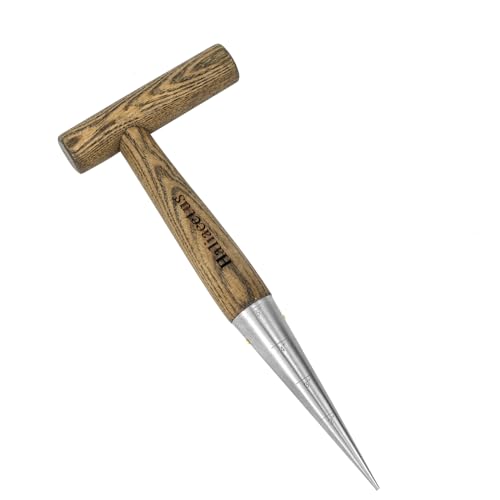

Seed depth decides whether the seed can reach moisture, push through soil, and still have enough stored food to emerge. The general rule is to plant seeds about twice as deep as they are wide, and some seed packets stretch that to 2 to 3 times the seed width. That only works when the seed can still reach the surface before its reserves run out.
Depth also changes how the seed sits in the soil. Fine seed-starting mix keeps tiny seeds close to moisture, while drainage keeps the seed from sitting in water and rotting. If the surface crusts over or dries too fast, shallow seeds struggle even when the depth is technically correct.
Seed size and the 2x to 3x rule
Tiny seeds, medium seeds, and large seeds behave differently because size changes both reserve supply and how much covering they can push through. Tiny seeds are often pressed into the surface or given only a very light sprinkle of mix. Medium seeds usually sit around twice their size. Large seeds can handle roughly 2 to 3 times their width and are generally more forgiving if they end up a little deeper.
Seedling energy reserves and emergence limits
Seeds have stored food in the seed itself, and that reserve is finite. If you bury a seed too deeply, the sprout may run out of energy before it reaches light, especially in fine or compacted soil. That is why a bean seed can usually handle a bit more depth than a lettuce seed, while a tiny basil or lettuce seed often fails if it is covered heavily.
Moisture, crusting, and drainage
Seed-starting mix should stay evenly moist until germination, not soaked. Shallow-sown seed dries out fast on the surface, especially in indoor trays where airflow and warmth speed evaporation. On the other hand, poor drainage or repeated overwatering can cause damping off and seed rot, especially with deep-sown seed that sits wet for too long.
How deep should you plant seeds?
Start with seed size, then check the packet. Tiny seeds usually get the lightest covering possible, medium seeds go near twice their width, and large seeds can go deeper. If the packet gives a range, stay within it rather than choosing the deepest number by default.
Tiny seeds
Tiny seeds are usually pressed onto the soil surface or covered with only a fine dusting of mix. That includes many herbs and a few flowers, along with lettuce and carrot seed types that are often sown very shallowly. The main risk is drying out or being disturbed before roots anchor.
Medium seeds
Medium seeds usually need a shallow hole or furrow that is about twice the seed size. These seeds are easier to place accurately, and they are less likely than tiny seeds to dry out from a light surface crust. The main risk is going too deep and slowing emergence.
Large seeds
Large seeds are the most forgiving. A deeper planting hole helps them stay moist and stable, and many common large garden seeds fit around 1 inch deep. They can still fail if buried too far, but a slight depth error is usually less serious than it is for tiny seeds.
How to read packet depths
Seed packets often use fractions that need translation into actual planting depth. A packet may say 1/8 inch, 1/4 inch, 1/2 inch, or 1 inch, but that still needs to be matched to the seed’s size and the growing setup. Use the packet as the final check, not just the starting point.
-
Match the fraction to the seed.
Use the packet depth if it fits the crop, then compare it with the 2x to 3x seed-width rule. If the packet says 1/4 inch for a tiny seed, that may already be on the deep side for some crops, so look for wording like “barely cover” or “press in.”
-
Convert fractions into action.
Think in plain terms: surface sow, dust lightly, cover shallowly, or plant at full packet depth. That makes it easier to sow evenly across a row or tray, which matters more than hitting one exact grain of sand depth every time.
-
Check whether to cover.
If the packet says “cover lightly,” use a thin layer of seed-starting mix. If it says “do not cover,” press the seed into firmed mix and mist or water gently. The goal is contact with moisture, not burial.
Packet fractions in plain language
| Packet depth | Plain-language instruction | Best fit |
|---|---|---|
| 1/8 inch | Dust the seed lightly or just press it in | Tiny seed |
| 1/4 inch | Cover with a very shallow layer of mix | Small seed |
| 1/2 inch | Plant shallowly in a narrow furrow | Small to medium seed |
| 1 inch | Plant in a full shallow hole or furrow | Medium to large seed |
- Check the packet and seed size first. Use the crop’s listed depth as the starting point, then compare it with whether the seed is tiny, medium, or large.
- Choose the shallowest workable depth. If the packet gives a range, stay within that range and avoid burying the seed deeper than needed for moisture contact.
- Keep the surface evenly moist after sowing. That protects shallow seed from drying out while it establishes and helps deeper seed finish emergence without stalling.
How deep plant seeds matrix
This matrix translates common crop names into practical depth ranges. It uses the packet-style rule of thumb, but it also flags whether to cover lightly or leave the seed at the surface. If a packet disagrees with the table, follow the packet for that variety.
Vegetables
| Crop | Seed category | Recommended depth | Cover? | Failure risk note |
|---|---|---|---|---|
| Lettuce | Tiny | Surface to 1/8 inch | Very light cover or none | Too deep slows or stops emergence |
| Carrot | Tiny | 1/8 to 1/4 inch | Light cover | Too deep and seedlings may fail to push through |
| Celery | Tiny | Surface to 1/8 inch | Very light cover or none | Surface drying is the main risk |
| Onion | Tiny | 1/8 to 1/4 inch | Light cover | Deep sowing delays sprouting |
| Basil | Tiny | Surface to 1/8 inch | Very light cover or none | Too much cover can block emergence |
| Spinach | Small | 1/4 to 1/2 inch | Light cover | Shallow sowing dries fast in warm air |
| Radish | Small | 1/4 to 1/2 inch | Light cover | Too deep delays the quick sprout you expect |
| Beet | Medium | 1/2 to 1 inch | Cover | Too deep can weaken the first shoot |
| Pea | Medium | 1 to 1.5 inch | Cover | Shallow sowing can dry out before rooting |
| Bean | Large | 1 to 1.5 inch | Cover | Very forgiving, but deep burial slows emergence |
| Tomato | Medium | 1/4 to 1/2 inch | Cover | Too deep in dense mix can delay sprouting |
| Pepper | Medium | 1/4 to 1/2 inch | Cover | Shallow trays dry out fast |
| Cucumber | Large | 1 to 1.5 inch | Cover | Too deep raises rot risk in wet soil |
| Squash | Large | 1 to 1.5 inch | Cover | Deep planting plus wet soil can slow emergence |
| Zucchini | Large | 1 to 1.5 inch | Cover | Too shallow can dry before the root anchors |
Herbs and flowers
| Crop | Seed category | Recommended depth | Cover? | Failure risk note |
|---|---|---|---|---|
| Dill | Small | 1/4 inch | Light cover | Too deep can slow germination |
| Cilantro | Medium | 1/2 inch | Cover | Deep sowing can weaken emergence |
| Parsley | Tiny | 1/8 inch | Very light cover | Surface drying is a common failure point |
| Chives | Tiny | 1/8 inch | Very light cover | Too deep can leave seeds stranded below the crust |
| Marigold | Medium | 1/4 to 1/2 inch | Cover | Buried too deeply, seedlings can stall |
| Zinnia | Medium | 1/4 inch | Cover lightly | Too much soil over the seed can reduce emergence |
| Nasturtium | Large | 1/2 to 1 inch | Cover | Shallow sowing risks drying and poor anchoring |
| Sunflower | Large | 1 to 1.5 inch | Cover | Too deep can exhaust the seed before it breaks through |
Packet fraction conversion guide
| If the packet says | What to do | Where it usually fits |
|---|---|---|
| 1/8 inch | Press in or cover with the thinnest possible layer | Tiny seed |
| 1/4 inch | Use a shallow covering of seed-starting mix | Tiny to small seed |
| 1/2 inch | Plant in a shallow furrow and firm the soil gently | Small to medium seed |
| 1 inch | Plant in a fuller shallow hole with firm, moist soil | Medium to large seed |
Quick Start checklist
- Start with the crop and seed size. Tiny seeds stay near the surface, medium seeds go shallow, and large seeds can go deeper.
- Use the packet as the final depth check. Follow the listed range, then choose the shallowest depth that still gives good seed-to-soil contact.
- Keep the mix evenly moist after sowing. That helps the seed emerge without drying out, washing away, or sitting wet for too long.
How deep should you plant lettuce, beans, and tomato seeds?
Lettuce, beans, and tomatoes are three of the most useful reference crops because they sit in different seed-size groups. Lettuce is tiny and should be barely covered or left at the surface. Beans are usually planted about 1 inch deep. Tomatoes are medium seeds and are commonly placed at about twice the seed size.
Lettuce seeds
Lettuce seeds are tiny, so they should be pressed into the surface or covered with only a very light sprinkle of mix. The goal is moisture contact, not depth. If lettuce is buried too deeply, emergence can stall before the seedling reaches the surface.
Bean seeds
Bean seeds are a classic large-seed example. General guidance puts them around 1 inch deep, and the larger size makes them more forgiving if they end up a bit deeper than planned. Even so, deep wet soil can slow emergence and increase rot risk.
Tomato seeds
Tomato seeds are a medium-seed example and are usually started indoors. A common guide is to place them about twice the seed size, which often works out to a shallow 1/4 to 1/2 inch covering in seed-starting mix. Deeper planting can slow emergence in compacted mix.
Indoor trays vs direct sowing
Seed depth does not change because the crop is indoors, but the growing conditions do change. Tray surfaces dry faster than garden soil, so shallow seeds need closer moisture checks. Direct sowing shifts attention to bed prep, soil temperature, and thinning after emergence.
Why trays dry faster at the surface
Indoor trays warm up quickly and lose surface moisture faster than a garden bed. That matters most for tiny seeds and shallow-sown crops because the top layer can crust before roots settle in. Use a fine mist or gentle bottom watering if the mix starts to dry on top, but keep it moist, not soggy.
When bed prep and soil temperature matter
Direct seeding works best when the bed is loosened, level, and free of crusted clumps. The soil temperature guide recommends checking soil temperature with a probe thermometer before direct seeding. If the soil is too cold for the crop, the seed sits longer and becomes more vulnerable to rot and poor emergence.
Thinning after emergence
Once seedlings are up, thinning reduces crowding and gives the strongest plants room to develop. That step matters because uneven depth often creates uneven emergence, and crowded seedlings compete for light and moisture. Thin after the first true leaves appear unless the packet says otherwise.
-
Check the packet first.
Read the crop name, depth, and spacing together. If the packet gives a range, stay inside that range and use the seed size to decide where in the range to land.
-
Match depth to seed size.
Tiny seeds get surface or near-surface sowing, medium seeds get shallow burial, and large seeds get the deepest placement of the three. The 2x to 3x seed-width rule is the starting point, not a reason to bury everything deeper.
-
Keep the mix evenly moist.
Water gently so the seed stays in contact with moist soil without being flooded. Moisture should stay steady until sprouting, because repeated drying can stop germination and repeated saturation can trigger rot.
-
Watch for crusting.
If a fine crust forms on the surface, gently break it before the sprout reaches it, or the seed may exhaust its reserve trying to push through. This matters most for lettuce, basil, parsley, and other tiny seeds.
Say your lettuce seed is buried under 1/2 inch of mix in a warm tray. The tray surface dries by afternoon, and nothing appears on schedule. In that case, the likely problems are too much depth and too much surface drying at the same time.
Suppose a bean seed is planted at 1 inch but the soil stays wet for days because drainage is poor. The bean is still within a normal depth range, but the extra wetness raises the chance of rot before the shoot reaches light.
What happens if seeds are planted too deep?
Too-deep planting can delay emergence or stop it entirely. The seedling may run out of stored food before reaching the surface, especially with tiny seeds and dense soil. Wet, heavy mix makes the problem worse because the seed has to push through more resistance while sitting in damp conditions.
Slow or failed emergence
The first sign is usually delayed sprouting beyond the normal window for that crop. If the seed is still alive, the sprout may arrive weak and pale. If the reserve is spent before emergence, nothing appears.
Weak seedlings
Even when a too-deep seed germinates, it may come up stretched, bent, or weak. That seedling has already spent too much energy reaching the surface. The result is often a seedling that struggles to stand upright or compete with healthier neighbors.
Rot risk in wet soil
Deep sowing plus poor drainage is a bad mix. The seed sits wet longer, and damping off or decay can set in before germination completes. This is why seed-starting mix should drain well while still holding enough moisture for the seed to absorb water.
What happens if seeds are planted too shallow?
Too-shallow sowing can leave seeds exposed to drying, washout, or crusting. Tiny seeds are especially vulnerable because they have little stored energy and very little soil buffer above them. Even a correct depth can fail if the surface dries between waterings.
Drying out
Shallow seeds dry faster than deeper ones, especially in trays and in warm, airy rooms. The seed may start to absorb water and then stall if the top layer dries before the embryo finishes activating. Consistent moisture matters more than frequent heavy watering.
Washing away or crusting over
Heavy watering can move shallow seed out of place or pack soil over it unevenly. A crust can also form on top of fine soil, making it harder for the seedling to emerge. Both problems are common when the surface is left loose and then watered hard.
Poor contact with moist soil
Seeds need firm contact with moist mix to germinate evenly. If a seed sits on loose, dry particles, it may never absorb enough moisture to start. A light press into the soil surface often works better than loose scattering for very tiny seed.
Frequently asked questions
How deep should I plant small seeds versus large seeds?
Small seeds usually need only a thin cover of mix, often 1/8 to 1/4 inch. Large seeds can usually handle 1 inch or a little more, and they are less sensitive to a slight depth error. The smaller the seed, the more important it is to avoid burial and surface drying.
How deep should I plant bean seeds?
Bean seeds are a large-seed example and are generally planted about 1 inch deep. That depth keeps them moist and stable without burying them too far. Beans are more forgiving than tiny seeds, but very wet soil or extra-deep sowing can still slow emergence.
How deep should I plant lettuce seeds?
Lettuce seeds are tiny and should be barely covered or pressed into the soil surface. A very light sprinkle of seed-starting mix is usually enough. If they are planted too deeply, they may not have enough energy to reach light before their reserves run low.
How deep should I plant tomato seeds?
Tomato seeds are medium-sized and are commonly planted about twice their size, often around 1/4 to 1/2 inch in seed-starting mix. They are often started indoors, where steady moisture matters. Avoid burying them too deeply, because compacted mix can slow emergence.