How to Plant Lettuce Seeds for Repeated Harvests
Plant lettuce seeds in short rows about every 10 to 14 days. Sow 1/8 inch deep and thin to the spacing on the packet, so each sowing matures on its own schedule. If you plant everything at once, you get one short flush, then bolting leaves, wasted beds, and empty gaps in harvests. This guide shows how to stagger sowing, choose varieties, and manage cut-and-come-again harvests for a steady supply.
What you’ll need


- Lettuce seed packet with spacing and days-to-harvest notes
- Shallow seed tray, pots, window box, or fabric planter with drainage holes
- Fine-textured potting mix or prepared garden soil
- Small ruler or measuring spoon for shallow sowing
- Watering can with a fine rose or a gentle spray nozzle
- Plant labels and a marker for staggered sowing dates
- Mini hoop tunnel or row cover for early planting and frost protection
- Clean scissors or garden snips for leaf harvest
Which lettuce types repeat best?
Looseleaf lettuce repeats best because it grows fast, forms loose heads, and handles cut-and-come-again harvests well. Romaine can also work if you want upright plants and outer-leaf picking. Butterhead is tender and useful, but it usually fits a slower, more whole-head harvest pattern than looseleaf.
Looseleaf lettuce
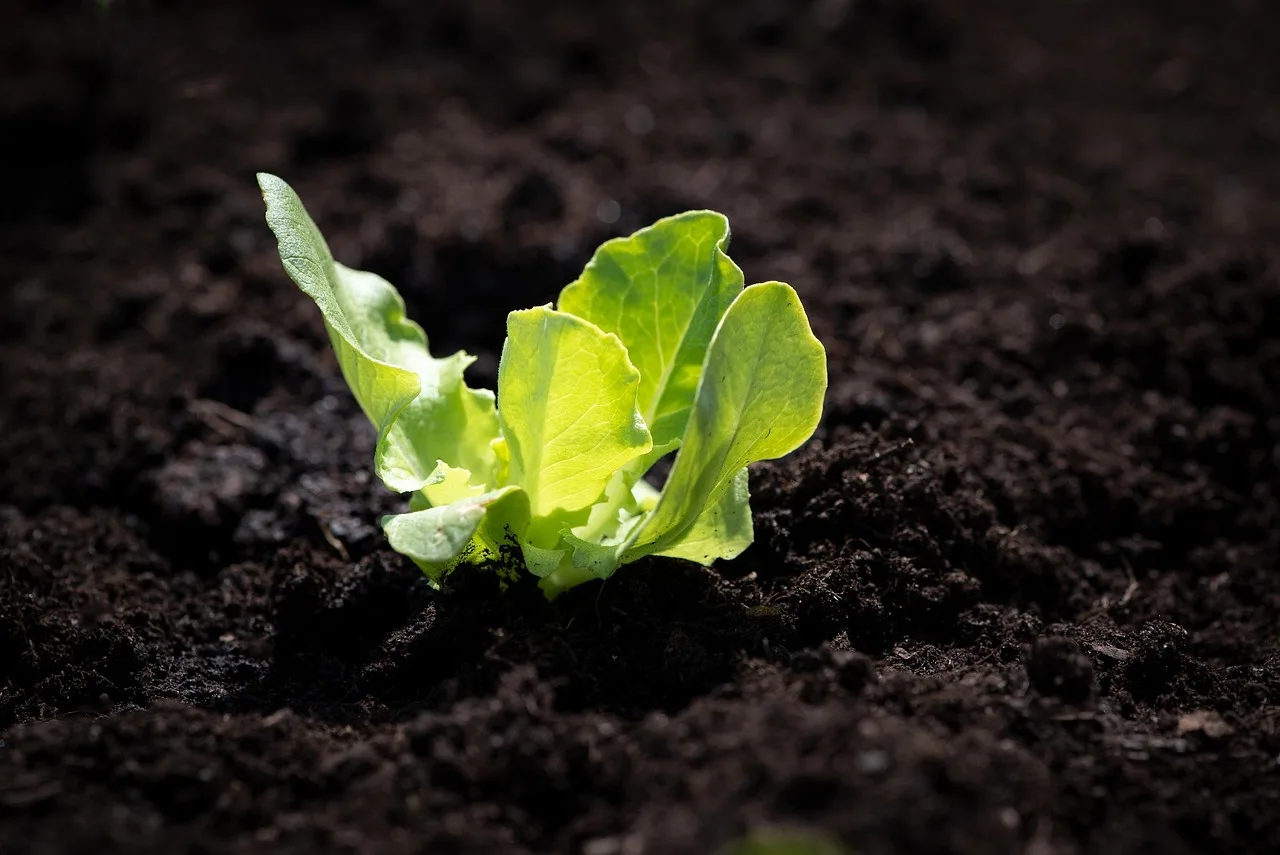
Looseleaf is the easiest choice for repeated harvests. It can form large loose heads in about five to six weeks, and leaf lettuce is commonly reported to come to harvest in about 40 to 50 days. Clip outer leaves first, then let the center keep growing.
Romaine lettuce
Romaine grows upright and is more heat-tolerant than iceberg, so it can stretch the harvest window a bit longer in warm spells. You can take outer leaves along the way or cut whole heads if you want a single larger pick.
Butterhead lettuce
Butterhead makes loose round heads with tender leaves and moderate maturity timing. It suits gardeners who want softer texture and a middle-ground harvest pace, but it does not match looseleaf for speed or repeat picking.
When should you sow lettuce?
Sow lettuce in cool weather and repeat the sowing every 2 to 3 weeks. Lettuce seeds can germinate as low as 40°F, and direct sowing is possible when soil temperature is at least 35°F. The best germination and growth happen between 60 and 65°F.
Cool-weather timing and germination
Plant in spring, then sow again in late summer or early fall where summers run hot. Full sun works in cool weather, while partial shade helps when temperatures climb. Warm weather pushes bolting risk higher, and repeated harvests depend on keeping that pressure down.
Using a mini hoop tunnel
A mini hoop tunnel is a season extension tool, not a heat fix. It can let gardeners plant lettuce 6 to 8 weeks earlier and protect seedlings from cool temperatures and frost. Use it to start sooner, then vent it on mild days so the crop does not cook.
How do you plant lettuce seeds?
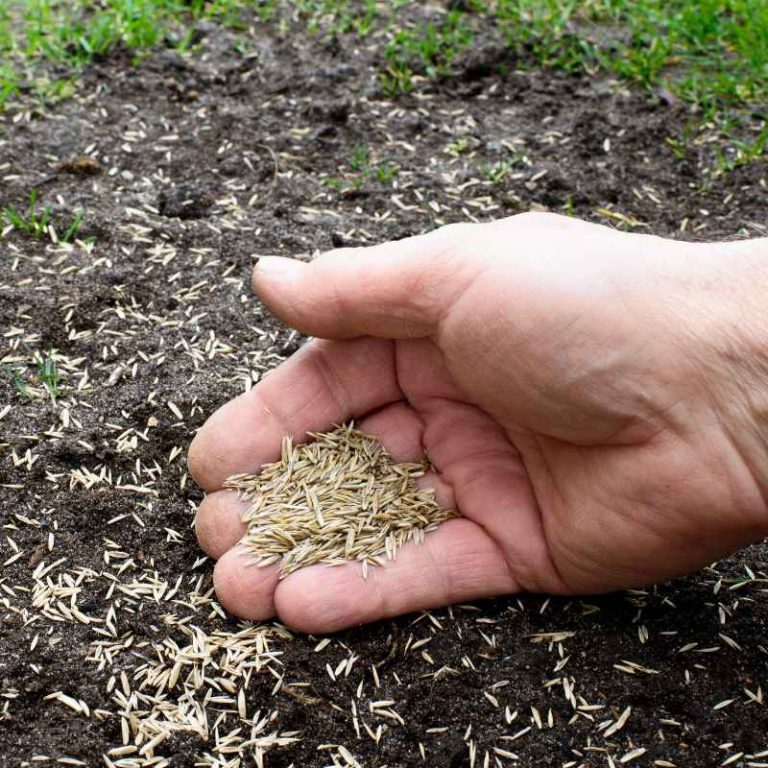
Sow lettuce seeds shallowly, keep the soil lightly moist, and space the planting so each plant has room to make leaves after thinning. Lettuce seed needs light to germinate, so cover it with only a scant 1/8 inch of soil and do not bury it deeply.
-
Prepare a cool site.
Choose a bed, row, or container with loose soil and drainage. For container lettuce, use pots at least 4 to 6 inches deep and keep drainage holes open. -
Mark shallow rows.
Make rows 12 to 18 inches apart. In direct sowing, place seeds about 2 inches apart in the row so thinning is simple later. -
Cover very lightly.
Press seeds in, then cover with a scant 1/8 inch of soil. Lettuce needs light to germinate, so deeper burial slows or stops sprouting. -
Water gently.
Mist or sprinkle until the surface is evenly damp, not muddy. A hard stream can move the seed too deep or wash it into clumps. -
Thin after sprouting.
When seedlings have a few true leaves, thin or transplant to about 10 to 12 inches apart. That spacing gives room for repeated leaf harvests instead of crowded, spindly growth.
Say you sow looseleaf in a 12-inch-wide window box and leave the seedlings crowded. The plants may stay small and leggy, and the first cut will be thin. If you thin to the packet spacing, the same box can produce fuller regrowth after each harvest.
How do you keep lettuce producing after the first cut?
Keep lettuce productive by cutting outer leaves, feeding the patch on schedule, and re-sowing before the bed empties out. Repeated harvests depend on variety choice, spacing, and timing. Looseleaf gives the best cut-and-come-again results, while romaine and butterhead are better for mixed leaf or whole-head picks.
Container setups
Containers work well when space is limited, but they need a harvest plan. Use pots, window boxes, or fabric planters that are at least 4 to 6 inches deep and make sure they drain well. Sow the first round thickly enough for baby-leaf cuts, then thin to the final spacing for larger regrowth.
Raised beds
Raised beds suit staggered patches because you can sow one short row now and another 10 to 14 days later. Keep 12 to 18 inches between rows, and leave some room to step in for harvest. That layout makes it easier to clip outer leaves without tearing neighboring plants.
In-ground rows
In-ground rows are best when you want longer runs of the same crop. Direct sow 2 inches apart, then thin to 10 to 12 inches apart. Re-sow a new short row every 2 to 3 weeks so one row is ready while another is still filling out.
Lettuce succession table
| Setting | Lettuce type | Sowing depth | Spacing | First harvest window | Re-pick strategy |
|---|---|---|---|---|---|
| Containers | Looseleaf | Scant 1/8 inch | Thin to 10 to 12 inches; keep container at least 4 to 6 inches deep | 40 to 50 days, often sooner for baby leaves | Clip outer leaves first, then leave the center to regrow; resow every 2 to 3 weeks |
| Raised beds | Romaine | Scant 1/8 inch | 12 to 18 inches between rows; 10 to 12 inches between plants | About 80 to 85 days for full heads | Pick outer leaves while plants size up, or cut whole heads once; start a new patch every 2 to 3 weeks |
| In-ground rows | Butterhead | Scant 1/8 inch | 2 inches apart in the row, then thin to 10 to 12 inches | Moderate maturity timing | Take outer leaves if plants are loose enough, or harvest whole heads and re-sow the row on the next cycle |
Common mistakes
The biggest mistake is burying seed too deeply. Lettuce seeds need light to germinate, so more than a scant 1/8 inch of cover can cut stand counts fast. Another common error is planting a full bed at once, which produces one heavy harvest and then a gap.
Uneven germination usually comes from drying out the surface, sowing into warm soil, or crowding the seed too tightly. A top-up fix is simple: add a light sprinkle of water once the surface dries, then recheck in a few hours instead of flooding the row.
Bolting is another failure point. Heat-tolerant varieties reduce the risk, but midsummer heat still pushes plants toward flowering. If leaves start turning bitter and the center stem stretches, harvest right away and re-sow the next succession in a cooler spot.
A common first-timer mistake is growing every lettuce type the same way. Looseleaf can be cut repeatedly, but romaine and butterhead usually perform better with fewer, larger harvests. Match the planting density to the harvest goal or the patch fills with weak plants and little regrowth.
Prevention: label each sowing date and keep the next batch ready before the current row finishes. That one habit prevents empty gaps after the first cut.