How to Plant Basil Seeds for Bushier Plants
Plant basil seeds about 1/4 inch deep, sow 2 to 3 seeds per cell or small pot, keep them warm at about 70 to 75°F, and pinch the first set of true leaves once the seedlings have about 3 to 4 sets to encourage branching. Skip those steps and basil often grows tall, thin, and slow to fill out. This guide covers sowing depth, spacing, warmth, thinning, and early pinching for bushier plants.
What you need before sowing basil


Set up trays, mix, labels, water, and light before you open the seed packet. Basil seeds need moist seed-starting mix, warm soil, and bright light as soon as they sprout. If you are starting indoors, use cell trays or small pots with drainage holes. If you are sowing outside, wait until frost danger has passed and the soil has warmed.
- Basil seeds
- Seed-starting mix or light potting mix
- Cell trays or small pots with drainage holes
- Clean water in a spray bottle or watering can with a fine rose
- Plant labels
- Grow light or a very bright south-facing window
- Heat mat, if indoor temperatures are cool
- Small scissors or pinch with clean fingers for later thinning and pinching
When should you start basil seeds indoors?
Start basil seeds indoors about 6 to 8 weeks before the last frost date, which gives warm-season seedlings time to size up before transplanting. That timing works best when the weather is still unsettled, because basil prefers steady warmth and should wait for nights above 50°F before going outside. Indoor sowing is the safest way to control that timing.
If your spring is cool, indoor starting is the better route. Basil grows best from seed in warm soil, and cold conditions can slow sprouting or damage young plants. In cooler regions, the indoor window matters more than the calendar date because it lets you control warmth and light.
- Check your frost date. Count back 6 to 8 weeks from the average last frost date for your area. That gives basil enough time to sprout, grow a few sets of leaves, and be ready for transplanting after the weather settles.
- Prepare the containers. Fill cell trays or small pots with damp seed-starting mix. The mix should feel evenly moist, not soggy, so it holds contact around the seed without packing out the air pockets roots need.
- Set warmth and light. Place the trays where the soil stays close to about 70 to 75°F. A heat mat can help, but it dries the mix faster, so check moisture more often and do not let the surface crust over.
Plant basil seeds indoors
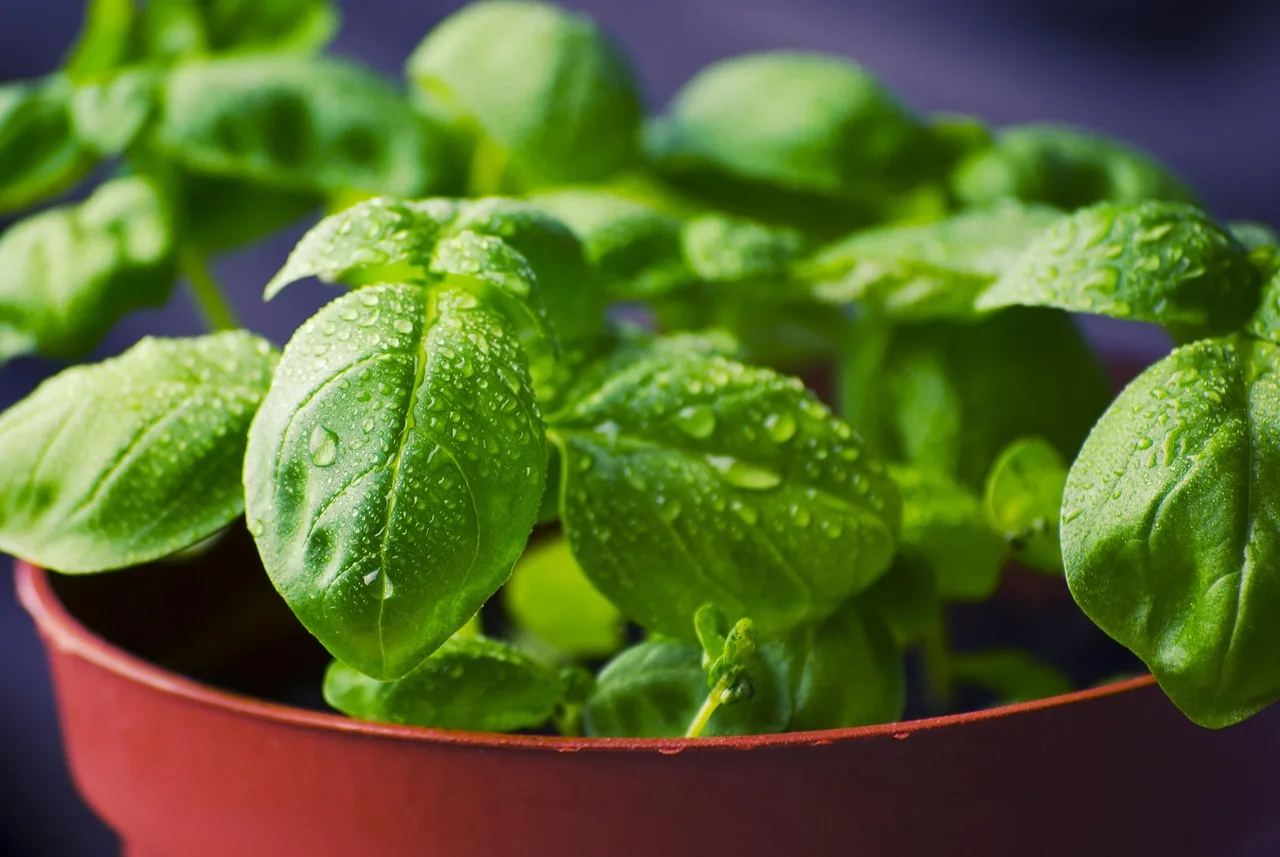
Indoor sowing gives you more control over density, warmth, and light, which matters if you want bushier basil from the start. Put 2 to 3 seeds in each cell or small pot, cover them very lightly, and move them under strong light as soon as they sprout. For the handling basics, the Basil seeds page covers how shallowly basil seed should be covered and why light coverage helps.
If you sow too many seeds in one small pot and keep them on a warm mat, they crowd each other quickly and compete for light. A cleaner start works better: 2 to 3 seeds per container, then thin to the strongest one or two after sprouting.
How to plant basil seeds in a pot
Use a small pot with drainage holes and a light, moist mix that drains well. Sow 2 to 3 seeds per pot, keep the cover very thin, and thin to 1 strong seedling for a standard plant or 2 seedlings if you want a fuller container. Basil in pots needs steady warmth, bright light, and room for airflow.
- Moisten the mix first. Water the seed-starting mix before sowing so it is damp throughout. Basil seeds need steady moisture to start germination, and pre-moistened mix keeps the tiny seeds from washing too deep.
- Sow 2 to 3 seeds. Drop 2 to 3 seeds into each cell or small pot. This gives you a backup if one seed fails, but it still keeps crowding manageable. Small pots and trays with drainage holes work best for indoor starts.
- Cover very lightly. Add only a thin dusting of mix over the seeds, about 1/4 inch deep or less. Basil seeds are tiny and should be barely covered; burying them too deeply slows emergence.
- Keep soil warm. Hold the soil near 70 to 75°F while the seeds germinate. Warmth speeds sprouting, and basil often appears in about 7 to 10 days in warm conditions.
- Move seedlings into light. As soon as green loops appear, put them under a grow light or in very bright sun. Keep seedlings about 2 to 3 inches from artificial light so they do not stretch toward it.
- Thin crowded seedlings. After the first true leaves open, thin weaker seedlings by cutting them at the soil line. Leave the strongest plant in each cell or pot, or thin to one plant per spot if you want a larger final specimen.
How deep should basil seeds be planted?
Basil seeds should be planted very shallowly, with only a light covering of mix over them. A practical target is about 1/4 inch deep, and a general seed rule of thumb says to bury a seed twice its width. For basil, that still means shallow and loose, not packed down.
Too much soil above the seed delays emergence. Too little moisture leaves the seed dry. The balance is a light cover that holds humidity around the seed while still letting the seedling push through quickly.
Planting depth that fits the goal
If your goal is bushy basil, shallow sowing helps the seedlings emerge evenly and stay compact. Deep sowing slows the start, and slow starts often lead to weak, thin growth before the plant has a chance to branch.
How do you plant basil seeds outdoors?
Direct sow basil outdoors only after frost danger has passed and the soil has warmed. Basil dislikes cold, and nighttime temperatures should stop dropping below 50°F before you sow or transplant. Outdoor planting works best in warm, open soil that stays evenly moist.
A common first-timer mistake is sowing basil into cool spring ground because the daytime air feels warm. The seeds may sit, sprout unevenly, or get nipped by cold nights. Wait for real warmth in the soil, not just a mild afternoon.
- Pick the warmest site. Choose a bed with full sun and soil that drains well. If the soil is still cold, hold off; basil responds poorly to chilly conditions and can stall before it starts.
- Sow shallowly in place. Press 2 to 3 seeds into each spot and cover them very lightly. Space individual planting spots so the seedlings will not need immediate correction later.
- Keep the surface damp. Water gently so the top layer stays moist while the seeds germinate. Do not flood the area, because crusted or waterlogged soil can slow sprouting and create uneven stands.
- Thin after sprouting. Once seedlings are up and have true leaves, remove extras so the strongest plant has room. For dense harvest plants, thin to about 6 inches apart. For standard garden plants, 10 inches works well. For large bushy plants, give them 12 to 18 inches of space.
Basil bushiness setup table
This table shows the simplest decision rule: choose a tray, pot, or direct sow based on your climate, container size, and how full you want the plant to become. Bushiness depends on the whole setup, not pinching alone.
| Starting method | Ideal seed count per cell or hole | First pinching timing trigger |
|---|---|---|
| Indoor tray | 2 to 3 seeds per cell | Pinch when seedlings have 3 to 4 sets of true leaves |
| Small pot | 2 to 3 seeds per pot | Pinch when the strongest seedling has several true leaf sets and is 4 to 6 inches tall |
| Direct sow | 2 to 3 seeds per hole | Pinch after thinning, once the plant is established with several true leaf sets |
| Troubleshooting: leggy or sparse seedlings | Usually too many seeds or no thinning, sometimes too little light | Correct light and crowding first; pinch only after the stem is sturdy |
Common mistakes
Most basil problems start before the plant reaches the garden. The biggest errors are sowing too deeply, using cool soil, crowding seedlings, and waiting too long to give them light or a pinch.
- Too deep. Basil seeds need only a very light cover. Deep sowing slows sprouting and can leave the seedling weak before it breaks the surface.
- Too cold. Cold soil delays germination and can stunt the seedlings. Warm the mix to around 70 to 75°F if you are starting indoors.
- Too crowded. Crowded seedlings stretch toward light and stay sparse at the base. Thin early so each plant has room for leaves and branching.
- Too little light. Indoor basil needs a grow light or very bright sun right after sprouting. Keep the light close enough that stems stay short and upright.
- Pinching too early. Do not remove the growing tip before the plant has several true leaves and a firm stem. Early pinching weakens a tiny seedling instead of helping it branch.
Picture a tray where every cell has three seedlings, but the lamp is set too high. The plants lean, the stems thin out, and the base stays bare. The fix is simple: thin to the strongest seedling, drop the light closer, and wait until the plant has several true leaf sets before pinching.
If that still leaves the plant sparse, check spacing next. Dense harvest basil can be thinned to about 6 inches apart, standard garden plants to 10 inches, and large bushy plants to 12 to 18 inches so side shoots can fill in.
Frequently asked questions
How deep should I plant basil seeds?
Plant basil seeds about 1/4 inch deep or just barely covered. They are small enough that heavy soil slows emergence. A light cover holds moisture around the seed while still letting the sprout reach light quickly.
How far apart should basil seedlings be?
Thin basil seedlings to about 6 inches apart for dense harvest plants, about 10 inches for standard garden plants, or 12 to 18 inches for larger, bushier plants. In pots, keep 1 strong plant for a standard container or 2 seedlings for a fuller container.
How do I get basil to grow bushy?
Combine shallow sowing, warm germination, strong light, thinning, and early pinching. The first pinch should come after the plant has 3 to 4 sets of true leaves, when removing the tip helps side shoots take over.
How do I grow basil from seeds?
Sow seeds in warm, damp mix, keep them lightly covered, and wait for sprouting in about 7 to 10 days under warm conditions. After germination, give them bright light, thin the extras, and transplant only after frost risk is gone.