How to Plant Cucumber Seeds for Reliable Germination
Plant cucumber seeds about 1/2 inch deep on their sides in warm, evenly moist mix at about 75 to 85°F; they commonly sprout in about 3 to 10 days, and re-sow if nothing appears after about 14 days. Too-cool soil, excess water, or deep planting can rot seeds, slow emergence, and leave gaps you cannot fix later. This guide covers the sowing setup, temperature, watering, and a simple re-sow check for reliable germination.
Why cucumber seed timing matters
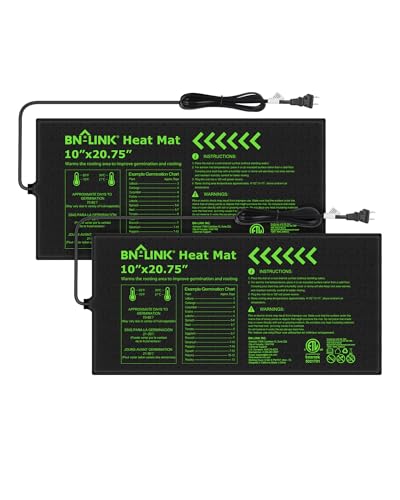


Cucumber seeds are a warm-season crop, so timing decides whether they start fast or sit in cold mix and fail. They can take a couple of weeks to germinate, but a warm start and steady moisture usually shorten the wait and cut losses from rot or stalled sprouting.
For reliable germination, start them before many salad crops, but only once you can keep the seed tray warm. Indoor sowing is usually more reliable than direct sowing, especially for expensive seed, because a protected place keeps temperature and moisture steadier while the embryo gets going.
What warm soil changes
Warm mix speeds water uptake and root growth. Cool soil slows both, which leaves seeds sitting wet for longer and raises the chance of decay. If your setup cannot stay warm, delay sowing rather than trying to fix it with extra watering.
What you’ll need
- Cucumber seed
- Seed tray or small pots
- Fine, moist seed-starting mix
- Clear propagator lid or plastic cover, if used
- Sunny window or greenhouse space
- Thermometer for the compost or soil
- Watering can or spray bottle
- Labels for sowing date and variety
- Garden space or final container for transplanting later
When should you start cucumber seeds indoors?
Start cucumber seeds indoors in March or April for most setups, or in February in a heated greenhouse. A protected environment gives better germination, and it is the better choice for expensive seed because you can control warmth and moisture instead of leaving emergence to a cold bed.
A sunny window or greenhouse both work if the mix stays warm. If the room is bright but cool, seed may stretch into weak seedlings or stall before it emerges. Keep the tray in the warmest stable spot you can manage until the first true leaves appear.
Indoor timing rule
If outdoor nights are still cold, keep sowing indoors. Move only after the weather risk has passed and the seedlings are sturdy enough to handle the change.
How do you sow cucumber seeds in pots?
Use a small pot or tray cell, place each seed on its side at the outer edge of the pot, and cover it about half an inch deep. That shallow, side-lying position helps reduce rot and gives the seed a clear route to the surface without wasting energy.
-
Fill the pot lightly.
Add moist seed-starting mix and tap the pot once so it settles without being packed hard. Leave a shallow rim at the top so watering does not wash seed out. -
Set the seed on its side.
Place one cucumber seed at the outer edge of the pot and lay it horizontally. This position helps reduce seed rot and keeps the seed close to the warmer edge of the container. -
Cover it shallowly.
Add about 1/2 inch of mix over the seed, then firm it gently with a fingertip. Deep sowing slows emergence and can leave the seed without enough air. -
Moisten the surface evenly.
Water until the mix is damp through the top layer, not saturated. Aim for evenly moist compost, because waterlogged mix invites rot and can stall germination. -
Keep it warm and bright.
Put the pot in a warm place with good light. A sunny window or greenhouse works if the temperature stays steady, since warmth matters more than extra watering at this stage.
Suppose one pot sits on a cool windowsill and another stays in a warmer greenhouse. The greenhouse pot is more likely to sprout first, even with the same seed and depth, because temperature controls how quickly the seed starts growing.
How do you sow cucumber seeds in the garden?
Direct sow only after frost risk has passed and the soil is warm enough to support quick emergence. Outdoor sowing is best for warm, settled conditions. If the bed is still cool, a tray indoors gives you better control and a higher chance of even germination.
-
Wait for safe weather.
Plant only when frost has passed and the soil feels warm, not chilly, to the touch. Cucumbers do poorly in cold ground, and a late frost can kill young plants outright. -
Prepare a fine seedbed.
Break up clods and remove debris so the seed has even contact with moist soil. A smoother surface helps shallowly sown seed stay at the right depth. -
Sow shallowly in place.
Make small holes about 1/2 inch deep and place one seed on its side in each spot. Cover lightly and water gently so the seed stays where you put it. -
Mark each sowing point.
Label the row or patch with the date. If no sprouts appear, you need to know when the clock started before you decide to sow again.
Cucumber germination checklist
This checklist gives the simplest setup for reliable sprouting. Use the same sowing depth, seed position, moisture target, and check window each time, then only adjust the start method for your space.
| Sowing method | Soil temperature trigger | Sowing depth | Seed position | Moisture target | Days to check sprout | Re-sow threshold |
|---|---|---|---|---|---|---|
| Indoors | Warm, steady mix at 75 to 85°F | 1/2 inch | On its side | Evenly moist, never waterlogged | 3 to 10 days | 14 days with no emergence |
| Greenhouse | Warm enough to stay consistent day and night | 1/2 inch | On its side | Moist surface, free draining below | 3 to 10 days | 14 days with no emergence |
| Direct | Soil warm and frost risk gone | 1/2 inch | On its side | Moist after sowing, not wet | 3 to 10 days | 14 days with no emergence |
Check the tray or bed every day once you sow. A couple of weeks is the outer limit, not the target. If the mix is still cold or the seed is buried deeper than 1/2 inch, treat that as the most likely reason for failure and reset the sowing depth before trying again.
When do seedlings go outside?
Move cucumber seedlings outside after frost has passed and they are about 4 inches high. Before that move, harden them off in a sheltered area for a couple of days so they can adjust to light, wind, and cooler air without shock.
How to harden off seedlings
Set the tray in a sheltered spot for a short period, then bring it back under protection. Repeat that for a couple of days. The point is gradual exposure, not a sudden move from a warm window to open weather.
Once planted out, keep watching the weather. A late cold snap can undo the advantage of careful germination, so do not rush seedlings into the bed just because they have sprouted.
Common mistakes
Most germination problems come from cold soil, too much water, or planting too deep. Each one changes how long the seed stays wet and how much energy it uses before it reaches light.
- Planting too deep. Seeds buried deeper than about 1/2 inch often emerge slowly or fail. Keep the cover light.
- Keeping mix too wet. Waterlogged compost raises seed rot risk. Keep it moist, but not over wet.
- Sowing in cold soil. Cool beds can stall germination for days. Wait for warmth, especially outdoors.
- Skipping hardening off. Soft seedlings can wilt or scorch when moved straight outside. Give them a couple of days in shelter first.
- Waiting too long to re-sow. If nothing appears after 14 days, re-sow rather than hoping for a late save.
Say your tray is sitting on a bright sill, but the mix still feels cool at the surface. Increase warmth first, not water. Extra moisture in cool compost makes rot more likely and does not solve the underlying stall.
Basic aftercare once plants are established
After seedlings are growing well, regular water and feeding matter more than germination tricks. Cucumbers are 96 per cent water, so they need daily watering once fruits start to develop. A liquid feed every ten days or so helps support that later growth.
Keep the watering even rather than flooding the bed one day and letting it dry the next. The same steady approach that helped the seed sprout will keep young plants from stalling once they are in the ground or final container.
Frequently asked questions
How do I germinate cucumber seeds?
Use warm mix, shallow sowing, and steady moisture. Place the seed on its side about 1/2 inch deep, keep the compost evenly moist, and hold the temperature in a warm range. Check from day 3 onward, and re-sow at 14 days if nothing has emerged.
How do I plant cucumber seeds?
Set each seed on its side in a pot, tray cell, or prepared bed, then cover it lightly with about 1/2 inch of mix or soil. Water gently so the seed stays in place, and keep the medium moist without soaking it.
How deep should cucumber seeds be planted?
About 1/2 inch deep is the practical target. That depth gives enough cover to hold moisture without burying the seed so deeply that it runs out of energy before it reaches the surface.
How do I keep cucumber seeds from rotting?
Use moist, free-draining mix, not wet compost. Sow at the outer edge of the pot, place the seed on its side, and avoid burying it deeply. Warm conditions also help because cool soil keeps the seed wet for longer.
Do cucumber seedlings need hardening off before planting out?
Yes. Put them in a sheltered area for a couple of days before transplanting. That short adjustment period helps them cope with wind, brighter light, and cooler outdoor conditions after indoor growth.