Where Can I Get Organic Gardening Seeds? Top Options
Organic gardening has surged in popularity, with millions of Americans seeking healthier, more sustainable ways to grow their own food. At the heart of this movement lies the quest for organic gardening seeds—the foundation of any eco-friendly and chemical-free garden. Whether you’re cultivating a sprawling vegetable plot or a compact herb container, sourcing high-quality organic seeds is crucial for both environmental impact and crop yield. As demand grows, so does the variety of options, from specialized online retailers to local nurseries and seed exchanges.
But finding truly organic seeds—free of synthetic pesticides, genetically modified organisms, or questionable growing practices—can be a challenge. The market is saturated with choices, and not all seeds labeled “organic” meet rigorous certification standards. This article will guide you through the top sources for organic seeds, compare key suppliers, and offer actionable advice for making informed purchases.
By the end, you’ll know where to find reliable organic seeds and how to ensure your garden thrives with authenticity and sustainability.
Key Takeaways
- Organic gardening seeds are essential for eco-friendly and healthy home gardens.
- Top sources include certified online retailers, local nurseries, seed exchanges, and farmer’s markets.
- Always verify certifications like USDA Organic and Non-GMO Project Verified when purchasing seeds.
- Compare suppliers based on price, variety, shipping options, and customer reviews to maximize value.
- Community resources like seed libraries and exchanges offer unique heirloom and rare varieties.
- Real-world examples illustrate how sourcing organic seeds impacts garden success and sustainability.
Understanding Organic Gardening Seeds
Organic gardening seeds are more than just a product—they represent a commitment to sustainable agriculture and healthy living. To make an informed decision, it’s important to understand what makes a seed truly organic and why certification matters.
What Defines An Organic Seed?
Organic seeds are grown without synthetic fertilizers, pesticides, or genetically modified organisms. They must adhere to strict standards set by certifying bodies such as the USDA. These seeds:
- Are cultivated in soil managed organically for at least three years.
- Are free from chemical treatments and coatings.
- May be open-pollinated or heirloom, allowing gardeners to save seeds for future planting.
Organic seeds also support pollinator health by avoiding neonicotinoid treatments, which have been shown to negatively impact bees and other beneficial insects. By choosing organic, gardeners help maintain healthier ecosystems both above and below ground.
Certification And Labeling
The most reputable organic seeds carry certifications like:
- USDA Organic: Ensures compliance with federal organic standards.
- Non-GMO Project Verified: Guarantees seeds are not genetically engineered.
- Organic Seed Alliance: Advocates for seed integrity and biodiversity.
When buying seeds, always look for these labels. Avoid “organic-like” claims without formal certification, as these may not reflect true organic practices. Certified organic seeds must be grown, processed, and handled according to strict standards, which are audited regularly. This guarantees that from farm to packet, your seeds remain free of synthetic inputs.
The Importance Of Seed Source
The source of your seeds affects:
- Crop performance: Organic seeds are bred for resilience in low-input, sustainable systems.
- Health: Reduced exposure to synthetic chemicals.
- Environmental impact: Supports biodiversity and conserves soil health.
Sourcing seeds from reputable suppliers also ensures you’re supporting farmers who use ethical, environmentally friendly practices. According to the Organic Trade Association, organic food sales increased by 12% in 2026, reflecting consumer trust in certified products (Organic Trade Association). This trend is mirrored in the gardening sector, where demand for organic seeds is booming. Choosing certified organic seeds helps reinforce the entire supply chain, encouraging more growers to adopt sustainable methods.

Credit: ecoactions.homedepot.com
Top Online Retailers For Organic Gardening Seeds
The internet offers unparalleled access to certified organic seeds, with specialized retailers providing extensive catalogs and expert advice. Here are the most reputable online sources.
1. Johnny’s Selected Seeds
Johnny’s Selected Seeds is a leading provider of certified organic seeds. Their catalog features over 300 organic varieties, including vegetables, herbs, and flowers. The company is renowned for its rigorous trialing process, ensuring seeds are suited for both home and commercial growers.
- Certification: USDA Organic, Non-GMO Project Verified
- Variety: Extensive, including heirlooms and hybrids
- Customer Service: Excellent, with detailed growing guides
Johnny’s also invests in research, regularly updating their offerings based on field trials and customer feedback. Their website features a robust library of growing resources, from planting charts to pest management tips, making them a trusted partner for gardeners at every level.
2. High Mowing Organic Seeds
High Mowing Organic Seeds specializes exclusively in organic seeds. Based in Vermont, they offer over 700 certified organic varieties. Their commitment extends to education and advocacy for organic agriculture.
- Certification: USDA Organic
- Unique Offerings: Rare varieties, seed saving advice
- Shipping: Fast, eco-friendly packaging
High Mowing’s farm-based business model means they trial many varieties on-site, ensuring seeds are well-adapted for organic systems. They also host webinars and publish guides to help gardeners succeed with organic methods.
3. Baker Creek Heirloom Seeds
Baker Creek is famous for its selection of heirloom seeds, many of which are organic. Their catalog features unusual and historic varieties, perfect for gardeners seeking biodiversity.
- Certification: USDA Organic (for select varieties)
- Variety: Global heirlooms, rare vegetables
- Community Engagement: Seed festivals, gardening events
Baker Creek’s annual festivals attract thousands, fostering a vibrant community around seed saving and sustainable agriculture. Their print catalog is a collector’s item for garden enthusiasts, and their online presence includes helpful videos and plant profiles.
4. Seed Savers Exchange
Seed Savers Exchange promotes seed conservation and offers a wide array of organic and open-pollinated seeds. They support a national network of gardeners and farmers, maintaining a vast seed bank.
- Certification: USDA Organic
- Focus: Preservation of heritage varieties
- Membership: Access to exclusive seeds
The Exchange’s mission-driven approach encourages gardeners to become stewards of genetic diversity. Members gain access to unique varieties not found in commercial catalogs, preserving flavors and traits that might otherwise be lost.
5. Territorial Seed Company
Territorial Seed Company provides a robust selection of organic seeds, with a focus on varieties adapted to North American climates. Their catalog is updated annually based on trial results.
- Certification: USDA Organic
- Variety: Vegetables, herbs, flowers
- Expert Advice: Regional growing tips
Territorial’s dedication to regional adaptation means gardeners receive seeds that perform well in their local conditions. Their website offers a “Grower’s Library” with articles on soil health, pest management, and organic gardening techniques.
6. Seeds Of Change
Seeds of Change has been a pioneer in organic seeds for decades. Their products are available online and in select retail stores. They emphasize sustainability and fair labor practices.
- Certification: USDA Organic, Non-GMO Project Verified
- Availability: Online and brick-and-mortar
- Sustainability: Supports global farming initiatives
Seeds of Change supports agricultural projects worldwide, donating a portion of sales to community-based programs. Their commitment to biodiversity is reflected in their curated selection of both popular and unique crops.
Comparison Table: Leading Online Organic Seed Retailers
| Retailer | USDA Organic | Variety Count | Shipping | Customer Rating |
|---|---|---|---|---|
| Johnny’s Selected Seeds | Yes | 300+ | Nationwide | 4.8/5 |
| High Mowing Organic Seeds | Yes | 700+ | Nationwide | 4.7/5 |
| Baker Creek Heirloom Seeds | Yes (select) | 500+ | Worldwide | 4.9/5 |
| Seed Savers Exchange | Yes | 600+ | Nationwide | 4.6/5 |
| Territorial Seed Company | Yes | 400+ | Nationwide | 4.7/5 |
| Seeds of Change | Yes | 250+ | Nationwide | 4.5/5 |
Tips For Buying Online
When purchasing seeds online:
- Check for certification logos.
- Review customer feedback and ratings.
- Compare shipping rates and return policies.
- Use advanced search filters for organic and heirloom options.
- Sign up for newsletters to receive updates on new varieties and seasonal promotions.
Consider ordering early in the season, as popular organic varieties often sell out quickly due to increasing demand.
Credit: scottsmiraclegro.com
Local Sources For Organic Gardening Seeds
While online retailers offer convenience, local sources provide unique advantages, including regional adaptation and community support. Here’s where to look locally.
Local Nurseries And Garden Centers
Many local nurseries stock organic seeds from reputable suppliers. Staff often provide personalized advice, helping you choose varieties suited to your climate and soil.
- Advantages: Immediate access, expert guidance
- Certification: Always verify with staff or packaging
- Community: Connects gardeners for shared learning
Local nurseries may also host seasonal workshops or demonstration gardens, giving you hands-on experience with organic methods. By shopping locally, you can ask about the provenance of seeds and build relationships with knowledgeable staff.
Farmer’s Markets
Farmer’s markets are excellent venues for finding organic seeds, often directly from local growers. This ensures seeds are adapted to your area and supports small-scale, sustainable farming.
- Selection: Seasonal, often includes rare varieties
- Verification: Ask growers about their certification process
- Networking: Access to gardening clubs and workshops
Meeting seed growers face-to-face allows you to ask questions about their growing methods, pest management strategies, and favorite varieties. Many farmers are happy to share tips or even offer tours of their operations.
Co-ops And Health Food Stores
Some co-ops and health food stores carry organic seeds, especially during planting seasons. These outlets typically partner with ethical suppliers.
- Convenience: Combine seed shopping with grocery trips
- Certification: Look for USDA Organic labels
- Sourcing: Local and regional suppliers
Co-ops often run “meet the grower” events, giving you insight into how seeds are produced and what makes them unique. You may also find educational displays or free gardening pamphlets in-store.
Regional Seed Companies
Small, regional seed companies focus on varieties tailored to local climates. They often have higher organic standards and offer seeds bred for disease resistance and yield.
- Adaptation: Varieties suited for local weather patterns
- Support: Regional gardening advice
- Sustainability: Reduced shipping footprint
These companies may also partner with local universities or extension services to trial new organic varieties, ensuring you get seeds that perform optimally in your area.
Real-world Example: Local Success Story
In Portland, Oregon, community gardens partnered with regional seed companies to trial organic varieties. After switching to locally-adapted seeds, yields increased by 20%, and pest issues dropped by 30%. This demonstrates the power of sourcing organic seeds that match local conditions. Additionally, gardeners reported tastier crops and higher participation in community gardening projects, further strengthening neighborhood ties.
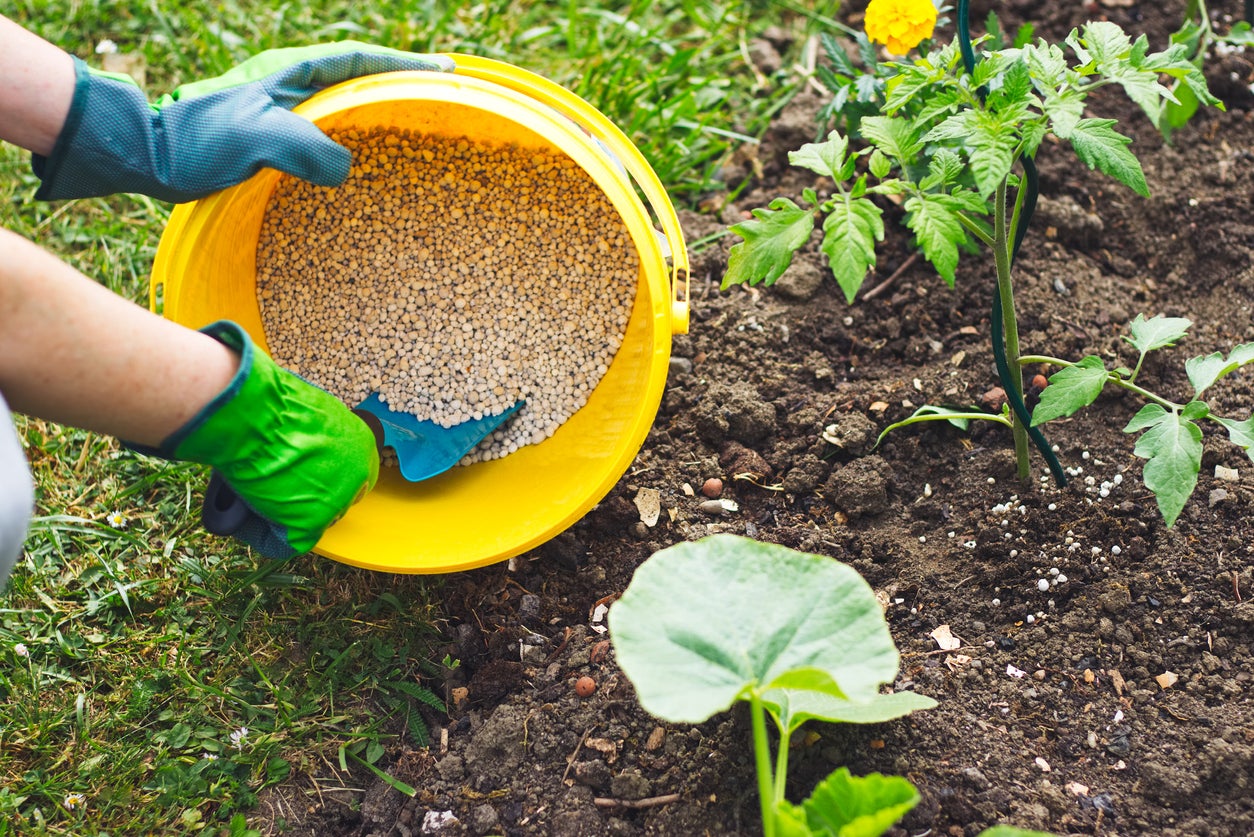
Credit: www.gardeningknowhow.com
Seed Exchanges, Libraries, And Community Networks
Community-based seed resources are invaluable for accessing unique organic varieties and building resilience in local food systems. These programs foster biodiversity and knowledge sharing.
Seed Exchanges
Seed exchanges bring together gardeners to swap organic seeds and share tips. Many exchanges prioritize heirloom and open-pollinated varieties, which are often organically grown.
- Access: Free or low-cost seeds
- Variety: Unusual and rare choices
- Education: Workshops and seed-saving training
Seed exchanges often take place at community centers, schools, or botanical gardens, making them accessible to all. Attendees can learn about proper seed saving techniques, local pest and disease challenges, and organic gardening success stories.
Seed Libraries
Seed libraries operate like traditional libraries, lending seeds to members who return harvested seeds at the end of the season. This supports local adaptation and conservation.
- Process: Borrow, grow, save, return
- Biodiversity: Preserves rare and regional varieties
- Community: Fosters gardening collaboration
Participating in a seed library also helps spread awareness of organic practices, as most libraries emphasize sustainability and ecosystem health in their lending policies.
Gardening Clubs And Nonprofits
Nonprofit organizations and gardening clubs often run seed drives, providing organic seeds to underserved communities. They may offer free seeds, starter kits, and educational materials.
- Outreach: Supports food security and urban gardening
- Certification: Often partnered with certified suppliers
- Events: Plant swaps, seminars
These organizations may also offer mentorship, matching experienced gardeners with beginners to improve success rates and encourage continued organic gardening.
Online Community Networks
Online platforms like Facebook groups and Reddit gardening forums connect gardeners for seed swaps and advice. Many users share organically grown seeds and tips on sourcing.
- Accessibility: Nationwide participation
- Variety: Heirloom, rare, region-specific seeds
- Verification: Ask about growing practices before trading
Online communities are a great way to find organic seeds not available in stores and to learn from gardeners in similar climates or with shared interests, such as permaculture or native plant restoration.
Real-world Example: Seed Library Impact
The Richmond Public Library Seed Library saw a 40% increase in organic seed circulation in 2026, with members reporting greater success in growing pesticide-free crops. This illustrates how community networks can democratize access to organic gardening seeds. In addition, the library hosted a series of seed-saving workshops that increased local knowledge and engagement, further strengthening the resilience of the community’s food systems.
How To Evaluate Seed Quality And Authenticity
Not all seeds labeled “organic” meet rigorous standards. To avoid disappointment and maximize garden success, learn how to assess seed quality and authenticity.
Checking Certification And Labels
Always look for:
- USDA Organic seal
- Non-GMO Project Verified
- Batch numbers and origin information
- Organic Seed Alliance membership
If buying from local sources or exchanges, ask about growing methods and request documentation if possible. Reputable suppliers will gladly provide information about their certification process and seed handling practices.
Understanding Germination Rates
High germination rates indicate fresh, viable seeds. Most reputable suppliers publish germination data, often above 90% for organic seeds. Request or review this information before purchase.
You can perform your own germination test at home by placing ten seeds in a damp paper towel, sealing them in a plastic bag, and counting how many sprout after a week. This helps verify seed quality, especially for older or exchanged seeds.
Seed Packaging And Storage
Proper packaging preserves seed quality. Look for:
- Moisture-proof, resealable bags
- Clear expiration dates
- Storage instructions
If storing seeds at home, keep them cool, dry, and away from sunlight. Many gardeners use airtight containers with silica gel packets to prolong seed viability, and store them in a refrigerator for even longer shelf life.
Comparing Seed Suppliers: Data Table
| Supplier | Certification | Germination Rate | Seed Freshness | Packaging Type |
|---|---|---|---|---|
| Johnny’s Selected Seeds | USDA Organic | 95% | 2026 Harvest | Resealable bag |
| Baker Creek | USDA Organic (select) | 92% | 2026 Harvest | Moisture-proof packet |
| Seed Savers Exchange | USDA Organic | 90% | 2026 Harvest | Paper envelope |
| High Mowing Organic Seeds | USDA Organic | 96% | 2026 Harvest | Eco-pack |
Avoiding Common Pitfalls
To ensure authenticity:
- Beware of vague “natural” or “eco-friendly” claims without certification.
- Avoid seeds from unknown online sources or auction sites.
- Seek supplier transparency on sourcing and growing practices.
- Check for recent harvest dates to avoid old or less viable seeds.
Heirloom Vs. Hybrid Vs. Organic Seeds
Understanding the differences among seed types helps gardeners choose varieties that fit their goals and values. Here’s how heirloom, hybrid, and organic seeds compare.
Heirloom Seeds
Heirloom seeds are open-pollinated varieties passed down for generations. They offer genetic diversity and unique flavors but may lack modern disease resistance.
- Advantages: Preserve history, seed saving possible
- Organic status: Many are grown organically, but check certification
Heirlooms often excel in flavor, color, and adaptability to traditional growing methods. Their unique stories and histories add depth to the gardening experience, connecting you with past generations of growers.
Hybrid Seeds
Hybrid seeds are crosses between two parent varieties, bred for traits like yield and pest resistance. While hybrids can be organic, they do not allow for reliable seed saving.
- Advantages: High performance, uniform crops
- Organic status: Only if grown under organic standards
Hybrids are ideal for gardeners who prioritize consistency and disease resistance but should be purchased new each year if you want to maintain the same characteristics.
Organic Seeds
Organic seeds can be heirloom or hybrid, provided they are grown without synthetic chemicals or GMOs. They combine the benefits of both types with sustainability.
- Advantages: Environmentally friendly, supports organic farming
- Certification: Essential for authenticity
Using organic seeds ensures you’re not introducing chemical residues into your soil and that you’re supporting a supply chain focused on ecological stewardship.
Comparison Table: Seed Types
| Seed Type | Seed Saving | Yield | Disease Resistance | Organic Certification |
|---|---|---|---|---|
| Heirloom | Yes | Moderate | Varies | Possible |
| Hybrid | No | High | High | Possible |
| Organic | Varies | Varies | Varies | Required |
Choosing The Right Seed Type
For organic gardening:
- Prioritize organic seeds with certification.
- Choose heirloom varieties for diversity and flavor.
- Consider hybrids for challenging climates, but confirm organic status.
Selecting a mix of seed types can maximize your garden’s productivity, resilience, and culinary appeal, while aligning with your sustainability goals.
Real-world Case Studies: Organic Seed Success
Understanding how organic seeds impact real gardens can guide your sourcing decisions. Here are three short case studies.
Case Study 1: Urban Rooftop Garden, New York City
A rooftop garden sourced seeds from High Mowing Organic Seeds and local exchanges. After switching to organic, the garden reported:
- 15% increase in tomato yield
- Lower aphid infestation rates
- Improved flavor and shelf life
The gardeners also noticed more pollinator visits and healthier soil, attributed to the absence of synthetic chemicals and the use of compost made from garden waste.
Case Study 2: School Garden, Austin, Texas
An elementary school partnered with Seed Savers Exchange for organic heirloom seeds. Teachers integrated gardening into science curricula, and students harvested:
- 120 lbs of organic vegetables
- 80% seed germination rate
- Enhanced biodiversity with pollinator-friendly plants
By saving seeds from the healthiest plants, the school built a sustainable seed bank, reducing annual costs and creating a living classroom for future students. The project received recognition from the USDA for promoting local food systems (USDA Blog).
Case Study 3: Community Farm, Vermont
A community farm used organic seeds from Johnny’s Selected Seeds and participated in regional seed exchanges. Outcomes included:
- Higher resistance to blight and drought
- 25% increase in carrot yield
- Reduced input costs by saving seeds
The farm also built stronger relationships with local gardeners, sharing surplus seeds and knowledge at annual events. Local organic seed sourcing allowed the farm to adapt quickly to changing weather and market demands.
Tips For Maximizing Success With Organic Seeds
Organic gardening is rewarding but requires careful planning and attention to detail. Here’s how to get the most from your organic seeds.
1. Plan Your Garden Layout
Organize your garden based on seed requirements:
- Group crops by sunlight and water needs
- Rotate plant families to prevent disease
- Use companion planting for pest control
A well-planned layout increases productivity and reduces maintenance. For example, planting basil with tomatoes can repel pests and improve growth, while rotating crops like beans and brassicas maintains soil fertility.
2. Prepare Soil Organically
Healthy soil is the foundation of organic gardening. Use:
- Compost and aged manure
- Mulch to retain moisture
- Organic amendments like bone meal or kelp
Regularly test your soil to monitor nutrient levels and pH. Amending with locally sourced compost or worm castings can further boost fertility without synthetic fertilizers.
3. Start Seeds Indoors
For early crops, start seeds indoors using:
- Organic seed-starting mix
- Biodegradable pots
- Adequate light (grow lamps or sunny windows)
Label all seed trays and monitor moisture levels to avoid damping-off disease. Harden off seedlings by gradually exposing them to outdoor conditions before transplanting.
4. Monitor Growth And Save Seeds
Track germination rates and growth. For open-pollinated varieties, save seeds for next season:
- Allow plants to fully mature
- Clean and dry seeds thoroughly
- Store in labeled containers
Sharing saved seeds with friends or local seed exchanges helps build community resilience and preserves unique varieties.
5. Join A Seed Exchange
Participate in seed exchanges for:
- Access to rare organic varieties
- Sharing gardening tips
- Building community resilience
Exchanges often provide educational sessions on seed cleaning, storage, and propagation, making them invaluable for beginners and experienced gardeners alike.
6. Record Your Results
Keep a gardening journal:
- Note planting dates, yields, and pest issues
- Track seed sources and performance
- Adjust strategies based on outcomes
Review your records each season to refine your gardening practices and improve your organic yields year over year.
Resources And Further Reading
To deepen your knowledge and connect with the organic gardening community, explore these authoritative resources:
- USDA Organic Program
- Organic Seed Alliance
- Gardening Know How: Organic Gardening
- Non-GMO Project
- Wikipedia: Organic Seeds
- Seed Savers Exchange
Frequently Asked Questions
What Is The Difference Between Organic And Non-organic Seeds?
Organic seeds are grown without synthetic pesticides, fertilizers, or GMOs, and must meet strict certification standards. Non-organic seeds may be treated with chemicals and do not require organic growing practices.
How Can I Verify That Seeds Are Truly Organic?
Look for USDA Organic and Non-GMO Project Verified labels on packaging. Ask suppliers for certification documentation or batch numbers. Avoid seeds with vague or unsubstantiated claims.
Are Organic Seeds More Expensive Than Conventional Seeds?
Organic seeds typically cost 10–30% more due to stricter growing standards and certification processes. However, they offer greater health and environmental benefits, and open-pollinated varieties allow for seed saving, reducing long-term costs.
Can I Save Seeds From Organic Plants For Future Planting?
Yes, you can save seeds from open-pollinated organic varieties. Avoid saving seeds from hybrids, as they may not produce true-to-type offspring. Always dry and store seeds properly to maintain viability.
Where Can I Find Rare Or Heirloom Organic Seeds?
Rare and heirloom organic seeds are available from specialized retailers like Baker Creek Heirloom Seeds, seed exchanges, local seed libraries, and community gardening networks. These sources often offer unique and regionally adapted varieties.
Organic gardening starts with the seeds you choose—certified, authentic, and suited to your growing conditions. Whether shopping online, locally, or through community resources, the right organic seeds empower you to cultivate healthier crops and support sustainable agriculture. By following the strategies outlined here and connecting with reputable suppliers and networks, you’ll ensure your garden thrives from the ground up.