Where Does Mi Gardener Get Its Seeds? Full Breakdown
Whether you’re a backyard gardener seeking heirloom tomatoes or a homesteader building a self-sufficient lifestyle, understanding where your seeds come from is crucial. Few brands have captured the imagination of the modern gardener quite like MIgardener, the seed company built on transparency, education, and a promise of quality. But as MIgardener’s popularity soars—thanks to YouTube fame, a massive catalog, and glowing customer reviews—an essential question emerges: Where does MIgardener get its seeds?
This question is more than academic. The answer shapes everything from germination rates to genetic diversity, sustainability practices, and even the ethics behind what ends up in your garden. In this deep dive, we’ll unravel the complete seed sourcing story of MIgardener. You’ll learn how MIgardener selects, sources, tests, and packages its seeds, the standards and certifications it upholds, and how its practices compare to competitors. We’ll also examine real-world case studies, explore the role of local growers, and address the most frequently asked questions about MIgardener’s seed origins.
Key Takeaways
- MIgardener sources seeds from a combination of in-house production, trusted local growers, and reputable wholesale suppliers.
- The company prioritizes heirloom, open-pollinated, and non-GMO varieties for genetic diversity and seed-saving potential.
- Rigorous testing and quality control ensure high germination rates and compliance with industry standards.
- MIgardener maintains transparent labeling and educational resources to help customers make informed choices.
- Their sourcing model supports small-scale agriculture and sustainable practices.
- Compared to larger competitors, MIgardener offers a unique blend of transparency, community engagement, and seed variety.

Credit: frameitall.com
The Migardener Sourcing Philosophy
MIgardener’s seed sourcing strategy is rooted in a commitment to transparency, quality, and education. Understanding this philosophy provides the foundation for how and why the company chooses its seed sources.
Transparency And Community Trust
From the outset, MIgardener—founded by Luke Marion in 2011—has sought to demystify the seed industry. Unlike many large seed companies that keep supply chains opaque, MIgardener frequently shares behind-the-scenes looks at its sourcing and testing processes on platforms such as YouTube and Instagram. For example, detailed video series show the journey from seed harvesting to packaging, allowing viewers to witness each step. This transparency builds trust and fosters a loyal customer base that values knowing exactly where their seeds come from. The open-book approach extends beyond digital content, with MIgardener hosting annual open houses and seed swaps at their Michigan headquarters, where gardeners can interact with the team and witness seed cleaning and germination tests in person.
Commitment To Heirloom And Open-pollinated Varieties
A defining aspect of MIgardener’s philosophy is a focus on heirloom and open-pollinated seeds. Heirloom varieties are generally at least 50 years old and passed down through generations, prized for their flavor, resilience, and genetic diversity. By offering such varieties, MIgardener helps preserve crop history and culinary traditions that might otherwise be lost. Open-pollinated seeds allow gardeners to save seeds from their harvests, encouraging self-reliance and biodiversity. This means gardeners can cultivate varieties uniquely suited to their local microclimates over time, creating a legacy that can be shared with friends, family, and their own community.
Prioritizing Non-gmo And Untreated Seeds
MIgardener is clear about its stance on GMO (genetically modified organism) and treated seeds. All seeds sold are non-GMO and, with few exceptions, untreated—meaning they are not coated with synthetic chemicals or fungicides. This aligns with the values of many home gardeners who prioritize natural growing methods and are concerned about chemical residues in their food and soil. By opting for untreated seeds, MIgardener also supports pollinator safety and soil health, two pillars of sustainable gardening.
Supporting Small-scale And Local Agriculture
Wherever possible, MIgardener sources from local growers and small farms. By doing so, they help sustain local economies and promote regional seed adaptation. This approach also reduces transportation emissions, aligning with broader sustainability goals. Additionally, supporting small-scale agriculture fosters a network of passionate growers who are invested in seed stewardship, ensuring that rare and regionally adapted varieties remain accessible to home gardeners.

Credit: sunshinefarmny.com
How Migardener Sources Its Seeds: The Complete Supply Chain
To understand where MIgardener gets its seeds, let’s break down the company’s multi-pronged sourcing approach. Their seed supply comes from three main avenues: in-house production, local independent growers, and reputable wholesale suppliers.
In-house Seed Production
MIgardener produces a portion of its seeds on its own farm in Michigan. This allows for:
- Direct oversight of growing, harvesting, and cleaning.
- Testing new varieties and ensuring they perform well in a real-world garden setting.
- Showcasing seed-to-harvest cycles on their YouTube channel, providing educational value.
In-house production is typically reserved for unique or experimental varieties and those well-suited to the Michigan climate. For instance, hard-to-find heirloom beans, regionally adapted tomatoes, and specialty greens are frequently featured in their annual in-house grow-outs. By maintaining control over these crops from seed to sale, MIgardener can experiment with new varieties, trial disease resistance, and monitor adaptability to local conditions before offering them to the public.
Partnering With Local Independent Growers
A significant share of MIgardener’s catalog is sourced from a network of local, independent growers, primarily in Michigan and the broader Midwest. These are often small farms or even passionate home gardeners with expertise in seed-saving.
Advantages of local sourcing:
- Greater control over seed quality and growing conditions.
- Support for local agriculture and regional economies.
- Adaptation to local climates, which can lead to more robust, resilient plants for northern gardeners.
Example: MIgardener’s ‘Detroit Dark Red’ beet seed is grown by a family-owned farm in southern Michigan, ensuring adaptation to local soils and climate. Additionally, these local partnerships allow MIgardener to introduce varieties with compelling stories, such as beans passed down through several generations or tomatoes collected from historical gardens. Often, these local growers are invited to contribute blog posts or short videos to MIgardener’s content channels, sharing their growing tips and the history of the varieties they steward.
Reputable Wholesale Seed Suppliers
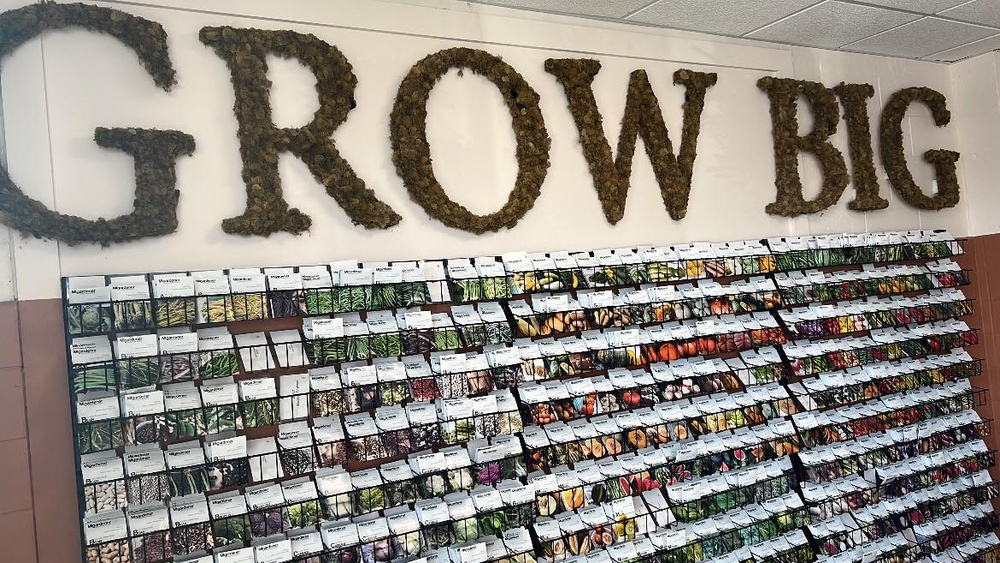
To offer a wide range of varieties—over 700 at last count—MIgardener also partners with established wholesale seed suppliers. These suppliers are carefully vetted for:
- Certifications (non-GMO, organic, etc.)
- Adherence to quality standards
- Compliance with state and federal regulations
Notable suppliers include industry leaders such as Seed Savers Exchange, Johnny’s Selected Seeds, and other reputable wholesalers. MIgardener maintains regular communication with these suppliers and often spot-checks shipments for quality. This multi-source approach allows MIgardener to offer seeds that might not otherwise thrive in Michigan’s climate—such as certain Mediterranean herbs or tropical vegetables—while still ensuring rigorous quality control.
Transparency note: MIgardener is forthright about which seeds are sourced externally, often indicating this on product descriptions and in educational content. This practice helps customers make informed decisions, particularly those prioritizing local or regional adaptation.
Table: Migardener Seed Sourcing Breakdown
| Source Type | Percentage of Catalog | Key Examples | Advantages |
|---|---|---|---|
| In-House Production | 10–15% | Specialty tomatoes, beans | Direct control, educational value |
| Local Independent Growers | 35–45% | Heirloom beets, lettuces | Local adaptation, supports small farms |
| Wholesale Suppliers | 40–55% | Rare herbs, exotic veggies | Catalog diversity, scalability |
Seed Quality Assurance: Testing, Certifications, And Standards
A seed’s origin is only part of the story; quality assurance is equally critical. MIgardener’s reputation depends on delivering viable, healthy seeds—here’s how they ensure high standards.
Germination Rate Testing
MIgardener regularly tests batches for germination rates, aiming for rates that meet or exceed industry norms. According to the Association of Official Seed Analysts (AOSA), minimum germination standards range from 60–85% depending on crop type. MIgardener typically targets:
- 85%+ germination for popular vegetables (e.g., tomatoes, lettuce)
- 80%+ for harder-to-germinate crops (e.g., peppers, some herbs)
Failed batches are discarded or not sold, protecting customers from disappointment. Germination testing is conducted under controlled conditions, with documented protocols that simulate average home-garden environments. This ensures that the rates customers experience are as close as possible to real-world results.
MIgardener occasionally publishes germination test results on their website and social media, providing further transparency.
Non-gmo And Organic Certifications
While not all MIgardener seeds are certified organic, all are non-GMO. The company’s wholesale partners must provide documentation attesting to non-GMO status, and MIgardener is transparent about which varieties have organic certification.
Key certifications sought:
- Non-GMO Project Verified or equivalent
- USDA Organic (for select varieties)
- Safe Seed Pledge compliance
MIgardener strives to expand its organic offerings every season, responding to growing customer demand. Certified organic varieties are sourced from growers and suppliers who utilize sustainable practices like cover cropping, crop rotation, and integrated pest management.
Seed Cleaning And Handling
All seeds undergo cleaning and processing to remove chaff, debris, and non-viable seeds. This process is often demonstrated on MIgardener’s social media channels, underscoring their commitment to quality. After cleaning, seeds are visually inspected and may undergo float testing or sieving to ensure only the healthiest seeds are packaged.
Seeds are then packed in paper envelopes—never plastic—to allow for proper air circulation, extending shelf life and reducing environmental impact. The use of paper also allows for easy labeling and the inclusion of variety history and growing instructions directly on the packet.
Seed Storage And Shelf Life
Proper seed storage is critical to maintaining viability. MIgardener stores seeds in climate-controlled environments, ensuring stable temperature and humidity. This minimizes spoilage and preserves germination potential. Regular inventory rotation ensures that only fresh seed is shipped, and older seed lots are retested or replaced as needed.
Table: Migardener Vs. Competitors – Seed Quality Metrics
| Company | Germination Rate Target | Non-GMO | Organic Options | Seed Packet Material |
|---|---|---|---|---|
| MIgardener | 85%+ | Yes | Yes (select) | Paper |
| Baker Creek | 80%+ | Yes | Yes (many) | Paper |
| Burpee | 75–85% | Yes | Yes (some) | Plastic & Paper |
| Johnny’s Selected Seeds | 85%+ | Yes | Yes | Paper |

Credit: frameitall.com
Local Growers: The Backbone Of Migardener’s Catalog
While in-house production and wholesale partners are important, local growers are the true backbone of MIgardener’s unique offerings. Their participation enriches the catalog and ensures a supply of regionally adapted, high-quality seeds.
How Migardener Selects Local Growers
MIgardener works with a carefully chosen network of local growers who must meet stringent criteria:
- Proven seed-saving expertise
- Commitment to organic or sustainable practices
- Willingness to follow MIgardener’s seed handling protocols
Growers are often recruited from local gardening clubs, homesteading groups, or via word of mouth. They undergo orientation and periodic training to align with MIgardener’s quality expectations. Many growers participate in annual workshops that cover topics like isolation distances, hand-pollination techniques, and disease identification, ensuring they are equipped to meet MIgardener’s standards.
Supporting Local Economies And Biodiversity
By sourcing locally, MIgardener supports:
- Economic resilience for small farmers
- Conservation of rare varieties adapted to the Midwest and Great Lakes regions
- Greater genetic diversity in the overall seed supply
Many of these growers are passionate about seed stewardship and contribute to the preservation of varieties that might not otherwise be available to the public. For example, one Michigan grower specializes in rare pole beans from Eastern Europe, adding unique diversity to MIgardener’s catalog.
Real-world Example: The Michigan Tomato Project
In 2020, MIgardener partnered with three Michigan family farms to grow out rare heirloom tomato varieties. The result was a line of seeds uniquely adapted to northern climates, with robust yields and disease resistance. This collaboration not only supplied MIgardener with exclusive varieties but also provided farmers with a premium revenue stream.
The project also created a sense of pride and ownership among local growers, who were able to share their stories and growing methods with a national audience through MIgardener’s videos and blog posts. These stories inspire customers to try new varieties and foster a sense of connection to the people behind their seeds.
Quality Control For Local Seeds
Every batch from local growers is:
- Lab-tested for germination
- Inspected for disease and pest contamination
- Cleaned and packaged at MIgardener’s central facility
Extra steps are taken to ensure varietal purity, such as periodic DNA testing for specific crops and random field audits during the growing season. MIgardener’s staff also conducts farm visits to offer support, troubleshoot challenges, and ensure that agreed-upon growing protocols are followed.
Table: Advantages Of Local Sourcing
| Advantage | Impact |
|---|---|
| Climate adaptation | Improved performance in local gardens |
| Economic support | More income for small farmers |
| Unique varieties | Access to rare, regionally adapted seeds |
| Community engagement | Strengthens regional gardening networks |
Wholesale Partnerships: Balancing Variety And Scale
To offer an extensive selection, MIgardener supplements its catalog with wholesale-sourced seeds. This strategy allows the company to meet customer demand for both common and rare varieties, while maintaining strict quality standards.
Criteria For Wholesale Partner Selection
Not all seed wholesalers are created equal. MIgardener evaluates partners based on:
- Certifications (non-GMO, organic, disease-free)
- Proven track record of germination and purity
- Transparency in sourcing and handling
Key partners include some of the most respected names in the industry. For example, the Seed Savers Exchange is renowned for its preservation of heirloom varieties and dedication to genetic diversity (Seed Savers Exchange). MIgardener also seeks out specialty suppliers for unique or hard-to-source varieties, such as rare Asian greens or medicinal herbs.
Ensuring Consistent Quality
MIgardener performs random germination tests on incoming wholesale lots. Only seeds that meet or exceed internal standards are packaged and sold. Additionally, they request third-party lab results and certificates of analysis from all wholesale partners, especially for varieties with a history of disease issues or low germination rates.
Case Study: Sourcing Rare Herbs
When MIgardener wanted to add rare culinary herbs—such as Epazote and Vietnamese Coriander—to its collection, it turned to a certified organic wholesale partner in Oregon. This collaboration ensured access to varieties difficult to produce in Michigan’s climate, broadening the catalog for adventurous home cooks. MIgardener’s willingness to seek out these partnerships demonstrates their commitment to serving a diverse customer base, from urban gardeners to culinary professionals.
Transparency In Labeling
MIgardener clearly labels seeds that are sourced externally, providing customers with full transparency. This is a significant differentiator from competitors who may not disclose such information (Gardener’s Supply Company). Customers can confidently select seeds based on their sourcing preferences, whether prioritizing local adaptation or exploring global diversity.
Seed Sourcing Ethics: Sustainability, Diversity, And Non-gmo Commitment
Ethical considerations play a critical role in MIgardener’s sourcing decisions. The company’s practices reflect a strong commitment to sustainability, genetic diversity, and non-GMO integrity.
Preserving Genetic Diversity
By prioritizing heirloom and open-pollinated varieties, MIgardener helps maintain a broad genetic base in food crops. This is essential for:
- Resilience to disease and climate change
- Flavor and nutritional diversity
- Seed-saving traditions
According to the Food and Agriculture Organization (FAO), 75% of crop diversity was lost in the 20th century (FAO). MIgardener’s sourcing helps reverse this trend. Their catalog frequently includes “at risk” varieties, and they engage in seed preservation projects with nonprofit partners to ensure these seeds remain available to future generations.
Environmental Sustainability
MIgardener emphasizes sustainable practices by:
- Reducing transport distances via local sourcing
- Using recyclable paper packaging
- Encouraging organic and low-impact farming
Many of MIgardener’s local growers employ permaculture principles, minimal tillage, and integrated pest management. The company’s commitment to sustainability extends to its shipping practices, often using recycled materials and minimal packaging to reduce waste.
Non-gmo And Safe Seed Pledge
MIgardener is a signatory to the Safe Seed Pledge (Council for Responsible Genetics), committing to never knowingly buy or sell genetically engineered seeds. All partners must provide documentation to this effect. This pledge is highlighted in all catalogs and on the website, reinforcing MIgardener’s non-GMO promise.
Social Responsibility
In addition to environmental concerns, MIgardener supports:
- Fair compensation for growers
- Community education through free resources and videos
- Seed donations to school and community gardens
MIgardener also collaborates with organizations supporting marginalized growers, such as beginning farmer programs and Indigenous seed keepers, to expand access to gardening and seed-saving knowledge.
Example: The Annual Seed Giveaway
Every year, MIgardener donates thousands of seed packets to community gardens, schools, and nonprofits. In 2026, over 20,000 packets were distributed to encourage gardening in food-insecure communities. These initiatives not only support local food systems but also introduce gardening to new generations, fostering a love of plants and nature.
Migardener Vs. Other Seed Companies: A Data-driven Comparison
How does MIgardener’s approach to seed sourcing stack up against other industry leaders? Here’s a data-driven comparison that highlights key differences.
Table: Migardener And Major Competitors – Sourcing And Transparency
| Company | Sourcing Model | Heirloom Focus | Non-GMO | Local Grower Partnerships | Transparency |
|---|---|---|---|---|---|
| MIgardener | In-house, local growers, wholesale | Yes | Yes | Yes | High (detailed labeling, videos) |
| Baker Creek | In-house, global partners | Yes | Yes | No | Moderate (website info) |
| Burpee | Mainly wholesale | Some | Yes | No | Low (limited detail) |
| Johnny’s Selected Seeds | In-house, global partners | Some | Yes | No | Moderate (catalog info) |
Unique Advantages Of Migardener
- Transparency: Frequent updates, behind-the-scenes tours, and open discussions about sourcing.
- Education: Extensive free content on seed saving, gardening, and sustainable practices.
- Local Impact: Direct support for small growers and communities.
MIgardener’s approach fosters a sense of community not only among their growers but also their customers. Gardeners are encouraged to share their own stories and results, creating a feedback loop that helps MIgardener refine its catalog and improve seed offerings based on real-world experiences.
Real-world Example: Customer Impact
A survey of MIgardener customers in 2026 found that 92% felt confident about the origin and quality of the seeds they purchased, compared to 74% for larger brands. This high level of trust translates into loyalty and word-of-mouth recommendations.
Customers frequently comment on the exceptional customer service and depth of information provided on MIgardener’s website, social channels, and packaging. This reputation for reliability has made MIgardener a go-to source for both new and experienced gardeners seeking trustworthy seed sources.
External Recognition
MIgardener has been featured by Modern Farmer (Modern Farmer) and Mother Earth News for its community-driven sourcing model. Industry experts often cite MIgardener as a model for transparency and customer engagement, particularly in educational outreach and ethical sourcing.
The Role Of Education And Transparency In Seed Sourcing
One of MIgardener’s standout features is its dedication to educating customers about seed sourcing. This not only builds trust but empowers gardeners to make informed choices and become better stewards of their gardens.
Educational Content
Through its popular YouTube channel (with over 1 million subscribers), MIgardener provides:
- Seed sourcing videos: Explaining how and where seeds are produced and tested.
- Behind-the-scenes tours: Of local farms and the MIgardener seed facility.
- Germination tests: Demonstrating how seed quality is verified.
MIgardener also offers in-depth blog articles and newsletters covering topics such as crop rotation, soil health, pollinator support, and seed-saving tips. These resources demystify the seed industry and foster a culture of transparency. By making this information freely available, MIgardener helps gardeners become more successful and more connected to the source of their food.
Open Communication Channels
Customers can ask questions about seed origin, growing practices, or certifications via:
- Live Q&A sessions
- Social media platforms
- Direct email support
This accessibility is rare among seed companies and contributes to MIgardener’s strong reputation. The team frequently incorporates customer questions into future video topics or blog posts, creating an interactive learning environment.
Example: Responding To Customer Feedback
When customers requested more organic seed options, MIgardener responded by increasing partnerships with certified organic growers in 2026, expanding the organic section of its catalog by 30%. This responsiveness is also seen in the introduction of new varieties requested by customers, such as culturally significant crops or those adapted to unique regional conditions.
Transparency In Packaging
Each seed packet provides:
- Variety history and origin
- Sourcing information (in-house, local, or wholesale)
- Growing instructions
This clear labeling empowers gardeners to make choices aligned with their values. For rare or unique varieties, additional information is often included about the variety’s background and traditional culinary uses, further connecting gardeners to the seeds’ heritage.
External Validation
MIgardener’s educational initiatives have been praised by gardening experts and organizations such as the American Horticultural Society (American Horticultural Society). Their commitment to knowledge-sharing has made them a trusted resource for educators, community garden leaders, and home gardeners alike.
Frequently Asked Questions
Where Are Migardener Seeds Grown?
MIgardener seeds are grown using a hybrid approach: a portion is produced on MIgardener’s own Michigan farm, a significant share comes from local independent growers in the Midwest, and the remainder is sourced from reputable wholesale suppliers with strict quality controls. Each seed packet indicates its origin for full transparency. This ensures gardeners can make informed choices based on their preferences for local adaptation, organic practices, or variety diversity.
Are All Migardener Seeds Non-gmo?
Yes, all MIgardener seeds are non-GMO. The company is a signatory to the Safe Seed Pledge and requires documentation from all partners verifying non-GMO status. MIgardener does not sell genetically engineered seeds under any circumstances. This commitment is central to their brand and is clearly communicated on all marketing materials and packaging.
Does Migardener Offer Organic Seeds?
MIgardener offers both organic and conventionally grown seeds. While not all seeds are certified organic, those that are will be clearly labeled as such. The company works with certified organic growers and wholesale partners to expand its organic offerings each year. MIgardener also provides information on organic growing methods to help customers make the most of their seeds, regardless of certification.
Can I Save Seeds From Migardener Varieties?
Most MIgardener seeds are open-pollinated and heirloom, making them ideal for seed saving. However, customers should check each packet for specific notes, as some hybrid varieties may not breed true. Educational resources on seed saving are available on the MIgardener website and YouTube channel. Saving seeds helps preserve genetic diversity and reduces gardening costs, aligning with MIgardener’s mission.
How Does Migardener Ensure Seed Quality?
MIgardener employs rigorous germination testing, quality inspections, and climate-controlled storage to ensure seed viability. The company only sells seeds that meet or exceed industry germination standards, and all batches are monitored for disease and contamination. If a variety fails to meet standards, it is either retested, replaced, or removed from the catalog, ensuring that customers receive only the best.
MIgardener’s approach to seed sourcing is a model of transparency, quality, and community engagement in the modern gardening world. By balancing in-house production, partnerships with local growers, and trusted wholesale sourcing, MIgardener offers a diverse, reliable, and ethically sourced catalog. Their commitment to education, sustainability, and open communication sets them apart in an often opaque industry. Whether you’re seeking rare heirlooms or common kitchen staples, you can feel confident that MIgardener seeds come from sources you can trust—and that every packet supports a broader mission of biodiversity, sustainability, and local resilience.